What the ST1000 Conveyor Belt Is
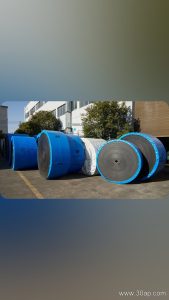
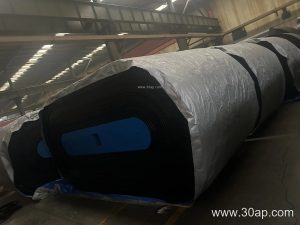
The ST1000 Conveyor Belt is a steel cord conveyor belt with a nominal tensile strength of 1000 N/mm. It belongs to the ST series of Steel Cord Conveyor Belt products, where the ST prefix indicates steel cord construction and the number reflects breaking strength. This belt is built for long-distance conveying, high tonnage, and demanding bulk material transport in sectors such as mining, cement, power generation, and port operations.
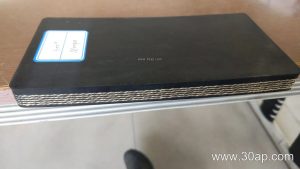
Unlike fabric-reinforced belts, the ST1000 uses parallel steel cords as the tension-bearing skeleton, embedded in rubber. This design gives the belt high strength with relatively low elongation, making it suitable for main haulage lines where stability and splice efficiency matter.
Construction and Materials
A typical ST1000 Conveyor Belt consists of three main components:
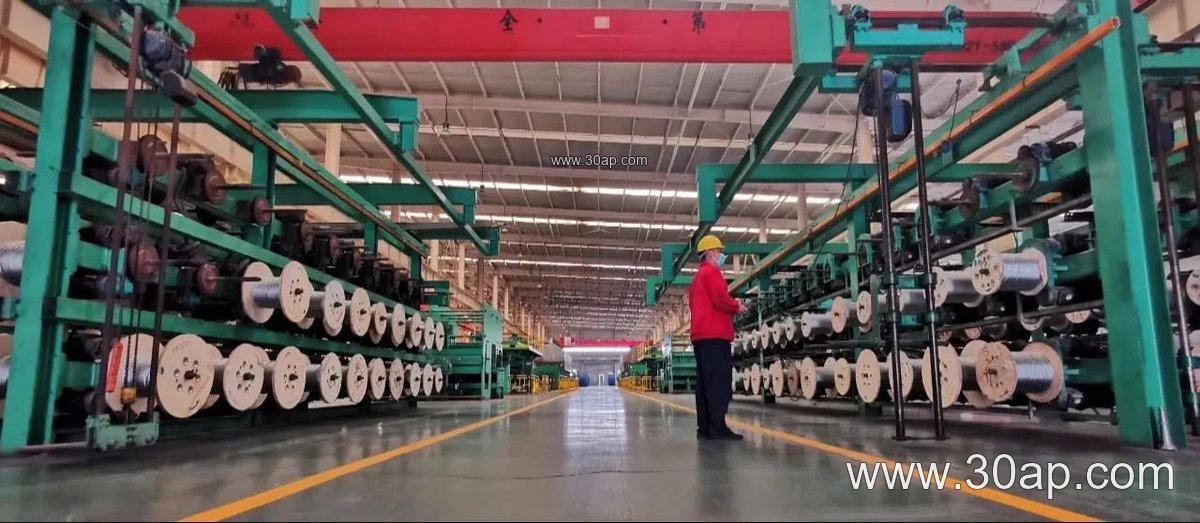
- Steel cord layer – high-carbon steel cords arranged longitudinally, providing tensile strength and low stretch.
- Core rubber – bonds the cords and cushions them against impact and flexing.
- Cover rubber – top and bottom covers protect the carcass from abrasion, moisture, and material contact.
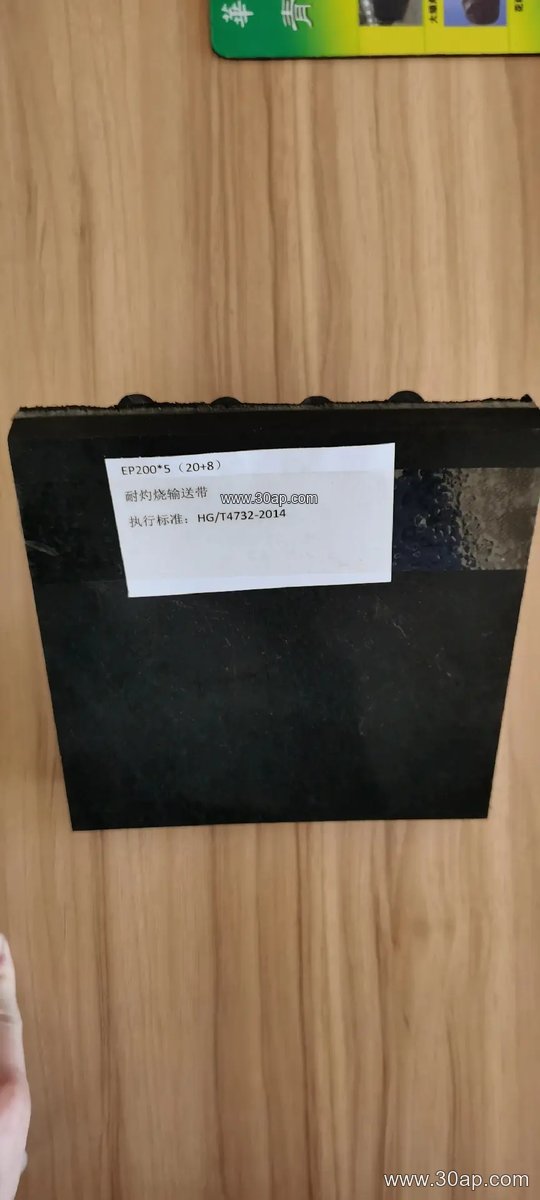
Cover compounds can be selected for specific service conditions. For example, a High Abrasion Resistant Conveyor Belt cover suits sharp rock and aggregate, while a Heat Resistant Conveyor Belt cover is used where conveyed material carries residual heat. Flame Retardant Conveyor Belt grades are available for underground coal mining and other fire-sensitive environments, and Anti-Static Conveyor Belt properties help dissipate static charge in dusty operations.
Where It Is Used
The ST1000 belt is often found in primary and secondary haulage systems at mines, quarries, and processing plants. In a coal mining conveyor line, it may carry raw coal from the crusher to the stockpile. In cement plants, it can transport clinker or limestone. Power plants use steel cord belts for fuel and ash handling, while ports rely on them for ship loading and unloading bulk cargo.
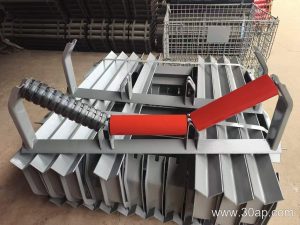
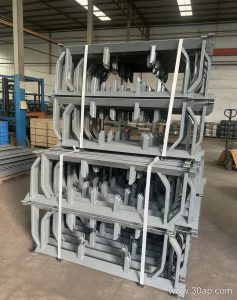
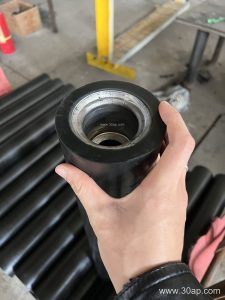
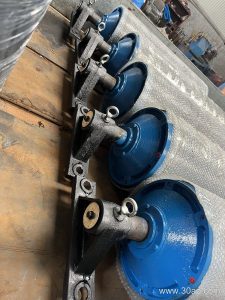
These belts work together with conveyor pulleys, idler rollers, and conveyor brackets to form a complete conveying system. Drive pulleys transmit motion, tail pulleys provide return tension, and bend pulleys route the belt through curves. Idler rollers support the belt and material load, and brackets hold the idlers in alignment. The ST1000 is compatible with standard conveyor components when the system is designed for steel cord belt tensions.
Specifications and Options
ST1000 belts are commonly available in a range of widths to match conveyor design. The table below shows typical width options; final selection depends on tonnage, material size, and pulley diameters.
| Parameter | Common Range |
|---|---|
| Belt width | B800, B1000, B1200, B1400, B1600, B1800, B2000 |
| Cover thickness (top + bottom) | 4+2 mm, 5+2 mm, 6+2 mm, 8+3 mm |
| Strength grade | ST1000 (other ST grades available for comparison) |
| Cover type | Abrasion resistant, heat resistant, flame retardant, anti-static, oil resistant |
For lighter-duty or shorter conveyors, an EP Conveyor Belt or NN Conveyor Belt may be considered, but these are different product types and not direct replacements for steel cord belts where high tension and low elongation are required.
Buyer Checklist
When specifying an ST1000 Conveyor Belt, consider the following:
- Maximum belt tension and safety factor required by the conveyor design.
- Material characteristics: lump size, temperature, abrasiveness, oil content, and fire risk.
- Pulley diameters and troughing configuration – steel cord belts require adequate pulley diameters to avoid cord fatigue.
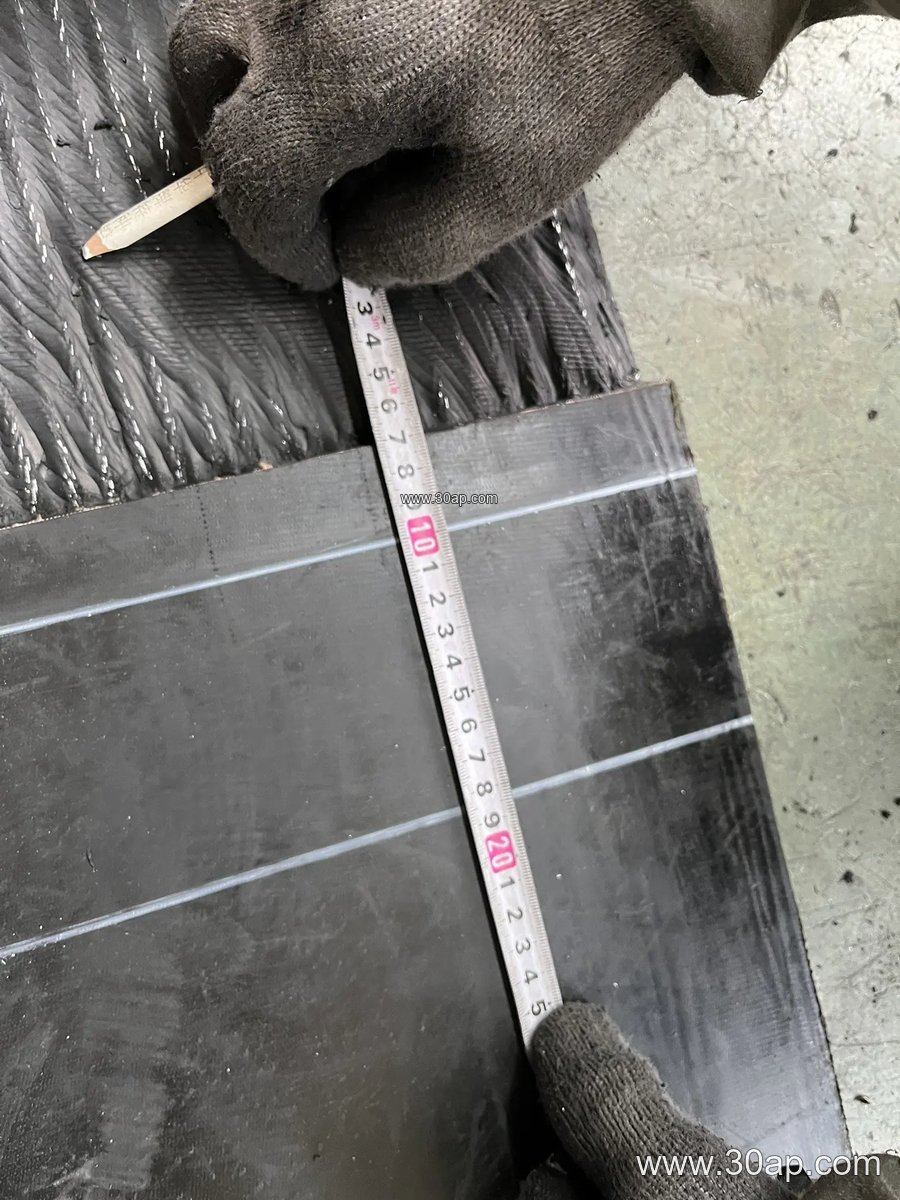
- Splice method – steel cord belts typically use vulcanized splices; confirm splice materials and technician availability.
- Environmental conditions – cold, heat, or chemical exposure may call for special cover compounds.
Request the manufacturer’s data sheet for cord diameter, pitch, cover hardness, and recommended minimum pulley diameters. These values vary between suppliers and should not be assumed from belt width alone.
Maintenance Notes
Regular inspection of the belt surface, edges, and splices helps detect wear or cord exposure early. Keep idler rollers turning freely and check pulley lagging for wear. Misalignment at conveyor brackets can cause edge damage and reduce belt life. In dusty or corrosive environments, clean the belt and inspect for cover degradation.
For expert advice on conveyor belt selection and compatible components, visit industrial conveyor belt resources or consult a qualified conveyor engineer.