What Is an ST1600 Conveyor Belt
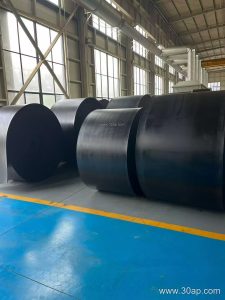
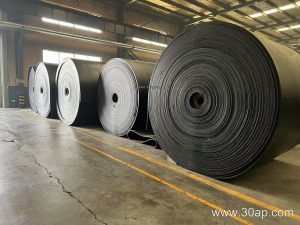
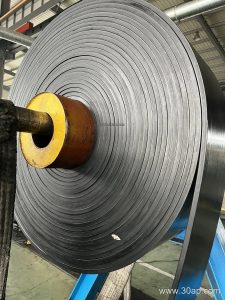
The ST1600 conveyor belt is a steel cord conveyor belt with a nominal tensile strength of 1600 N/mm. It belongs to the steel cord family, where high-carbon steel cables run longitudinally through the rubber carcass instead of fabric plies. This construction gives the belt excellent lengthwise strength with very low stretch, making it suitable for long conveyors and high-capacity systems. In mining, cement, and power plant applications, the ST1600 is often chosen when a single flight must carry bulk material over considerable distances without excessive take-up travel.
Unlike fabric-core belts such as EP or NN types, the steel cord belt uses cables as the tension-bearing element. The rubber surrounding the cords protects them from impact, abrasion, and moisture. The ST1600 designation refers to the cord strength class, not to the belt width or cover thickness; those parameters are selected separately to match the conveyor design.
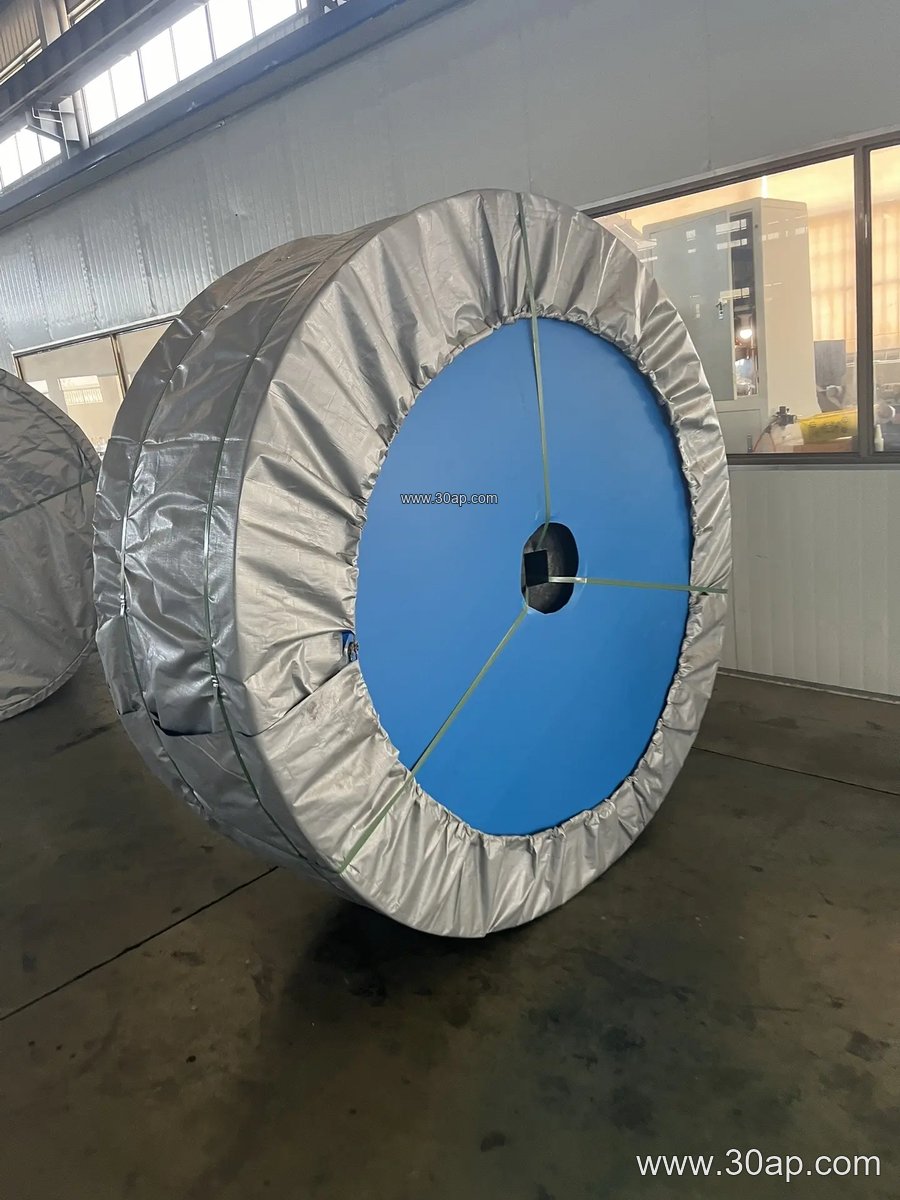
Construction and Key Components
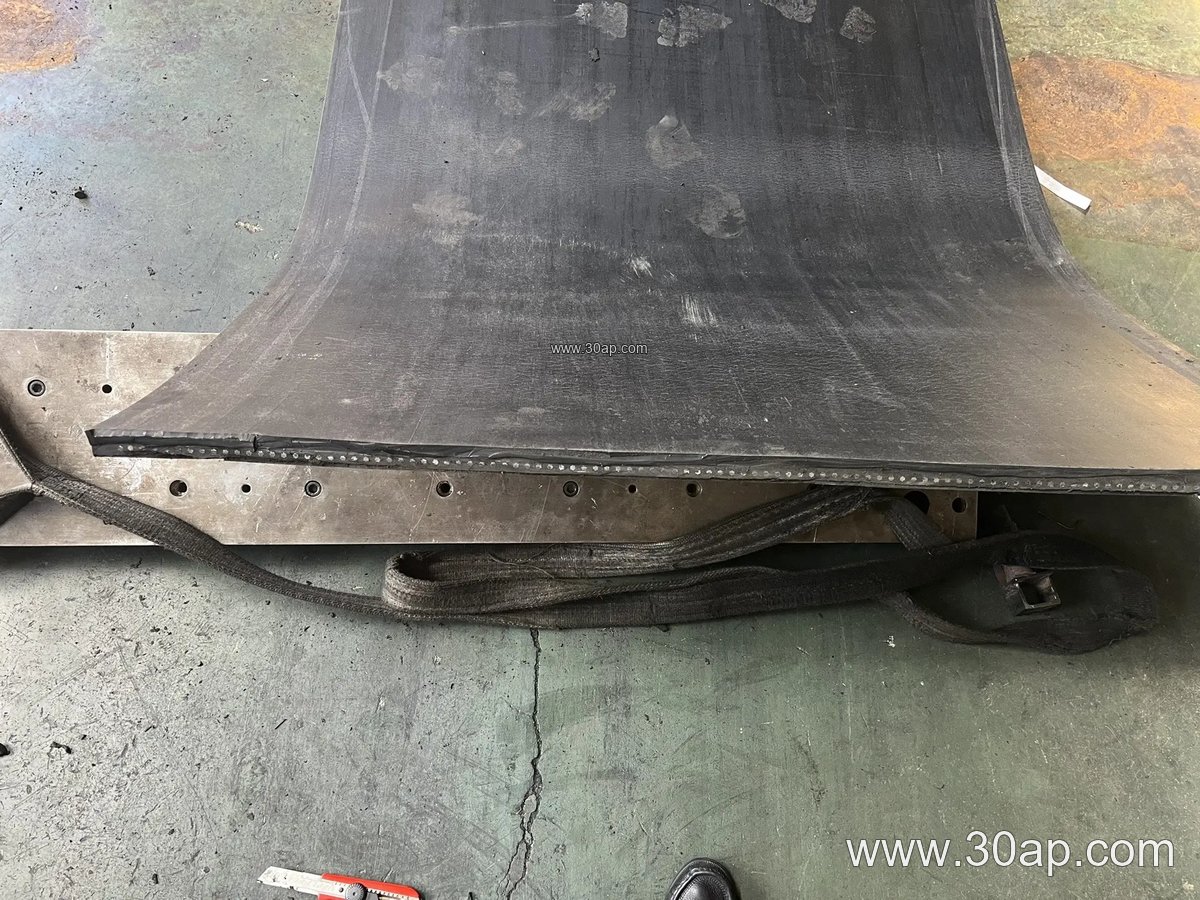
A typical ST1600 belt consists of the following layers:
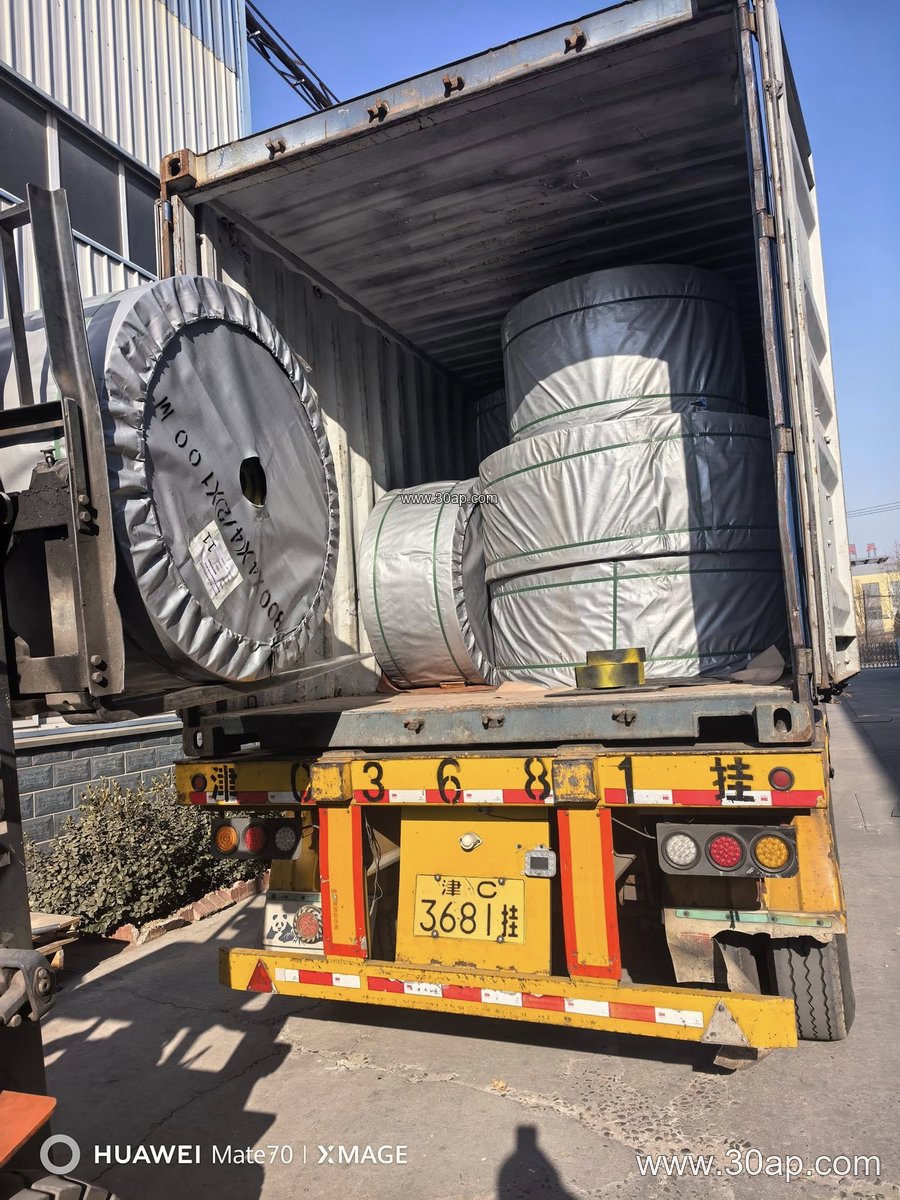
- Top cover rubber – protects the carcass from material impact and wear. Common cover grades include abrasion resistant, heat resistant, flame retardant, and oil resistant compounds.
- Steel cord layer – a single layer of parallel steel cables, usually brass-plated for adhesion to rubber. The cords are spaced evenly across the belt width.
- Core rubber – fills the spaces between cords and bonds the cable layer to the covers.
- Bottom cover rubber – provides protection on the pulley side and can be specified for different wear conditions.
Because the steel cords carry the load, the belt has minimal elongation under tension. This reduces the need for frequent re-splicing and makes the ST1600 a practical choice for main haulage lines in underground coal mining and open-pit operations. The belt is usually spliced on site with a vulcanized joint to maintain full tensile strength.
Where ST1600 Belts Are Used
The high strength and low stretch of the ST1600 make it suitable for demanding bulk material handling. Typical industries include:
- Mining – iron ore, copper ore, gold mining, and coal mining conveyors.
- Cement plants – clinker and raw meal transport.
- Power plants – coal handling systems.
- Ports and ship loading – high-capacity bulk terminals.
- Quarries and aggregate plants – primary and secondary crushing circuits.
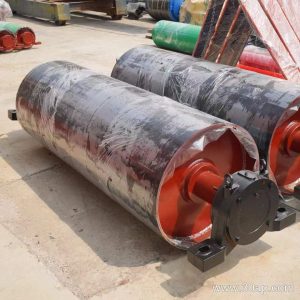
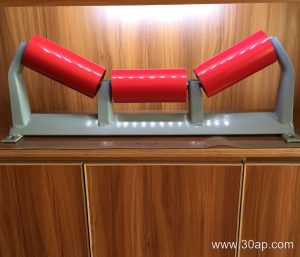
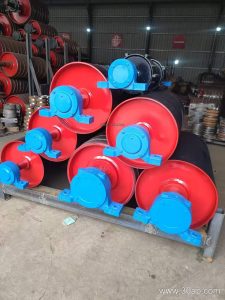
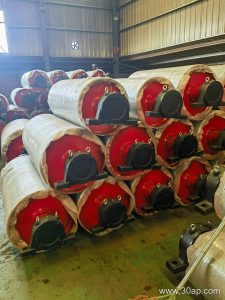
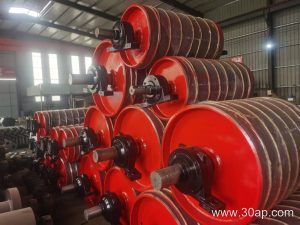
In these environments, the belt often works alongside conveyor pulleys, idler rollers, and conveyor brackets that support and guide the belt. The drive pulley, tail pulley, and bend pulleys each have specific roles; they are not interchangeable. Proper alignment of these components helps extend belt life and prevent edge damage.
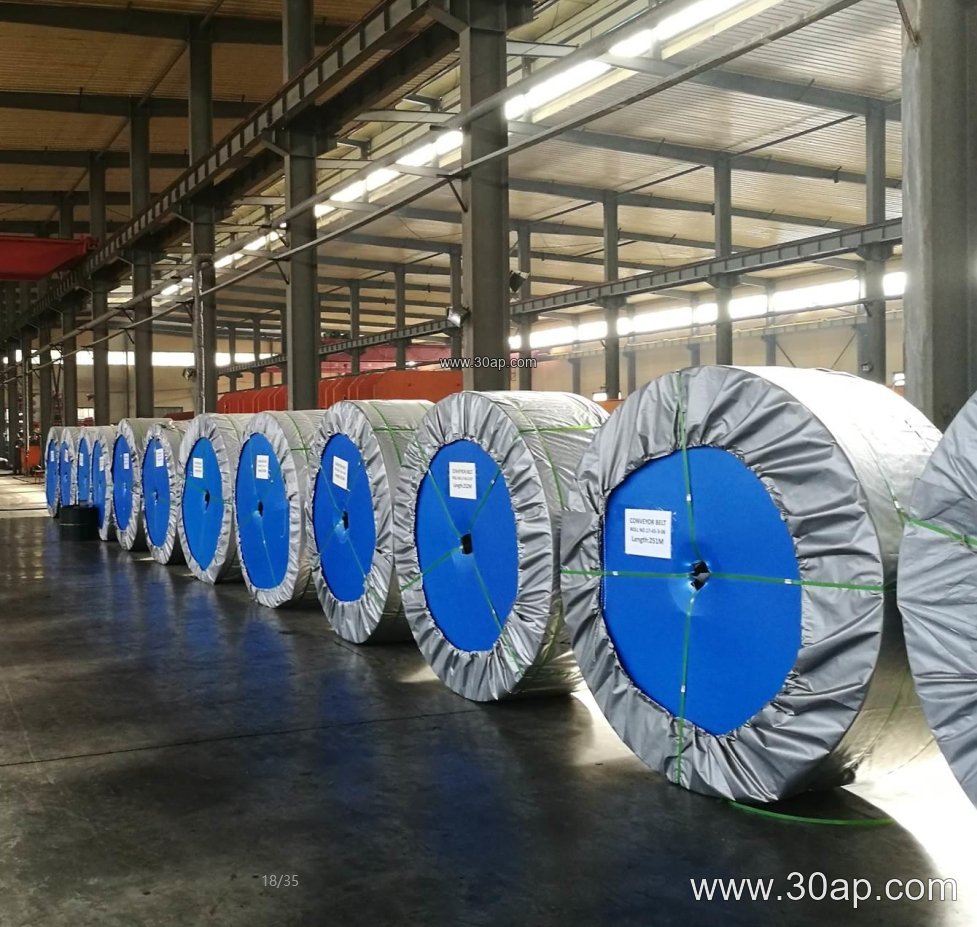
Specifications and Selection Guidance
ST1600 belts are available in various widths and cover thicknesses. The table below shows common reference values; actual dimensions are determined by the conveyor design and material characteristics.
| Parameter | Common reference values |
|---|---|
| Belt width | 800 mm, 1000 mm, 1200 mm, 1400 mm, 1600 mm, 1800 mm, 2000 mm |
| Cover thickness (top + bottom) | 4+2 mm, 5+2 mm, 6+2 mm, 8+3 mm |
| Cover grades | Abrasion resistant, heat resistant, flame retardant, oil resistant, cold resistant |
| Splice type | Vulcanized, stepped or finger splice |
When selecting an ST1600 belt, consider the maximum lump size, material temperature, and impact energy at transfer points. For high-impact areas, a thicker top cover or impact-resistant compound may be beneficial. If the conveyor runs underground in a coal mine, flame retardant and anti-static properties are often required. The belt width should be matched to the conveyor pulley face and the required capacity, but a given belt width does not dictate a single pulley diameter; the pulley size is calculated from belt tension and cord diameter.
Buyer Checklist
Before ordering an ST1600 conveyor belt, confirm the following:
- Required tensile strength and safety factor.
- Belt width and cover thickness suitable for the load.
- Cover compound for abrasion, heat, oil, or fire resistance.
- Splice method and site conditions for vulcanizing.
- Compatibility with existing conveyor pulleys, idler rollers, and brackets.
- Storage and handling requirements to avoid cord damage.
Proper installation and maintenance, including regular inspection of idler rollers and pulley lagging, help the ST1600 belt deliver reliable service in heavy-duty mining and industrial conveying systems.