What a Stone Crushing Conveyor Belt Does
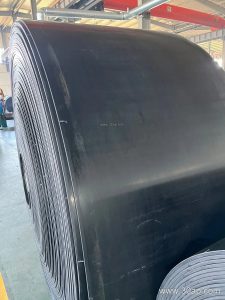
In a quarry, aggregate plant, or sand making line, the stone crushing conveyor belt links the primary crusher to screens, stockpiles, and loading points. It carries sharp, heavy, and often hot or dusty material, so the belt must resist cutting, abrasion, and impact while maintaining steady tracking. This article describes the common construction of a stone crushing conveyor belt, the parameters buyers should confirm, and practical maintenance points for harsh crushing environments.
Construction and Material Options
A typical stone crushing conveyor belt uses a fabric core or steel cord carcass covered with rubber. Fabric core belts are common in short to medium conveyors and are available in EP (polyester/nylon) or NN (nylon/nylon) constructions. Steel cord belts suit long, high-tension lines. The cover rubber grade depends on the duty: abrasion resistant rubber for crushed stone, heat resistant grades near hot clinker or asphalt, and flame retardant grades for coal or underground service where required.
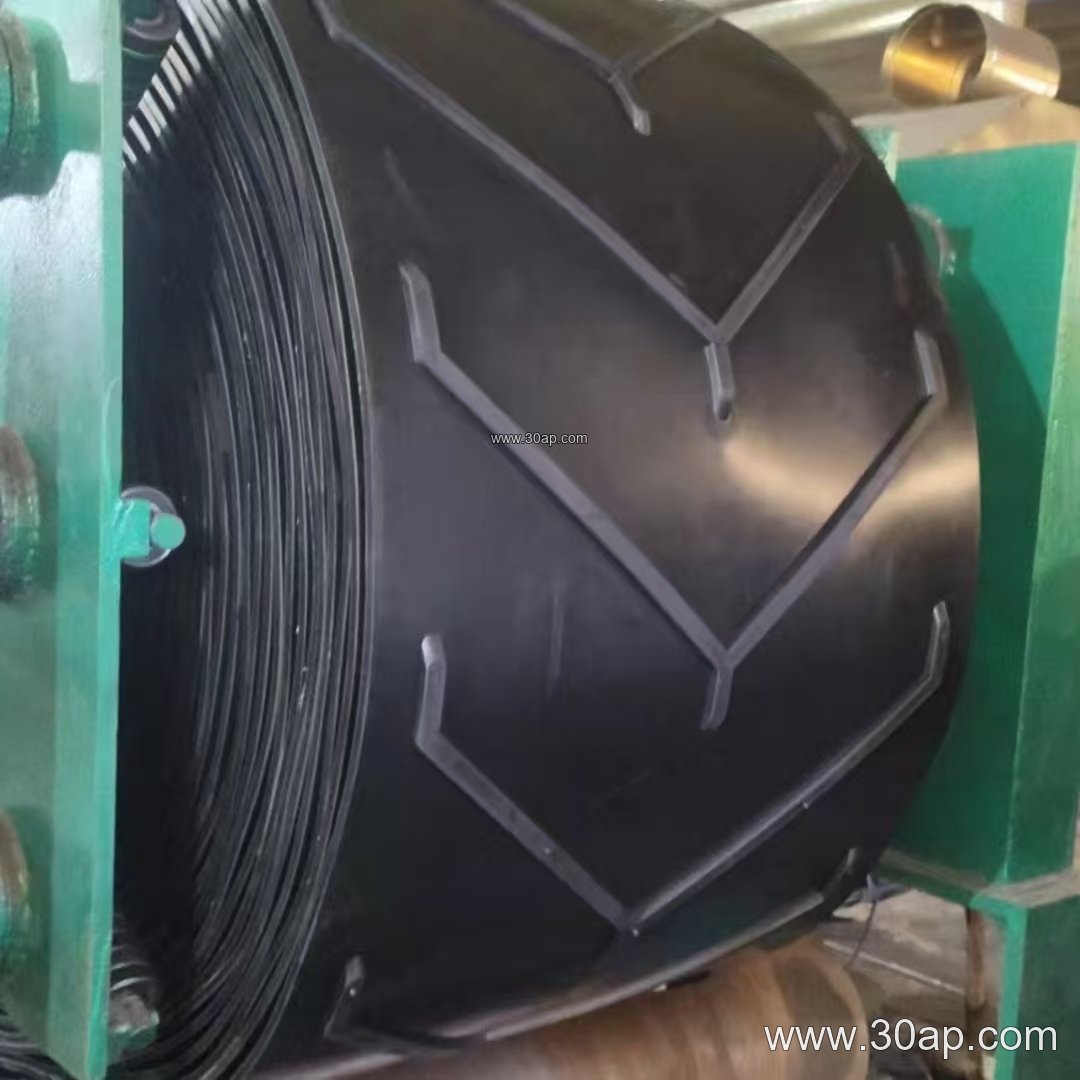
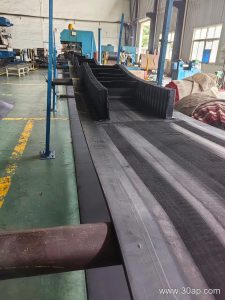
For steep inclines or material that tends to roll back, a chevron conveyor belt or a corrugated sidewall belt may be used. In dusty or enclosed transfer points, a skirted conveyor belt helps contain spillage. These are design choices, not replacements for the main belt type.
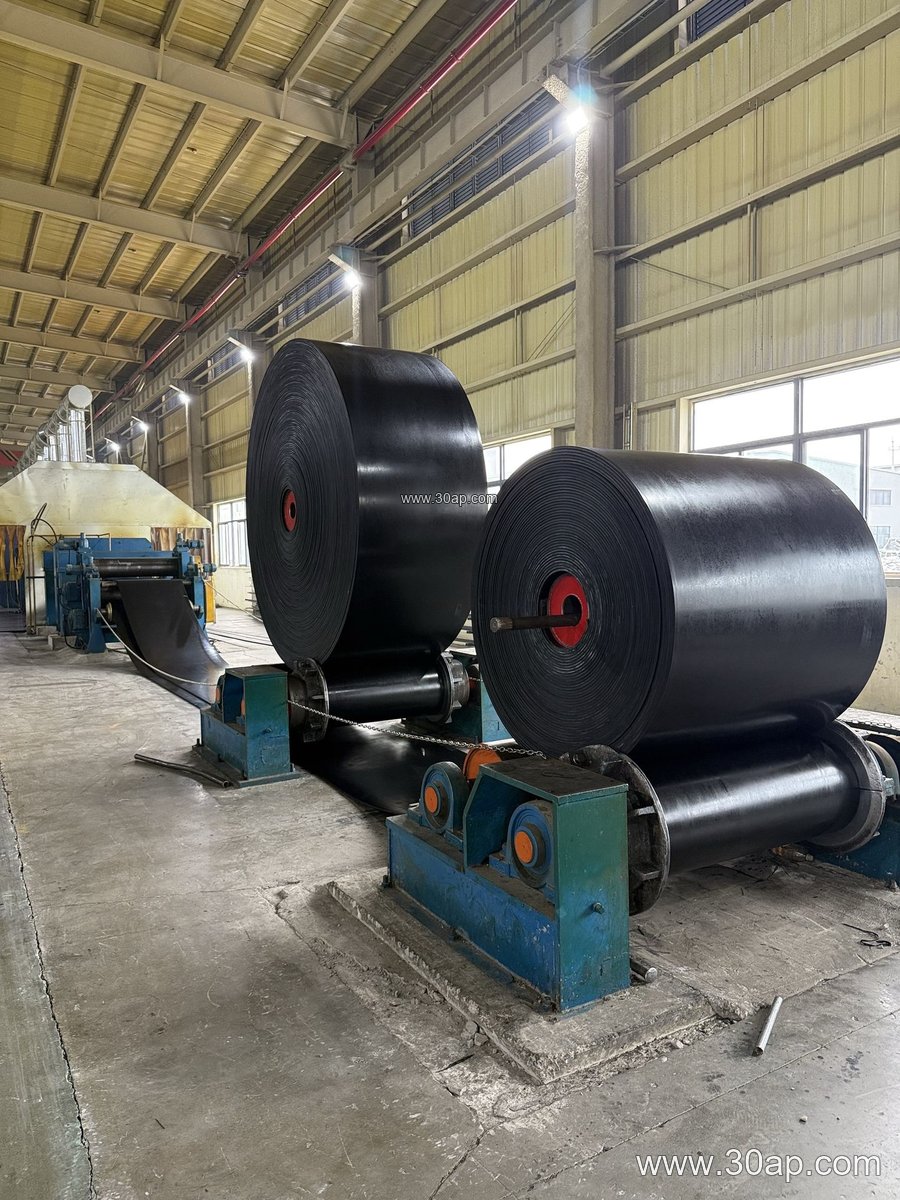
Common Specifications for Stone Crushing Service
Belt width, carcass strength, and cover thickness are selected together with the conveyor design. The table below lists typical values; final values are confirmed by the conveyor designer and belt manufacturer.
| Parameter | Common Reference Values | Notes |
|---|---|---|
| Belt width | B500, B650, B800, B1000, B1200, B1400, B1600, B1800, B2000 | Narrow belts for small plants; wide belts for high tonnage |
| Fabric core strength | EP200, EP315, EP400, EP500, EP630, EP800, EP1000, EP1250, EP1600, EP2000 | Selected by tension and safety factor |
| Steel cord strength | ST1000, ST1250, ST1600, ST2000, ST2500, ST3150 | For long, high-capacity lines |
| Cover thickness | 3+1.5, 4+2, 5+2, 6+2, 8+3 mm | Top cover + bottom cover; thicker top for impact |
| Number of plies | 2 to 6 | Depends on carcass type and required strength |
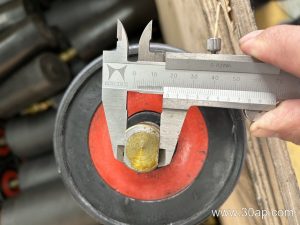
Other options include an abrasion resistant conveyor belt for sharp rock, a heat resistant conveyor belt near dryers or kilns, and an anti-static conveyor belt where static buildup is a concern. The same belt width can be paired with different pulley diameters and shaft sizes; these are determined by the conveyor frame and drive design, not by belt width alone.
Where It Fits in the Crushing Circuit
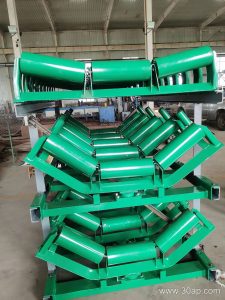
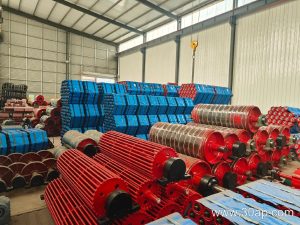
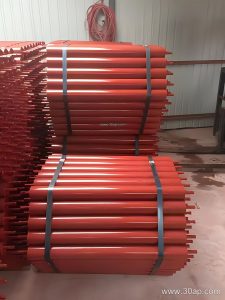
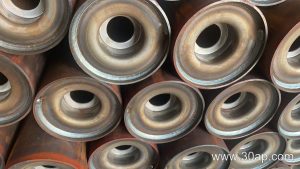
In a sand and gravel plant, the stone crushing conveyor belt usually runs from the crusher discharge to a vibrating screen. In a cement plant, belts move limestone and clinker; in a coal mine or power plant, flame retardant and anti-static grades may be required. Iron ore, copper ore, and gold mining operations often choose heavy-duty mining conveyor belt constructions with thick covers. The belt works with conveyor pulleys, idler rollers, and conveyor brackets, and the alignment of these components affects belt life as much as the belt itself.
Buyer Checklist
- Confirm the material size, drop height, and temperature at the loading point.
- Check the required belt width and carcass strength from the conveyor design, not from a single rule of thumb.
- Specify cover thickness and rubber grade for abrasion, heat, oil, or flame resistance as needed.
- Ask for the splice method and edge condition that suit the installation.
- Review pulley and idler roller alignment to avoid edge damage and mistracking.
Maintenance Notes
Inspect the stone crushing conveyor belt for cuts, cover wear, and splice integrity. Keep idler rollers turning freely and check that conveyor pulleys are aligned. Clean spillage at transfer points and adjust skirt rubber if material escapes. For a chevron or corrugated sidewall belt, check cleat and sidewall wear separately. Records of cover thickness and splice condition help plan replacement before a failure stops the crushing line.