What Is an EP800 Conveyor Belt
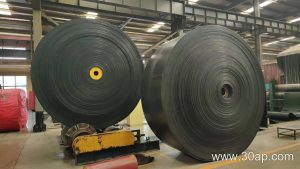
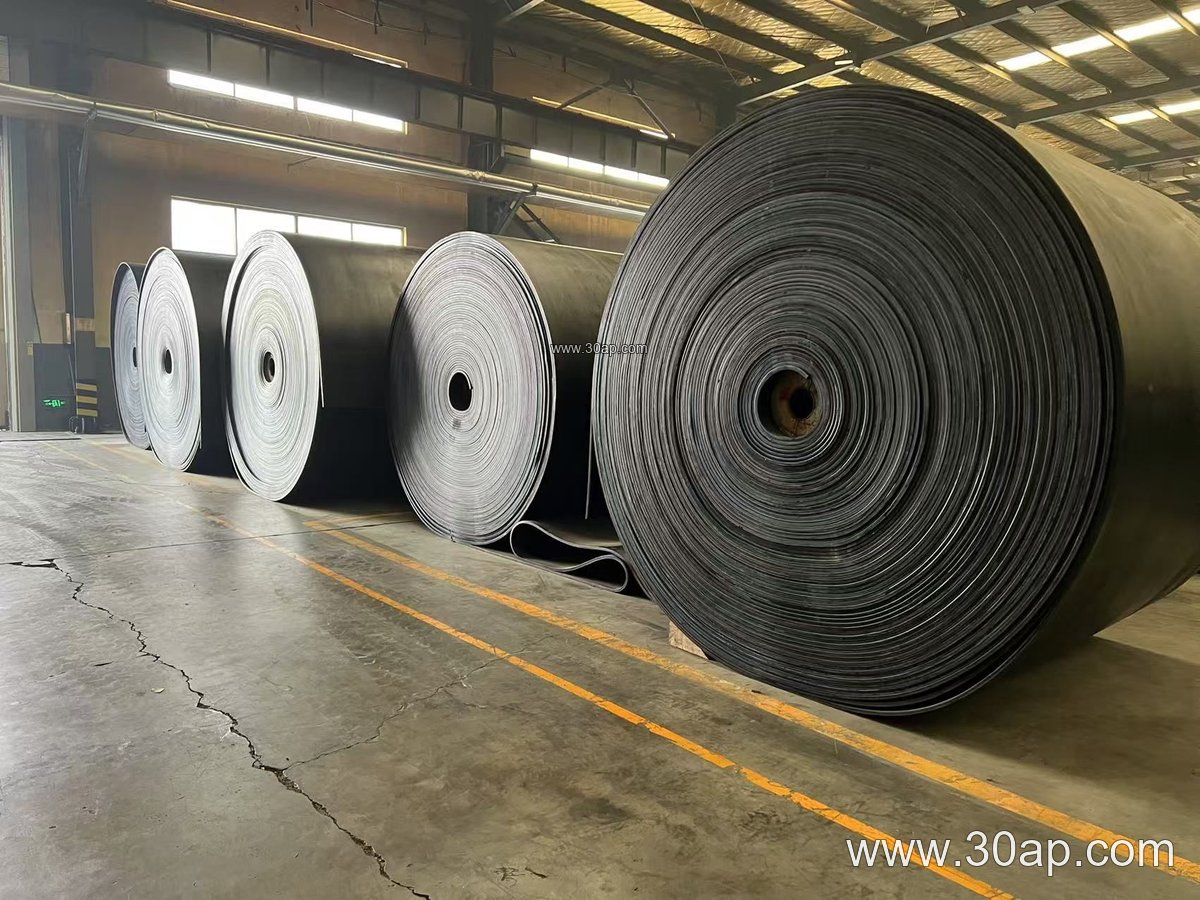
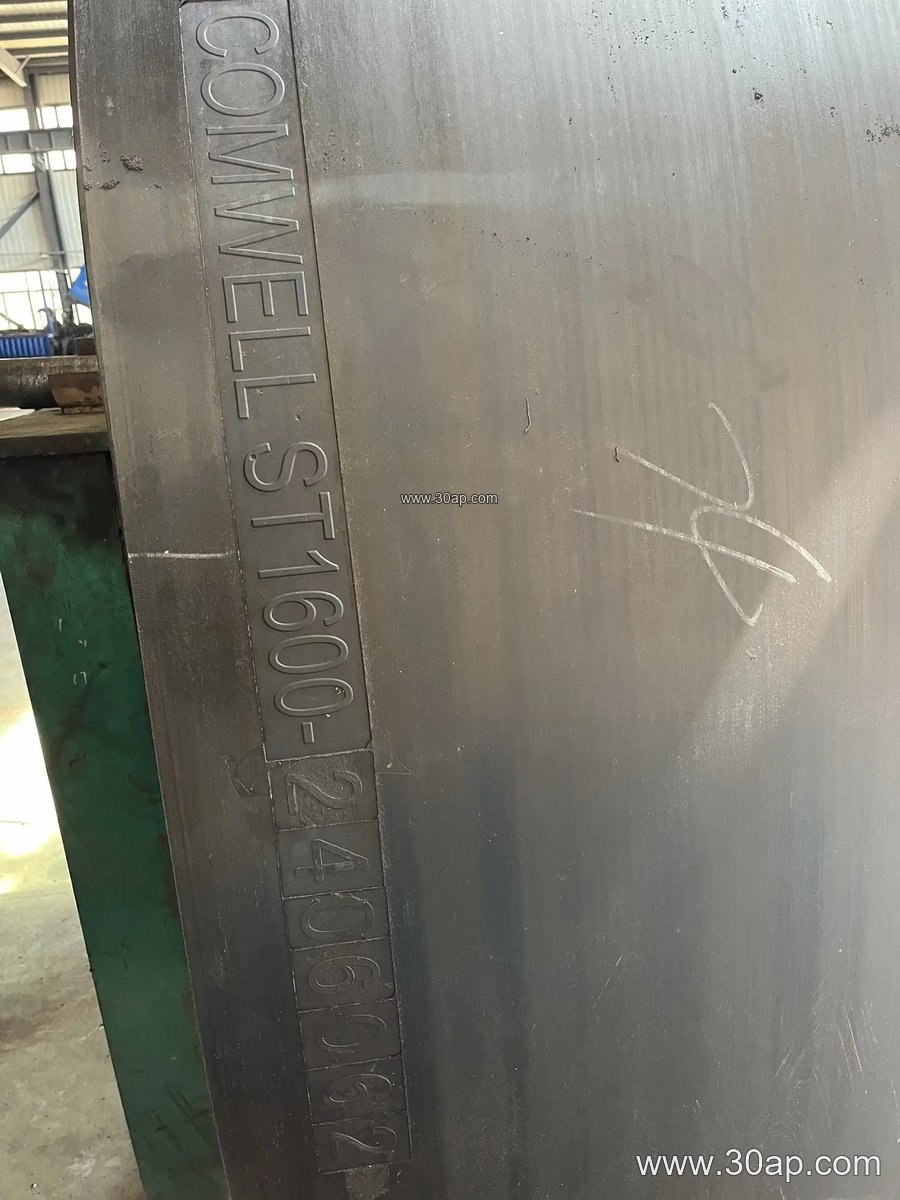
An EP800 conveyor belt is a fabric-core belt built with polyester and nylon (EP) warp and weft yarns in the carcass. The number 800 refers to the nominal tensile strength of the belt, typically expressed in newtons per millimeter of width. This places it in the mid-to-high strength range of EP belts, making it suitable for demanding conveying tasks where moderate to heavy loads are moved over long distances. As a type of EP Conveyor Belt, it is also known as an EP fabric core conveyor belt, and it balances strength, flexibility, and cost effectively. The belt is often chosen when a steel cord belt would be overkill and a lighter fabric belt would not provide enough tension capacity.
Construction and Components
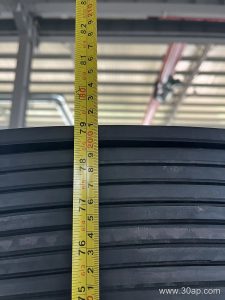
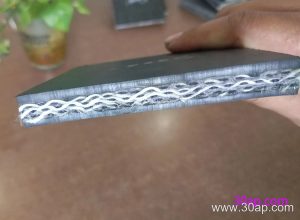
The EP800 conveyor belt consists of several layers. The carcass is made of multiple plies of EP fabric, typically 2 to 6 layers depending on the required strength and application. These plies are bonded with rubber compound and covered with top and bottom rubber covers. The cover thickness is selected based on the material being conveyed and the operating conditions. Common cover thickness combinations include 3+1.5 mm, 4+2 mm, 5+2 mm, 6+2 mm, and 8+3 mm. The rubber covers can be formulated for abrasion resistance, heat resistance, oil resistance, flame retardancy, or anti-static properties, among others. The belt edges are usually protected with rubber to prevent fraying and to improve tracking. The overall construction gives the EP800 belt good impact resistance and the ability to handle lumps and sharp materials without excessive damage.
Typical Applications and Industries
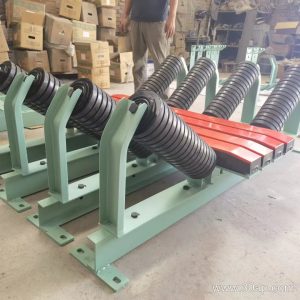
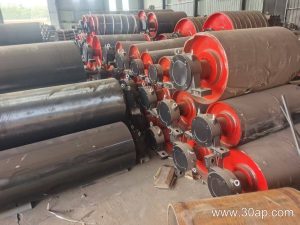
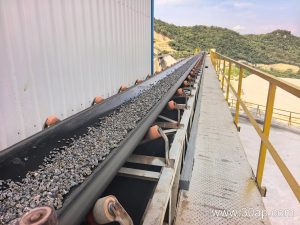
EP800 conveyor belts are widely used in industries that handle bulk materials. In mining operations, including coal mining and ore transport, these belts carry crushed rock, coal, and minerals. The Mining Conveyor Belt variant often features flame retardant and anti-static properties for underground use. In cement plants, EP800 belts transport clinker, limestone, and cement additives. Power plants use them for coal handling. Quarries and sand and gravel operations rely on Quarry Conveyor Belt and aggregate conveyor belts for moving stone and sand. Steel plants, ports, and ship loading facilities also employ EP800 belts for efficient material transfer. The belt’s strength makes it suitable for inclined conveyors and long horizontal runs where high tension is required. It can be paired with conveyor pulleys, idler rollers, and conveyor brackets to form a complete conveying system.
Key Specifications and Selection Factors
When selecting an EP800 conveyor belt, several parameters need consideration. The belt width is a primary factor and should match the conveyor system’s capacity and the pulley dimensions. Common widths include 500 mm, 650 mm, 800 mm, 1000 mm, 1200 mm, 1400 mm, 1600 mm, 1800 mm, and 2000 mm. The belt width does not dictate a single pulley diameter; rather, the pulley diameter is selected based on the belt’s ply construction, tension, and the system design. Other factors include the number of plies, cover thickness, and rubber compound properties. For instance, a belt with 5+2 mm covers might be used for moderately abrasive materials, while 8+3 mm covers are chosen for high abrasion conditions. The table below summarizes typical EP800 belt configurations, but these are examples and not fixed combinations.
| Parameter | Common Options |
|---|---|
| Belt width | 500, 650, 800, 1000, 1200, 1400, 1600, 1800, 2000 mm |
| Number of plies | 2 to 6 |
| Cover thickness (top+bottom) | 3+1.5, 4+2, 5+2, 6+2, 8+3 mm |
| Rubber type | Abrasion resistant, heat resistant, oil resistant, flame retardant, anti-static, cold resistant |
Buyers should also consider the operating environment. For high-temperature materials such as cement clinker, a Heat Resistant Conveyor Belt grade is necessary. In coal mines, flame retardant and anti-static properties are critical. For oily materials, an oil resistant cover prolongs belt life. The EP800 belt can be supplied with chevron or cleated surfaces for inclined conveying, or with corrugated sidewalls for steep inclines. These variations are available but should be specified according to the application. It is important to consult with the belt manufacturer or supplier to ensure the selected belt meets the specific load, speed, and environmental requirements.
Maintenance and Installation Notes
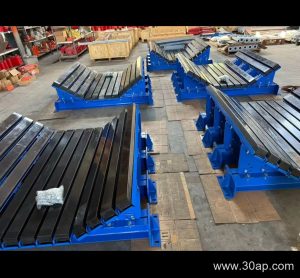
Proper installation and maintenance extend the service life of an EP800 conveyor belt. Ensure that the belt is correctly tensioned and aligned to prevent edge damage and mistracking. Regular inspection of the belt surface for cuts, gouges, and wear is recommended. The conveyor pulleys and idler rollers should be kept in good condition; worn idlers can cause belt damage. The conveyor brackets should be sturdy and properly aligned to support the idlers. When splicing the belt, use the correct splice method and materials to maintain strength. For high-abrasion applications, consider using a belt with a thicker cover or adding a wear-resistant layer. Following the manufacturer’s guidelines for installation, operation, and maintenance will help achieve reliable performance. For more information on EP800 conveyor belts and related components such as conveyor idlers and pulleys, visit our website at www.beltconveyorparts.com.
Comparison with Other Belt Types
While the EP800 belt offers a good balance of strength and flexibility, other belt types may be more suitable for specific conditions. Steel cord conveyor belts, for example, provide higher strength for very long distances and heavy loads, but they are stiffer and require larger pulley diameters. NN conveyor belts use nylon fabric and offer high elasticity, which can be advantageous in certain impact applications. PVC and PVG belts are often used in underground coal mining for their flame resistance and anti-static properties. However, the EP800 belt remains a versatile choice for many industrial conveying needs where a fabric core belt with substantial strength is required. The key is to match the belt specifications to the actual operating conditions and material characteristics.