What a Nylon Idler Is and Why It Is Used
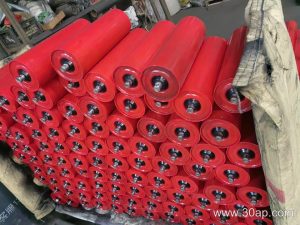
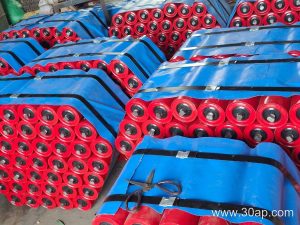
A nylon idler is a conveyor idler roller whose outer shell is made from nylon rather than steel, rubber, or ceramic. In everyday plant language it is also called a nylon idler roller or nylon conveyor roller, and it sits under or beside the conveyor belt on a conveyor bracket, supporting the belt and the material it carries while the belt moves. The nylon surface is the defining feature: it is smooth, light, and resistant to abrasion and moisture, which makes it useful where steel shells would rust, wear quickly, or damage a sensitive belt cover.
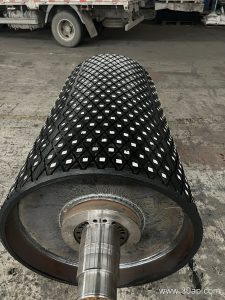
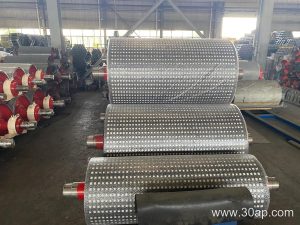
It is not a drive pulley, a tail pulley, or a bend pulley. Those are pulleys that transmit motion or change belt direction. A nylon idler only carries the belt. That difference matters when you order replacement parts, because a nylon roller cannot replace a drive pulley and a pulley cannot replace an idler.
How It Is Built
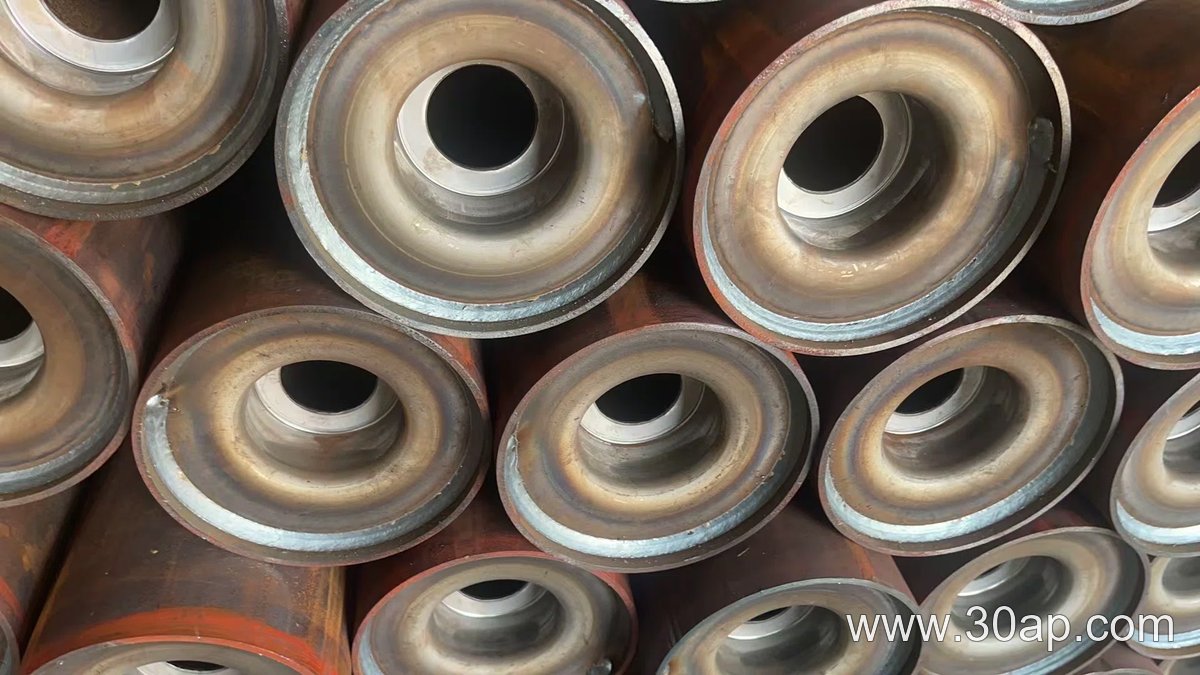
The body is a nylon shell fitted over a steel shaft, with bearings seated at each end and a sealing arrangement to keep dust and fine particles out. Common bearing sizes include 6204, 6205, 6305, 6306, 6308, and 6310, selected according to load and speed rather than matched to one roller diameter. The nylon shell may be plain or profiled, and in some designs it is combined with rubber rings for impact absorption. Roller diameters are usually chosen from a range such as Ø63, Ø76, Ø89, Ø102, Ø108, Ø127, Ø133, Ø159, Ø178, Ø194, and Ø219 mm, but the final choice depends on belt width, belt speed, load, and the conveyor frame.
Where Nylon Idlers Fit on a Conveyor
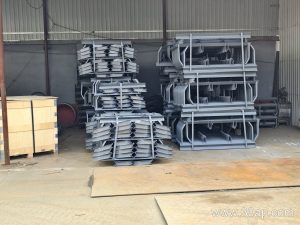
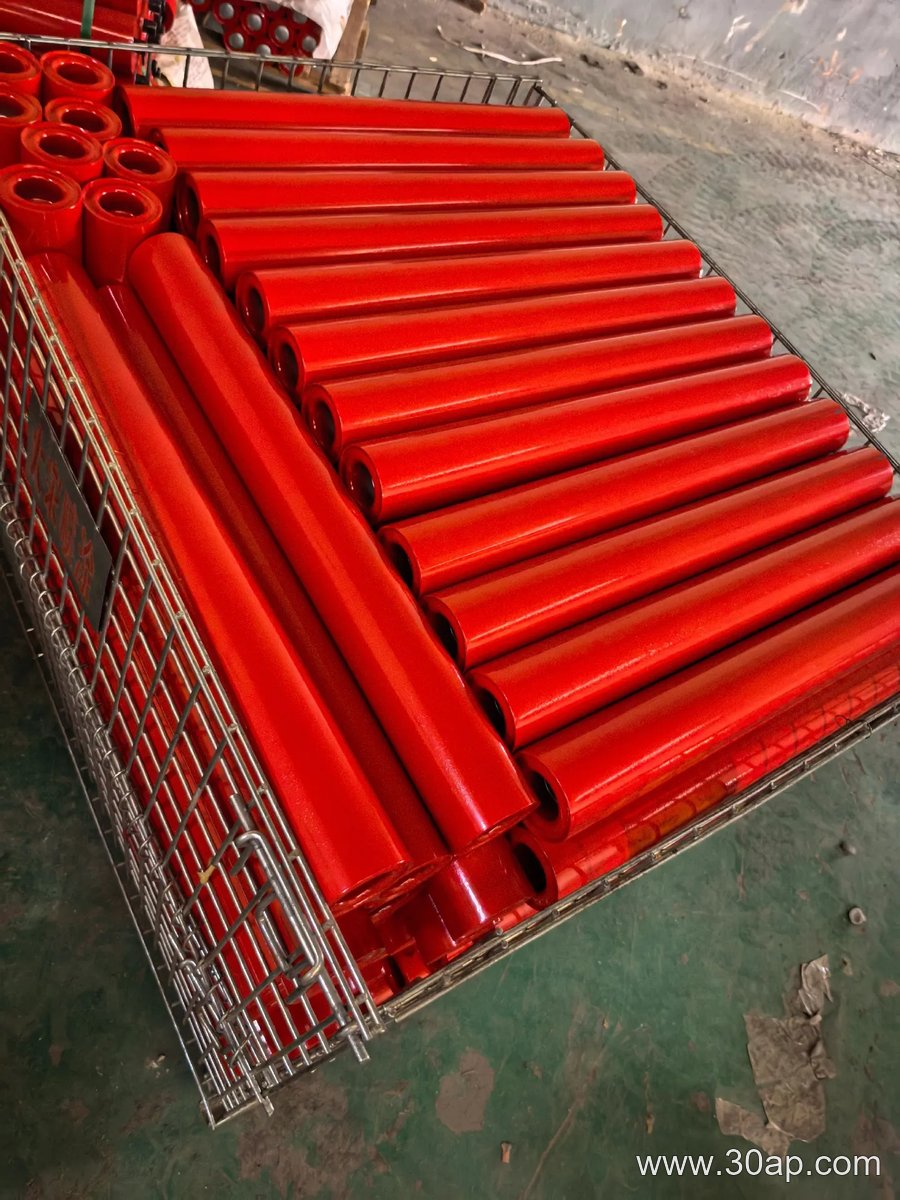
These rollers appear in carrying, impact, and return positions. In a three-roll troughing set they form the familiar trough shape that keeps bulk material centered on the belt. Trough angles of 20, 30, 35, and 45 degrees are common, and a slight forward tilt of about 1.5 to 2 degrees is sometimes used on training idlers to help the belt track. A nylon idler can also be used as a flat return roller, a V-return roller, or a spiral roller, depending on the duty.
Applications tend to be those where corrosion, sticking, or belt wear is a concern. In a limestone quarry, for example, fine dust and moisture can attack steel shells, while in a grain or fertilizer handling line a smooth nylon surface helps avoid product buildup. A concrete batching plant is another place where light, corrosion-resistant rollers are appreciated. The same roller may be used in a port conveyor or a power plant coal line, provided the load and speed are within its design range.
Choosing the Right Nylon Idler
Selection starts with the conveyor, not with the roller alone. Belt width and trough angle determine the roll length and the number of rolls in the set. For a three-roll troughing station, typical roll lengths are roughly 200 mm at B500, 250 mm at B650, 315 mm at B800, 380 mm at B1000, 465 mm at B1200, 530 mm at B1400, 600 mm at B1600, 670 mm at B1800, and 750 mm at B2000. These are common examples only; side rolls and center rolls can differ, and no single belt width is tied to only one pulley diameter or shaft size.
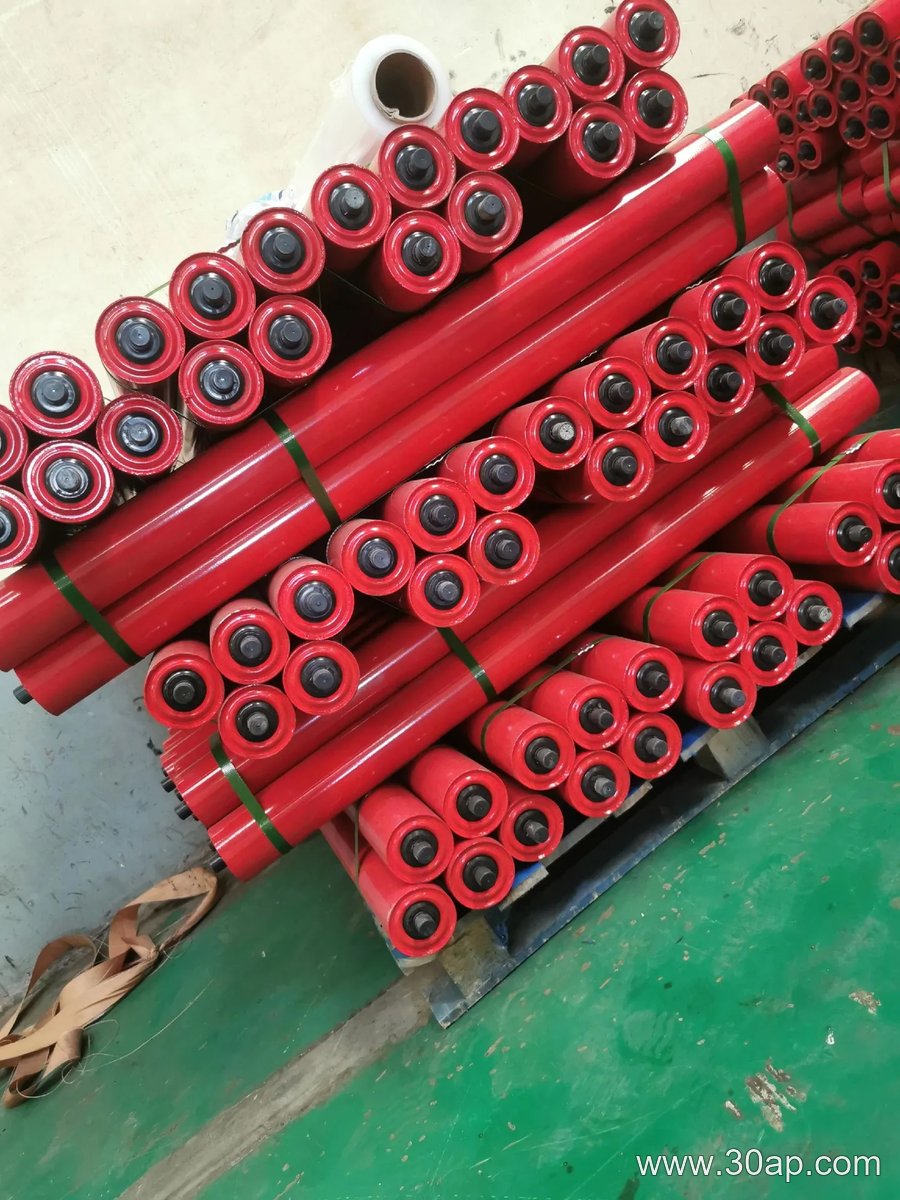
Bearings, sealing, and shaft diameter should be confirmed against the actual load and environment. A dusty quarry may need better sealing than a clean grain line. A high-speed belt may need a larger roller diameter to keep the bearing speed within limits. If impact is heavy at the loading point, a rubber-ring impact idler may be a better fit than a plain nylon roller, and the two can be compared directly for that position.
Maintenance and Buyer Checklist
- Confirm the roller is an idler, not a drive, tail, or bend pulley.
- Check shell material and wall thickness for the expected wear.
- Match bearing size and seal type to the dust and moisture level.
- Verify roll length and trough angle against the belt width and frame.
- Inspect for smooth rotation and free running before installation.
Nylon idlers are a practical choice when corrosion resistance, light weight, and smooth belt contact matter. They are not a universal answer for every conveyor, and the right specification still comes from the belt width, load, speed, and operating environment.