What a Drive Lagged Pulley Does
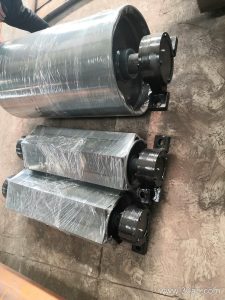
A drive lagged pulley is the powered pulley at the head of a conveyor that transmits motion to the belt. Its lagging — a rubber or ceramic layer bonded to the shell — raises friction between pulley and belt so the drive can pull without slipping. In quarry, cement, and coal mining conveyor systems, this component is often called a head pulley with lagging or a lagged drive drum. It is not the same as a tail pulley or a bend pulley; those serve different positions and duties. The drive lagged pulley works together with the conveyor belt, carrying the main traction load.
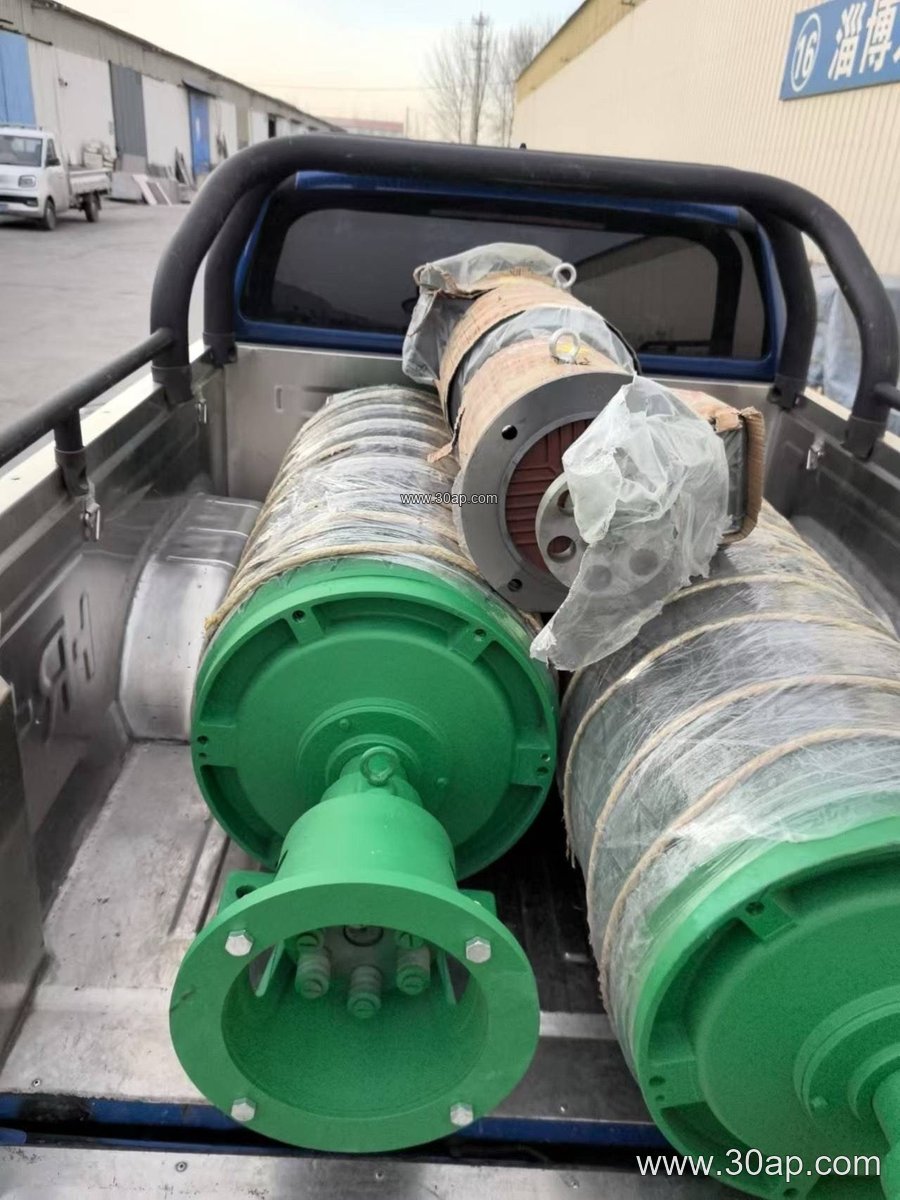
Construction and Surface Options
The pulley body is usually a welded steel drum with machined end discs and a shaft sized by torque and load, not by belt width alone. Common shaft diameters include Ø80, Ø100, Ø120, Ø140, and Ø160, with larger sizes for heavy-duty drives. Lagging is applied in several forms: plain rubber, cold-bonded rubber, hot-vulcanized rubber, diamond groove, herringbone groove, and ceramic tile. Thickness commonly ranges from 8 mm to 20 mm. Diamond or herringbone patterns help shed water and fines, which is useful in wet or dusty conditions. Ceramic lagging can suit high-traction demand where abrasive material is present.
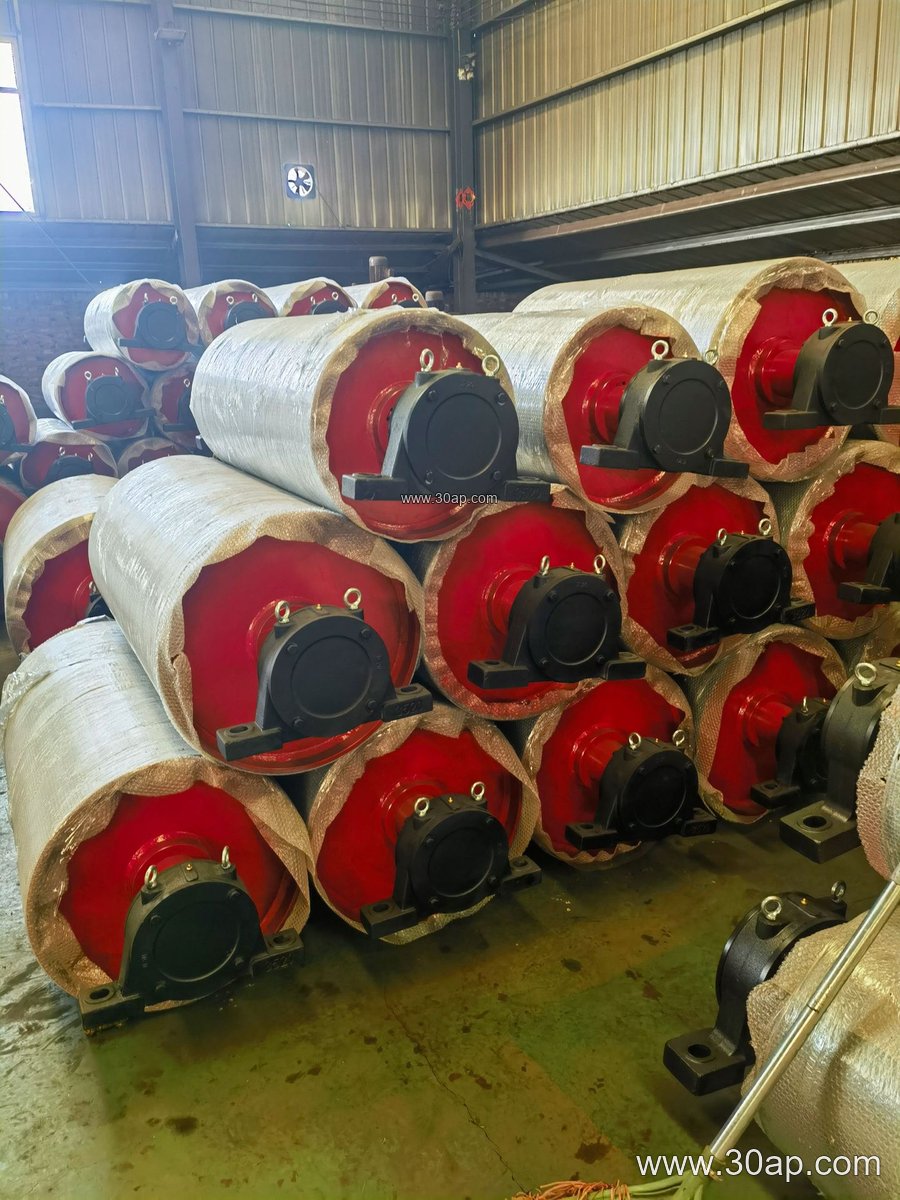
Matching Belt Width and Pulley Size
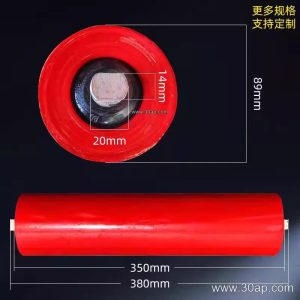
Face width is normally wider than the belt. For example, B800 may use a face around 950 mm, B1000 around 1150 mm, and B1200 around 1400 mm. Diameter is selected from belt tension, wrap angle, and shaft load; a B1200 belt might run on a Ø1000 drive pulley in one design and a different diameter in another. Do not assume one belt width locks to one diameter. Typical combinations include B800 × Ø500, B1200 × Ø1000, and B1400 × Ø800, but these are references, not fixed rules. The conveyor pulley shaft diameter must be confirmed from drive torque and bearing load.
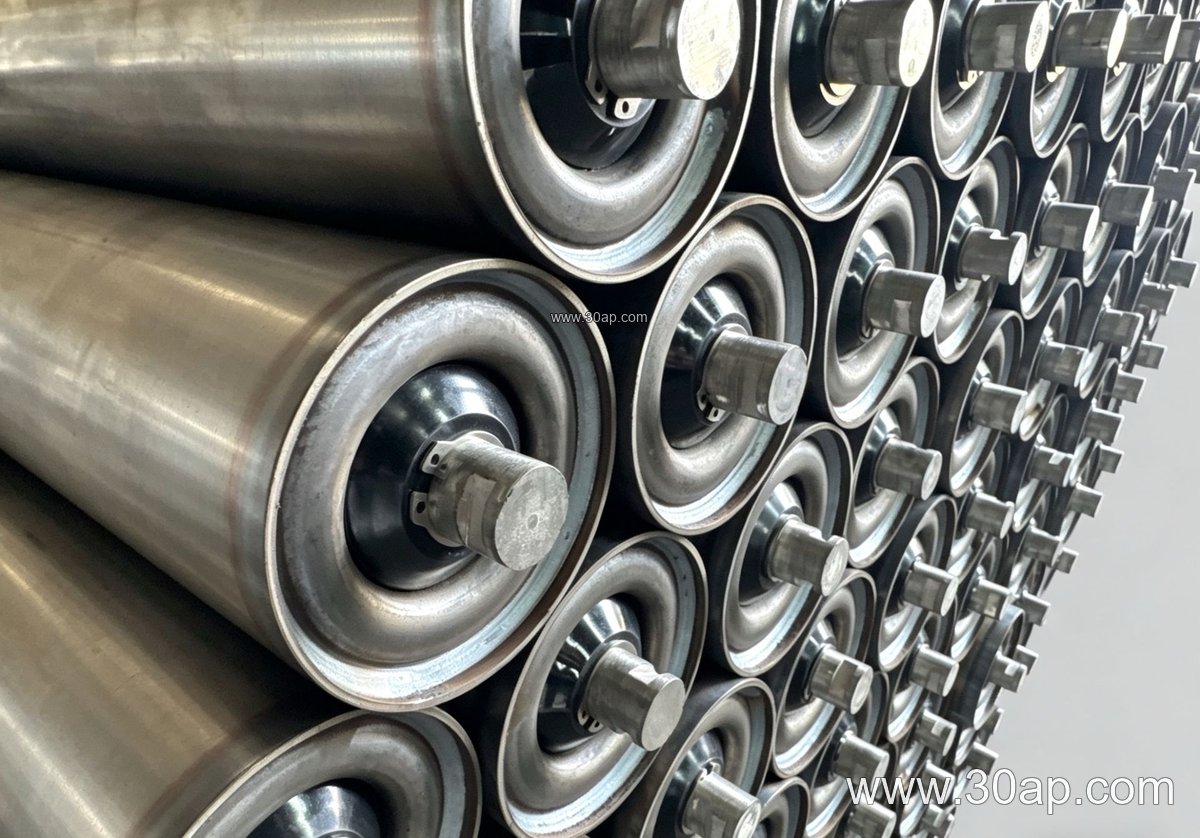
Where It Is Used
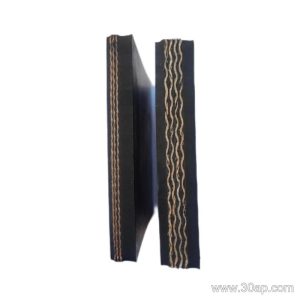
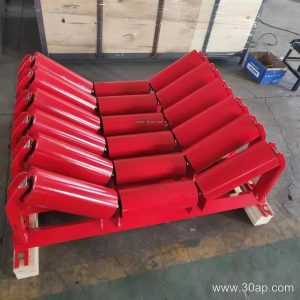
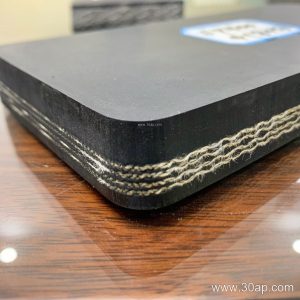
Drive lagged pulleys appear in limestone quarries, iron ore plants, coal washing stations, and aggregate crushing lines. In a sand and gravel plant, the head drive must keep a rubber conveyor belt moving under constant load and dust. In a cement plant, clinker conveyors may use heat-resistant belting, and the lagging must tolerate warm fines. In a power plant coal yard, flame-retardant belting is common, and the drive pulley should be paired with a reliable lagging surface. The pulley also works with idler roller sets and conveyor brackets to keep belt alignment stable.
Buyer Checklist
- Confirm the pulley position: head drive, not tail or bend.
- State belt width and expected belt type, such as EP, NN, or steel cord.
- Provide operating tension and wrap angle so diameter and shaft can be checked.
- Choose lagging pattern for the environment: diamond for wet, ceramic for high abrasion.
- Check face width, lagging thickness, and shaft diameter against the conveyor frame.
- Plan maintenance access; lagging wear affects traction and belt life.
A drive lagged pulley is a focused component, but its selection affects the whole conveyor. Whether the plant handles EP conveyor belt or steel cord conveyor belt, the drive pulley should be specified with the belt and load in mind. For abrasive stone lines, an abrasion resistant conveyor belt and properly lagged drive pulley form a practical pairing.