What a Cement Conveyor Idler Does on the Line
A cement conveyor idler is the rotating support that carries the conveyor belt and the material loaded on it. In a cement plant, the same basic component appears along clinker transport, raw meal feed, limestone intake and finished cement dispatch. The idler roller turns with the belt, keeps the belt profile stable and limits friction between the belt and the supporting frame. Because cement duty combines fine dust, abrasive clinker and often hot material, the idler has to be chosen for the section where it works rather than treated as a generic roller.
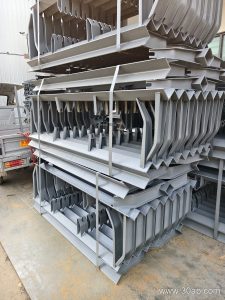
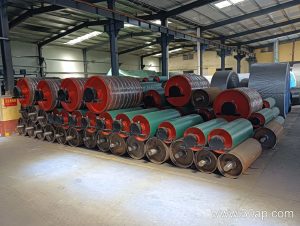
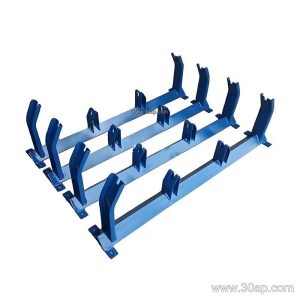
Typical installations include three-roll troughing sets on the carrying side, flat or V-shaped returns underneath, and impact rolls below crusher discharge points. Quarry and aggregate lines feeding a cement kiln use similar hardware, so a cement conveyor idler is often specified together with the conveyor bracket and conveyor pulley layout.
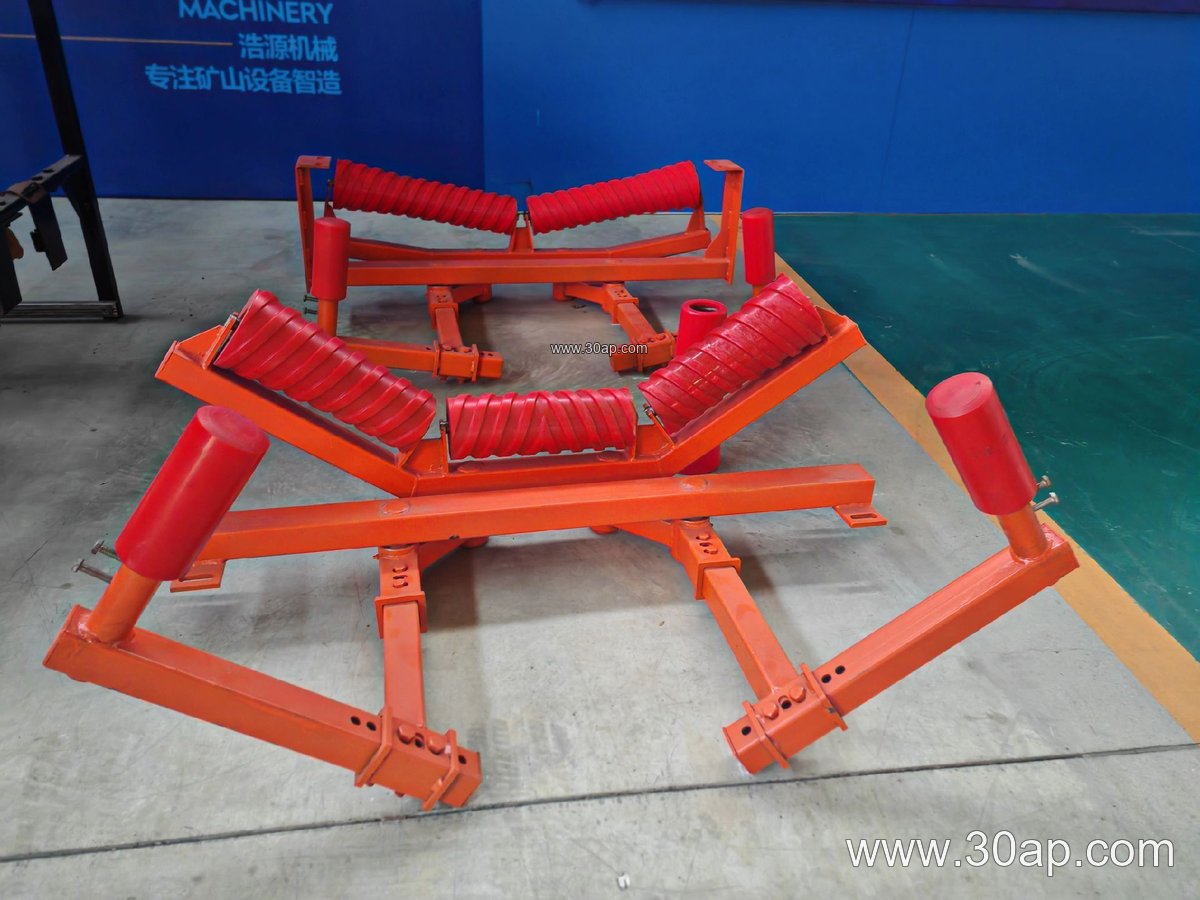
Construction Details That Matter
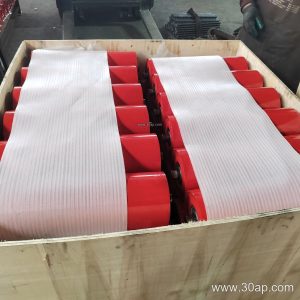
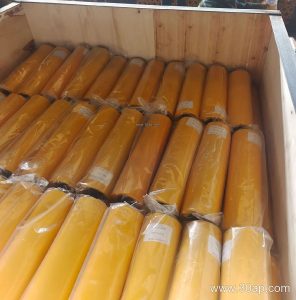
The shell is usually a steel tube with machined ends, fitted with bearing housings and a sealed bearing cavity. Roller surfaces may be plain steel, nylon, ceramic or rubber rings; rubber rings are common where impact and wear are heavy. Bearing selection is normally matched to load and speed, with common sizes including 6204, 6205, 6305, 6306, 6308 and 6310. The seal design matters as much as the bearing itself in dusty cement service, because fine powder that reaches the bearing shortens life quickly.
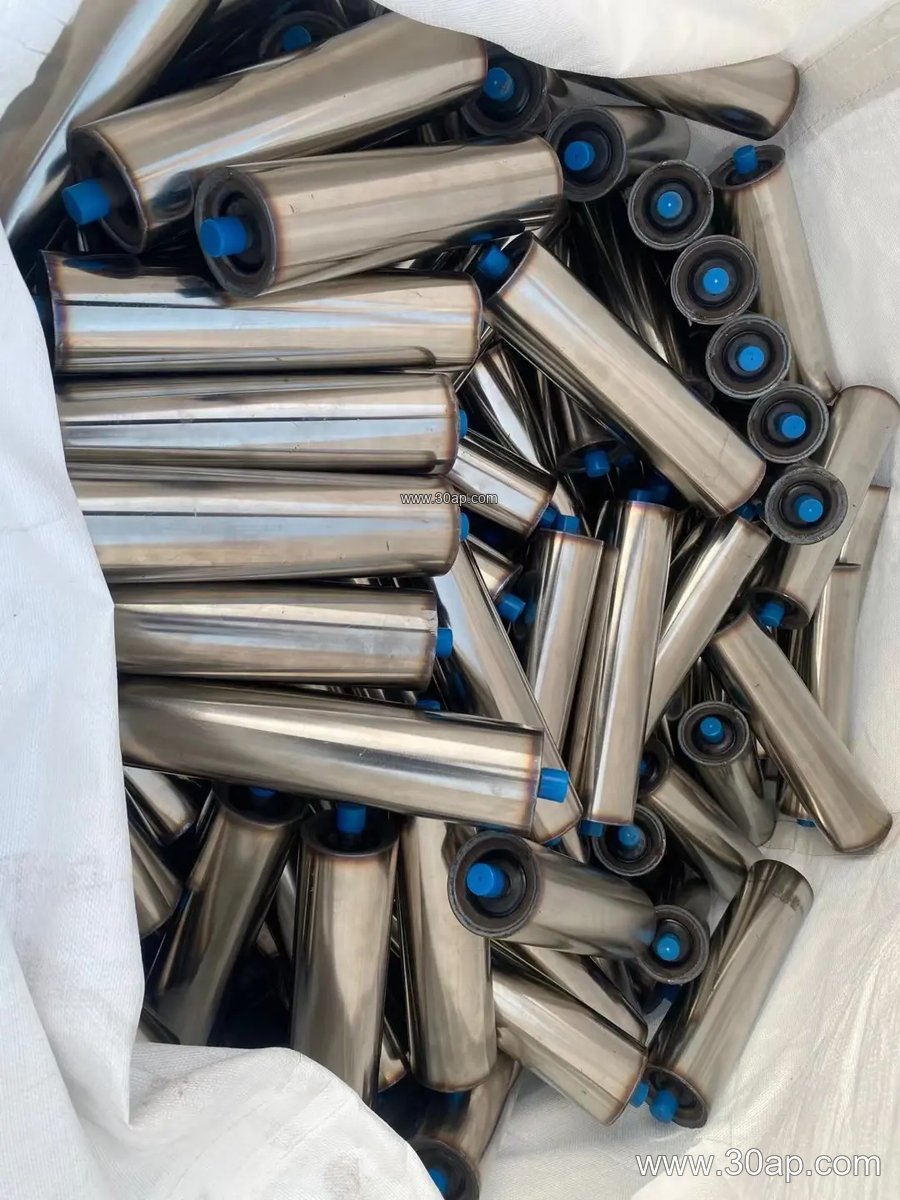
- Shell material and wall thickness affect wear life and weight.
- Sealing arrangement controls dust and water ingress.
- Bearing size and lubricant choice follow load and speed.
- Shaft ends and bracket fit must match the existing frame.
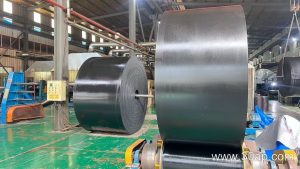
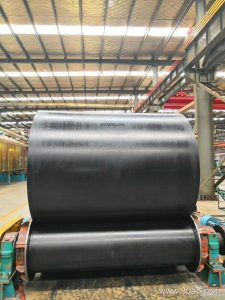
The belt itself also influences idler choice. A heavy abrasion resistant conveyor belt or a steel cord conveyor belt used on long overland runs may call for larger roller diameters and closer spacing than a short transfer line. Where material is hot, heat resistant conveyor belt grades and heat-tolerant idler lubrication should be considered together.
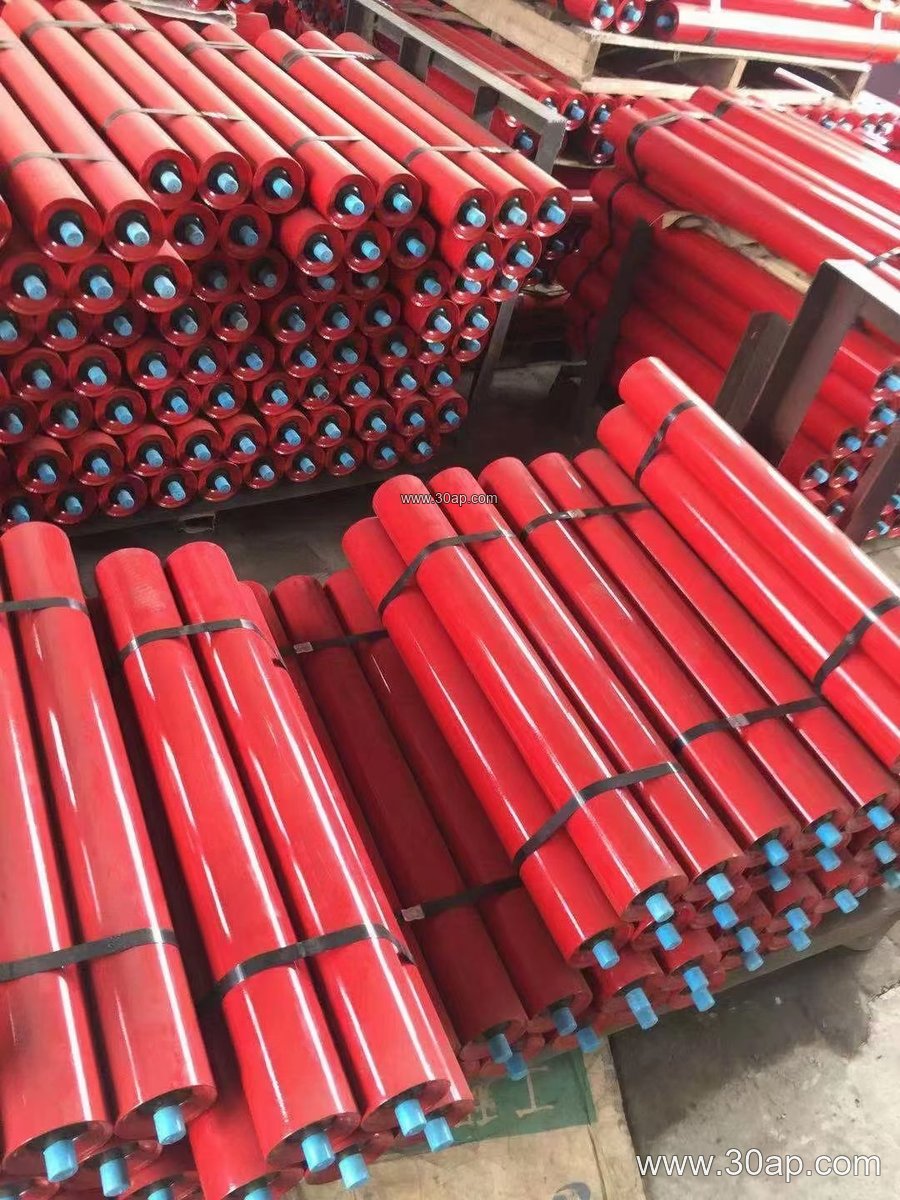
Common Diameters and Belt Widths
Roller diameter is selected from belt width, load and speed. Common diameters include Ø63, Ø76, Ø89, Ø102, Ø108, Ø127, Ø133, Ø159, Ø178, Ø194 and Ø219 mm. Belt widths in cement and quarry duty commonly range from B400 to B2400. The table below shows reference values only; actual combinations are set by the conveyor designer.
| Belt width | Typical three-roll idler length (example) | Common trough angle |
|---|---|---|
| B500 | about 200 mm | 20 to 35 degrees |
| B650 | about 250 mm | 20 to 35 degrees |
| B800 | about 315 mm | 30 to 35 degrees |
| B1000 | about 380 mm | 30 to 45 degrees |
| B1200 | about 465 mm | 30 to 45 degrees |
| B1400 | about 530 mm | 35 to 45 degrees |
| B1600 | about 600 mm | 35 to 45 degrees |
| B1800 | about 670 mm | 35 to 45 degrees |
Side rolls and centre rolls may differ in length, and the figures above are common examples rather than fixed pairings. A wider belt does not automatically dictate one pulley diameter either; the conveyor pulley, drive and take-up are engineered as a system.
Where Each Idler Type Fits
Troughing idlers support the loaded belt and are usually supplied as single-roll, two-roll or three-roll sets. Transition idlers ease the belt from flat to troughed profile near pulleys. Return idlers support the empty strand, with flat and V-shaped forms common. Impact idlers with rubber rings sit under crusher and transfer chutes. Self-aligning idlers, including friction and tapered types, help correct belt wander on long runs. Spiral idlers are sometimes used where sticky material builds up on the return side.
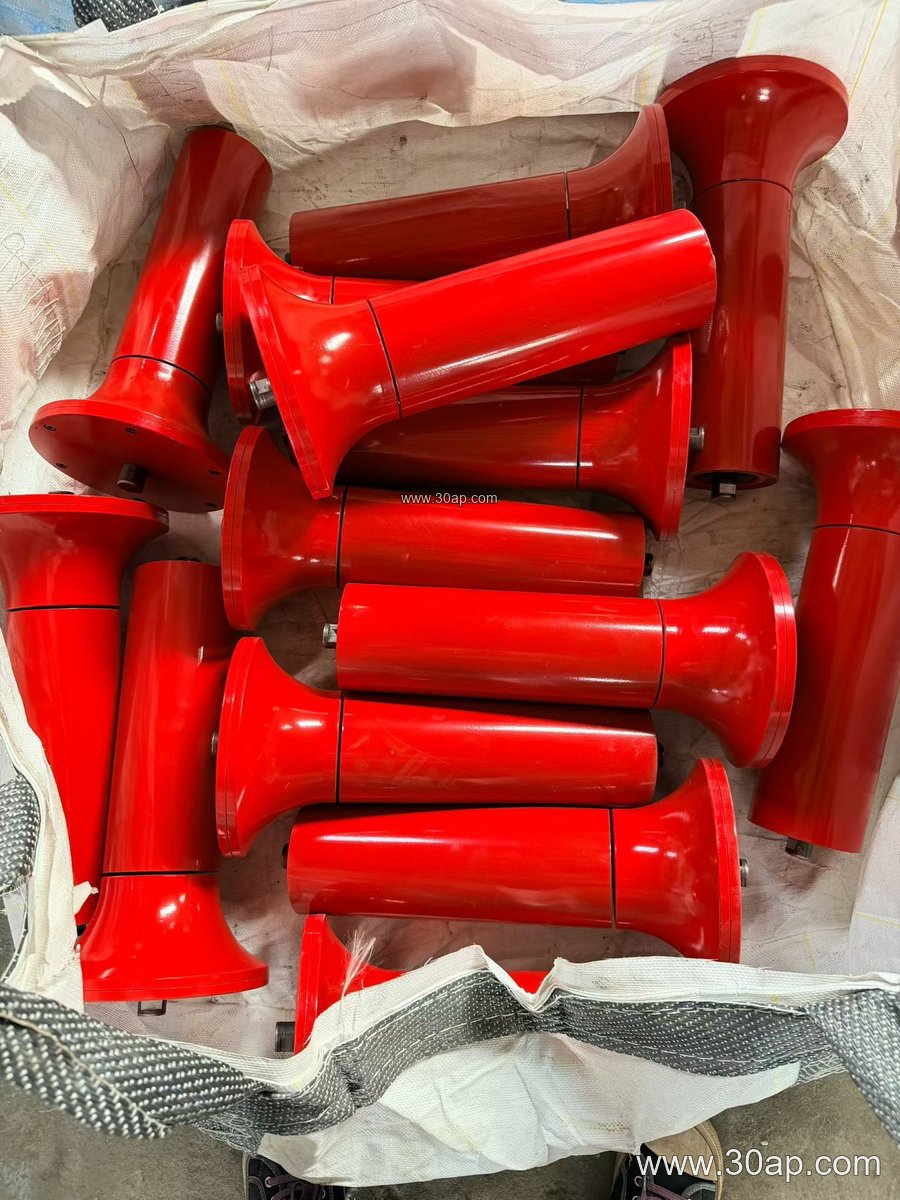
Selection should follow the duty: a cement plant conveyor idler under a clinker cooler sees different heat and abrasion than one on a limestone stockpile line. Matching roller surface, seal and bearing to that duty is more useful than choosing by price alone.
Buyer Checklist
- Confirm belt width, trough angle and existing bracket dimensions.
- State the material, temperature and dust level at the installation point.
- Check roller diameter, shaft end type and bearing size against the frame drawing.
- Ask how the seal is arranged and what lubricant is used.
- Keep spare rollers for impact and transition positions, where failures are most disruptive.
Regular inspection of idler rotation, seal condition and belt tracking prevents small roller problems from becoming belt damage. For cement, quarry and power plant conveyors, a well-matched idler set supports stable operation of the whole belt line.