What a Carbon Steel Conveyor Bracket Does
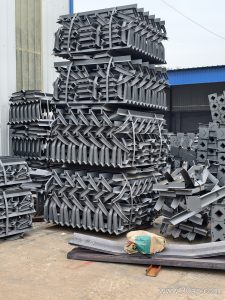
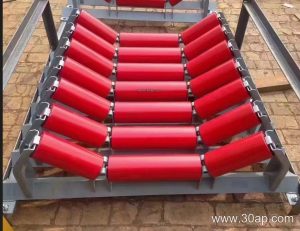
A carbon steel conveyor bracket is the structural support that holds idler rollers in the correct position under the conveyor belt. It is a welded or bolted assembly made from angle steel, channel steel or folded steel plate, and it is usually fastened to the conveyor frame. The bracket does not move material by itself, but it decides where the belt runs, how the trough is shaped and how evenly the load is spread. In a quarry, a coal preparation plant or a cement plant, a poorly fitted bracket quickly shows up as belt misalignment, spillage or uneven wear.
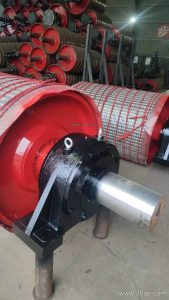
The natural product name is carbon steel conveyor bracket, and the same product is also called a carbon steel conveyor support bracket or carbon steel idler bracket. These names describe the material and the function, not a drive pulley, tail pulley or bend pulley, which are separate components with different duties.
How the Bracket Is Built
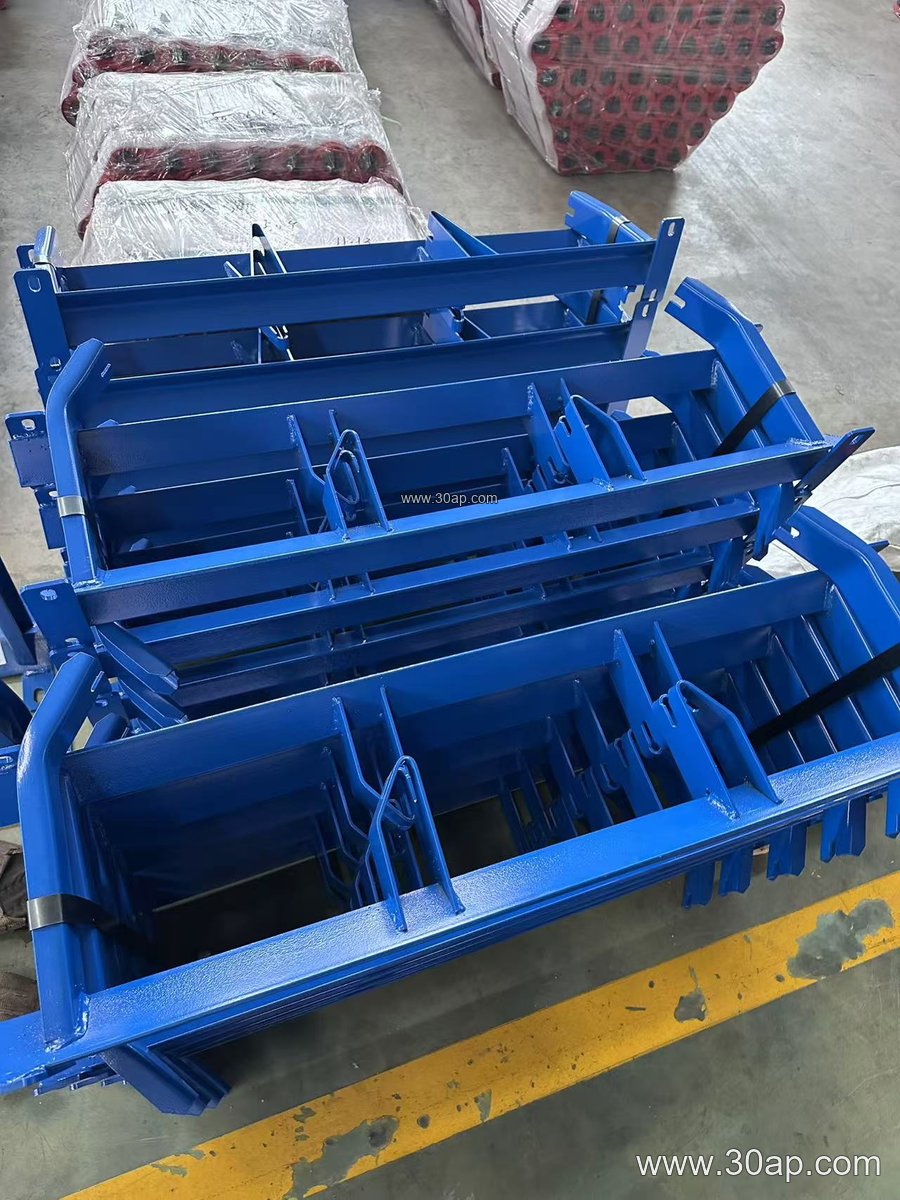
Most brackets combine a cross beam with two or three roller seats. The seats may be fixed at a set trough angle or adjustable. Carbon steel is common because it offers good stiffness, welds easily and can be painted or galvanized for corrosion protection. Typical construction details include:
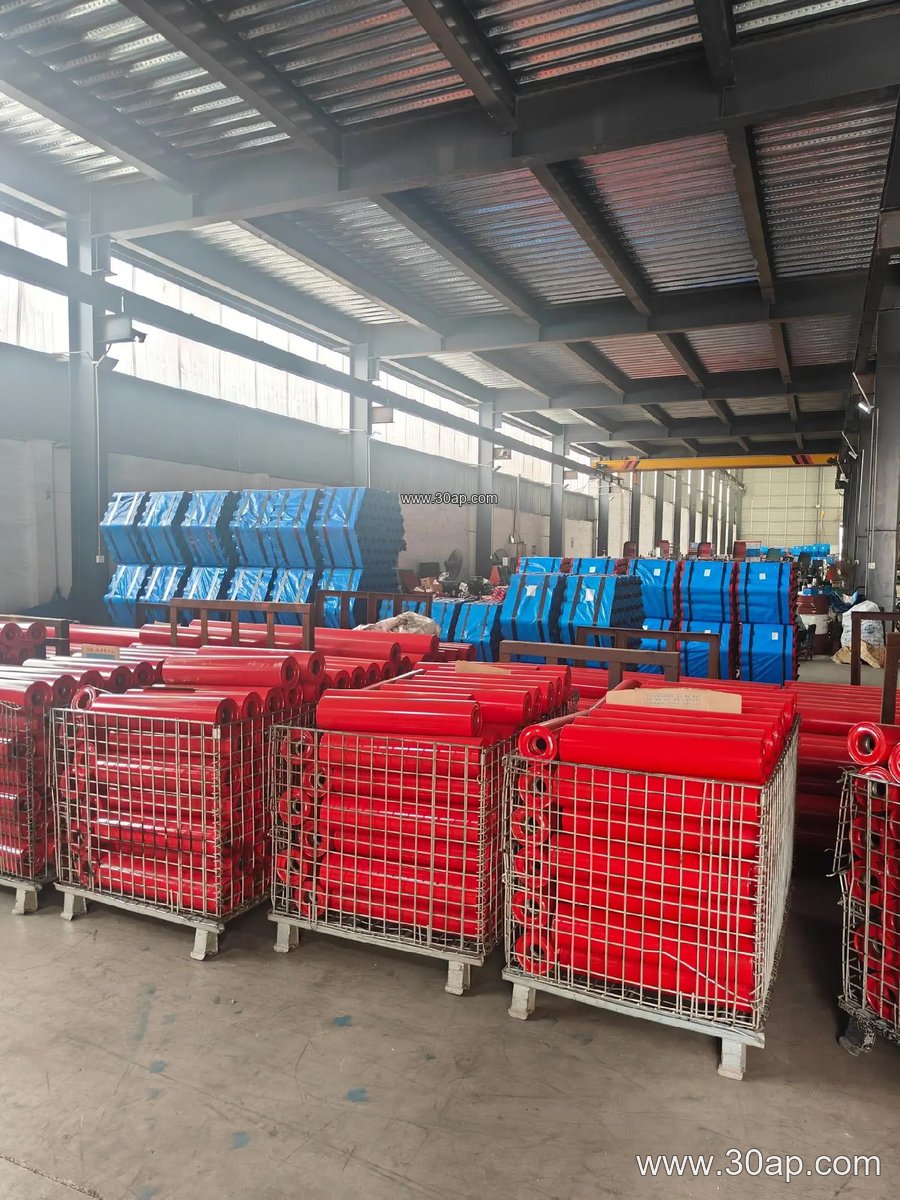
- Cross beam from channel steel or folded plate
- Roller seats with slotted or drilled mounting holes
- Reinforcing ribs at welded joints
- Bolted connections to the main frame
Mounting hole spacing and beam length change with belt width and trough angle, so they should be confirmed against the conveyor drawing rather than assumed.
Common Types and Where They Sit
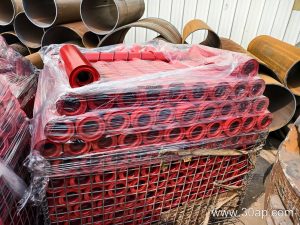
Carrying side brackets are often trough type, with 20, 30, 35 or 45 degree trough angles. A transition bracket is used near the pulley to guide the belt from flat to troughed. Return side brackets are usually flat or V-shaped, and impact brackets with cushion rollers are placed at loading points. Self-aligning and forward-leaning brackets help keep the belt centered, while suspended brackets suit lighter frames.
| Type | Typical Position | Common Belt Width | Common Roller Diameter |
|---|---|---|---|
| Trough bracket | Carrying side | B500 to B2000 | Ø89 to Ø159 |
| Transition bracket | Near head or tail | B650 to B1400 | Ø89 to Ø133 |
| Flat return bracket | Return side | B500 to B1800 | Ø89 to Ø159 |
| V-return bracket | Return side | B800 to B2000 | Ø108 to Ø194 |
| Impact bracket | Loading point | B800 to B1600 | Ø108 to Ø159 |
These figures are common references, not fixed matches. A B1200 belt may run with 35 degree troughs and Ø133 rollers, while a B650 line may use 30 degree troughs and Ø89 rollers. The bracket design, load and belt speed decide the final combination.
Where Carbon Steel Conveyor Brackets Are Used
In a limestone mine or aggregate crushing line, trough brackets carry the belt through the primary and secondary crushing stages, where a heavy-duty mining conveyor belt handles sharp rock. In a power plant coal yard, flame retardant conveyor belt and abrasion resistant conveyor belt run over long bracket rows, and the return brackets matter as much as the carrying ones. Similar arrangements appear in iron ore handling, sand and gravel plants and fertilizer granulation lines.
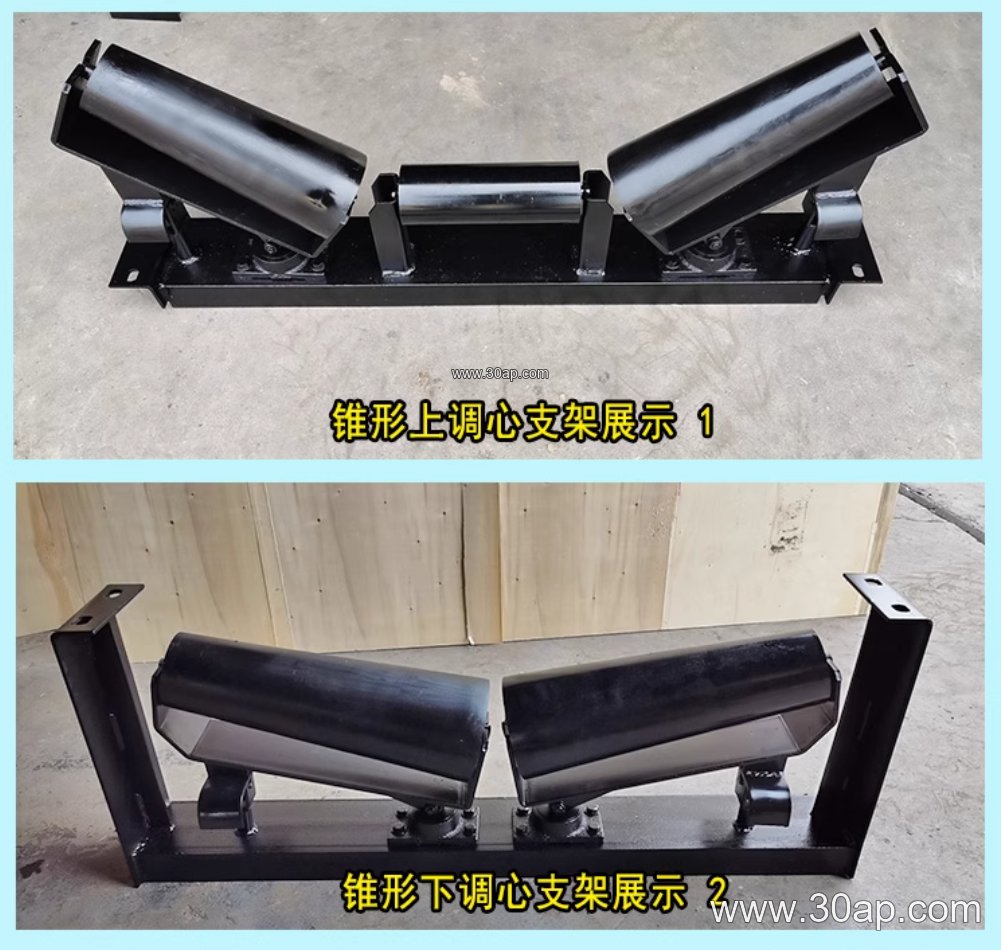
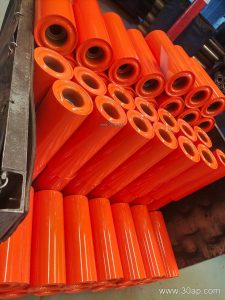
The bracket also works with the conveyor pulley and idler roller to keep the belt path stable. When a steel cord conveyor belt or an EP conveyor belt is used on a high-tonnage line, bracket spacing and roller seating should follow the belt manufacturer’s recommendation.
Buyer Checklist
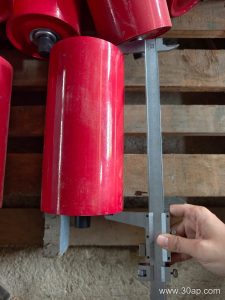
Before ordering, confirm the belt width, trough angle, roller diameter, mounting hole pattern and frame connection. Ask whether the bracket is fixed or adjustable, and check the surface treatment for the site conditions. For dusty or wet locations, a galvanized or painted finish is worth discussing. Also confirm that the bracket matches the actual roller shaft, since shaft diameter is not decided by belt width alone.
Spare brackets are a practical stock item. A few trough brackets and return brackets on the shelf reduce downtime when a bent support is found during inspection. Regular checks of bolt tightness, weld condition and roller fit keep the whole conveyor line running smoothly.