What a Nylon Idler Is
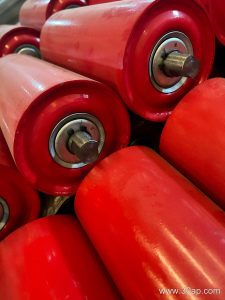
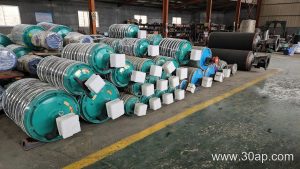
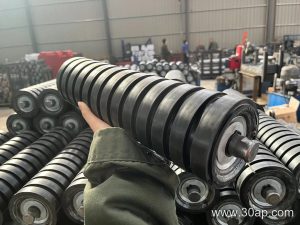
A nylon idler is a conveyor idler roller whose shell is made from nylon rather than the more common steel tube. It sits under the belt on the carrying or return side and supports the moving conveyor belt as it transports bulk material. Because the roller body is non-metallic, the nylon idler weighs less than a comparable steel roller, which can reduce the load on the idler frame and make handling during installation easier. The product is also known as a nylon conveyor idler roller or nylon-shell idler, and these names refer to the same item.
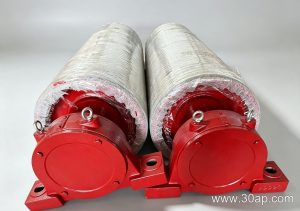
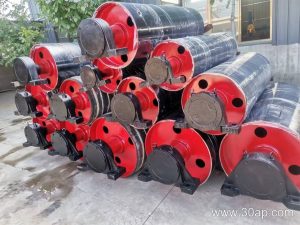
It is important to keep the term distinct from other conveyor components. A drive pulley, tail pulley and bend pulley are not idler rollers and are not interchangeable with them. Those pulleys transmit power or change belt direction, while a nylon idler only supports the belt. When comparing, a steel-shell troughing idler may be mentioned, but it does not replace the nylon idler described here.
Construction and Surface Details
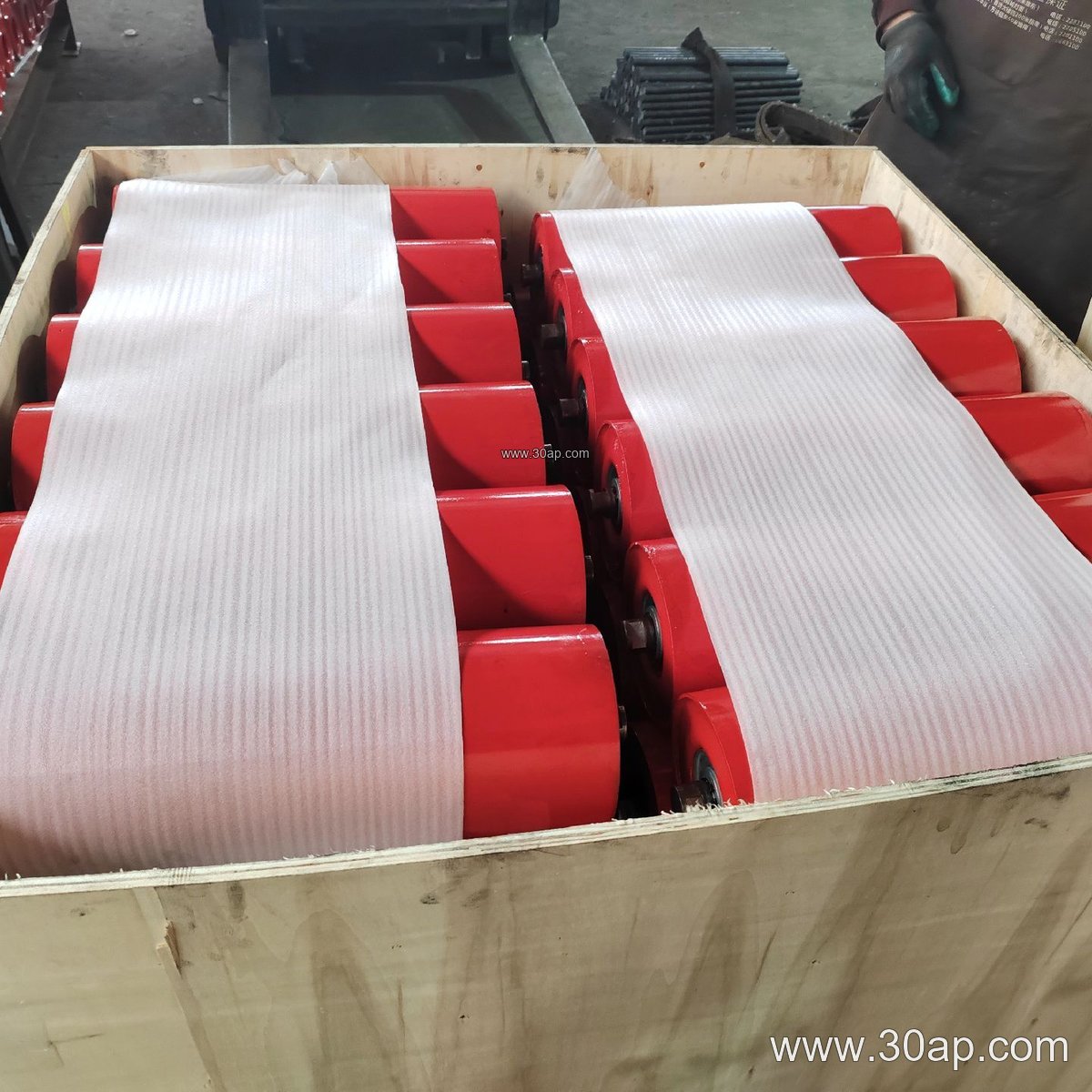
The typical nylon idler uses a nylon shell fitted over a shaft with sealed bearings at each end. Bearing selection usually follows the shaft and load design; common bearing sizes in conveyor idlers include 6204, 6205, 6305, 6306, 6308 and 6310, but no single bearing is tied to one roller diameter. The shell can be a solid nylon tube or a nylon-covered roller, and the surface is smooth to allow the belt to run with low friction.
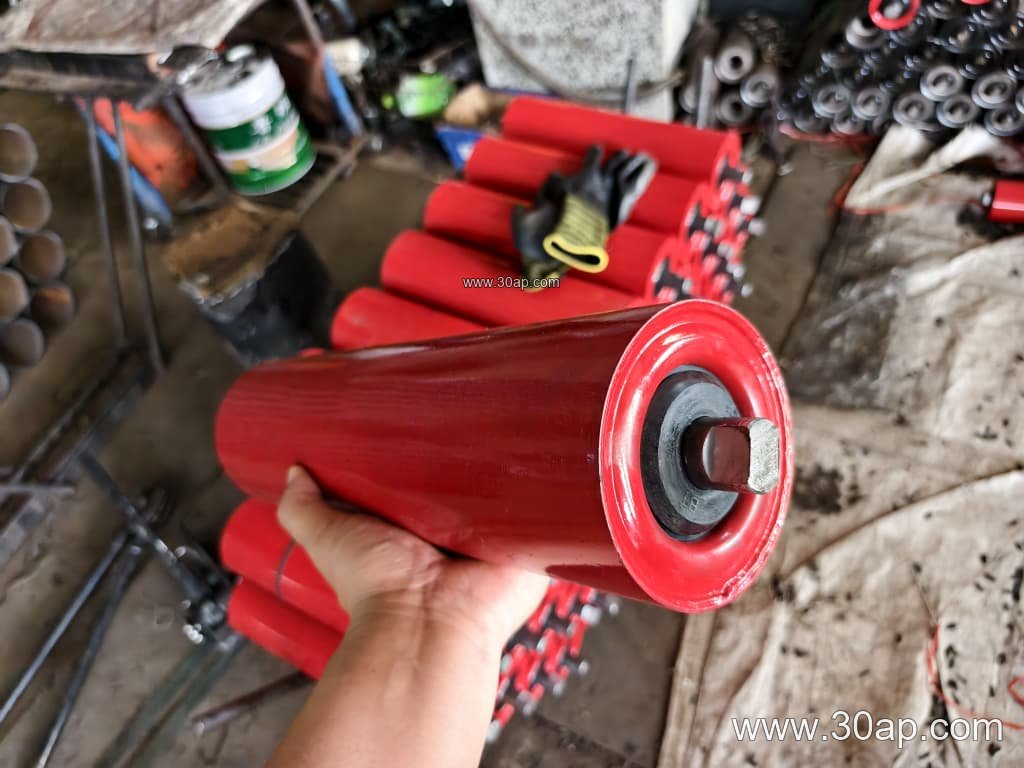
Idler diameter and belt width are chosen together with the conveyor design, not as a fixed pairing. Common roller diameters include Ø63, Ø76, Ø89, Ø102, Ø108, Ø127, Ø133, Ø159, Ø178, Ø194 and Ø219 mm. Belt widths commonly range from B400 to B2400, covering B500, B650, B800, B1000, B1200, B1400, B1600, B1800 and B2000 among others. Roller length depends on belt width, trough angle and idler arrangement. For example, a three-roll troughing set may use a roller length of about 200 mm at B500, 250 mm at B650, 315 mm at B800, 380 mm at B1000, 465 mm at B1200, 530 mm at B1400, 600 mm at B1600, 670 mm at B1800 and 750 mm at B2000. These are common reference examples only, and side rollers and center rollers can differ.
Where Nylon Idlers Fit in a Conveyor
Nylon idlers can be used on the carrying side in troughing sets or on the return side in flat or V-return arrangements. Trough angles of 20, 30, 35 and 45 degrees are common, and the chosen angle affects how the belt cradles the material. In a quarry or sand and gravel line, a nylon idler may support an Aggregate Conveyor Belt carrying crushed stone. In a cement plant, it may sit under a Cement Conveyor Belt moving clinker or raw material. The lighter shell can be an advantage where manual handling and corrosion resistance matter, while heavy impact zones may still call for rubber-ring impact idlers or steel rollers.
Selection Points for Buyers
Buyers should confirm the belt width, the idler diameter, the trough angle and the idler group form before ordering. A single-roll, two-roll or three-roll troughing set changes the roller length and the frame needed, and the conveyor bracket must match the shaft ends. The load and belt speed should be checked against the idler rating, and the environment should guide the choice of bearing seals. In a coal mining or power plant coal handling system, a Flame Retardant Conveyor Belt may run alongside nylon idlers, but the idler itself is selected for support and rotation, not for fire performance.
Maintenance and Practical Notes
Inspect nylon idlers for shell wear, cracks, bearing noise and seized rotation. A worn or damaged roller can rub the belt and increase power demand, so replacement should follow the original diameter and mounting dimensions. Keep the idler frame and conveyor bracket clean so material buildup does not misalign the roller. When a conveyor handles abrasive ore or rock, check the idler surface more often, and remember that a nylon idler is a support component, not a substitute for a drive, tail or bend pulley.