What Is a Non-Standard Conveyor Pulley
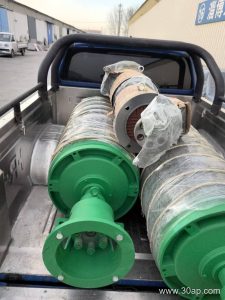
A non-standard conveyor pulley is a custom-built drum designed to fit specific conveyor geometry, load requirements, or environmental conditions that off-the-shelf pulleys cannot accommodate. While standard pulleys follow common dimension ranges, a non-standard unit is engineered to match the exact belt width, shaft diameter, face length, lagging profile, and bearing arrangement required by the application. In industries such as mining, coal preparation, cement plants, and iron ore operations, these custom pulleys help maintain proper belt tracking and extend the service life of the entire conveyor system.
Unlike drive, tail, or bend pulleys, which serve distinct functions, a non-standard conveyor pulley is defined by its deviation from standard specifications rather than by its position. It may be used as a head pulley, tension pulley, or snub pulley, but its dimensions and features are tailored to the specific conveyor layout. This flexibility makes it essential for retrofits, space-constrained installations, and projects where standard components would compromise performance.
Construction and Key Components
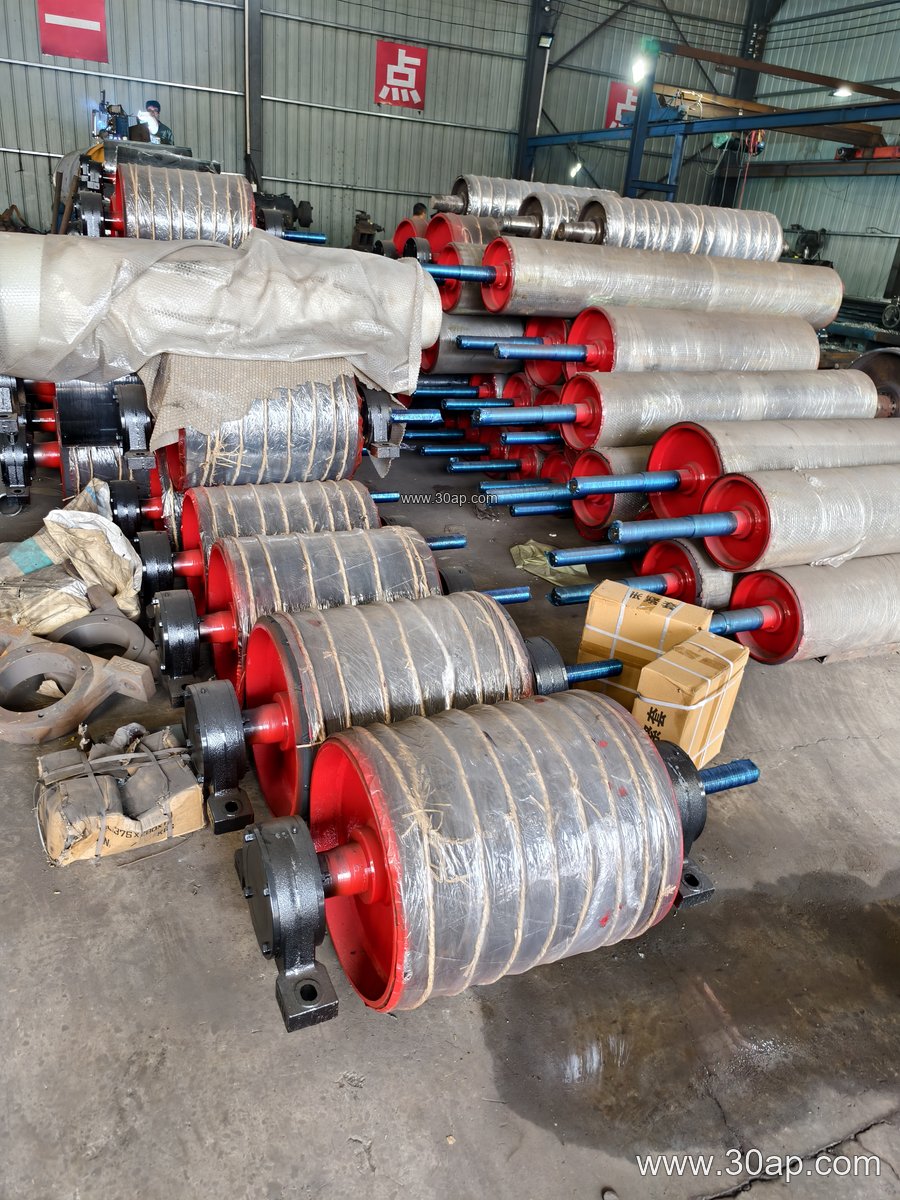
The construction of a custom pulley typically involves a welded steel shell, end discs, hubs, and a shaft. The shell diameter and face width are determined by the belt width and the required contact area. For example, a B1200 conveyor belt might require a pulley with a face width around 1400 mm to ensure full belt support. The shaft diameter is calculated from the torque and radial loads, often ranging from Ø50 to Ø200 mm depending on the drive power and belt tension. Common combinations include B800 × Ø500 and B1400 × Ø800, but these are reference examples, not fixed rules.
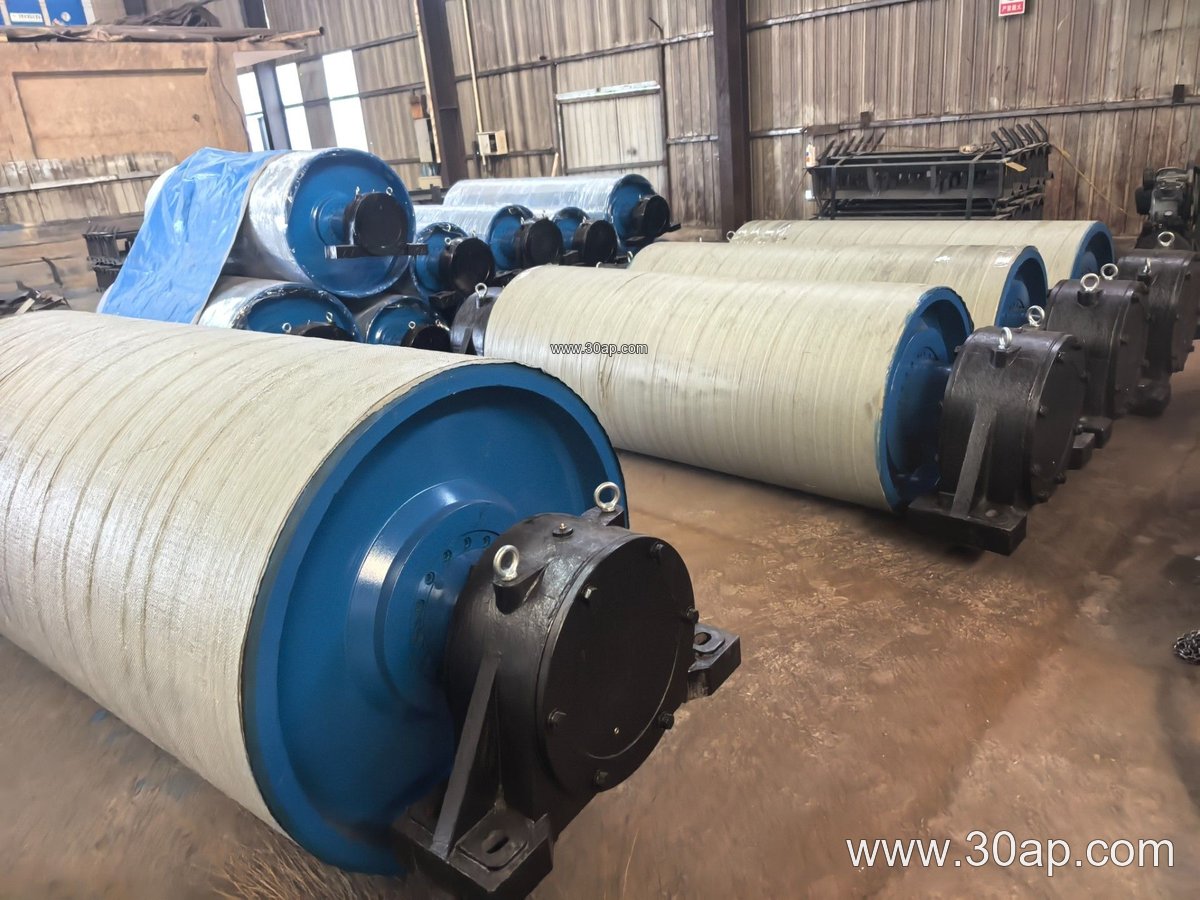
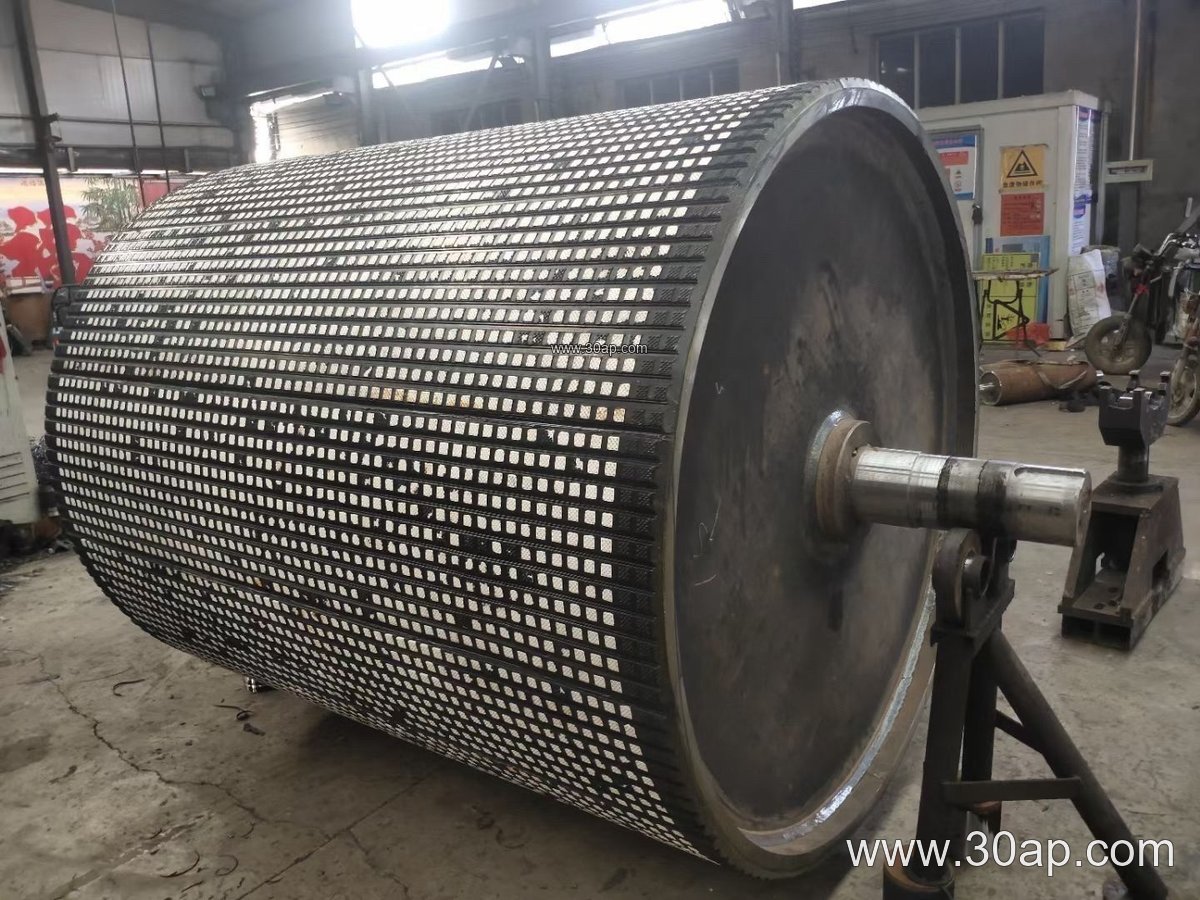
Surface treatment is another critical aspect. Lagging options include plain, rubber lagging, ceramic lagging, diamond grooved, and herringbone patterns. Lagging thickness often varies between 8 mm and 20 mm, selected based on traction requirements and material abrasiveness. For high-abrasion environments such as quarry or copper ore handling, ceramic or thick rubber lagging is frequently specified.
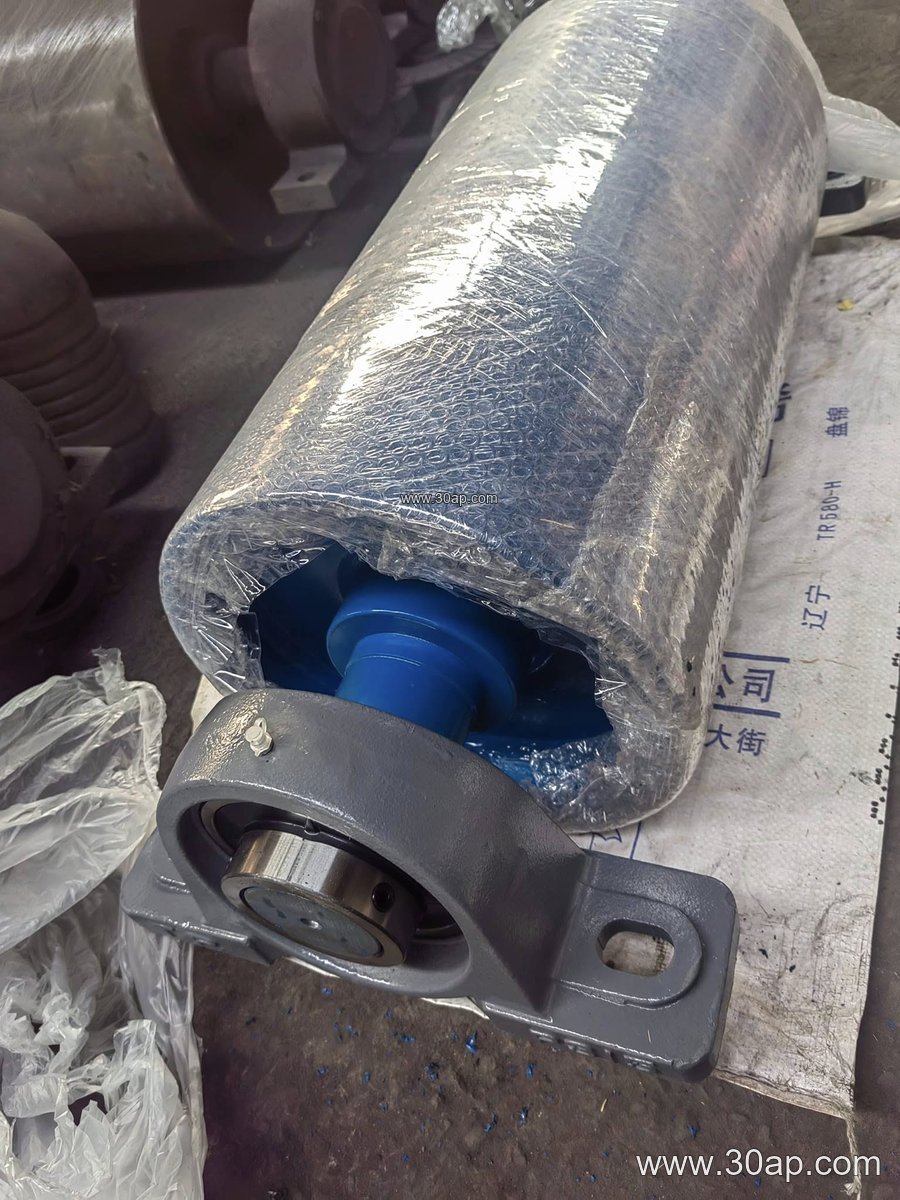
Bearings and bearing housings are chosen to match the shaft diameter and load profile. The pulley is usually equipped with a keyed shaft, and the connection to the conveyor bracket must be precisely machined to avoid misalignment.
Where Non-Standard Conveyor Pulleys Are Used
These pulleys are common in applications where space is tight or where the conveyor must handle extreme loads. In underground coal mining, for instance, a non-standard pulley may be needed to fit within a low-profile gallery while still providing sufficient belt wrap. In cement plants, custom pulleys are often used in clinker transport lines where high temperatures and abrasive dust demand robust lagging and heavy-duty bearings.
Other typical settings include:
- Power plant coal handling systems with limited maintenance access
- Port bulk terminals where belt widths exceed 2000 mm and standard pulleys are unavailable
- Aggregate crushing and screening plants requiring precise belt tracking
- Steel mill sinter lines with high-impact loading
In these environments, the pulley must work in harmony with the conveyor belt, idler rollers, and conveyor brackets to maintain alignment and minimize downtime.
Specification and Selection Guidance
When specifying a non-standard conveyor pulley, buyers should provide the following information:
- Belt width (e.g., B650, B1000, B1600) and type (e.g., EP conveyor belt, steel cord conveyor belt)
- Required pulley diameter and face width
- Shaft diameter and material
- Lagging type and thickness
- Bearing type and size
- Operating conditions (temperature, dust, moisture, corrosive atmosphere)
It is important to note that belt width alone does not dictate pulley diameter or shaft size. For instance, a B1200 belt may be paired with a Ø1000 pulley in one application and a Ø800 pulley in another, depending on the tension and space constraints. Shaft diameter is determined by torque and load calculations, not by a simple rule of thumb.
Common reference dimensions include:
| Belt Width | Approx. Face Width | Typical Diameter Range |
|---|---|---|
| B400 | 500 mm | Ø200–Ø400 |
| B800 | 950 mm | Ø315–Ø630 |
| B1200 | 1400 mm | Ø500–Ø1000 |
| B1600 | 1800 mm | Ø630–Ø1250 |
| B2000 | 2200 mm | Ø800–Ø1400 |
These values are indicative and should be confirmed through engineering calculations for each specific conveyor.
Buyer Checklist
Before ordering a non-standard pulley, verify the following:
- Conveyor layout drawings and space limitations
- Belt tension and power requirements
- Environmental factors such as heat, oil, or fire risk (e.g., heat resistant conveyor belt, flame retardant conveyor belt)
- Compatibility with existing idler rollers and conveyor brackets
- Maintenance access for lagging replacement and bearing lubrication
Working with a manufacturer who understands the interplay between the pulley, belt, and supporting components is crucial. A well-designed non-standard conveyor pulley can improve belt life, reduce slippage, and enhance overall system reliability in the toughest industrial settings.