What a Labyrinth-Sealed Idler Is
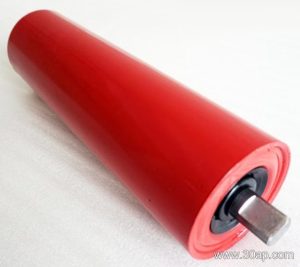
A labyrinth-sealed idler is a conveyor idler roller whose bearing housing uses a non-contact labyrinth seal to keep dust, water, and fine particles away from the bearings. Unlike a simple contact lip seal, the labyrinth path creates a tortuous route that contaminants must navigate, which reduces wear and extends bearing life in harsh environments. This type of idler roller is often chosen for dusty and wet conditions where standard seals may fail prematurely.
The labyrinth seal itself typically consists of a series of interlocking metal or plastic rings that form a narrow, winding gap. As the roller rotates, centrifugal force helps expel any material that enters the first stage of the labyrinth. Because there is no rubbing contact between the sealing surfaces, friction and heat generation are low, which contributes to smoother operation and lower energy consumption.
Construction and Key Components
A labyrinth-sealed idler is built around a steel tube, with bearing housings pressed into each end. The bearings are usually deep-groove ball bearings, commonly 6204, 6205, 6305, 6306, 6308, or 6310, selected according to load and speed requirements. The labyrinth seal is fitted outboard of the bearing, and a protective end cap may be added for extra defense against falling material.
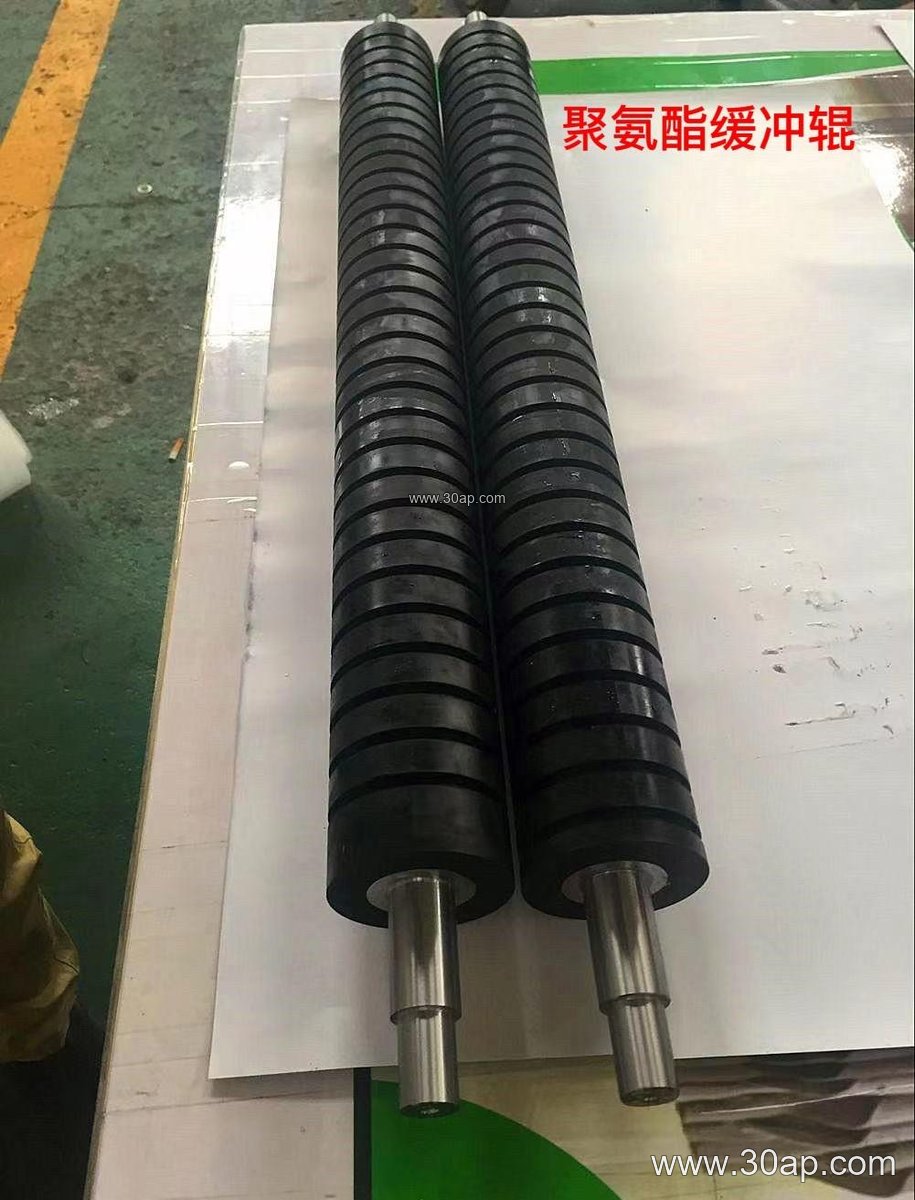
The roller surface can be plain steel, nylon, ceramic, or rubber-covered, depending on the application. For example, a rubber disc return roller uses rubber rings to shed sticky material, while a plain steel roller is common for general bulk handling. The shaft is typically cold-drawn steel with machined ends for mounting in the conveyor bracket. Common roller diameters include Ø63, Ø76, Ø89, Ø102, Ø108, Ø127, Ø133, Ø159, Ø178, Ø194, and Ø219 mm. Belt widths from B400 to B2400 are regularly served, with roller length varying with belt width, trough angle, and idler arrangement.
Where Labyrinth-Sealed Idlers Are Used
These idlers are frequently found in quarry and aggregate operations, where dust and grit are constant challenges. They are also used in cement plants, coal handling systems, and power plant coal yards. In such settings, the conveyor belt may carry abrasive materials that would quickly damage standard seals. A labyrinth-sealed idler helps maintain free rotation, reducing the risk of belt misalignment and unnecessary downtime.
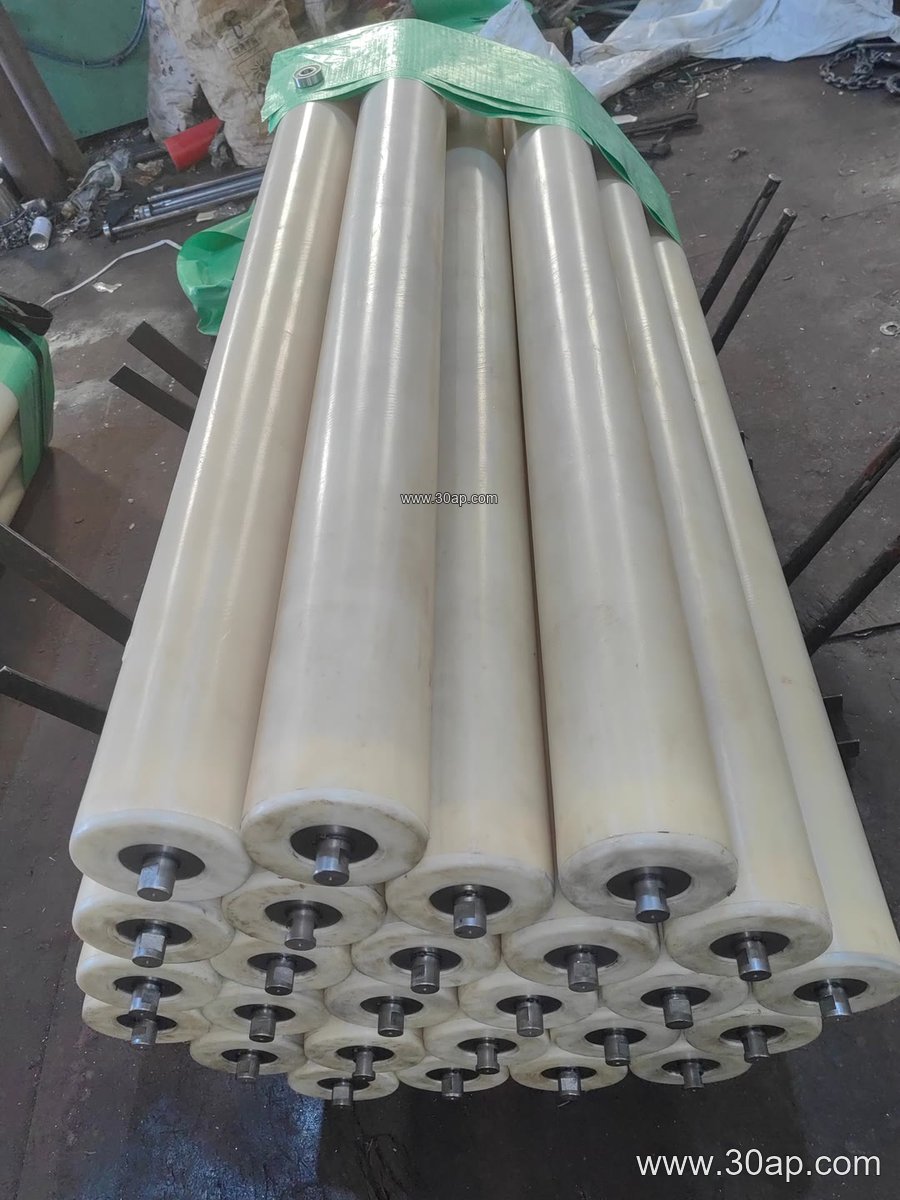
For operations handling wet or sticky materials, the non-contact seal is particularly beneficial because it does not rely on a tight lip that can wear or trap debris. This makes the labyrinth-sealed idler a practical choice for wash plants, port facilities, and outdoor stockpiles exposed to rain and humidity.
Selection and Sizing Considerations
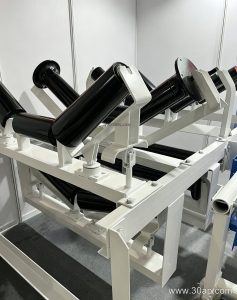
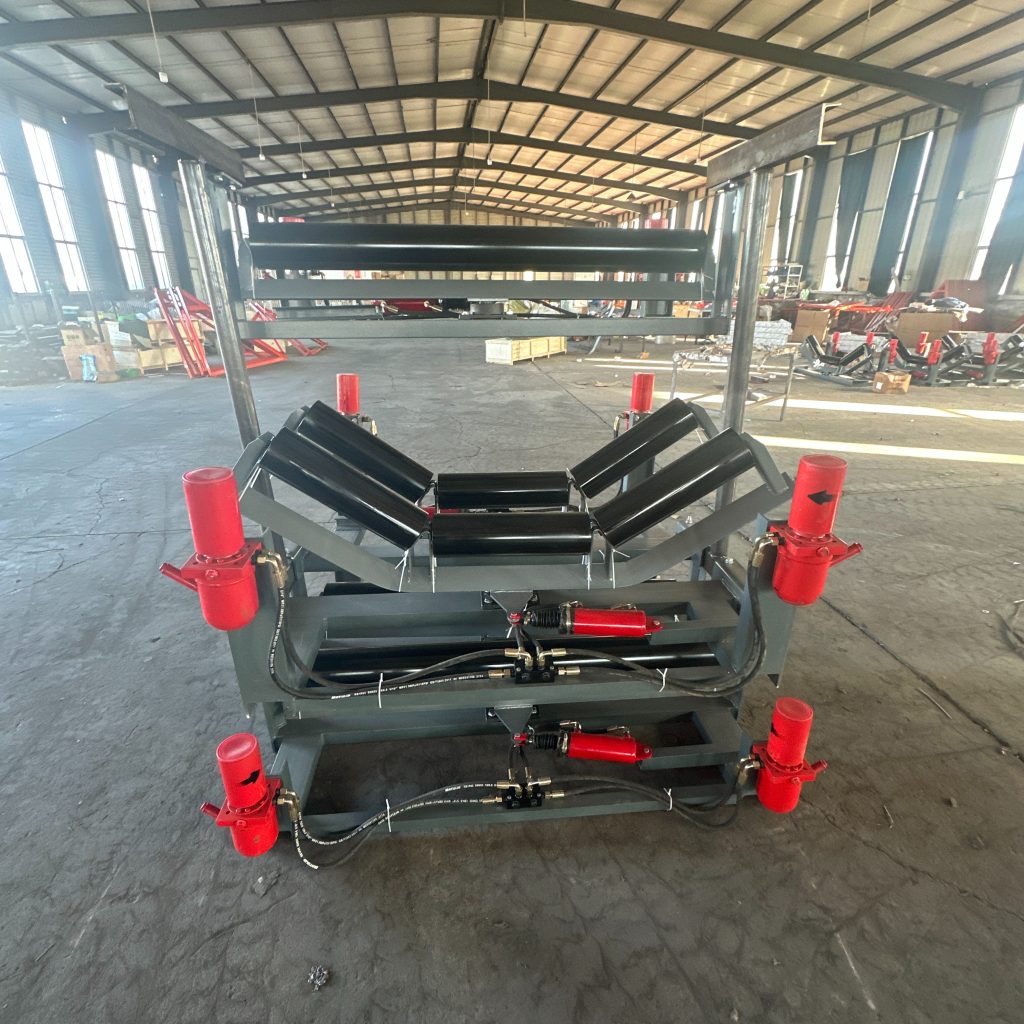
When specifying a labyrinth-sealed idler, buyers should consider the belt width, trough angle, and the idler’s position on the conveyor. Common trough angles are 20, 30, 35, and 45 degrees. The idler group can be a single roller, two-roller, or three-roller trough set. Roller length is not fixed; for a three-roller trough set, typical mid-roller lengths might be around 200 mm for B500, 250 mm for B650, 315 mm for B800, 380 mm for B1000, 465 mm for B1200, 530 mm for B1400, 600 mm for B1600, 670 mm for B1800, and 750 mm for B2000. These are examples only and should be confirmed with the conveyor design.
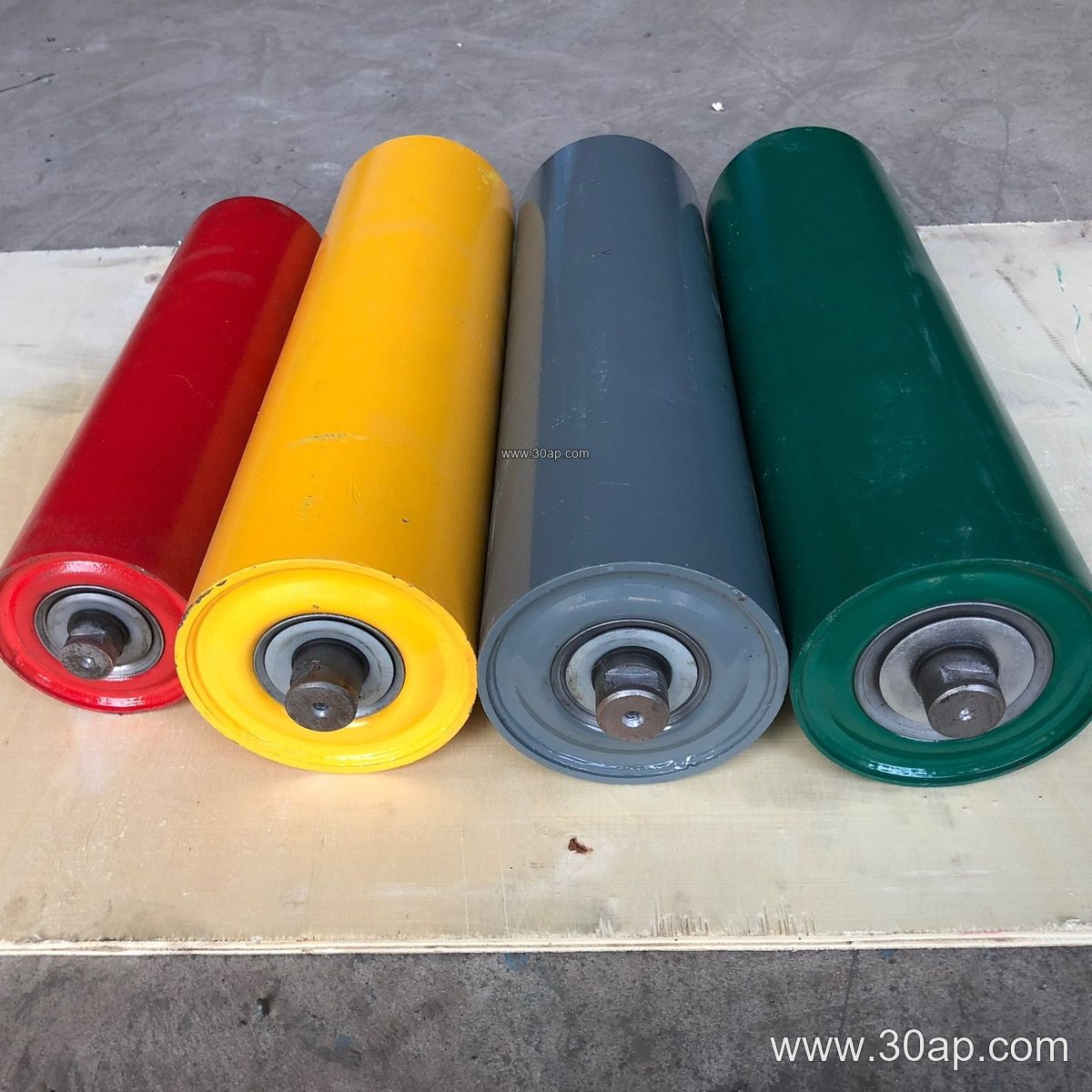
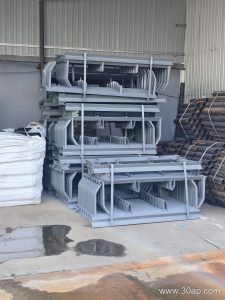
Bearing selection should match the load and speed, and the shaft diameter is determined by the idler design, not by belt width alone. It is important not to assume that one belt width corresponds to a single pulley diameter or shaft size. The labyrinth seal itself should be inspected for damage during installation, and the idler should rotate freely by hand before the belt is tensioned.
Maintenance and Buyer Tips
Although labyrinth-sealed idlers require less maintenance than contact-sealed types, periodic checks are still recommended. Listen for unusual noise, check for wobble, and ensure that the seal area is not packed with hardened material. In dusty environments, cleaning the idler surface occasionally can prevent buildup that might unbalance the roller.
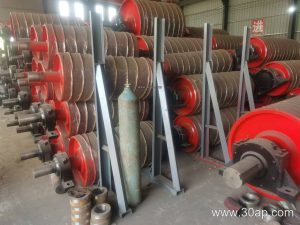
Buyers should request dimensional drawings and confirm the mounting dimensions match the existing conveyor bracket. It is also wise to verify the bearing brand and seal material, as these affect service life. For high-abrasion applications, consider a rubber-covered or ceramic-covered roller to protect the shell. Remember that drive pulleys, tail pulleys, and bend pulleys are not interchangeable with idlers; each has a distinct role in the conveyor system.
For more information on conveyor components, visit our site at conveyor idler, conveyor pulley, and conveyor bracket.