What a Vertical Guide Roller Does
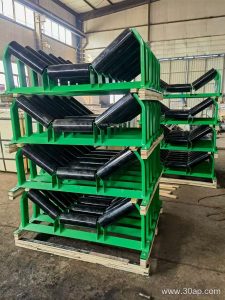
A vertical guide roller is a specialized idler roller mounted vertically along the conveyor structure to keep the belt from wandering sideways. Unlike carrying idlers that support the belt from below, this roller stands upright and contacts the belt edge when misalignment occurs. In quarry conveyor lines, cement plant transfer points, and power plant coal handling systems, a vertical guide roller often works alongside a conveyor bracket to maintain belt tracking through curves, load changes, or strong crosswinds. It is not a substitute for a bend pulley or tail pulley, but a complementary component that protects belt edges and reduces spillage.
Construction and Key Components
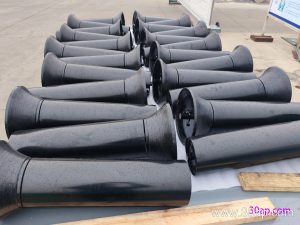
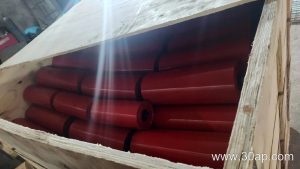
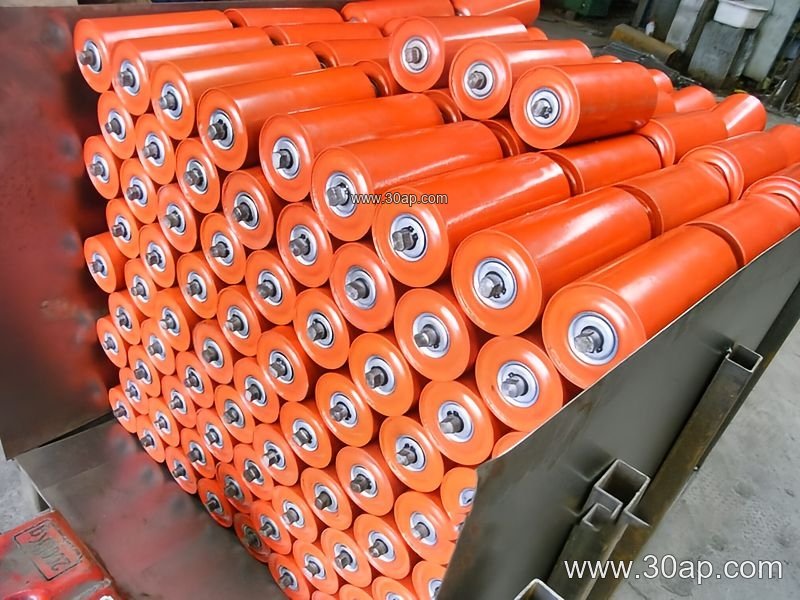
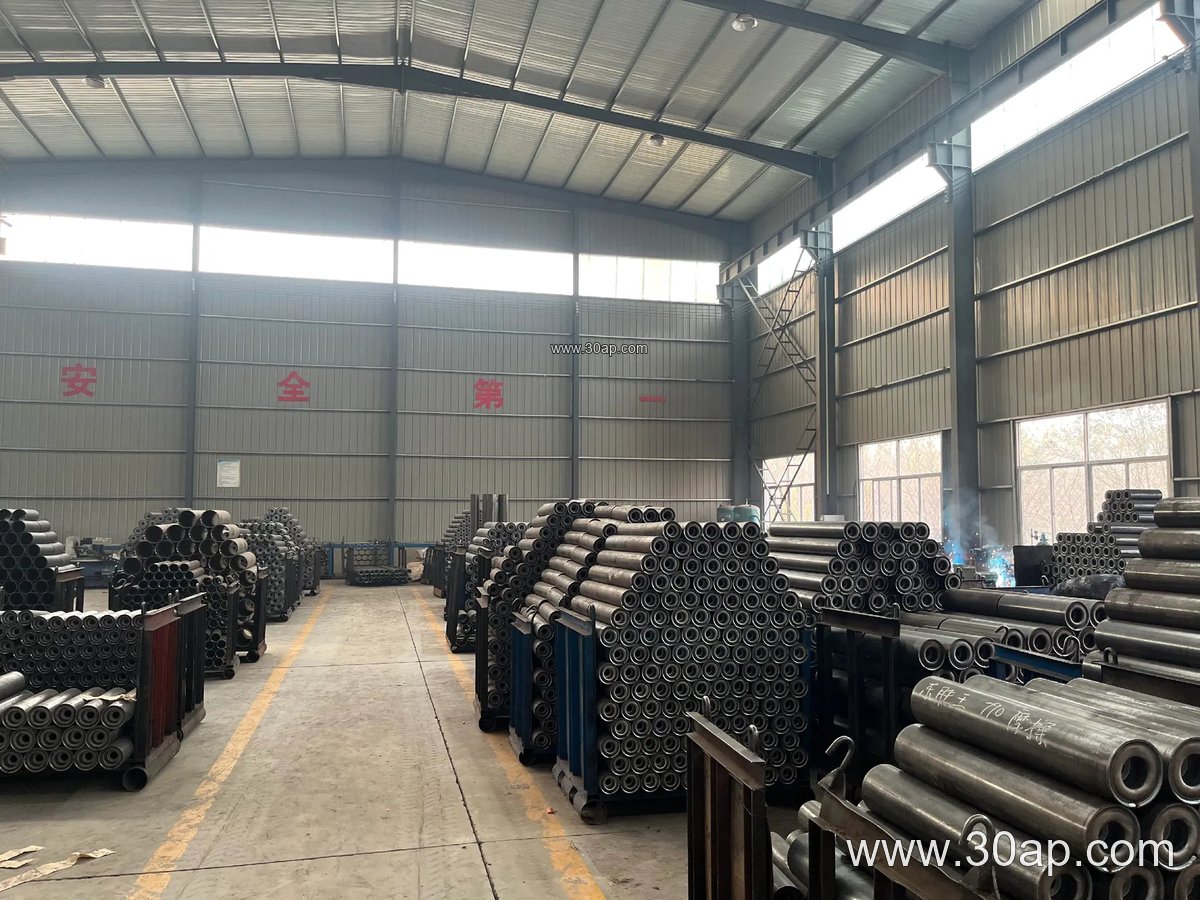
The roller body is typically a steel tube, sometimes fitted with a nylon or rubber sleeve to reduce edge wear on the conveyor belt. Inside, common bearing sizes include 6204, 6205, 6305, and 6306, selected according to load and shaft design. Sealed bearings help exclude dust in crushing and screening circuits. The shaft is fixed to a support frame or directly to a conveyor bracket, and the roller spins freely when the belt edge presses against it. Roller diameter options such as Ø63, Ø76, Ø89, and Ø102 mm are common for guide duty, while larger diameters may be used on high-capacity lines. Roller length is usually short because it only needs to cover the belt edge zone, and it is determined by belt width and mounting position—not by a fixed rule that ties one belt width to one roller size.
Where It Fits on the Conveyor
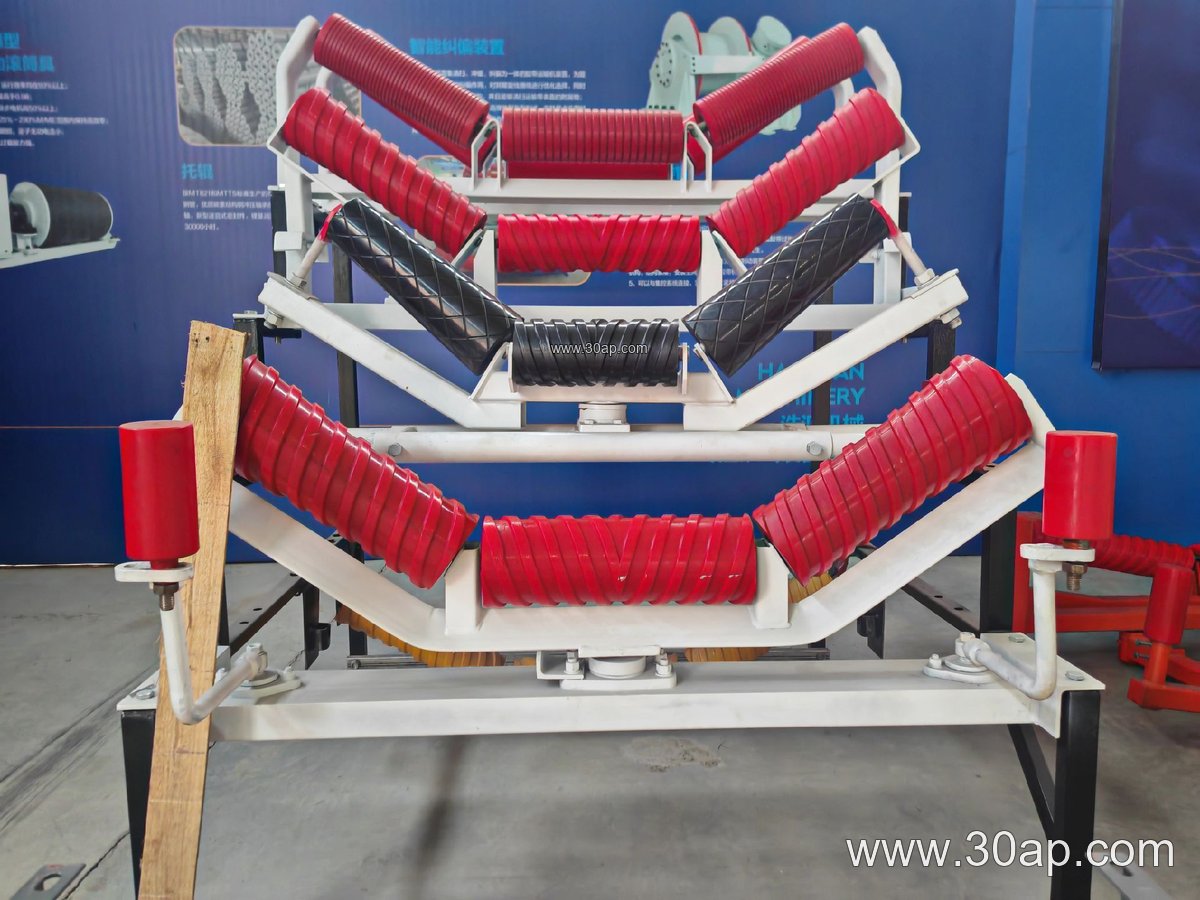
Vertical guide rollers are often installed near the head or tail transition, before a conveyor pulley, or along sections where the belt tends to drift. In an underground coal mining conveyor, they help keep the belt centered in narrow galleries. At a port ship loading facility, they guide the belt through long inclined runs exposed to wind. They are also useful in aggregate conveyor lines and iron ore handling where material loading is uneven. A vertical guide roller may be paired with a V-return roller or a training idler, but each has a distinct role: the vertical roller mainly limits lateral movement at the belt edge, while a training idler corrects the belt path through angled rollers.
Selection and Sizing Notes
Buyers should match the guide roller to belt width, available mounting space, and the expected side load. Typical belt widths in the field include B500, B650, B800, B1000, B1200, and B1400; wider belts such as B1800 or B2000 may require heavier brackets and larger roller diameters. The following table gives common reference values, but final dimensions are set by the conveyor design.
| Parameter | Common reference range |
|---|---|
| Roller diameter | Ø63, Ø76, Ø89, Ø102, Ø108 mm |
| Bearing size | 6204, 6205, 6305, 6306 |
| Roller surface | Steel tube, nylon sleeve, rubber sleeve |
| Mounting | Vertical bracket or frame weld-on |
For a belt moving abrasive rock, a rubber-sleeved vertical guide roller can reduce wear on the belt edge. In a coal mining conveyor with flame retardant conveyor belt, the roller should be selected with compatible materials and free-spinning seals. Do not assume that a 500mm conveyor belt and a 1000mm conveyor belt use the same guide roller length; check the actual mounting height and edge contact point.
Maintenance and Buyer Checklist
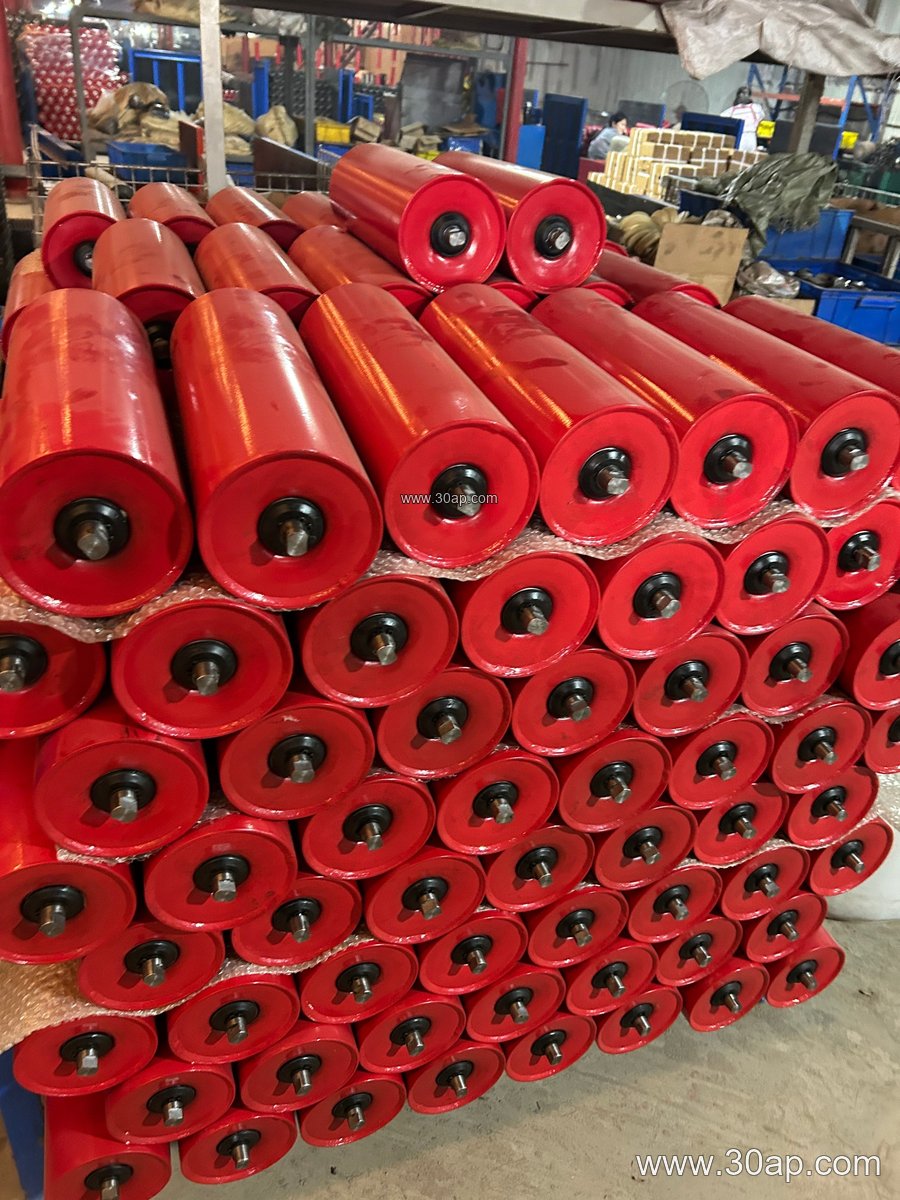
Inspect the vertical guide roller for smooth rotation, seal integrity, and surface wear. A seized roller can rub through the belt edge quickly, especially in a crusher conveyor or quarry conveyor handling sharp stone. Check that the bracket bolts remain tight and that the roller is truly vertical; a tilted guide roller may push the belt in the wrong direction. When replacing, confirm shaft diameter, bearing number, roller diameter, and overall length against the original mounting. Also review the belt type in service—an abrasion resistant conveyor belt may tolerate edge contact better than a thin fabric core belt, but no belt should be left to run against a locked roller. For harsh environments such as a cement plant or sinter plant, choose sealed bearings and consider a nylon or rubber surface to protect the belt edge.
Whether the line carries EP conveyor belt, NN conveyor belt, or steel cord conveyor belt, a properly sized vertical guide roller supports stable tracking without interfering with the main carrying idlers or the conveyor pulley. Use it as a focused tracking aid, not as a replacement for proper belt alignment and maintenance.