What a Rust-Resistant Idler Is
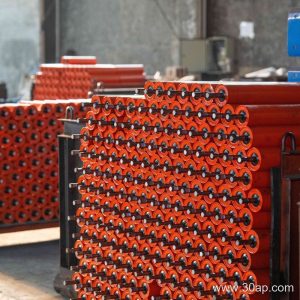
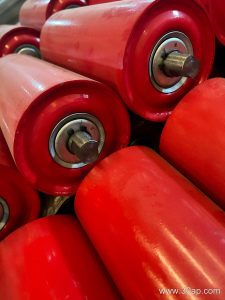
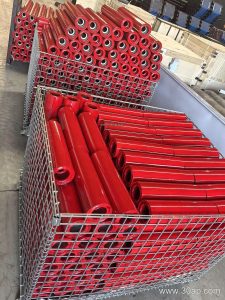
A rust-resistant idler is a conveyor roller built with materials and coatings that resist corrosion, extending service life in damp, chemical, or outdoor environments. Unlike standard steel idlers that may oxidize quickly, this idler roller uses stainless steel, galvanized steel, or protective polymer coatings on the shell and bearing housing. It is a vital component in any conveyor system, working alongside the conveyor belt, conveyor pulley, and conveyor bracket to keep material moving efficiently. Industries such as coal mining, cement plants, and port facilities rely on these idlers to minimize downtime caused by rust-related failures.
Construction and Key Features
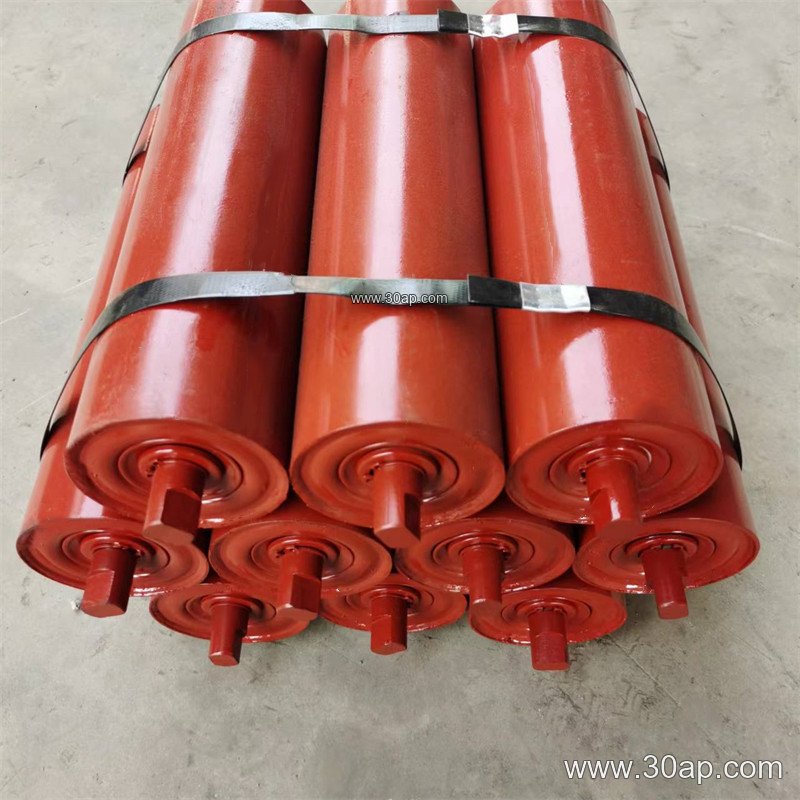
The rust-resistant idler typically features a steel tube with a zinc or polymer coating, sealed bearings to block moisture and dust, and corrosion-resistant end caps. Common roller diameters include Ø89, Ø108, Ø127, and Ø159, with bearing sizes like 6204, 6205, or 6305 chosen based on load requirements. The roller surface may be plain steel, nylon, or rubber-covered for specific applications. A proper seal design is critical—labyrinth seals or contact seals prevent water ingress, which is essential in washdown areas or humid climates. For abrasive materials, a rubber disc impact idler variant may be used at transfer points, but the rust-resistant feature remains the primary focus here.
Where It Is Used
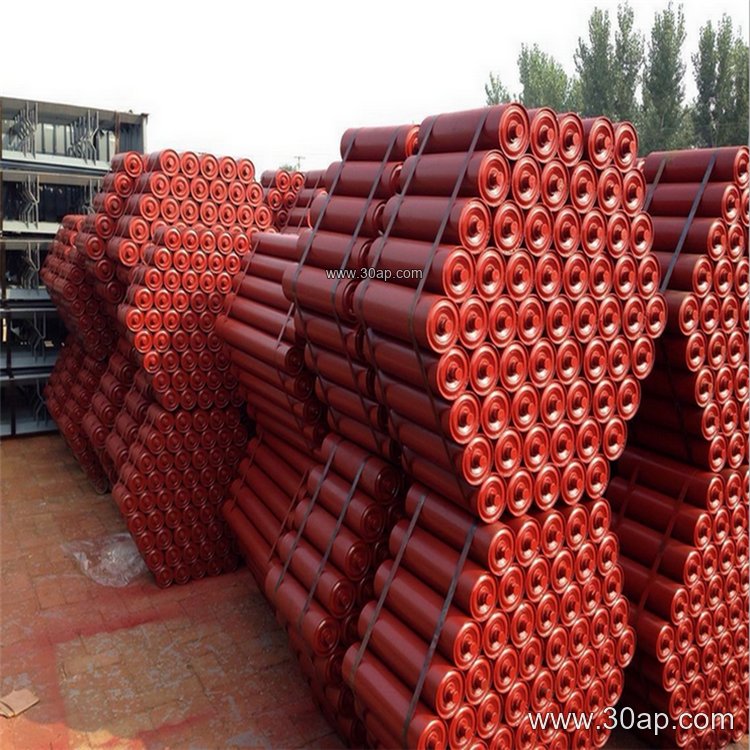
These idlers are common in cement plants, where alkaline dust and occasional moisture accelerate corrosion, and in coal mining operations that demand flame retardant conveyor belts and robust components. They also suit port conveyor systems exposed to salt air, and quarry lines handling wet aggregates. In such settings, pairing rust-resistant idlers with an abrasion resistant conveyor belt or a heat resistant conveyor belt ensures the entire conveyor belt system performs reliably. The idler works with the conveyor pulley to maintain belt tension and alignment, while the conveyor bracket secures it to the frame. Regular inspection of the idler roller helps catch seal wear before rust takes hold.
Specifications and Selection Guide
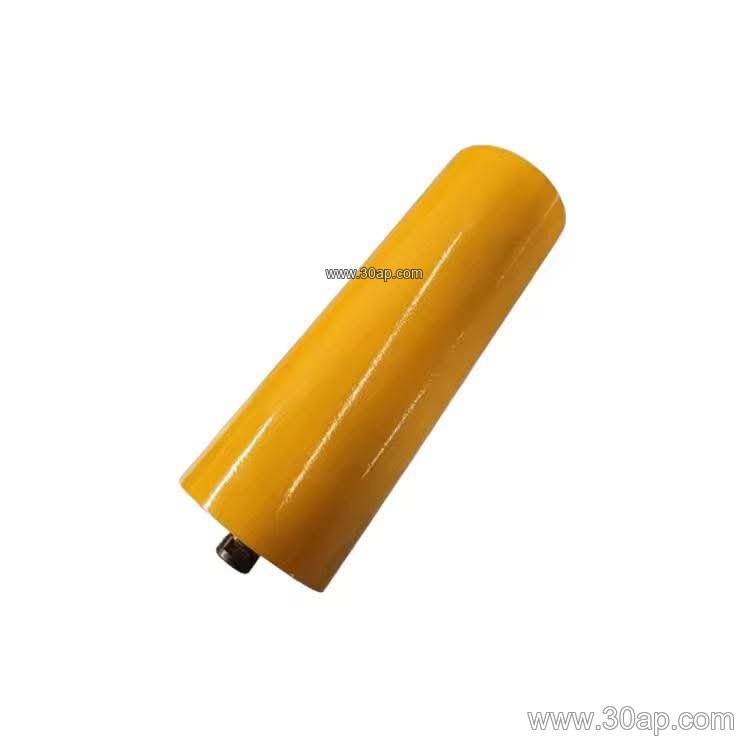
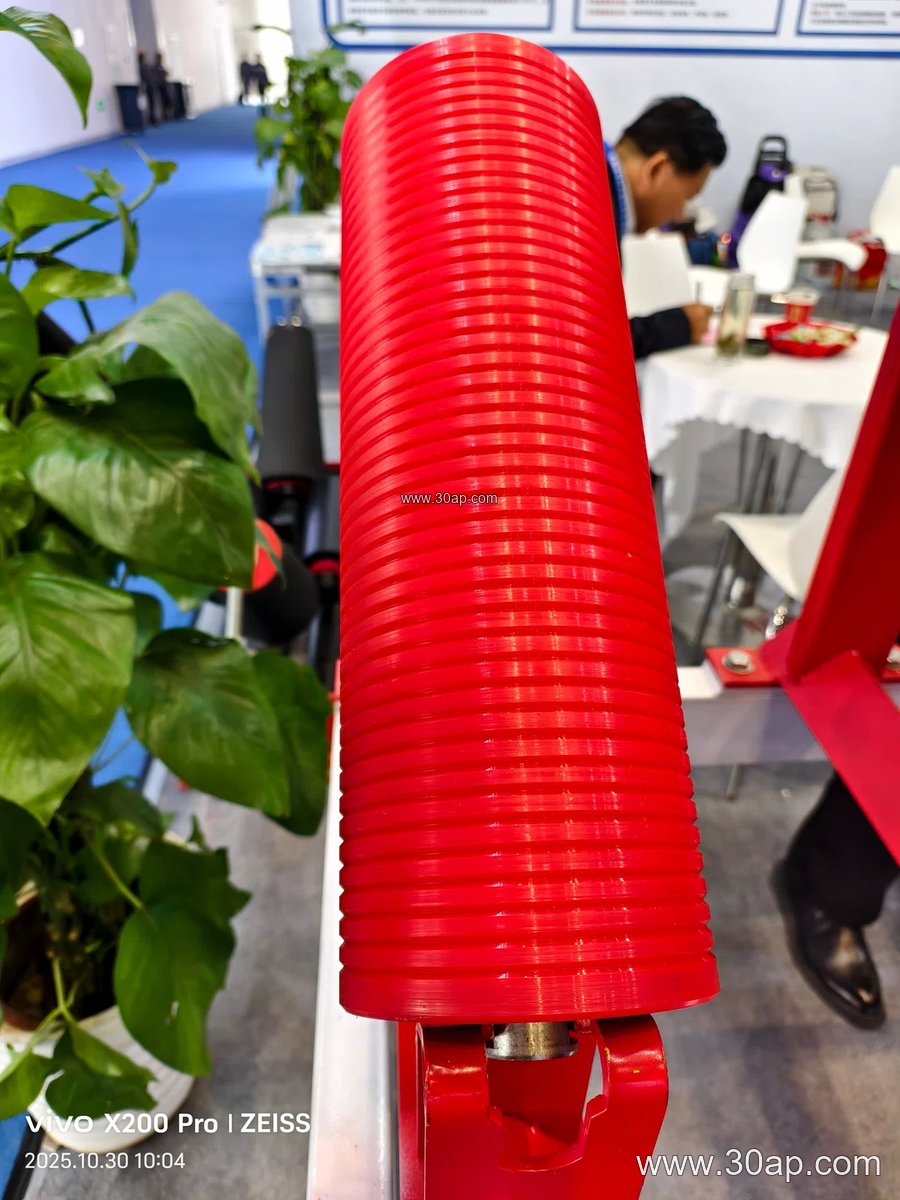
Selecting the right rust-resistant idler involves matching roller diameter, bearing size, and roller length to the conveyor belt width and load. The table below provides common reference values; actual dimensions should be confirmed with the manufacturer based on belt width, trough angle, and idler arrangement.
| Belt Width (mm) | Typical Roller Diameter (mm) | Common Bearing | Approx. Roller Length for 3-Roll Trough (mm) |
|---|---|---|---|
| B500 | Ø76, Ø89 | 6204, 6205 | 200 |
| B650 | Ø89, Ø108 | 6205, 6305 | 250 |
| B800 | Ø108, Ø127 | 6305, 6306 | 315 |
| B1000 | Ø127, Ø133 | 6306, 6308 | 380 |
| B1200 | Ø133, Ø159 | 6308, 6310 | 465 |
| B1400 | Ø159, Ø178 | 6310 | 530 |
| B1600 | Ø178, Ø194 | 6310 | 600 |
| B1800 | Ø194, Ø219 | 6310 | 670 |
Note that side rollers and center rollers may differ in length. Trough angles of 20°, 30°, 35°, or 45° influence belt capacity and material containment. For transition sections, a transition idler with a smaller trough angle may be needed to avoid belt stress. Always consider the conveyor belt type—whether it is an EP conveyor belt, a steel cord conveyor belt, or a flame retardant conveyor belt—as it affects load and speed requirements.
Buyer Checklist
- Confirm the operating environment: humidity, chemicals, or salt spray will dictate the level of rust protection needed.
- Check bearing seals: double-lip seals or labyrinth seals offer better protection against water and fine particles.
- Verify roller diameter and length against the actual conveyor belt width and idler frame dimensions.
- Consider the conveyor belt speed and load; heavier loads may require larger bearings or thicker shells.
- For underground mining, ensure the idler complies with flame retardant and anti-static requirements if applicable.
- Review maintenance intervals—rust-resistant idlers still need periodic inspection to ensure seals remain intact.
By choosing the appropriate rust-resistant idler and integrating it with quality conveyor components, operators in cement, coal, and port industries can reduce maintenance costs and extend the life of their conveyor belt systems.