What a High-Strength Idler Is
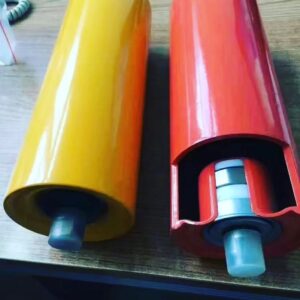
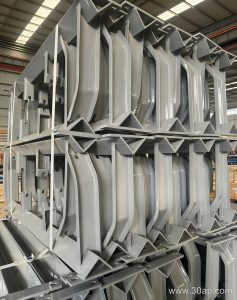
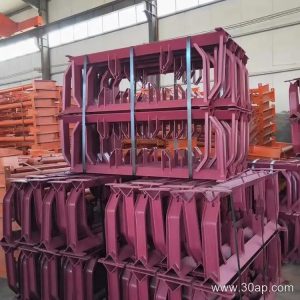
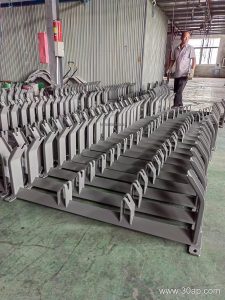
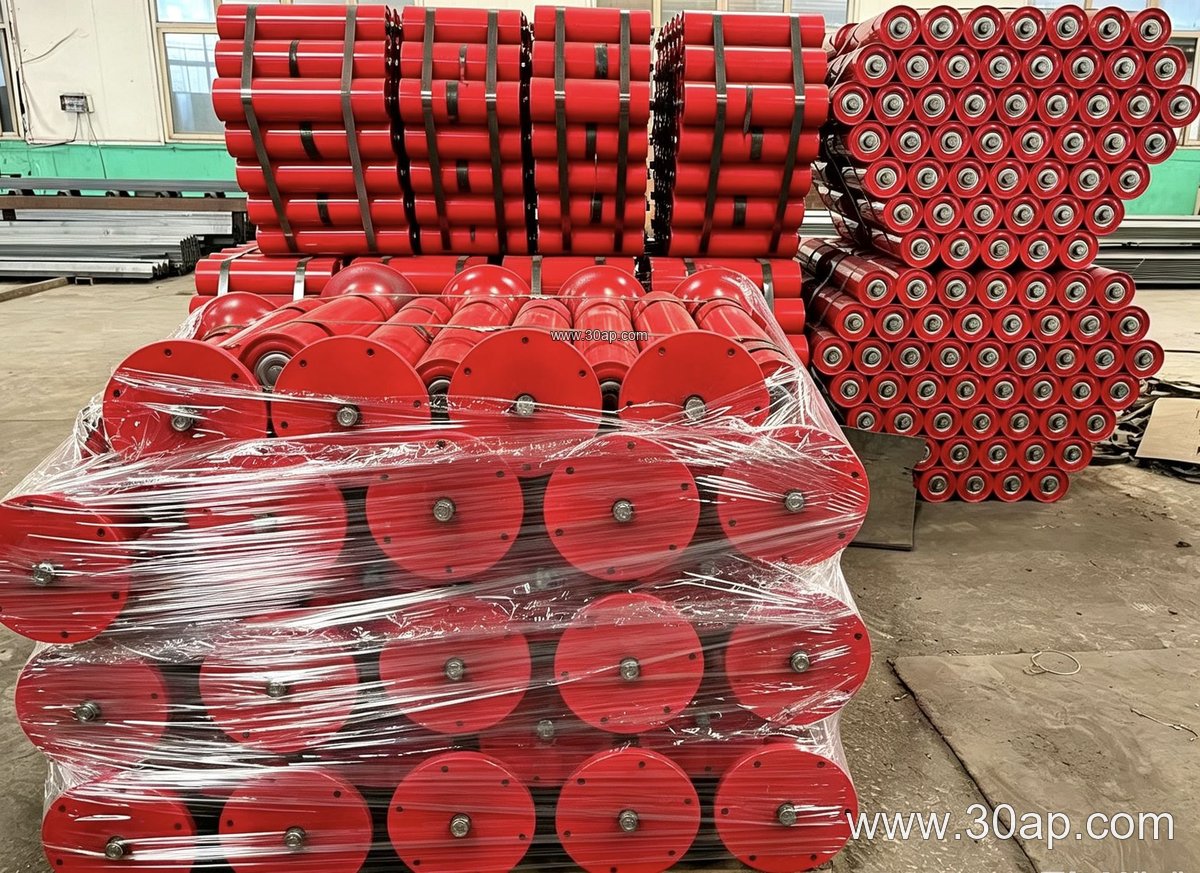
A high-strength idler is a heavy-duty carrying or return roller built to withstand high belt tensions, impact loads, and abrasive materials in continuous conveying. Unlike standard idlers, it uses thicker wall tubing, reinforced bearing housings, and advanced sealing to maintain rotation under stress. In a quarry conveyor belt or a coal mining conveyor belt, the idler must support the belt and material without premature failure. The high-strength idler roller is often paired with a robust conveyor bracket to keep the entire assembly stable.
Construction and Key Features
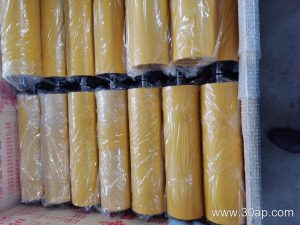
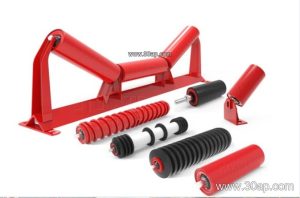
The high-strength idler typically features a seamless steel tube with increased wall thickness, machined bearing seats, and precision-balanced rollers. Bearings such as 6205, 6305, or 6308 are common, selected according to load and speed rather than a fixed match to any diameter. Sealing systems may include labyrinth seals, felt seals, or triple-lip seals to block dust and water. Surface options include plain steel, nylon, rubber rings for impact absorption, or ceramic coating for extreme abrasion. The shaft is usually solid or thick-walled, with ends designed for secure mounting in the conveyor bracket.
Where It Fits in the Conveyor
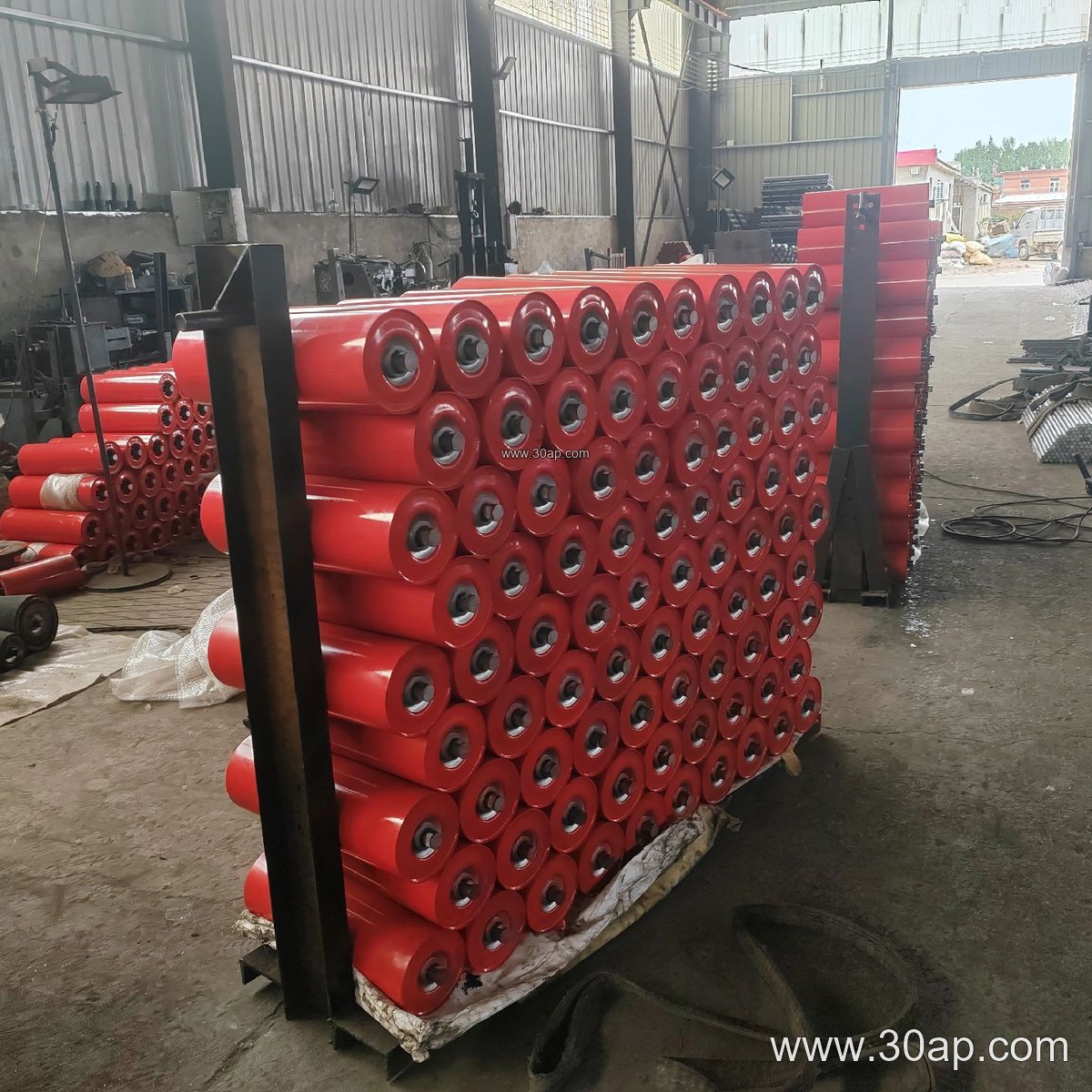
High-strength idlers are used in the carrying run, return run, and transition zones. In a limestone mine or iron ore plant, they support heavy lumps and sharp edges. At a power plant coal handling system, they handle high-tonnage loads with minimal maintenance. In a cement plant, they endure abrasive clinker dust. The idler works alongside the conveyor pulley—whether a drive pulley, tail pulley, or bend pulley—but it is not a substitute for any of these. Each pulley type has a distinct role in belt traction and direction change.
Common Configurations and Dimensions
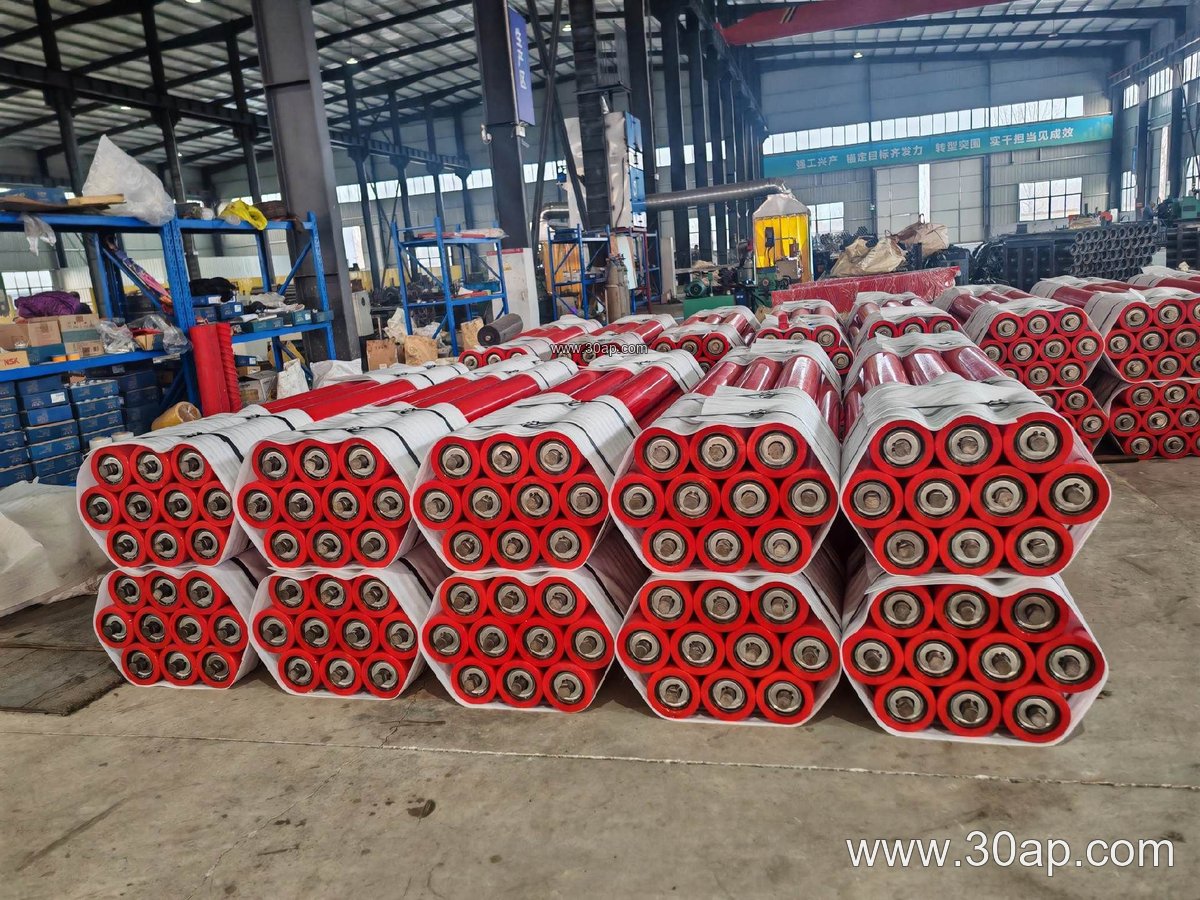
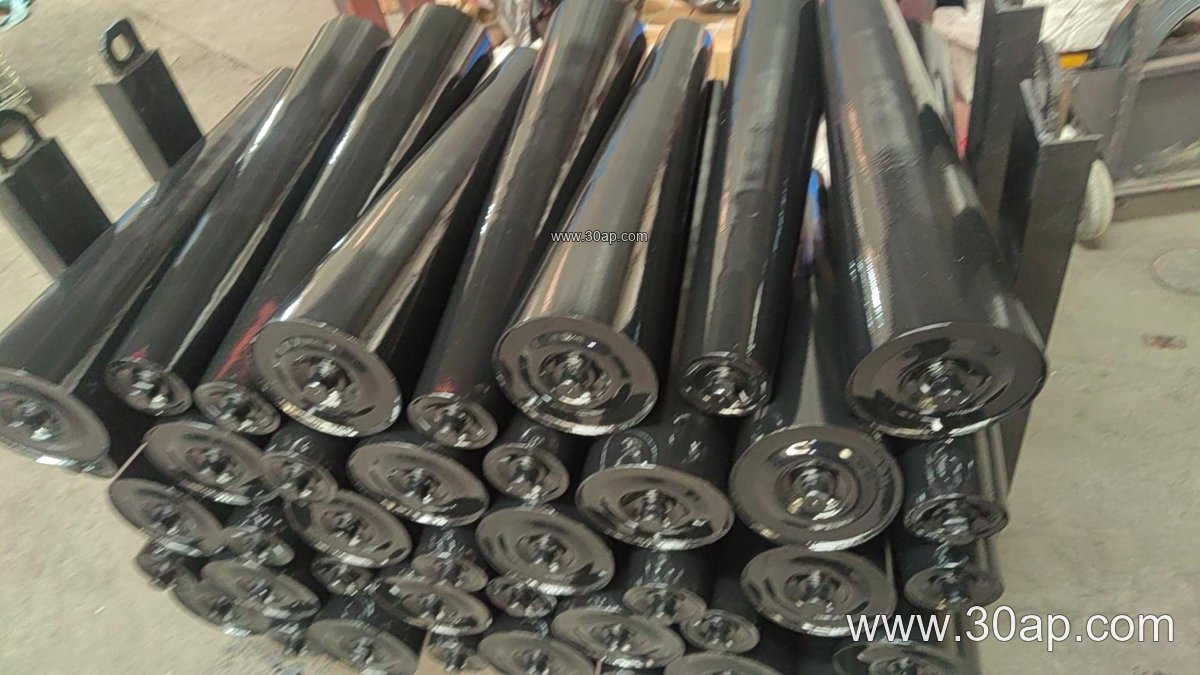
High-strength idlers are available in troughing sets (two-roll or three-roll), return rollers, impact rollers, and self-aligning types. Common roller diameters include Ø89, Ø108, Ø133, Ø159, and Ø178 mm. Belt widths range from B500 to B2000, with roller lengths varying by trough angle and set design. For example, a three-roll troughing set at B1000 may use a center roller around 380 mm long, while the side rollers differ. These are typical references, not fixed pairings. Trough angles of 20°, 30°, 35°, and 45° are common, and a 1.5° to 2° forward tilt is sometimes used for self-training.
Selection and Maintenance Tips
Choose a high-strength idler based on actual load, belt speed, and environmental conditions. In a copper ore conveyor or a gold mining operation, impact resistance and sealing are critical. For a coal mining conveyor belt with flame retardant requirements, the idler should be compatible with the belt’s antistatic properties. Regular inspection of bearing play, seal condition, and roller surface wear helps prevent belt damage. Lubrication is usually sealed for life, but replacing worn idlers promptly avoids costly downtime. Remember that idlers and pulleys are distinct components—drive, tail, and bend pulleys are not interchangeable with idlers.
Buyer Checklist
- Verify roller diameter and length against belt width and trough angle.
- Confirm bearing size and sealing type for the environment.
- Check tube wall thickness and shaft material for load capacity.
- Ensure mounting dimensions match existing conveyor brackets.
- Consider surface options like rubber rings for impact zones.
For reliable performance in abrasive and heavy-duty applications, specify a high-strength idler that matches your conveyor’s actual demands, not just a catalog number.