What a Friction Idler Does on a Belt Conveyor
A friction idler is a self-aligning idler roller that uses the friction between its rotating parts and the moving belt to steer the belt back toward the center line. In a typical friction self-aligning idler, the roller shell is mounted so that it can turn slightly around a vertical pivot, and the friction force generated by the belt drives the roller into a small angle. That angle produces a sideways force that corrects belt drift. It is a simple, mechanical way to keep a conveyor belt on track without sensors or motors.
Unlike a fixed troughing idler, the friction idler is meant to move. The correction happens continuously, so the support works quietly in the background of a running line. The same idea is sometimes described as a friction self-aligning roller or friction training idler, and those names refer to the same product.
How the Friction Idler Is Built
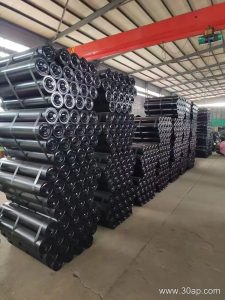
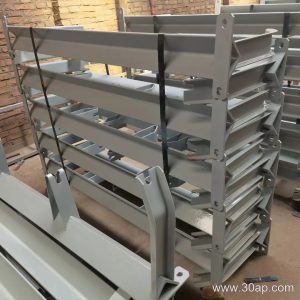
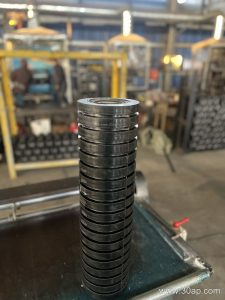
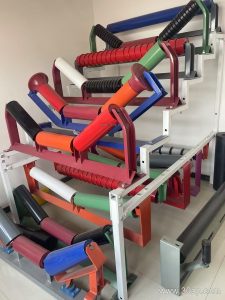
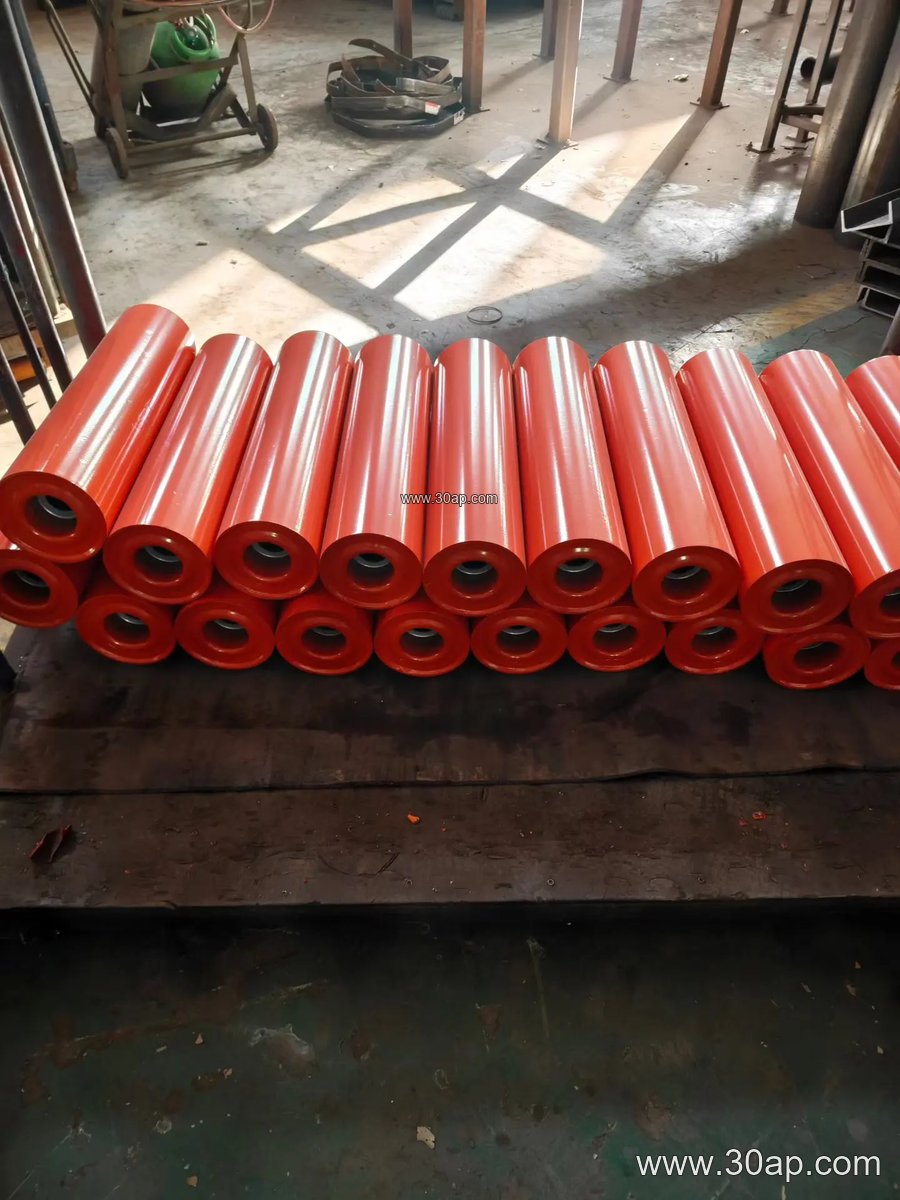
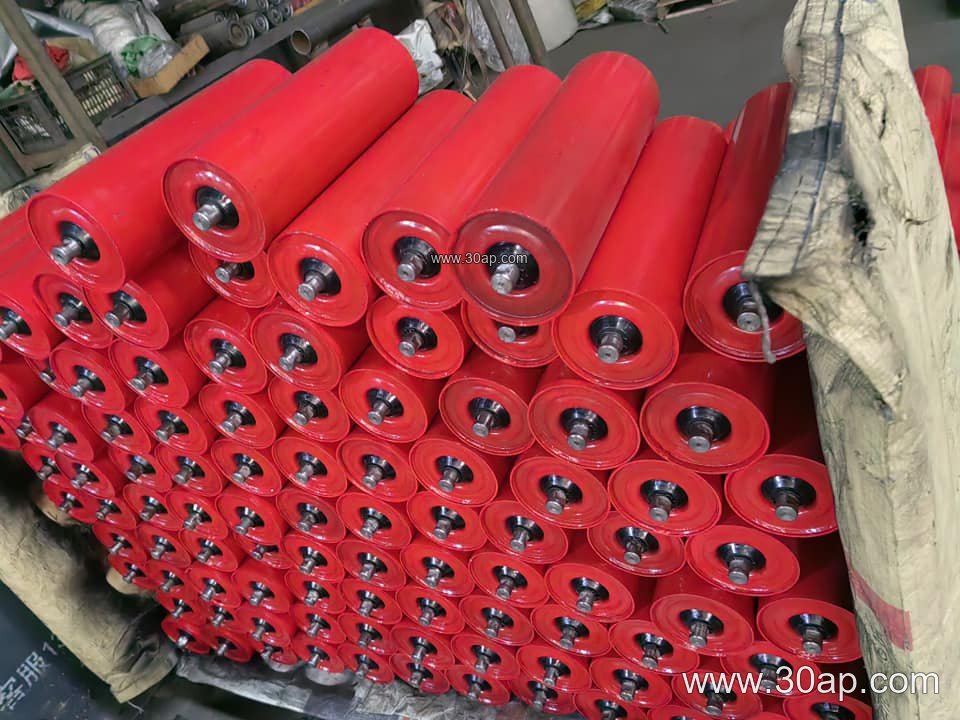
The body usually starts with a steel tube shell, fitted with bearing housings at both ends and a shaft that passes through the frame. The frame itself sits on a pivot bracket, often with a vertical pin, so the whole assembly can swing a few degrees. A friction ring or friction disc is arranged so that belt contact creates the turning moment needed to angle the roller. Common bearing sizes include 6204, 6205, 6305, 6306, 6308 and 6310, matched to the load and shaft design rather than to belt width alone.
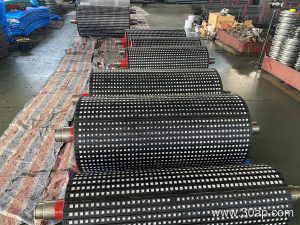
- Shell materials: steel tube, nylon, ceramic or rubber ring surface
- Typical roller diameters: Ø63, Ø76, Ø89, Ø102, Ø108, Ø127, Ø133, Ø159, Ø178, Ø194, Ø219
- Trough angles on related idler sets: 20°, 30°, 35°, 45°
- Mounting: conveyor bracket or frame with a vertical pivot
Surface form matters. A rubber ring surface adds grip and reduces slip on the belt, while a plain steel shell is common where fine material is carried. The pivot and the friction element should be inspected together, because wear in either one weakens the correcting action.
Where Friction Idlers Are Used
These self-aligning supports are common on long overland lines and on conveyors that see changing load patterns. In a limestone quarry, a friction idler near the loading point helps hold the belt after material drops onto it. In a coal washing plant, the same idler type can reduce edge wear on the belt where the line curves or where the belt is slightly misaligned. Aggregate lines, cement plants and power plant coal handling systems also use them on the return side and at transfer points.
The idler works with the belt, not against it, so it suits lines carrying a rubber conveyor belt, an EP conveyor belt with fabric core, or a heavier steel cord conveyor belt. On a mine conveyor belt carrying abrasive rock, the idler surface and the pivot should be selected for dust and grit. In a port or ship loading conveyor, the friction idler can be placed ahead of the bend pulley area to keep the belt centered before it reaches the conveyor pulley.
Choosing the Right Size and Position
Selection starts with the belt width and the trough angle, then moves to roller diameter, shaft and bearing. Belt widths in common use include B400, B500, B650, B800, B1000, B1200, B1400, B1600, B1800, B2000, B2200 and B2400. Roller length changes with belt width and idler set form; a three-roll troughing set at B800 often uses rolls around 315 mm, while B1200 may use rolls near 465 mm. These are typical examples, not fixed pairings, and the side rolls can differ from the center roll.
| Item | Common reference values |
|---|---|
| Belt width | B500, B650, B800, B1000, B1200, B1400, B1600 |
| Roller diameter | Ø89, Ø108, Ø127, Ø133, Ø159 |
| Trough angle | 20°, 30°, 35°, 45° |
| Bearing | 6205, 6305, 6306, 6308 |
| Surface | Steel, nylon, ceramic, rubber ring |
Position also matters. Friction idlers are usually installed in pairs or groups along a straight section, spaced so the belt has time to respond. Do not place one directly at a pulley or at a sharp transition. A short lead-in distance from the loading point gives the belt a chance to settle before the idler corrects it.
Buyer Checklist and Maintenance Notes
A buyer should confirm the belt width, the trough angle, the mounting bracket pattern and the available shaft space before ordering. Ask for the roller diameter and bearing size together, since one does not determine the other. For dusty or wet service, check the seal design and the surface form. For hot material, consider how the friction element behaves at temperature. For a flame retardant conveyor belt in an underground coal mining conveyor, the idler should be compatible with the belt and the surrounding equipment.
Maintenance is mostly visual. Check that the pivot turns freely, that the friction ring is not polished or worn smooth, and that the roller spins without noise. Replace a seized bearing early, because a stuck friction idler can drag the belt and cause edge damage. On a heavy-duty mining conveyor belt line, a small amount of routine inspection on these supports protects the belt, the conveyor pulley and the whole conveyor bracket assembly.