Understanding the Conveyor Tail Pulley
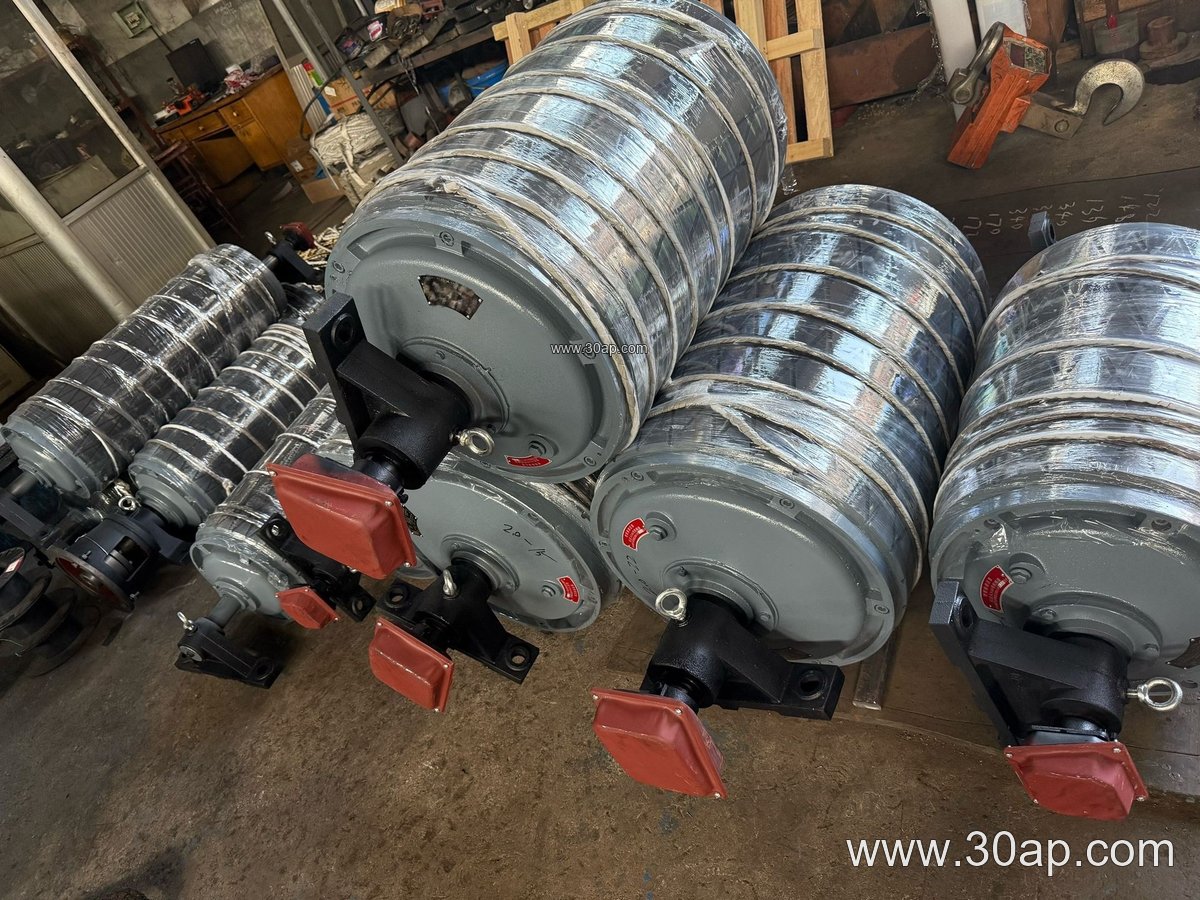
The conveyor tail pulley is the idler-like drum located at the rear of a belt conveyor, where the belt returns after discharging its load. Its primary job is to guide the belt and maintain proper tension, working in tandem with the drive pulley at the head end. Unlike a drive pulley that transmits power, the tail pulley is a non-driven component, but it is no less critical for smooth operation. In industries ranging from quarrying and mining to cement plants and power stations, a well-matched tail pulley keeps the belt tracking true and extends the life of the entire conveyor system.
Construction and Surface Options
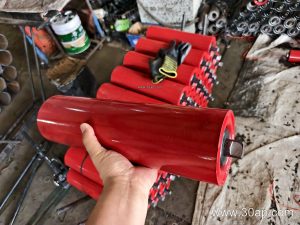
Most tail pulleys are built from a steel drum with a shaft, bearing housings, and a protective coating. The surface can be plain, rubber-lagged, or ceramic-lagged to improve grip and reduce wear. Common lagging thicknesses include 8, 10, 12, 15, and 20 mm. Rubber lagging is often cold-bonded or hot-vulcanized, while diamond or herringbone patterns help with self-cleaning in dusty conditions. The pulley diameter typically ranges from Ø200 to Ø1800, and the face width is usually slightly wider than the belt—for example, a B800 belt might use a pulley face around 950 mm. Shaft diameters from Ø50 to Ø200 are common, but the exact size must be calculated from torque and load, not simply matched to belt width.
Typical Size Combinations
Below are some reference combinations seen in the field; they are not universal rules, and final selection depends on the conveyor design.
- B500 belt with Ø400 tail pulley
- B800 belt with Ø500 tail pulley
- B1000 belt with Ø630 tail pulley
- B1200 belt with Ø800 tail pulley
- B1400 belt with Ø1000 tail pulley
- B1600 belt with Ø1250 tail pulley
These examples show that a given belt width can work with a range of pulley diameters, and the choice is driven by belt tension, wrap angle, and space constraints.
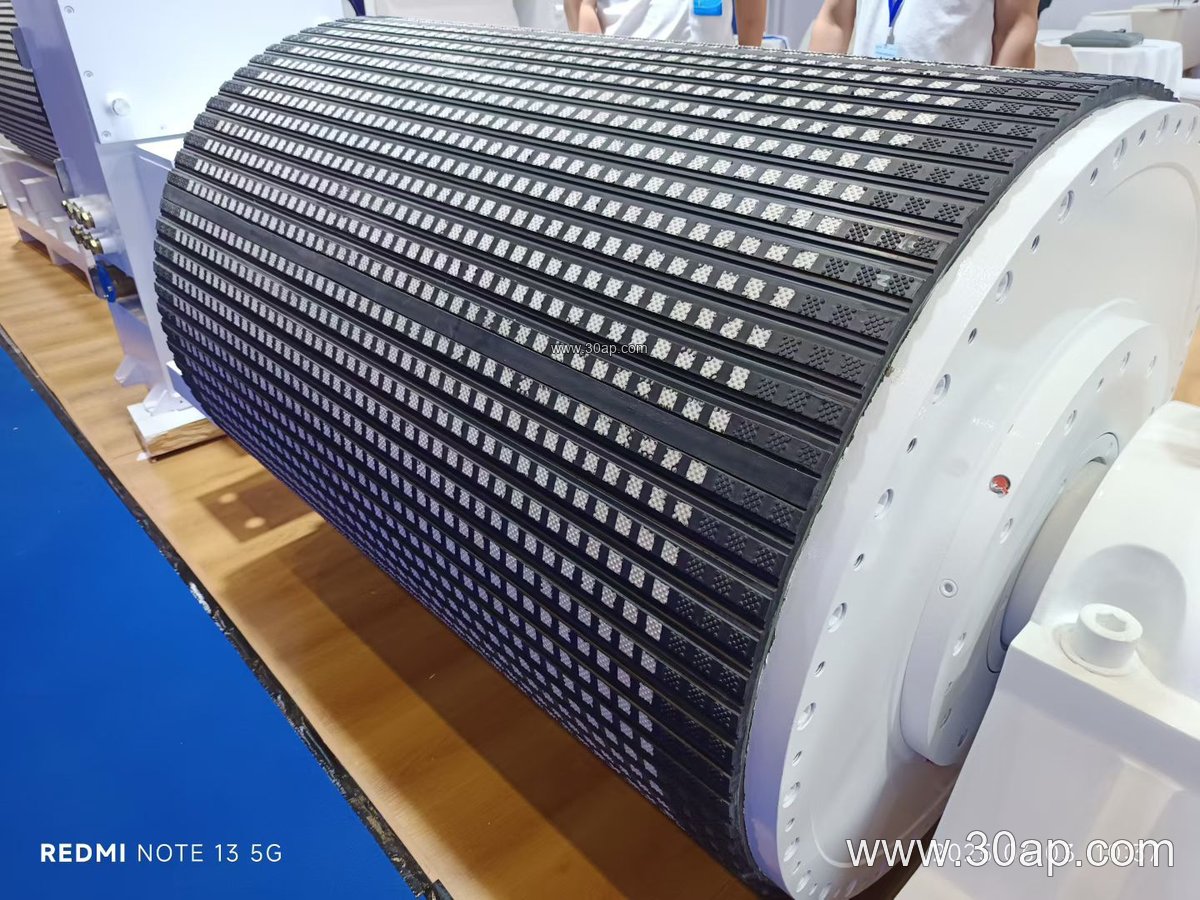
Where It Fits in the Conveyor Layout
The tail pulley is positioned at the return end, often acting as a tensioning point in shorter conveyors or as a simple redirect in long overland systems. In a coal mining conveyor belt line, it may be combined with a take-up device to keep the belt from slipping. In a quarry conveyor belt, the tail pulley frequently handles abrasive rock dust, so abrasion-resistant lagging is beneficial. For a cement plant conveyor belt or a power plant coal conveyor belt, the tail pulley must tolerate fine, gritty material without losing track alignment. It is not interchangeable with a bend pulley, which is used purely to change belt direction, nor with a drive pulley, which powers the belt.
Matching the Tail Pulley with the Conveyor Belt
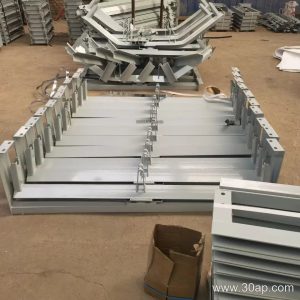
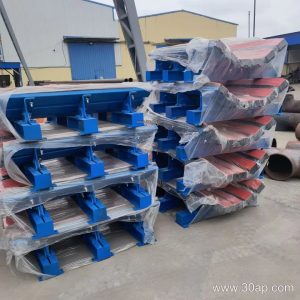
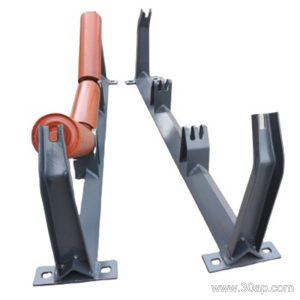
The tail pulley works in close partnership with the conveyor belt. A heavy-duty mining conveyor belt or a steel cord conveyor belt demands a robust tail pulley with sufficient diameter to reduce bending stress. For fabric core belts such as EP conveyor belt or NN conveyor belt, a smaller pulley diameter may be acceptable, but the belt’s minimum pulley diameter recommendation should always be respected. In food or recycling lines, a smooth, easy-to-clean tail pulley may be preferred, while in aggregate or iron ore operations, a lagged surface helps maintain traction. The tail pulley also interacts with the conveyor bracket and idler roller; proper alignment of these components prevents belt edge damage and reduces spillage.
Selection and Maintenance Tips
Buyers should consider the belt width, belt type, operating tension, and environmental conditions. A tail pulley for a 1200mm wide conveyor belt in a copper ore plant might need ceramic lagging and a Ø800 drum, while a smaller B650 unit in a fertilizer plant could use a plain Ø400 pulley. Always specify the shaft diameter based on calculated torque, not guesswork. Regular inspection of lagging wear, bearing condition, and shaft alignment will prevent unplanned downtime. Keeping the tail pulley clean and correctly tensioned is a simple way to protect the entire conveyor belt system.