What a Heavy-Duty Conveyor Bracket Does
A heavy-duty conveyor bracket is the structural support that holds idler rollers in the correct position under a loaded belt. On a large installation, the bracket is the quiet workhorse: it carries the weight of the belt, the material, and the roller itself, and it keeps the trough profile stable so the conveyor belt tracks straight. It is often called a heavy-duty idler support bracket or heavy-duty conveyor idler frame, and in practice the two names describe the same component.
Light frames may be fine on a short packing line, but in a quarry, a coal preparation plant, or an iron ore transfer house, vibration and impact punish every part of the structure. That is where the heavier bracket earns its place.
How the Bracket Is Built
Most heavy-duty units are fabricated from angle steel, channel steel, or folded steel plate. The gauge, the weld pattern, and the finish all matter more than the raw shape. A well-made bracket usually has:
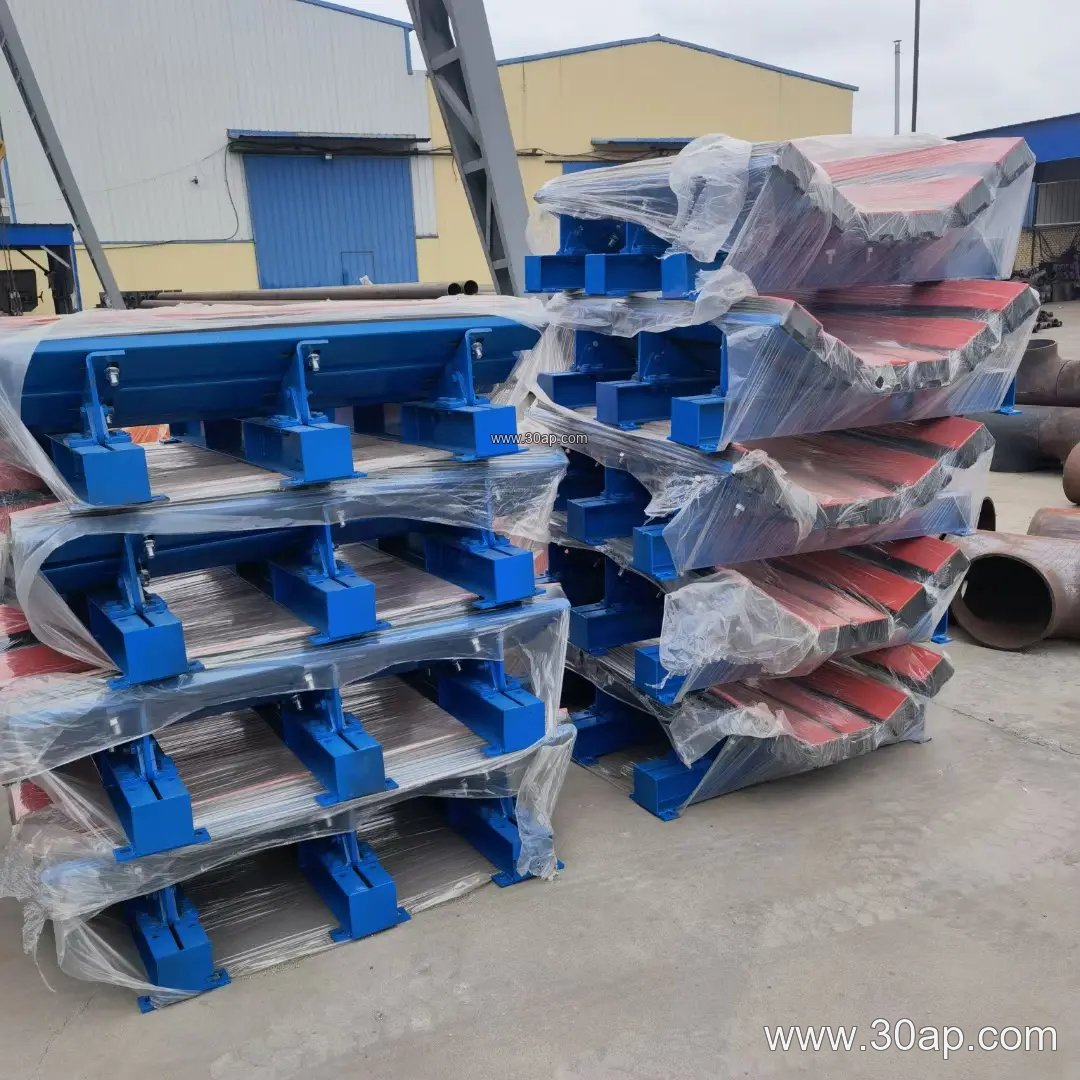
- Reinforced mounting slots or drilled holes that allow field adjustment
- Welded gussets or bent flanges to resist torsional load
- A coating or galvanized finish suited to dust, moisture, or washdown
- Accurate roller cradle spacing so the idler sits without rocking
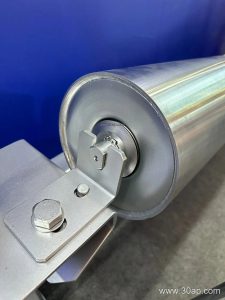
Because the bracket and the roller work as a pair, purchase them together where possible. A frame drilled for a Ø108 roller will not accept a Ø159 roller without modification, and mixing parts from different sources can create misalignment that shows up later as edge wear on the belt.
Common Types and Where They Sit
The bracket family is broad, and each type has a defined place in the conveyor line:
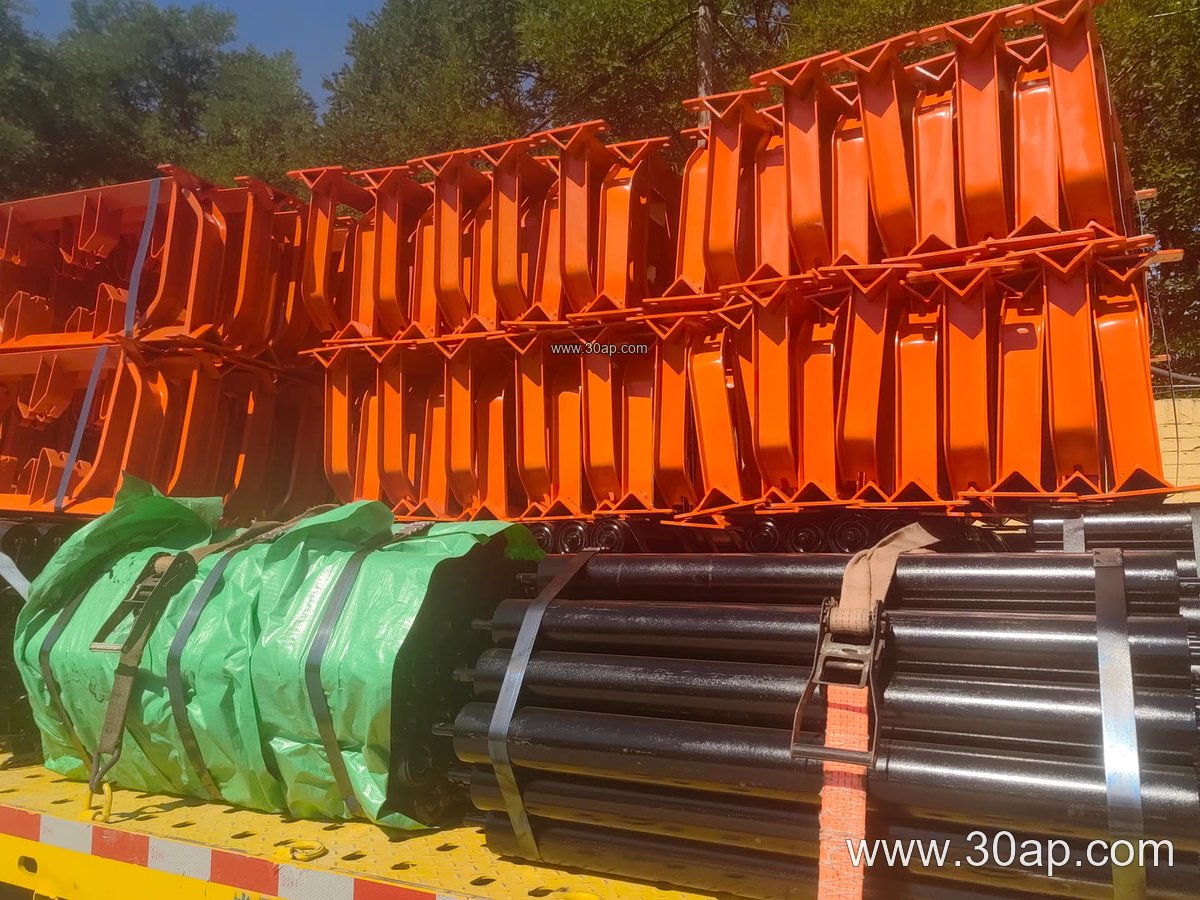
- Troughing bracket (carrying side): sets the trough angle, usually 20, 30, 35, or 45 degrees.
- Transition bracket: eases the belt from flat at the pulley to full trough.
- Return bracket: supports the empty side, often as a flat or V-return arrangement.
- Impact bracket: fitted below the loading point with cushion rollers to absorb falling material.
- Self-aligning bracket: corrects minor tracking drift on long runs.
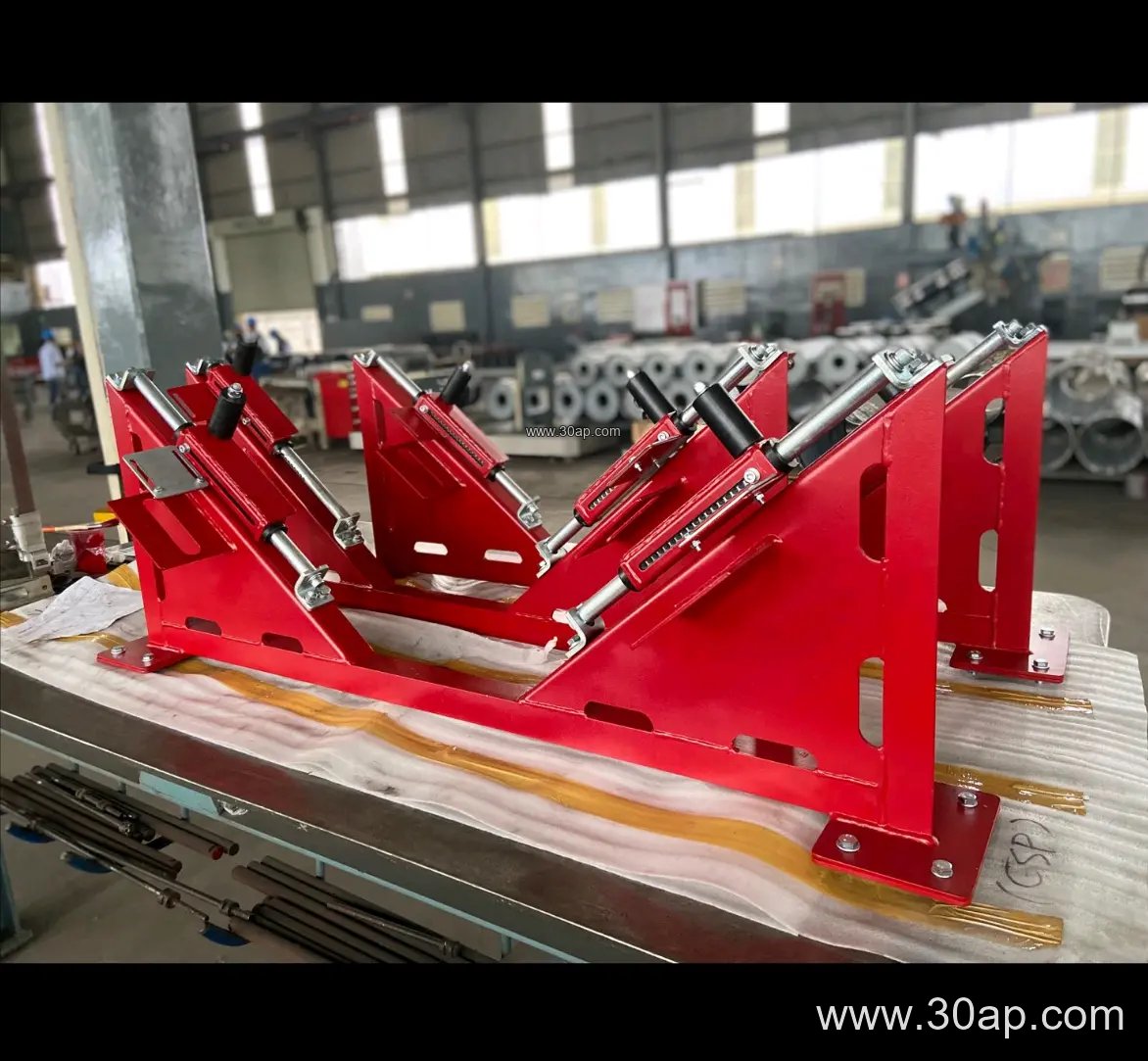
- Adjustable bracket: allows the trough angle to be changed on site.
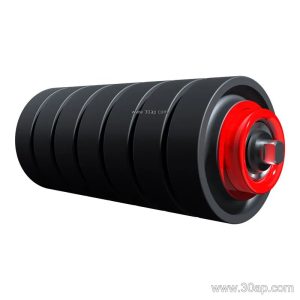
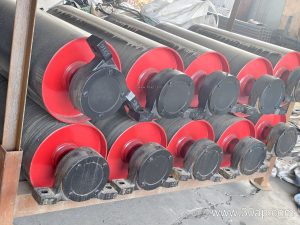
Drive pulleys, tail pulleys, and bend pulleys are separate components and are not interchangeable with any of these frames. A bracket supports rollers; a pulley drives or redirects the belt.
Matching Brackets to Belt and Roller Size
Belt width and roller diameter guide the selection, but they do not lock a system into a single combination. A B800 belt may run with Ø89 or Ø108 rollers depending on load and speed, while a B1200 frame at 45 degrees often uses Ø133 rollers. The table below shows typical pairings for reference only; the final choice belongs to the conveyor designer.
| Belt Width | Typical Trough Angle | Common Roller Diameter | Typical Application |
|---|---|---|---|
| B500 / B650 | 20–30 degrees | Ø89 | Small transfer, aggregate feed |
| B800 / B1000 | 30–35 degrees | Ø108 | Sand and gravel lines, cement additives |
| B1200 / B1400 | 35–45 degrees | Ø133 | Coal handling, ore transport |
| B1600 / B1800 | 35–45 degrees | Ø159 | Heavy bulk material, port loading |
| B2000 and wider | 35–45 degrees | Ø194 | Large mining and power plant systems |
Mounting hole spacing and crossbeam length change with belt width and trough angle, so bracket dimensions should always be confirmed against the drawing rather than assumed. A forward-tilted frame, commonly about 1.5 to 2 degrees, is sometimes used to improve belt training.
Where These Frames Are Used
Heavy-duty brackets appear wherever tonnage is high and downtime is expensive. In a limestone quarry or a stone crushing line, impact frames sit under the crusher discharge and take constant punishment. In a power plant coal yard, troughing frames carry a flame retardant conveyor belt through long galleries, while return brackets keep the empty strand from sagging. A cement plant uses similar frames on clinker and raw meal circuits, often alongside abrasion resistant conveyor belt grades where wear is severe. In a port or ship loading terminal, wide belts on Ø159 or Ø194 rollers need sturdy frames to hold alignment through the transfer points.
Whatever the site, the bracket must suit the belt it carries. A steel cord conveyor belt on a long overland run demands more support precision than a short fabric core conveyor belt in a blending yard, and the frame selection should reflect that difference.
Buyer Checklist
- Confirm belt width, trough angle, and roller diameter before ordering.
- Ask for the mounting hole pattern and crossbeam length in writing.
- Check material thickness and weld quality, not just the profile shape.
- Specify the finish according to the environment: dusty, wet, or corrosive.
- Consider adjustable frames where future changes to trough angle are likely.
- Keep spare frames for high-impact positions, since these fail first.
A well-chosen heavy-duty conveyor bracket will outlast several sets of rollers, and it protects the most expensive part of the system, the belt itself. For more on matching frames with conveyor roller and conveyor pulley components, review the full conveyor bracket range before finalizing an order.