What a High Temperature Conveyor Belt Is
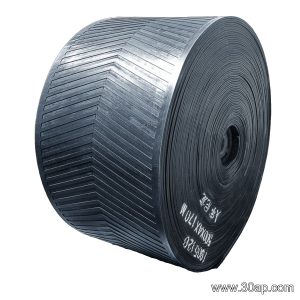
A high temperature conveyor belt, also described as a heat resistant conveyor belt, is a rubber conveyor belt built to carry hot bulk materials without losing its cover, carcass strength, or tracking behavior. Instead of standard SBR or natural rubber compounds, the cover uses heat-resistant elastomers such as EPDM or specially formulated blends, often with a heat-stable carcass underneath. In a cement plant, a power plant, or a steel plant, this belt is the part of the conveyor that meets clinker, sinter, ash, or hot coke directly, so its heat tolerance decides how long the whole line runs between replacements.
Construction and Internal Build
The working side of the belt is the cover compound, usually black and slightly harder than an abrasion resistant grade. Under it sits the carcass, which may be a fabric core conveyor belt with EP or NN plies, or a steel cord conveyor belt for very long, high-tension runs. The bottom cover is normally a thinner abrasion resistant layer that protects the pulleys and idler rollers. Edge protection and skim coats between plies keep heat from delaminating the belt from the inside.
Common cover thickness combinations include 4+2 mm, 6+2 mm, and 8+3 mm, and fabric carcasses usually run from 2 to 6 plies depending on the load. Heat-resistant belts are often supplied with a breaker fabric or a heat barrier layer when surface temperatures are very high. Because hot material also tends to be abrasive, many buyers combine heat resistance with a high abrasion resistant cover.
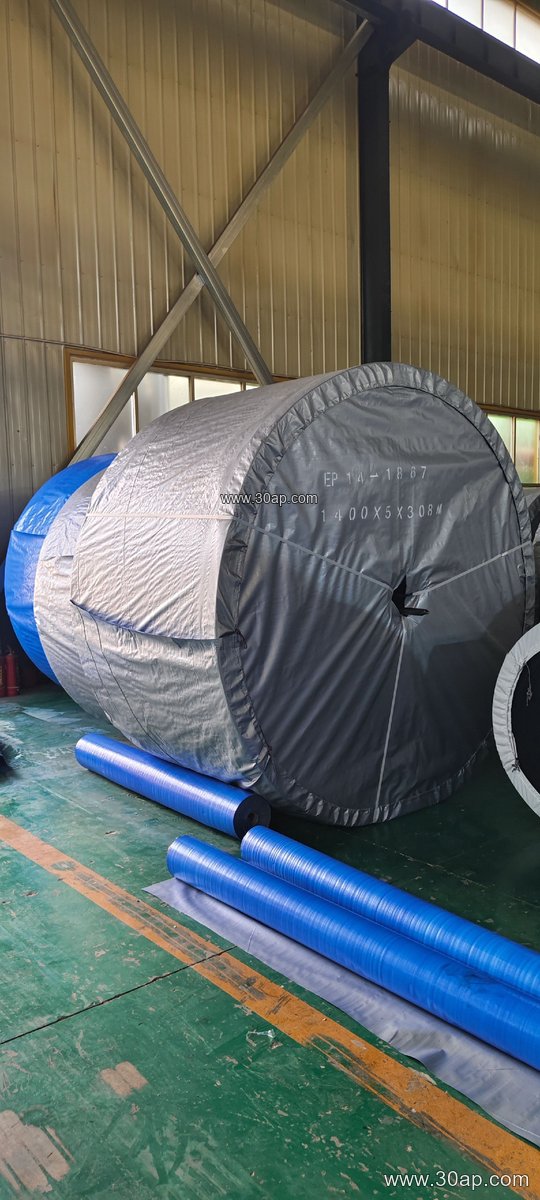
Typical Working Conditions
- Cement plants: clinker and cement dust at elevated temperature.
- Power plants: ash and boiler residue handling.
- Steel plants: sinter, coke, and hot briquettes.
- Mining and quarry sites: hot ore from dryers or kilns.
- Foundries and recycling lines: hot castings and process residue.
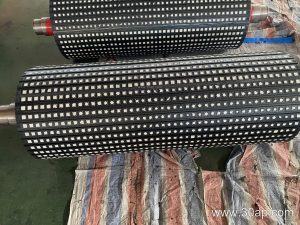
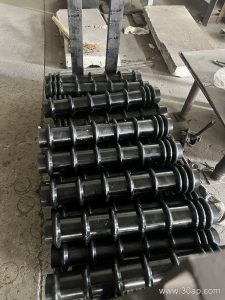
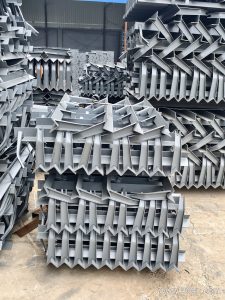
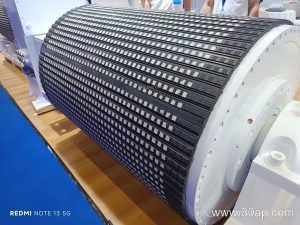
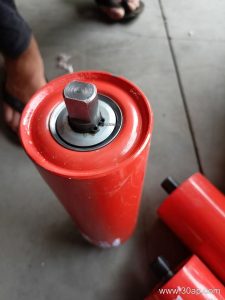
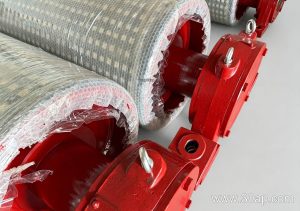
In these places the belt works alongside conveyor pulleys, conveyor brackets, and idler rollers that must also tolerate heat and dust. A high temperature conveyor belt is not a substitute for a flame retardant conveyor belt or a fire resistant conveyor belt; those grades address ignition risk, while heat resistance addresses thermal aging. If the material is both hot and oily, an oil resistant conveyor belt may be needed as well, and the two properties should be specified together.
Reference Specifications
The table below lists typical reference values, not fixed supply promises. Actual construction is confirmed per project and per manufacturer.
| Item | Common reference values |
|---|---|
| Belt type | Heat resistant rubber conveyor belt; EP or NN fabric core, or steel cord |
| Carcass grades | EP200, EP315, EP400, EP500, EP630, EP800, EP1000, EP1250 |
| Steel cord grades | ST1000, ST1250, ST1600, ST2000 |
| Belt width | B500, B650, B800, B1000, B1200, B1400, B1600, B1800, B2000 |
| Cover thickness | 4+2 mm, 5+2 mm, 6+2 mm, 8+3 mm |
| Ply count | 2 to 6 plies for fabric cores |
Width and pulley size are matched by conveyor design, not by a fixed rule. A 1200mm wide belt may run on different pulley diameters in different installations, so the drive pulley, tail pulley, and bend pulley should be checked against the belt supplier’s data rather than assumed from width alone.
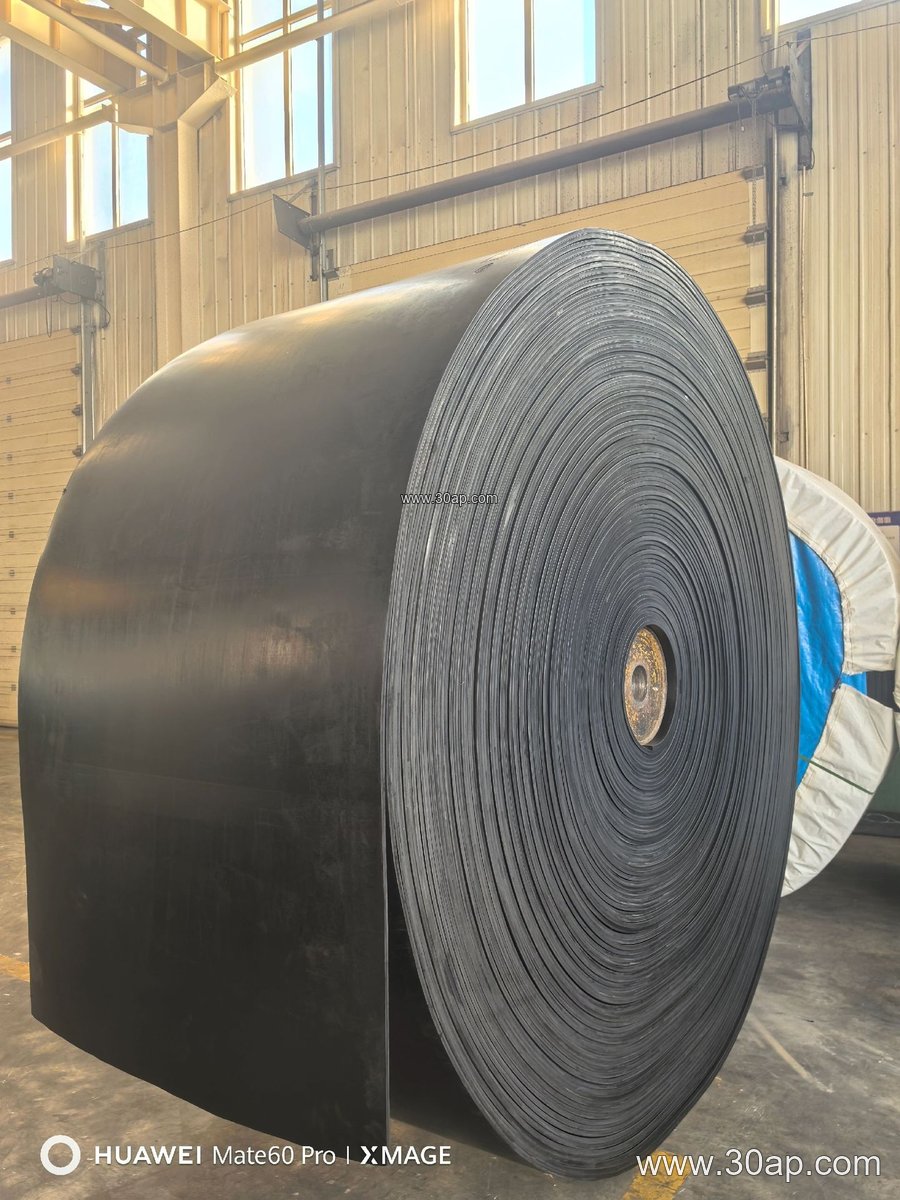
Buyer Checklist
Before ordering, record the maximum material temperature, the duration of exposure, and whether the heat is continuous or intermittent. Note the belt speed, the center distance, the lump size, and the tonnage per hour. Check whether the belt must also be anti-static conveyor belt grade, flame retardant, or oil resistant. Confirm the pulley diameters, the trough angle, and the idler roller spacing, because a stiff heat-resistant cover changes troughing behavior.
For long overland or high-lift lines, a steel cord conveyor belt is often considered; for medium runs, an EP conveyor belt or NN conveyor belt with a heat-resistant cover is common. Underground coal mining conveyor belt applications usually add flame retardant and anti-static requirements, while a quarry conveyor belt or aggregate conveyor belt mostly needs heat plus abrasion resistance. Whatever the line, endless conveyor belt splicing should be done with a heat-compatible splice material and a controlled vulcanizing cycle.
Installation and Maintenance Notes
Keep the belt tracking straight and avoid sharp transitions that stress the hot cover. Inspect the cover for hardening, cracking, and edge wear, and check the pulley lagging and idler rollers for heat damage at the same time. Store spare rolls away from direct sunlight and heat sources. A belt that shows surface crazing is aging from heat, and continuing to run it will eventually expose the carcass. Planned inspection is cheaper than an unplanned shutdown in a cement kiln line or a power plant coal yard.