What an EP Conveyor Belt Is
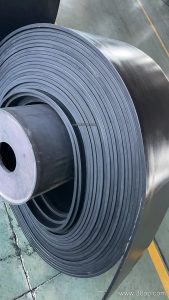
An EP conveyor belt is a fabric-core belt built with polyester (E) warp yarns and nylon (P) weft yarns. This EP fabric core gives the belt high tensile strength, low elongation and good resistance to impact, making it a practical choice for moving bulk materials over long distances. In many plants the product is also called an EP rubber conveyor belt or EP fabric core conveyor belt, and all three names refer to the same construction. The belt is not a steel cord conveyor belt, nor is it an NN conveyor belt; the EP core is its defining feature.
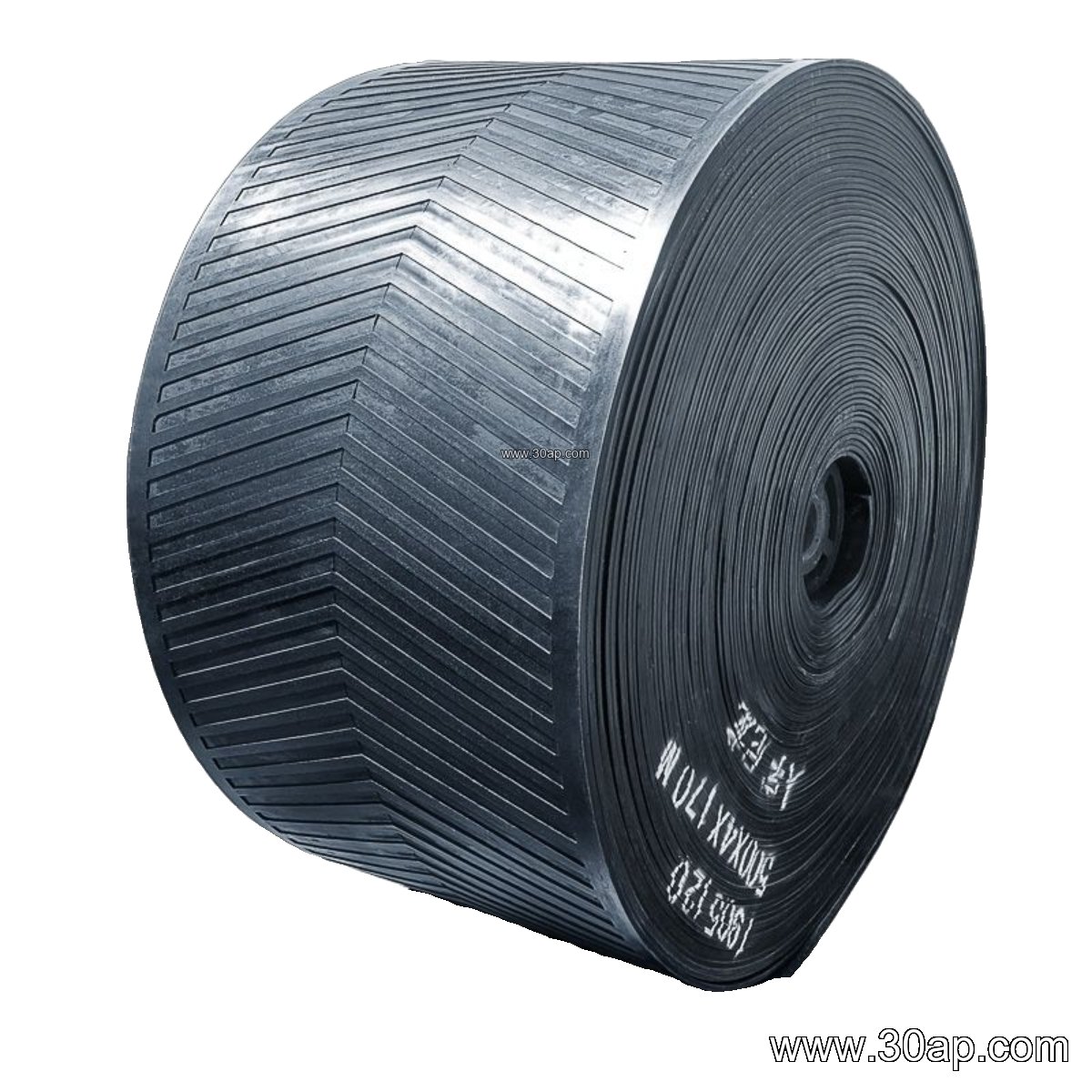
Construction and Cover Compounds
A typical EP conveyor belt consists of two to six plies of EP fabric, a rubber cover on the top and bottom, and an optional breaker or edge protection layer. The cover compound is selected for the duty: abrasion resistant, heat resistant, oil resistant, flame retardant, anti-static, cold resistant or acid and chemical resistant grades are common. Cover thickness is often written as a pair, for example 4+2 mm or 6+2 mm, meaning top cover plus bottom cover. The fabric plies and the rubber skim between them are bonded during vulcanization. Buyers should note that a flame retardant conveyor belt for underground coal mining is a different specification from a standard EP belt, even when the core is the same.
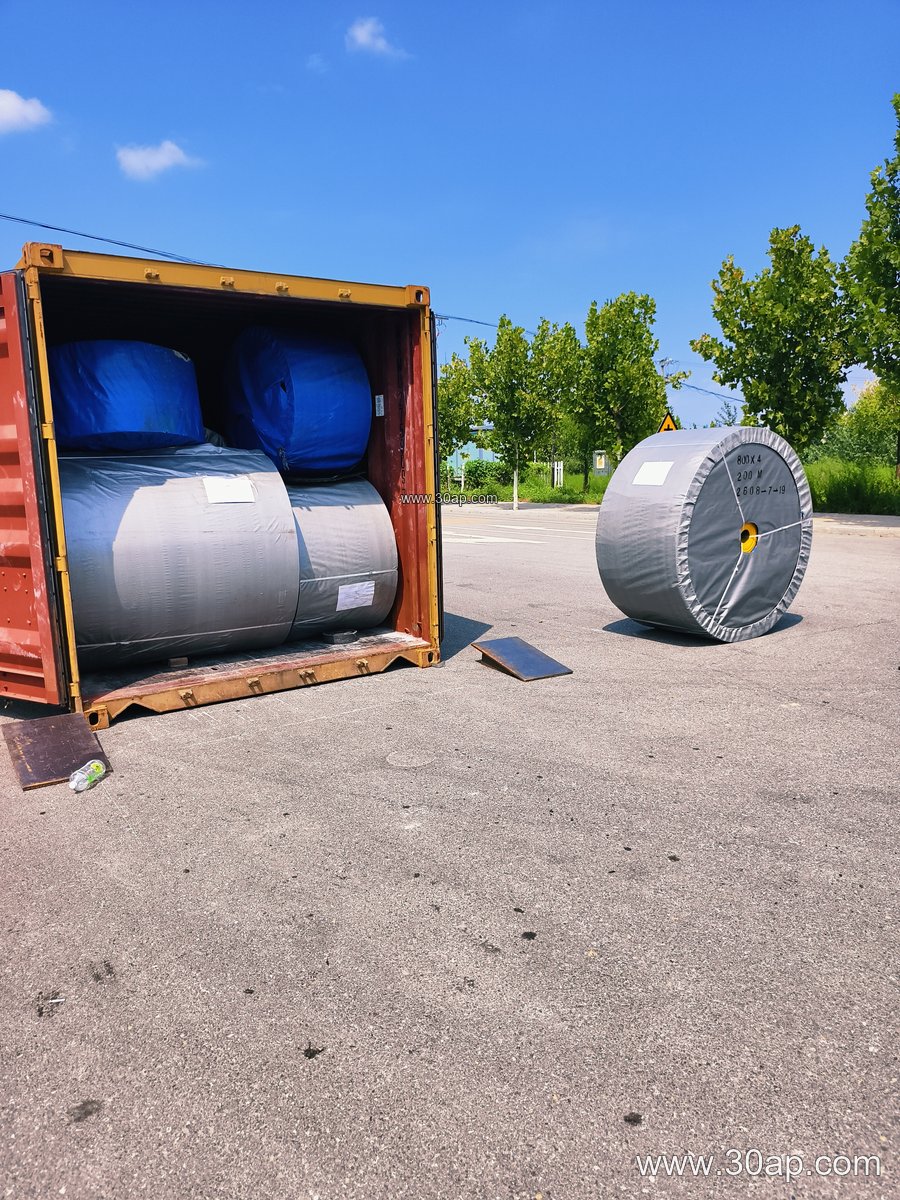
Common Strength Grades and Widths
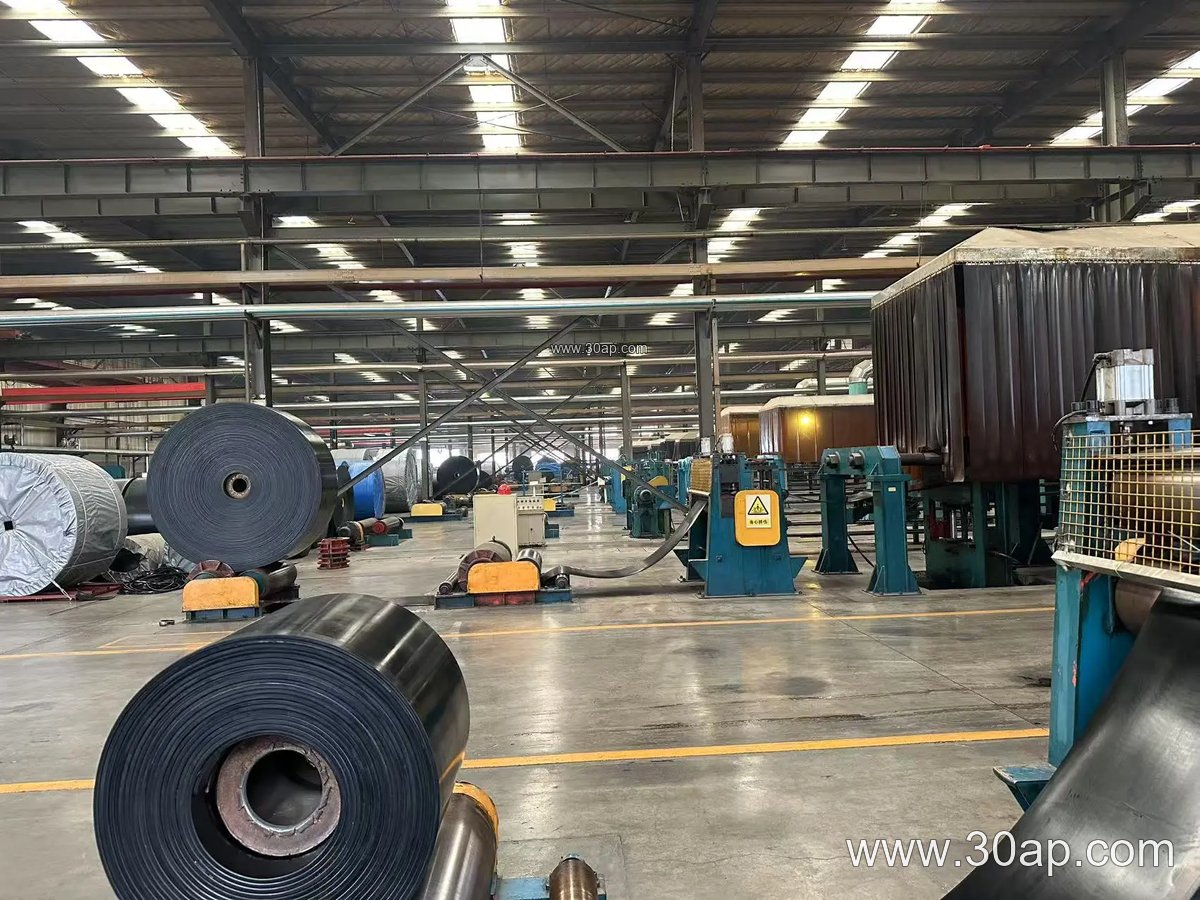
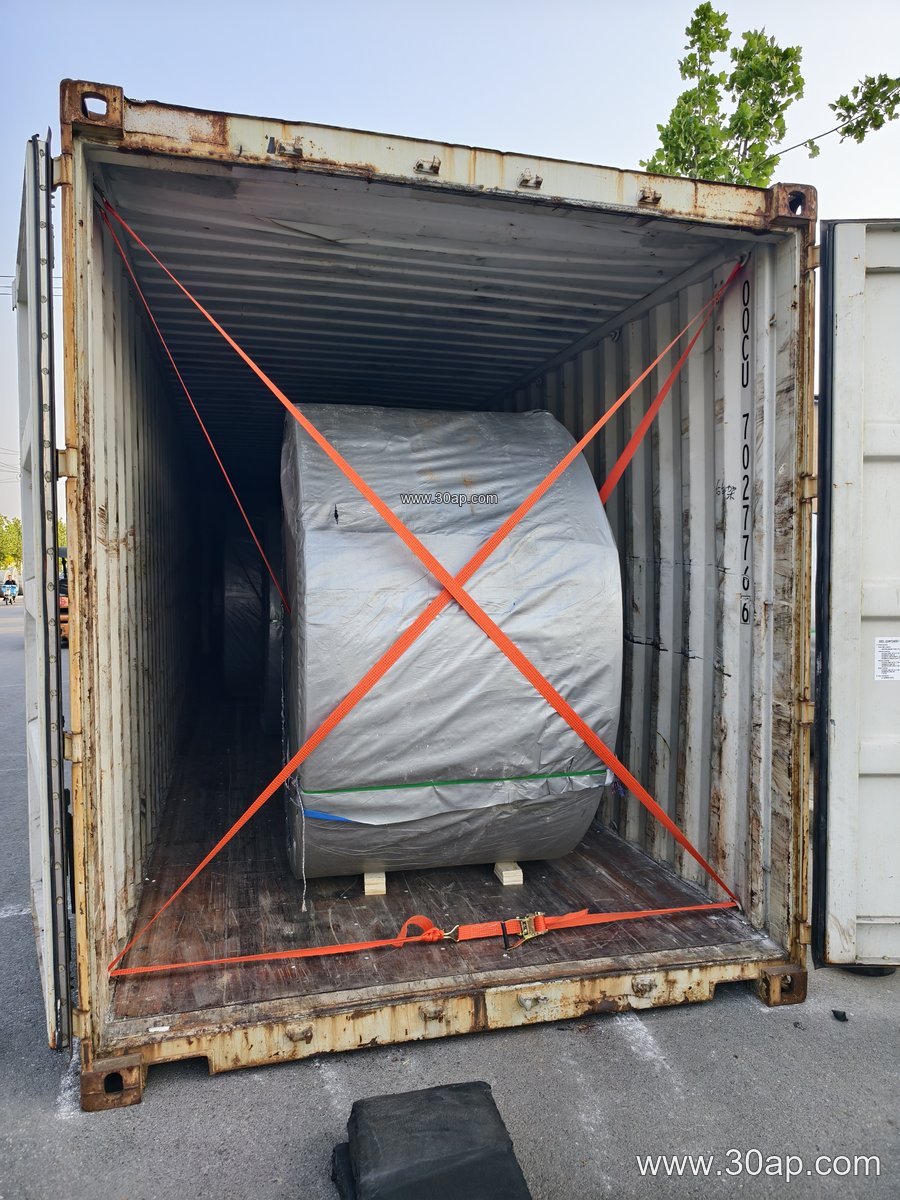
EP belts are usually identified by their tensile strength per unit width. The table below shows typical grades and common belt widths; the values are reference data and actual supply is confirmed by the manufacturer.
| Strength Grade | Common Width Range | Typical Use |
|---|---|---|
| EP200 | B500 to B1000 | Light aggregate and sand conveying |
| EP315 / EP400 | B650 to B1200 | Quarry conveyor belt and crusher feed lines |
| EP500 / EP630 | B800 to B1400 | Cement plant and power plant bulk material |
| EP800 / EP1000 | B1000 to B1600 | Heavy-duty mining and port loading |
| EP1250 / EP1600 | B1200 to B1800 | Iron ore, copper ore and long overland conveyors |
| EP2000 | B1400 to B2000 | High strength main haulage belts |
Widths such as 800mm, 1000mm, 1200mm and 1500mm are common in cement and coal handling, while wider belts of 1800mm or 2000mm appear in large port and mine projects. Thickness is not a single number; a 10mm thick EP conveyor belt may have different cover and ply combinations, so the full specification should be stated.
Where EP Belts Are Used
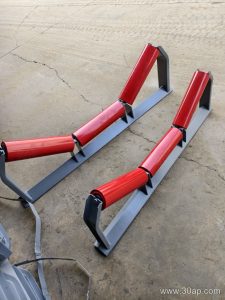
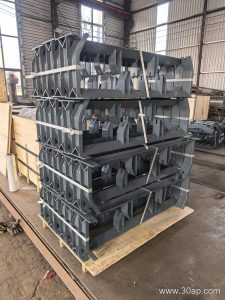
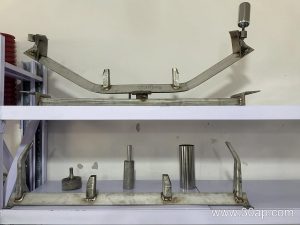
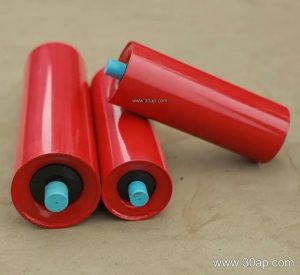
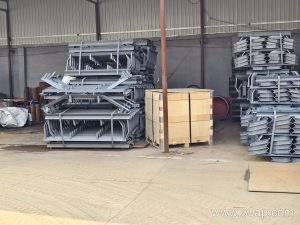
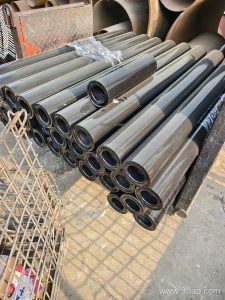
EP conveyor belts are widely used in mines, coal preparation plants, cement kilns and clinker lines, power station coal yards, sand and gravel pits, steel plants, ports and recycling facilities. In a typical conveyor, the belt runs over idler rollers and is driven by a conveyor pulley; the drive pulley, tail pulley and bend pulley each have a distinct role and are not interchangeable. The belt also interacts with the conveyor bracket and frame, so alignment and loading conditions matter. For steep inclines a chevron conveyor belt or a corrugated sidewall belt may be chosen, but those are separate designs and not a replacement for a standard EP belt.
Buyer Checklist
- Confirm the required strength grade, number of plies and cover thickness for the material and duty.
- Check whether flame retardant, anti-static or heat resistant properties are needed for the site.
- Match belt width to the conveyor design and the material lump size, not to a single pulley diameter.
- Ask for the full specification rather than a single size, because cover and ply combinations vary.
- Consider impact resistance at transfer points and abrasion resistance on long haul routes.
- Remember that an endless conveyor belt made on site may differ from an open-length belt joined later.
For any project, the EP conveyor belt should be selected together with the conveyor pulley, idler roller and conveyor bracket to ensure the whole system works as intended.