What the NN400 Conveyor Belt Is
The NN400 Conveyor Belt is a multi-ply fabric-core rubber belt built around nylon warp and nylon weft canvas. In the NN naming system, the number refers to the nominal tensile strength of the carcass, so an NN400 belt sits in the middle-to-heavy range of nylon fabric belts, above NN100, NN200 and NN300, and below higher classes. It is the kind of belt specified when a conveyor must carry dense, abrasive bulk material over long distances without stepping up to a steel cord carcass.
Because both warp and weft are nylon, the carcass offers high strength with good flexibility and excellent resistance to fatigue. The belt absorbs starting shocks and impact at loading points better than a stiff steel cord belt, which is why quarry operators often choose an NN Conveyor Belt for primary and secondary crushing lines. This article explains how the belt is constructed, where it fits, and what to check before ordering.
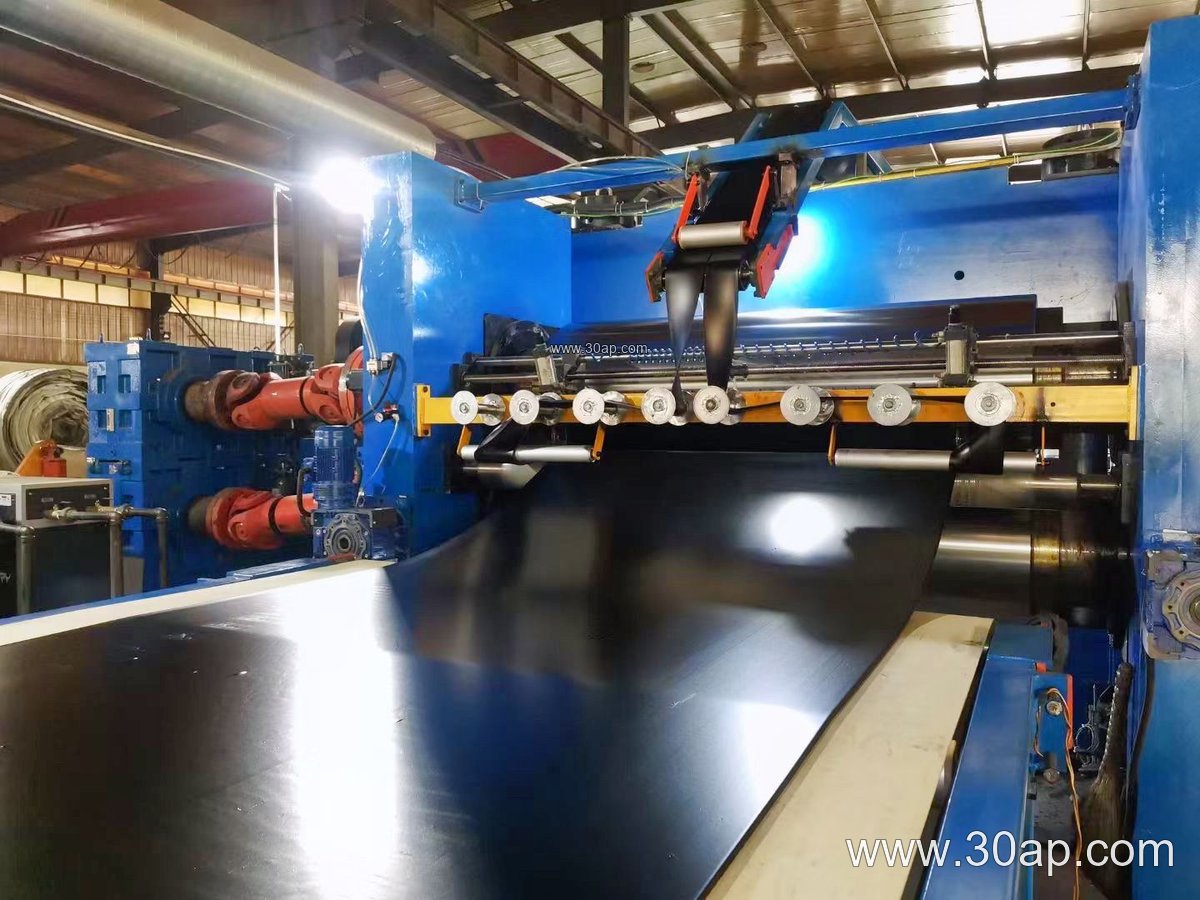
Construction and Carcass Build
The belt is a composite: a nylon fabric core carries the tension, and rubber covers protect the core from wear, moisture and heat. Typical builds use 2 to 6 plies depending on the required strength and the pulley diameters on the conveyor. Cover rubber grades are selected for the duty: an Abrasion Resistant Conveyor Belt cover for sand and gravel, a Heat Resistant Conveyor Belt cover near cement kilns or clinker, and a Flame Retardant Conveyor Belt or Anti-Static Conveyor Belt cover for coal handling and underground work.
Cover thickness is usually quoted as top plus bottom, for example 4+2 mm, 5+2 mm, 6+2 mm or 8+3 mm. Thicker top covers suit sharp, lumpy rock; thinner covers suit fine, non-abrasive material. The carcass is skim-coated and frictioned so the plies bond into one body, and edges are protected either with cut edges or with a molded edge for extra durability.
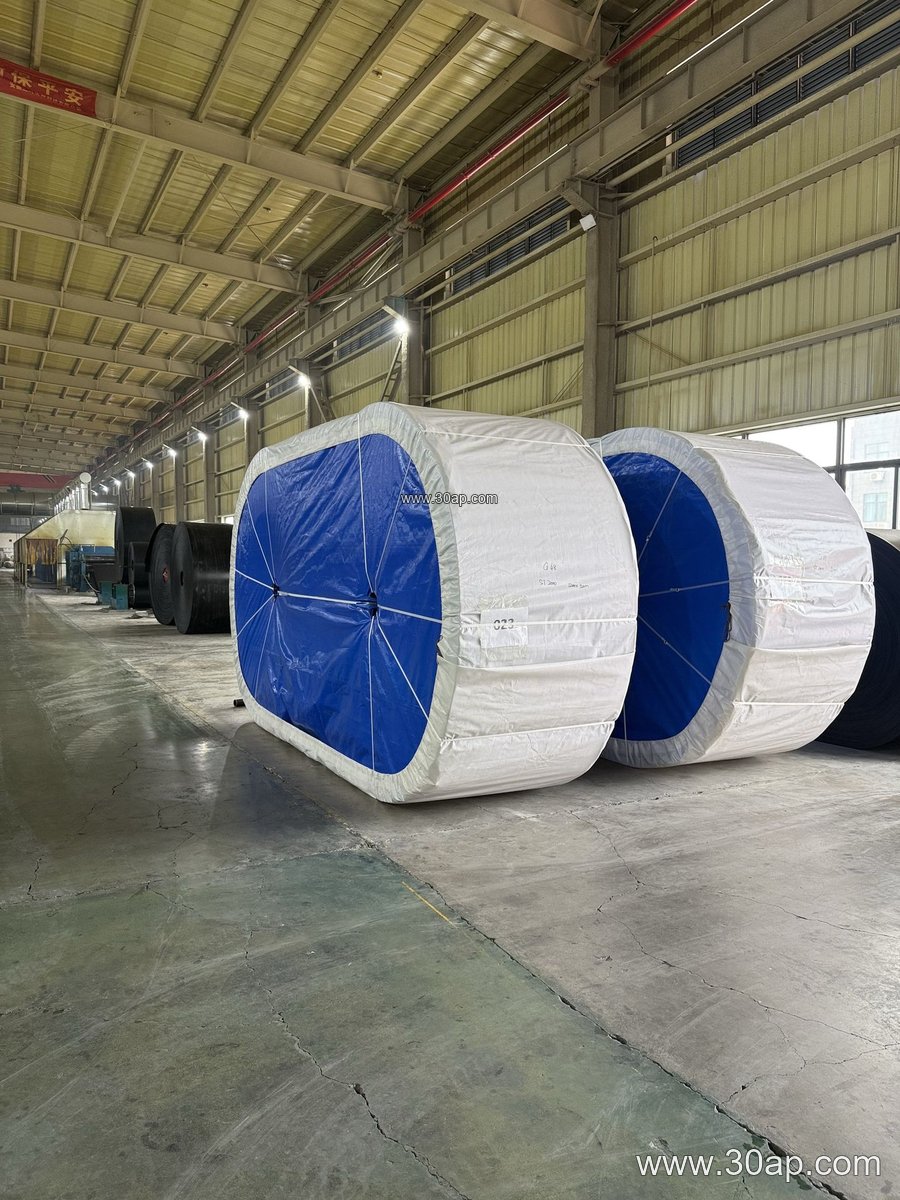
Common Reference Data
The following values are typical reference points only. Actual construction is confirmed by the manufacturer for each order.
| Item | Typical Range |
|---|---|
| Belt type | NN Conveyor Belt, multi-ply nylon fabric core |
| Nominal carcass strength | NN400 (between NN300 and higher classes) |
| Ply count | Usually 3 to 5 plies for this class |
| Belt width | B500, B650, B800, B1000, B1200, B1400, B1600, B1800 |
| Cover thickness | 4+2 mm, 5+2 mm, 6+2 mm, 8+3 mm |
| Cover grades | Abrasion resistant, heat resistant, flame retardant, oil resistant, anti-static |
| Edge form | Cut edge or molded edge |
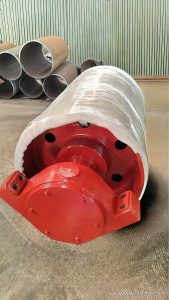
Width and pulley size are matched by design, not by a fixed rule. A wider belt does not automatically dictate one pulley diameter; the drive pulley, tail pulley and bend pulley are sized from tension, wrap angle and carcass flexibility together. Drive, tail and bend pulleys are separate components with different jobs and are not interchangeable.
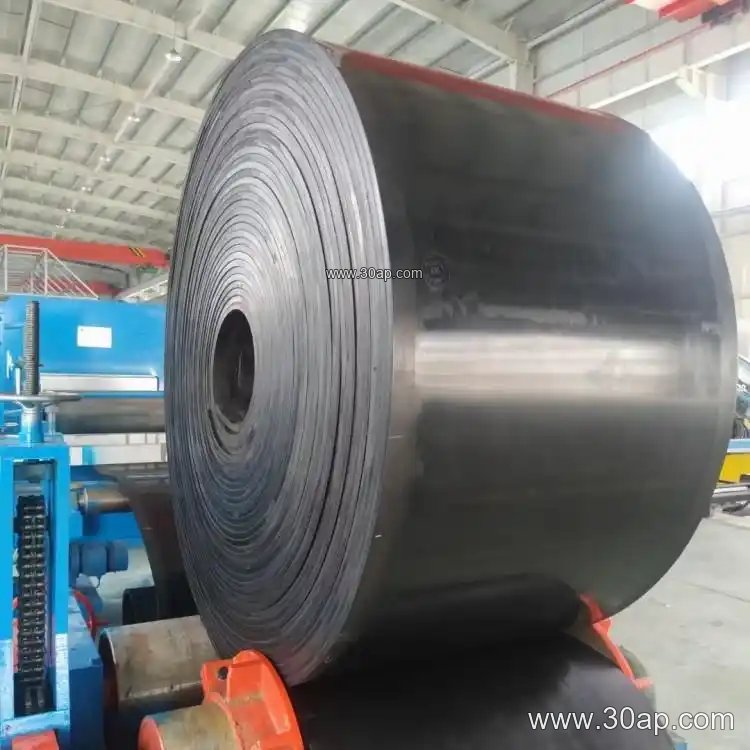
Where It Fits in the Plant
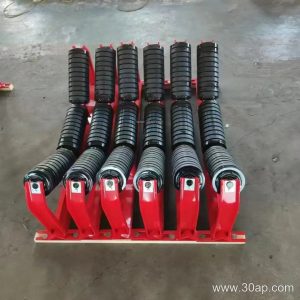
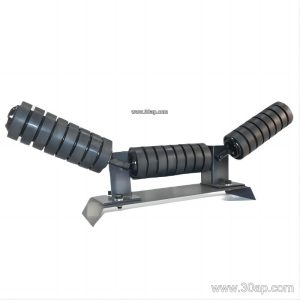
An NN400 belt is a practical choice in mines, quarries and aggregate plants where rock and ore arrive in lumps and the belt must flex repeatedly around pulleys. It is also seen in cement plants feeding clinker and limestone, in power plants handling coal, and in sand and gravel yards. Conveyor frames carry the belt on idler rollers, with a conveyor pulley at each end and conveyor brackets holding the structure together. For steep inclines, a Chevron Conveyor Belt or Corrugated Sidewall Conveyor Belt may be compared, but those are different belt types for different problems, not substitutes for a flat NN400 belt on a standard troughed conveyor.
When very high tension or extremely long single flights are involved, engineers may compare a Steel Cord Conveyor Belt or a high-class EP Conveyor Belt such as EP1000 or EP1250. The NN400 remains attractive where impact absorption and flexibility matter more than maximum tensile rating.
Buyer Checklist
- Confirm the actual duty: material, lump size, moisture, temperature and any oil or chemical exposure.
- State the belt width in millimetres and the required cover thickness, for example 1200mm wide with 6+2 mm covers.
- Give the conveyor layout so the supplier can check pulley diameters and transition distances.
- Specify cover grade clearly, including flame retardant or anti-static requirements where the environment demands them.
- Ask about splice method; vulcanized splices usually suit long, high-tension runs better than mechanical fasteners.
For a dependable haul in mining, quarry or cement service, the NN400 Conveyor Belt balances strength, flexibility and wear life. Matching it to the right pulley, idler roller and cover grade is what turns a good belt into a reliable conveyor line.