What a Conveyor Frame Does
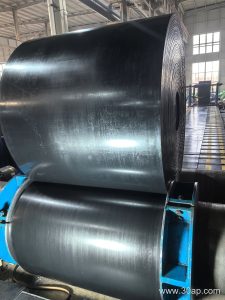
A conveyor frame is the structural backbone that holds the idlers, pulleys, and belt in alignment along the entire length of a conveyor system. It is not a single part but an assembly of beams, brackets, and mounting points that define the belt path, carry the load, and keep the belt tracking correctly. In a quarry or a cement plant, the frame is often the first thing you notice on a long overland conveyor, and it is the component that determines how well the belt, idler roller, and conveyor pulley work together.
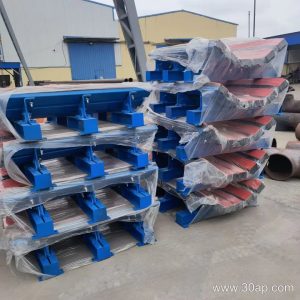
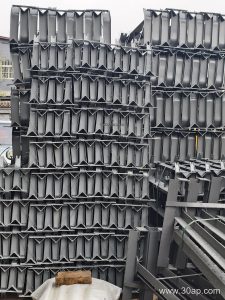
Frames are typically built from angle steel, channel steel, or folded steel plate. The choice depends on the load, the span between supports, and the environment. A heavy-duty mining conveyor frame may use deep channel sections, while a lighter aggregate conveyor might use folded plate to save weight. The frame includes stringers, cross members, and mounting pads for idler brackets and pulley bearings. It also provides the anchor points for conveyor brackets that hold the idlers at the correct trough angle.
Troughing Angles and Frame Geometry
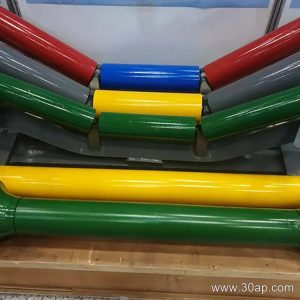
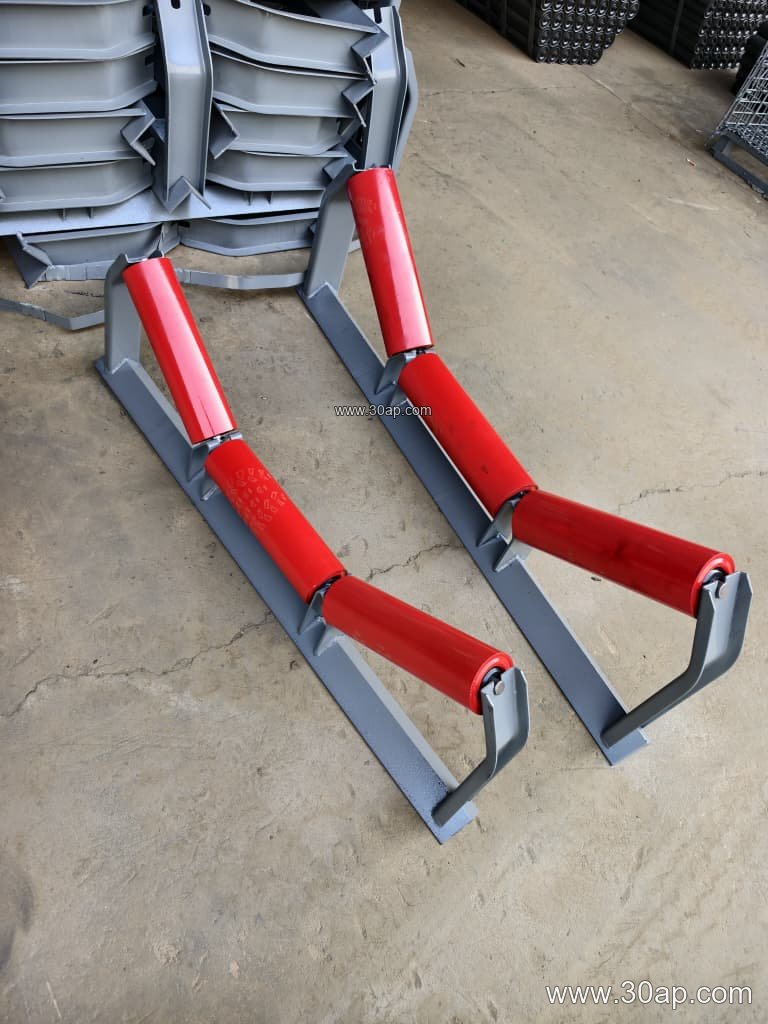
One of the most important roles of the frame is to set the trough angle of the carrying idlers. Common trough angles are 20, 30, 35, and 45 degrees. A 35-degree frame is widely used for bulk material handling because it balances capacity and belt life. For sticky or large lump material, a 45-degree trough may be chosen to prevent spillage, while a 20-degree frame is often found on smaller belt widths or where the belt is less flexible.
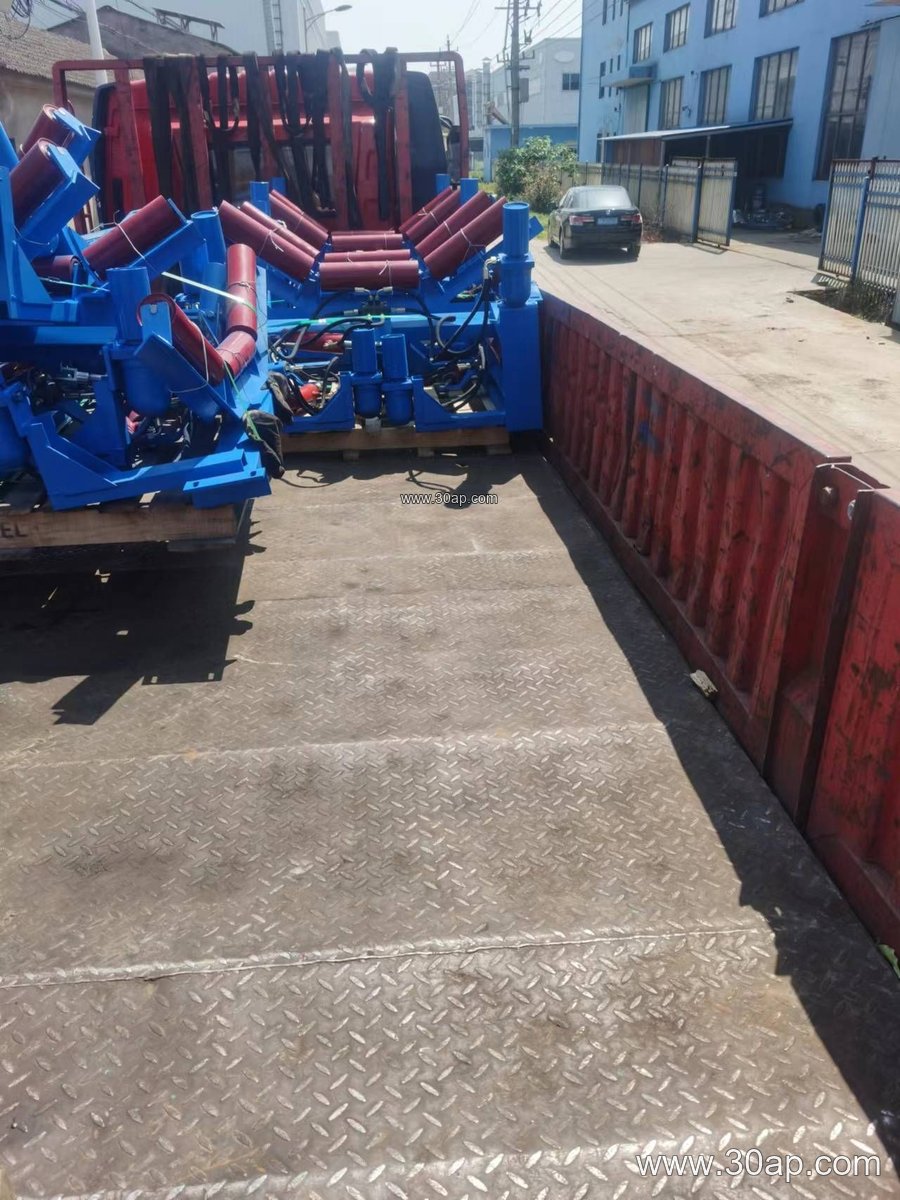
Adjustable frames allow the trough angle to be changed between these values, which is useful during commissioning or when material characteristics change. Fixed frames are welded or bolted at a set angle. The frame geometry also determines the transition distance from the tail pulley to the first full troughing station, which affects belt stress and material containment.
Frame Types and Their Places in the System
Different sections of a conveyor use different frame arrangements. The carry side typically uses a troughing frame with three idlers, while the return side uses a flat or V-return frame. Transition frames are placed near the head and tail pulleys to gradually change the belt from flat to troughed. Impact frames with buffer idlers are installed at loading points to absorb the energy of falling material. Self-aligning frames with forward-tilted idlers help keep the belt centered, especially on long conveyors.
Belt width is a primary driver of frame dimensions. Common widths include B500, B650, B800, B1000, B1200, B1400, B1600, B1800, B2000, B2200. The frame cross member length and idler mounting hole spacing change with belt width and trough angle, so these are not fixed numbers. A B800 frame with a 35-degree trough and Ø108 idlers is a typical combination, but the same width can be used with other idler diameters and angles depending on the design.
Matching Frame, Idler, and Belt
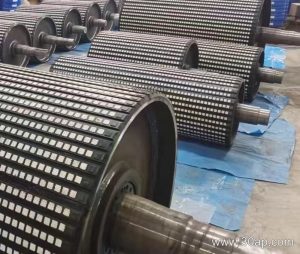
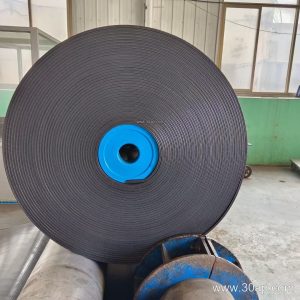
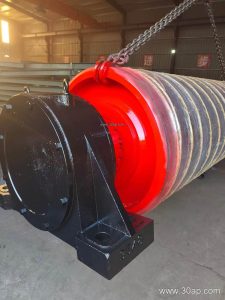
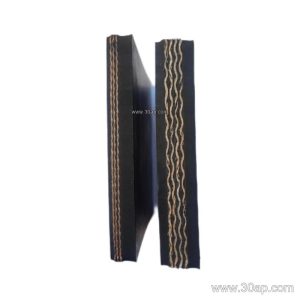
The frame must support the idler roller at the correct spacing and height. Idler diameter options such as Ø89, Ø108, Ø133, Ø159, and Ø194 affect the frame height and the clearance under the belt. The frame also carries the conveyor pulley bearings at the head and tail, and the pulley size must be compatible with the frame mounting points. A frame designed for a 1200mm wide EP conveyor belt will have different cross members than one for a 650mm belt, even if both use the same trough angle.
In dusty or wet conditions, such as a coal mining conveyor or a power plant coal handling system, the frame should allow for drainage and easy cleaning. Corrosion protection is important in fertilizer plants and port facilities. The frame design should also consider access for maintenance of idlers and pulley lagging.
Buyer Checklist for Conveyor Frames
- Confirm belt width and trough angle required for the application.
- Specify idler diameter and mounting hole spacing, as these vary with frame design.
- State the material and surface protection needed for the environment.
- Clarify whether fixed or adjustable frames are preferred for transitions and alignment.
- Check compatibility with the selected conveyor pulley and conveyor bracket dimensions.
- Consider future belt changes, as frame geometry may limit belt width upgrades.
For more information on related components such as conveyor idlers and pulleys, visit our site at www.example.com/conveyor-frame. A well-matched frame, belt, and idler set reduces downtime and extends the service life of the entire conveyor system.