What a Building Materials Conveyor Pulley Does
A building materials conveyor pulley is the rotating drum at the heart of a belt conveyor, transmitting motion to the conveyor belt and setting its path. In sand and gravel plants, concrete batching stations and cement clinker lines, these drums handle abrasive aggregate, dusty fines and occasional wet loads, so the specification has to match both the belt and the duty. The same component is often called a conveyor drum or belt pulley; both names describe the same product, and the term building materials conveyor pulley simply places it in this industry context.
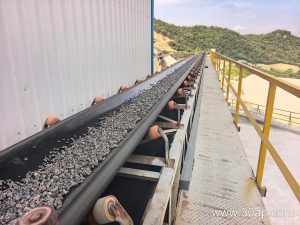
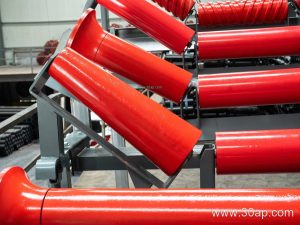
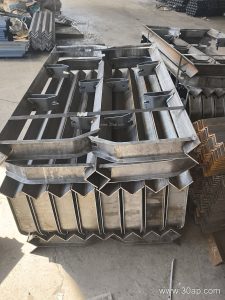
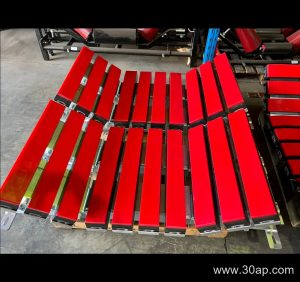
The pulley is not a standalone item. It works with the conveyor belt, the idler roller sets that support the carrying strand, and the conveyor bracket that fixes the bearing housing to the frame. A mismatch between drum diameter, shaft size and belt tension shows up quickly as belt wander, slippage or premature cover wear.
How the Drum Is Built
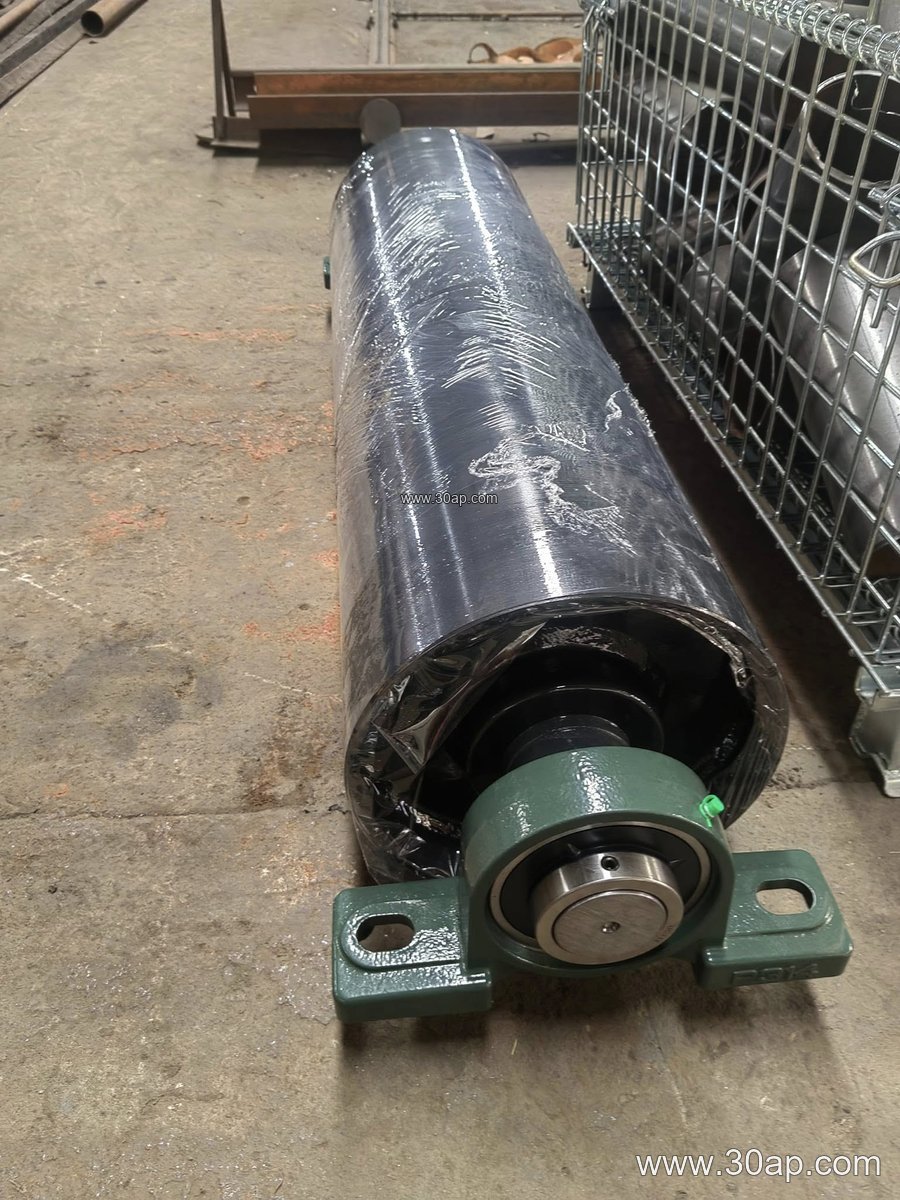
Most units combine a welded or rolled shell, two end discs, a through shaft, bearing housings and a surface cover. The shell thickness and the shaft diameter are chosen from torque and radial load, not from belt width alone. Common shaft diameters include Ø50, Ø60, Ø70, Ø80, Ø90, Ø100, Ø120, Ø140, Ø160, Ø180 and Ø200, but the final value should follow the design calculation.
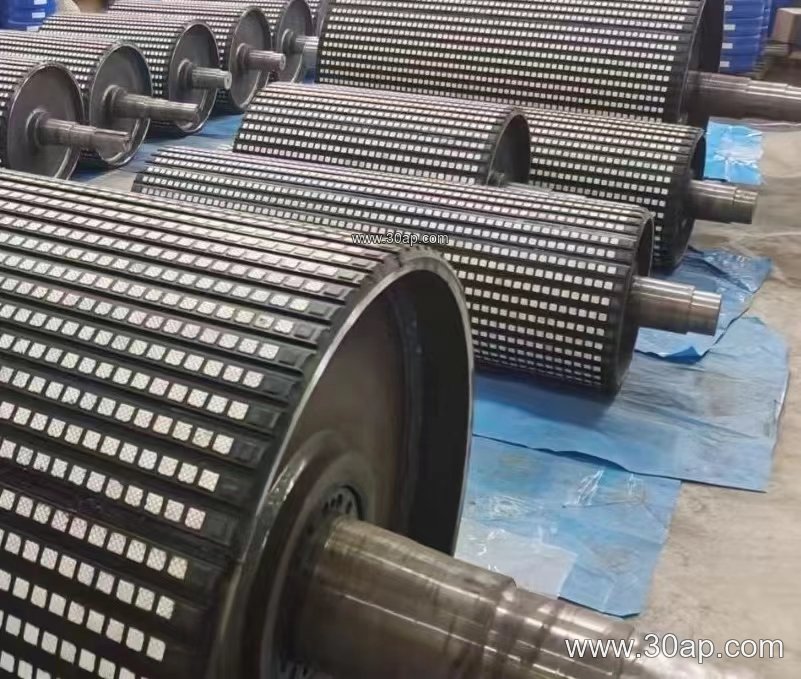
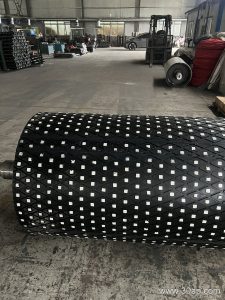
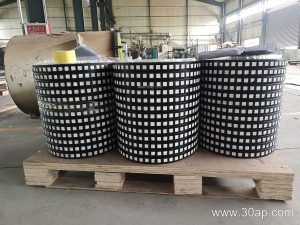
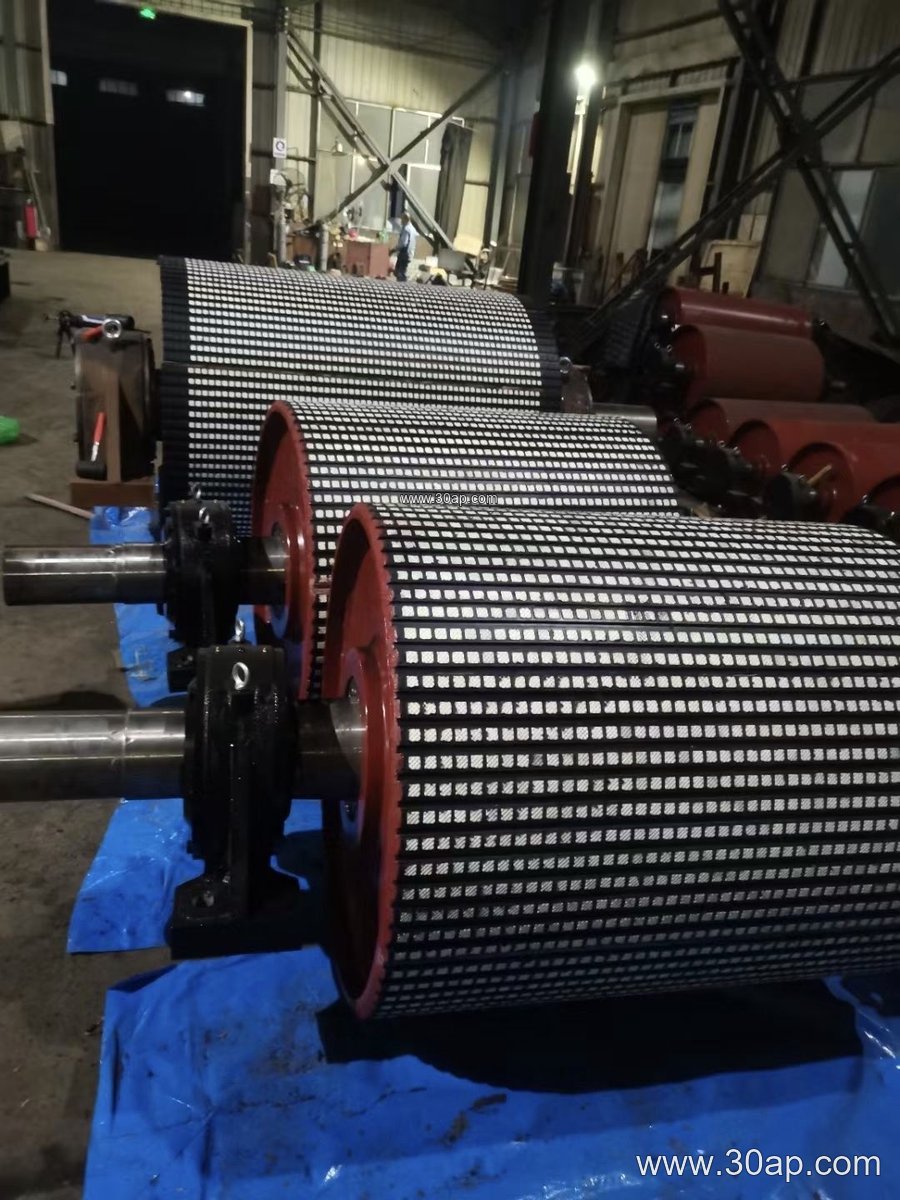
Surface form matters in dusty building materials duty. Plain face is used where tracking is stable and material build-up is unlikely. Rubber lagging applied by cold bonding or hot vulcanizing improves grip on the drive drum; diamond and herringbone patterns help shed water and fines. Ceramic lagging is an option where slip and abrasion are severe. Lagging thickness is commonly 8, 10, 12, 15 or 20 mm depending on the application.
Where It Sits on the Line
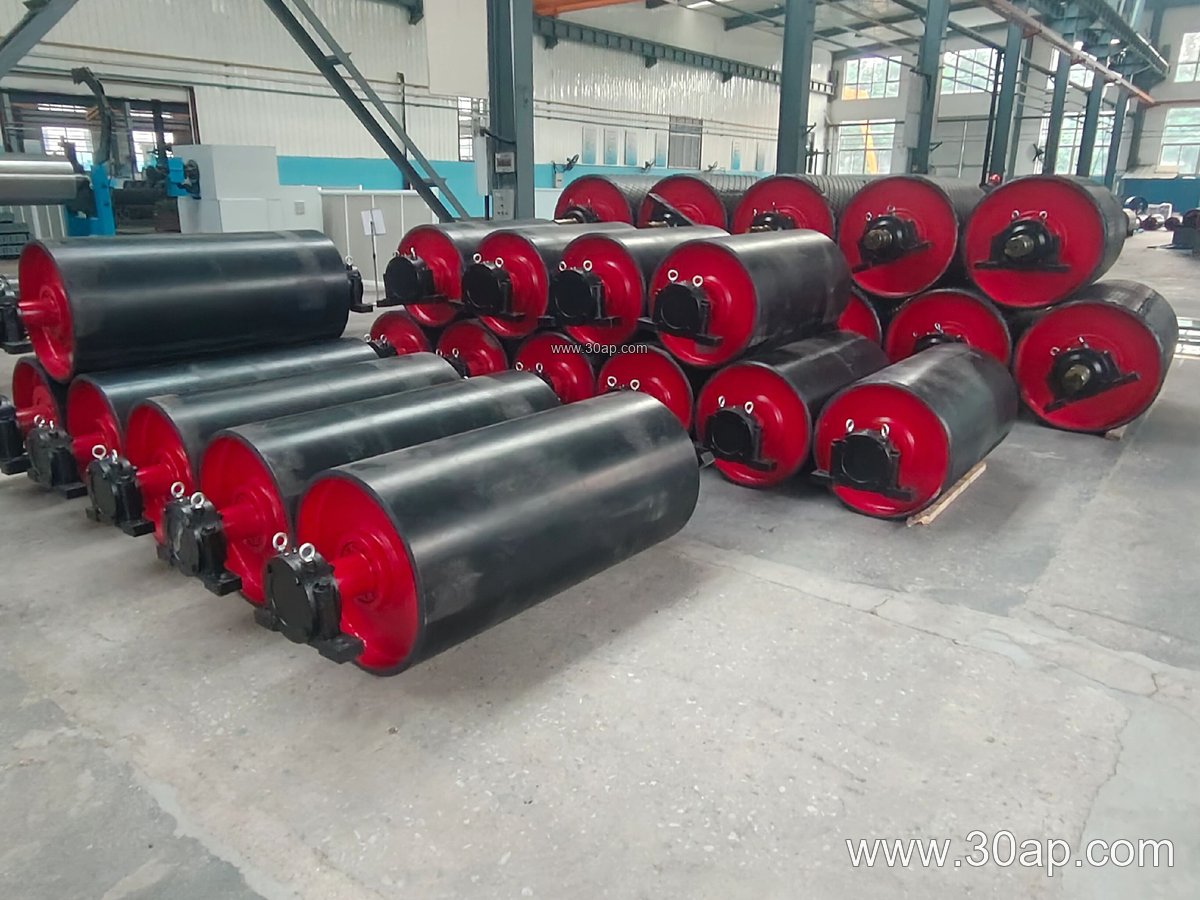
Position determines function, and the subtypes are not interchangeable. A drive pulley, also called the head or discharge pulley, pulls the belt and often carries the highest tension. A tail pulley at the loading end turns the belt back and may include a tensioning arrangement. A bend pulley changes belt direction without driving, while a take-up pulley maintains tension along the return run. Snub and press pulleys increase wrap angle around the drive drum.
In a quarry or aggregate conveyor, the drive drum is usually lagged, while bend and tail drums may run plain or lightly covered. In a coal handling or power plant coal yard, flame retardant belt grades are common, and the pulley cover should be selected with the same fire safety thinking. In a cement plant, fine clinker dust calls for good bearing sealing and a cover that resists abrasion.
Common Size References
Shell width normally exceeds belt width so the belt is fully supported. The figures below are typical references, not fixed pairings; a given belt width can work with more than one drum diameter.
- B400 belt: shell width about 500 mm, drum diameter often Ø200 to Ø315
- B650 belt: shell width about 750 mm, diameter often Ø315 to Ø500
- B800 belt: shell width about 950 mm, diameter often Ø400 to Ø630
- B1000 belt: shell width about 1150 mm, diameter often Ø500 to Ø800
- B1200 belt: shell width about 1400 mm, diameter often Ø630 to Ø1000
- B1400 belt: shell width about 1600 mm, diameter often Ø800 to Ø1250
- B1600 belt: shell width about 1800 mm, diameter often Ø1000 to Ø1400
- B1800 belt: shell width about 2000 mm, diameter often Ø1250 to Ø1600
Typical combinations such as B800 × Ø500 or B1200 × Ø1000 appear in plant layouts, but they are examples only. The belt tension, wrap angle and space envelope decide the final choice.
Matching the Pulley to the Belt
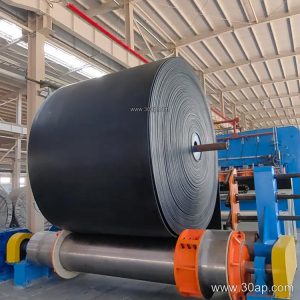
The drum and the belt share the load path, so the belt construction affects pulley selection. A heavy-duty mining conveyor belt or an abrasion resistant conveyor belt used on crusher discharge runs at high tension and benefits from a larger drive diameter. A chevron conveyor belt or corrugated sidewall belt needs clearance around the drum and may require a larger radius to avoid cleat damage. Where oil or heat is present, an oil resistant conveyor belt or heat resistant conveyor belt should be paired with a cover compound that tolerates the same conditions.
For long overland lines, a steel cord conveyor belt or high strength conveyor belt may call for a larger drum to limit bending stress in the cords. In underground coal mining, flame retardant and anti-static grades are normal, and the pulley cover should not compromise that protection.
What a Buyer Should Check
Before ordering, confirm the belt width, the required drum diameter, the shaft diameter from the torque calculation, the lagging type and thickness, and the bearing arrangement. Ask how the cover is bonded and whether the surface pattern suits wet or dry material. Check that the conveyor bracket interface matches the existing frame, and confirm the pulley is balanced for the intended belt speed.
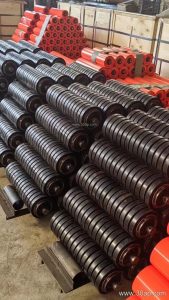
Maintenance planning matters too. Inspect lagging for wear and glazing, check bearing temperature and listen for unusual noise. Re-lagging a worn drive drum is often more economical than replacing the whole unit, provided the shell and shaft remain sound. Keeping spare idler rollers and a spare tail drum on site reduces downtime in a busy sand and gravel or cement operation.
Quick Reference Table
| Item | Common reference values |
|---|---|
| Belt width | B400 to B2400 |
| Drum diameter | Ø200 to Ø1800 |
| Shaft diameter | Ø50 to Ø200, by torque and load |
| Lagging thickness | 8, 10, 12, 15, 20 mm |
| Surface form | Plain, rubber lagging, diamond, herringbone, ceramic |
| Subtypes | Drive, tail, bend, take-up, snub, press, motorized |
Used with the right conveyor belt and well-supported idler roller sets, a properly specified building materials conveyor pulley keeps aggregate, clinker and bulk material moving with less slip and longer service life.