What a Pipe Conveyor Belt Is
A pipe conveyor belt is a specialized conveyor belt that transitions from a flat shape at the loading point into a closed tube, carrying bulk materials without spillage or dust release. This pipe conveyor belt, also known as a tubular conveyor belt, is often specified where environmental control, route flexibility, and material protection are priorities. Unlike a standard conveyor belt that stays troughed, the pipe design encloses the load along most of its length and reopens at the discharge end. Industries such as mining, coal preparation, cement plants, power stations, and quarry operations use this enclosed approach to handle fine and dusty materials efficiently.
Construction and Key Components
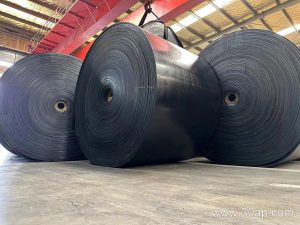
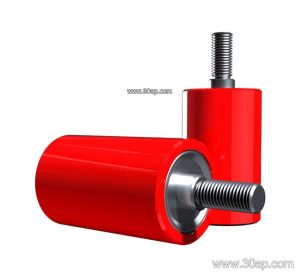
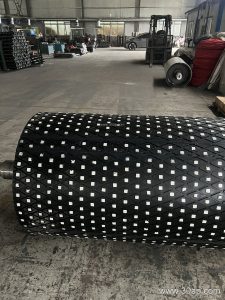
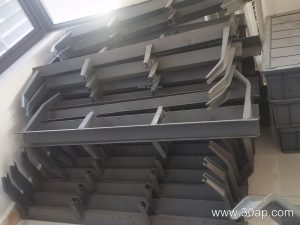
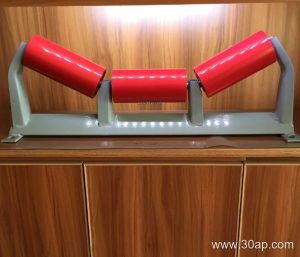
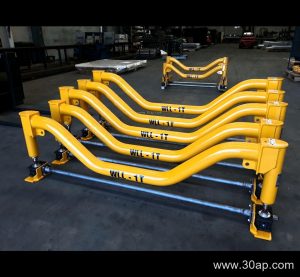
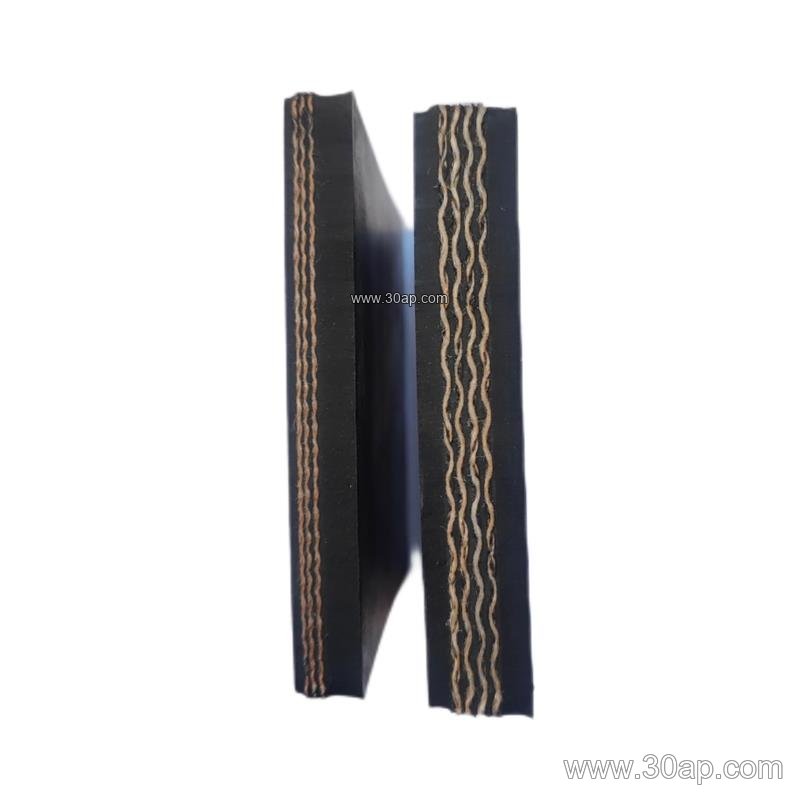
The belt itself typically uses a fabric core or steel cord carcass, with rubber covers selected for the duty. Common core options include EP (polyester-nylon) and NN (nylon-nylon) fabric, while steel cord constructions are chosen for longer runs and higher tension. The pipe conveyor belt often features special edge reinforcement and a flexible carcass so it can fold into a round profile without cracking. Cover compounds may be abrasion resistant, heat resistant, oil resistant, or flame retardant depending on the material handled. Supporting the belt are idler rollers arranged in hexagonal or circular frames, plus conveyor pulleys at the drive and tail stations. Conveyor brackets and structural frames hold the idler panels in alignment. The drive pulley, tail pulley, and bend pulleys each perform distinct roles and are not interchangeable; their selection depends on tension, wrap angle, and layout.
Where Pipe Conveyor Belts Are Used
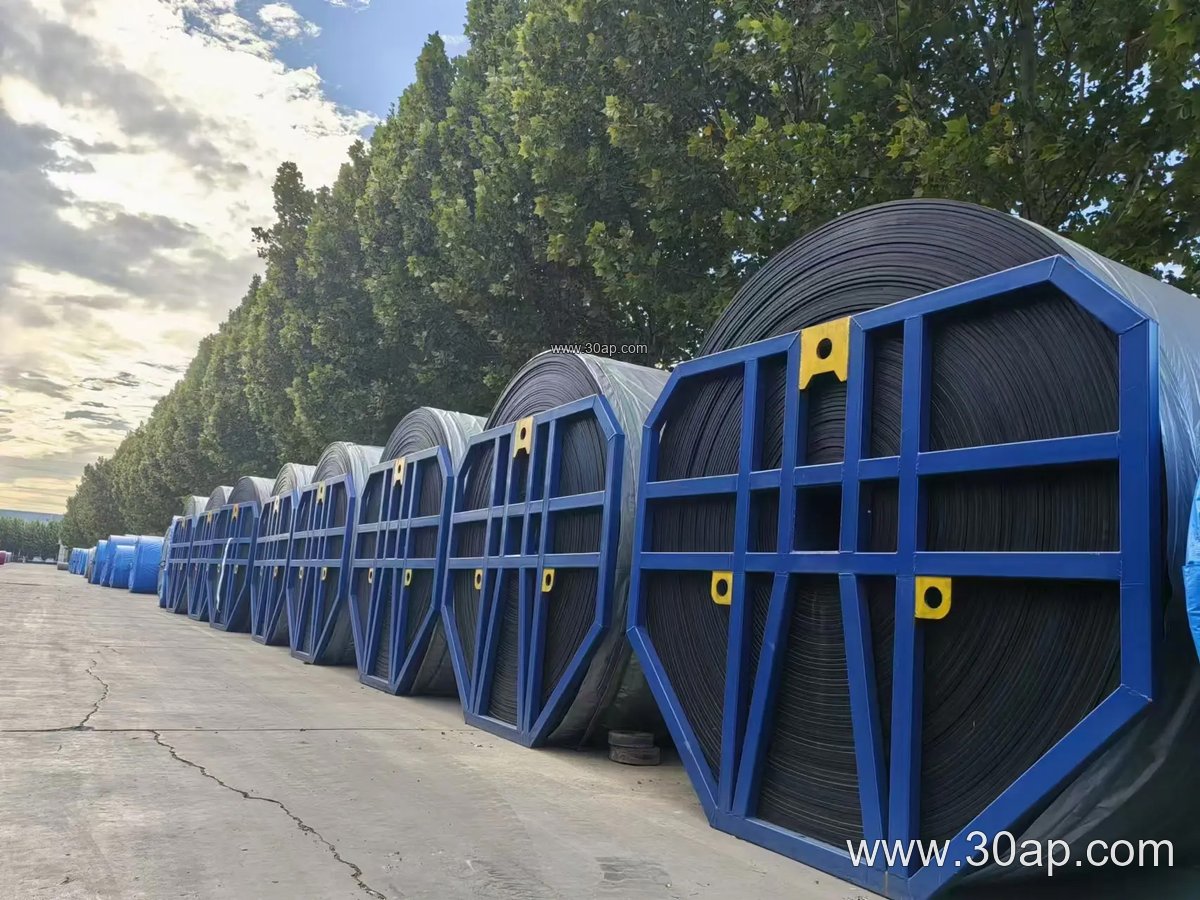
The enclosed design suits routes with curves, elevation changes, and space constraints. In coal mining and underground mining operations, a pipe conveyor belt helps contain coal dust and reduces spillage along inclined roadways. Cement plants use these belts for clinker, limestone, and raw meal, while power plants transport coal and ash. Quarries and aggregate plants handle crushed stone and sand, and port facilities load ships with enclosed transfer lines. Because the belt can bend in multiple planes, it often replaces several conventional conveyors and transfer points, lowering maintenance needs and material loss. For especially abrasive duties, an abrasion resistant conveyor belt cover is frequently specified, and flame retardant conveyor belt grades are common in coal handling.
Common Specifications and Reference Data
Pipe conveyor belts are available in a range of strengths, widths, and cover thicknesses. The values below are typical references; actual selection should follow the system design and manufacturer data.
| Property | Common Reference Range |
|---|---|
| Belt width (flat width) | B500, B650, B800, B1000, B1200, B1400, B1600, B1800, B2000 |
| Fabric core strength grades | EP200, EP315, EP400, EP500, EP630, EP800, EP1000, EP1250, EP1600, EP2000 |
| Cover thickness (top + bottom) | 3+1.5 mm, 4+2 mm, 5+2 mm, 6+2 mm, 8+3 mm |
| Carcass plies (fabric) | 2 to 6 layers, depending on tension |
| Pipe diameter (formed) | Typically 100 mm to 600 mm, by design |
Note that belt width and pulley diameter are not linked in a fixed one-to-one ratio; each conveyor is engineered as a system. A pipe conveyor belt may be supplied as an endless conveyor belt for certain fixed-length routes, reducing splice time on site.
Buyer Checklist
- Confirm the material characteristics: lump size, moisture, temperature, abrasiveness, and oil content.
- Select the carcass type (EP, NN, or steel cord) based on tension and route length.
- Choose cover compounds that match the duty, such as heat resistant, oil resistant, or cold resistant grades.
- Review the pipe diameter and belt width against the required throughput and lump size.
- Check that idler roller spacing and pulley specifications suit the belt’s stiffness and load.
- For coal or underground use, specify flame retardant and anti-static properties as needed.
Because a pipe conveyor belt must flex into a tube without edge damage, the quality of the splice and edge construction matters. Buyers should request the manufacturer’s recommended minimum bend radius and support the belt with properly aligned idler panels. In dusty or corrosive environments, consider covers that resist chemical attack. Whether the project involves a quarry conveyor belt, a cement plant conveyor belt, or a bulk material conveyor belt for a port, matching the belt to the application ensures reliable enclosed transport.