What an EP100 Conveyor Belt Is
An EP100 Conveyor Belt is a fabric-core rubber belt built around polyester warp and polyamide weft cords. The EP designation refers to polyester/polyamide, and the 100 figure indicates the nominal tensile strength class of the carcass, usually expressed in newtons per millimetre of belt width. In everyday plant language, this is an EP rubber conveyor belt, and it is one of the most widely used grades in the EP Conveyor Belt family. It sits at the lighter end of that family, so it suits medium-duty conveying rather than the heaviest primary crushing duty.
The carcass gives the belt its strength and low elongation, while the rubber covers protect the fabric from abrasion, moisture and the material being carried. Because the EP carcass absorbs shock reasonably well and tracks predictably, EP100 belts are common on incline conveyors, transfer belts and secondary conveying lines in quarries, cement plants, power stations and sand and gravel yards.
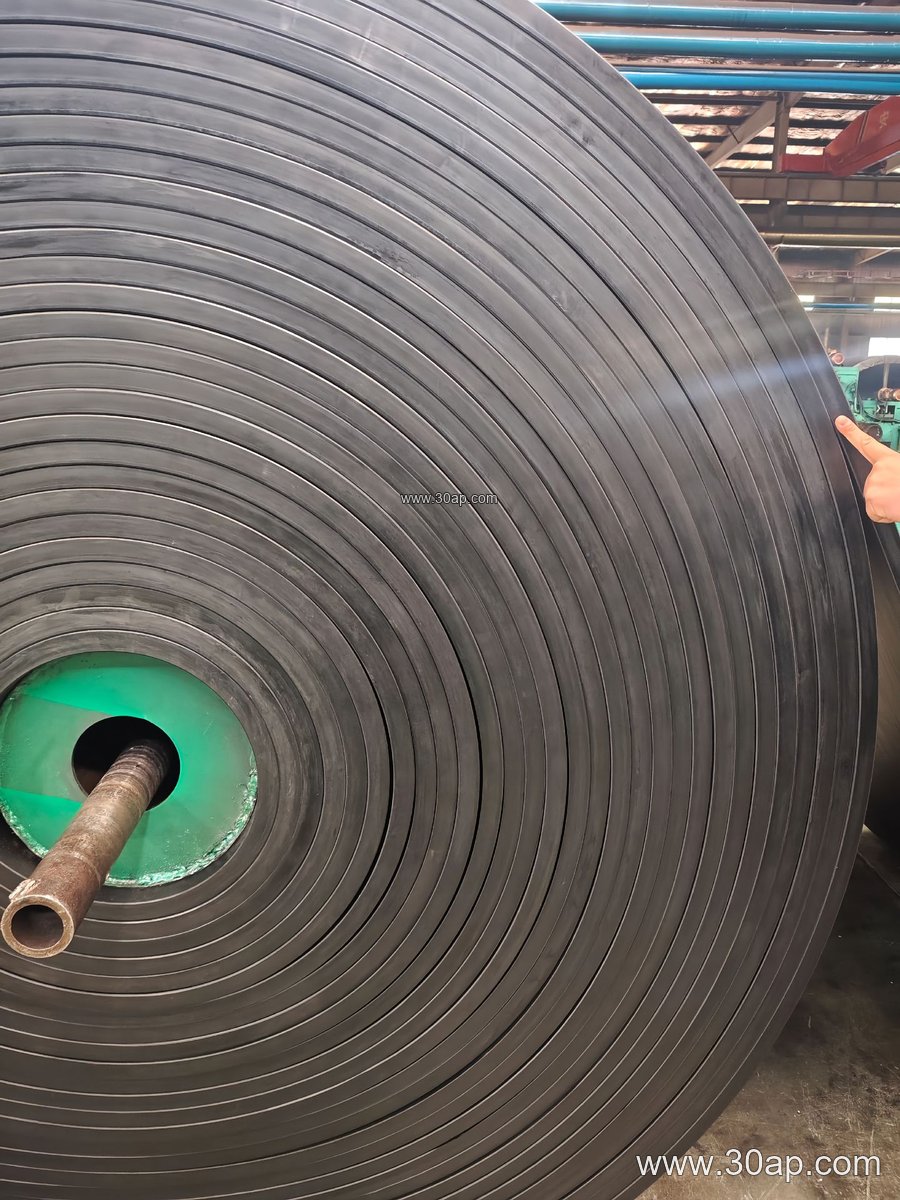
Construction and Typical Specifications
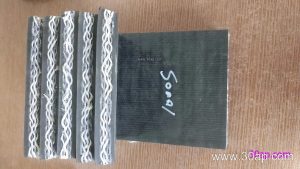
An EP100 belt is usually a multi-ply construction, with two to five fabric plies being common depending on the required strength and the belt width. Cover thickness is selected from the duty: thin covers for clean, light material and thicker covers for sharp, abrasive rock. The figures below are typical reference ranges, not fixed supply promises, and actual values are confirmed by the manufacturer against the conveyor design.
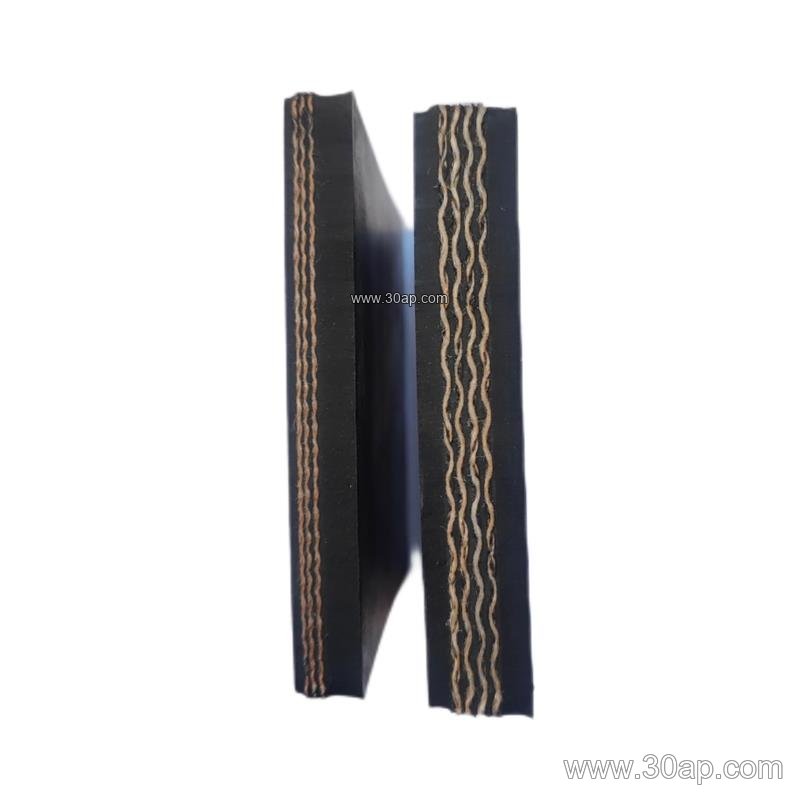
| Parameter | Common reference values |
|---|---|
| Carcass type | EP fabric (polyester/polyamide) |
| Strength class | EP100 (nominal carcass strength) |
| Number of plies | 2 to 5 plies, by design |
| Belt width | B500, B650, B800, B1000, B1200 mm and wider by design |
| Top/bottom cover | 3+1.5, 4+2, 5+2 mm typical combinations |
| Cover grades | Abrasion resistant, flame retardant, heat resistant, oil resistant, anti-static, cold resistant |
Where a plant handles hot clinker or sinter, a Heat Resistant Conveyor Belt grade may be needed instead of the standard cover. In coal handling and underground sections, a Flame Retardant Conveyor Belt or Fire Resistant Conveyor Belt specification is normally requested, often combined with anti-static properties. For oily scrap or recycled material, an Oil Resistant Conveyor Belt cover helps limit swelling of the rubber.
Where EP100 Belts Fit in the Plant
The belt is at home in medium-duty bulk handling. In a quarry or stone crushing line it may run as a secondary or screen feed belt, carrying crushed aggregate rather than run-of-mine rock. In a cement plant it can serve on clinker or additive transfer lines where the duty is moderate. Power plants use this class on coal yard and ash handling conveyors, while sand and gravel operations rely on it for stockpile and transfer conveyors. Port and ship loading conveyors sometimes use it on the lighter branches of the system.
It is not the right choice for the main heavy-duty primary belt at a large mine, where a higher class such as EP200, EP315 or a Steel Cord Conveyor Belt is more appropriate. The comparison matters because belt class, not belt width alone, determines how much tension the carcass can carry. A wider belt is not automatically a stronger one, and no single belt width is tied to one pulley diameter; the drive pulley, tail pulley and bend pulleys are sized from the conveyor tension and wrap angle, not from the belt width in isolation.
Selection Points for Buyers
- Strength and plies: confirm the required tension and select the ply count and class accordingly. If the duty is close to the EP100 limit, consider stepping up within the EP Conveyor Belt range.
- Cover grade: match the cover to the material. Abrasion Resistant Conveyor Belt covers for rock and clinker, heat grades for hot loads, flame retardant grades for coal, and oil resistant covers for oily feedstock.
- Belt width and thickness: choose the width from the conveyor geometry and tonnage, and the cover thickness from the wear rate. Thicker covers last longer under impact but add weight and cost.
- Joint type: decide between a vulcanised splice and a mechanical joint early, because it affects belt length, take-up travel and lead time. An Endless Conveyor Belt may be specified where a permanent splice is preferred.
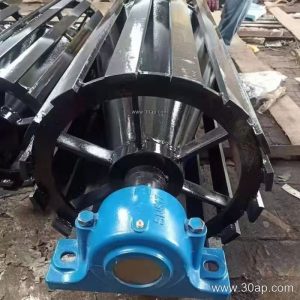
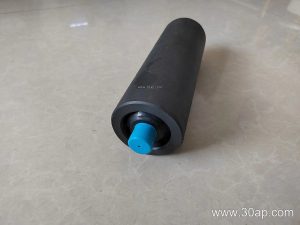
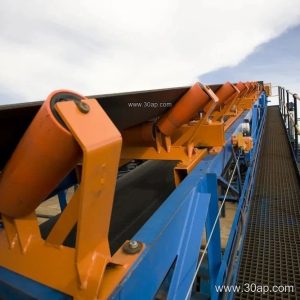
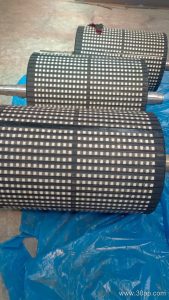
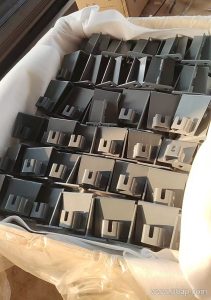
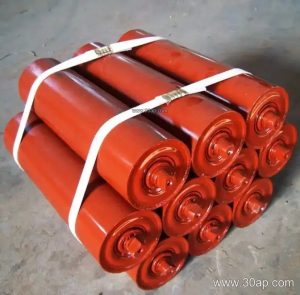
- Supporting equipment: check that idler roller spacing, conveyor pulley diameters and conveyor bracket condition match the belt’s recommended minimum pulley size and troughability.
Maintenance is mostly about keeping the belt running true. Inspect the idler rollers for seized bearings, check the conveyor pulley lagging for wear, and look for edge damage and cover cuts after heavy impact. Store spare rolls in a dry, shaded place and rotate stock so the rubber does not age before installation.
Practical Notes on Installation and Care
During installation, avoid dragging the belt over sharp edges and keep the roll supported. Align the structure before tensioning, since a misaligned frame will make even a good belt train poorly. Track the belt at low speed first, then bring the conveyor up to working load and recheck. On abrasive duty, monitor cover wear at the loading point and consider impact idlers or a rubber skirt to reduce spillage. For dusty or explosive atmospheres, verify that the anti-static and flame retardant properties of the selected EP100 Conveyor Belt match the site requirements. Suppliers can confirm the exact cover grade, ply combination and splice method for each conveyor, and buyers should request the belt data sheet rather than relying on a generic class number alone.