Where the Idler Shaft Sits in a Conveyor
An idler shaft is the axial core of a conveyor idler roller. It carries the rotating shell, holds the bearings in position, and transfers the load from the belt into the conveyor bracket and frame. In a quarry, a coal handling plant, or a cement line, the idler shaft is one of the least visible parts of the system, yet it determines how freely the roller turns and how long the whole idler assembly lasts.
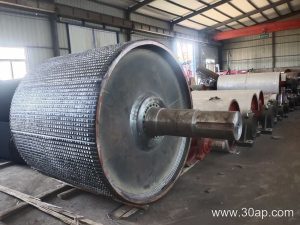
Although people sometimes use the words loosely, the idler shaft is not a conveyor pulley. A conveyor pulley is normally a larger drum at the drive, tail, or bend position, and those pulley types are not interchangeable with each other or with idlers. The idler shaft belongs to the carrying or return side of the belt line, where many small rollers support the conveyor belt.
How an Idler Shaft Is Built
A typical shaft is a machined steel bar, often with stepped ends that fit into the bracket slots or bearing housings. The middle section supports the bearing assemblies, and the ends may be flattened, drilled, or fitted with a locking feature depending on the idler design. Bearing seats are ground to keep the fit precise, because even a small amount of play shows up as vibration and noise after a few months of running.
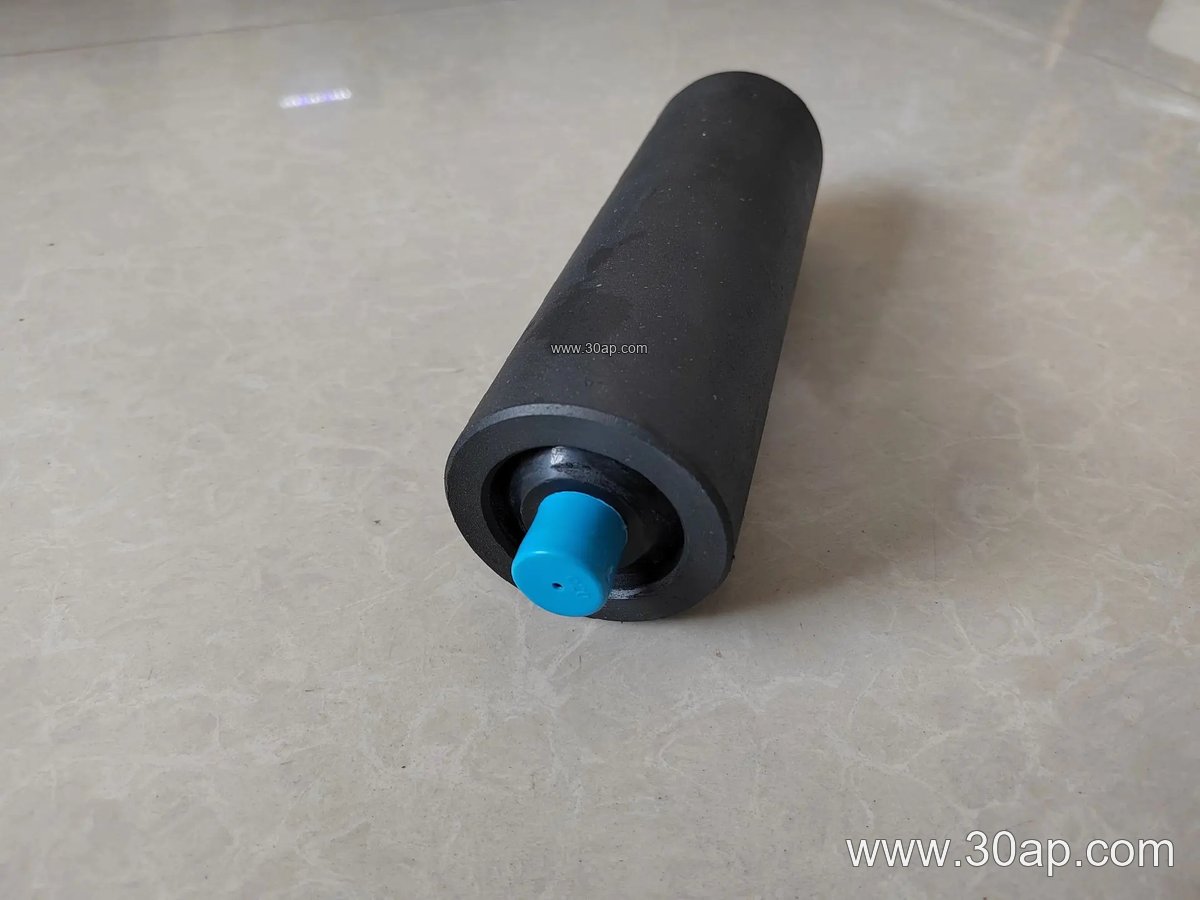
The shaft works together with the shell, the bearing, and the sealing arrangement. Common bearing sizes on conveyor idlers include 6204, 6205, 6305, 6306, 6308, and 6310, but a given shaft diameter is not tied to one bearing number. The seal design matters as much as the steel: dust from a crusher or fine ore from a screening plant will find any weak point in the labyrinth.
Types of Idlers That Use This Shaft
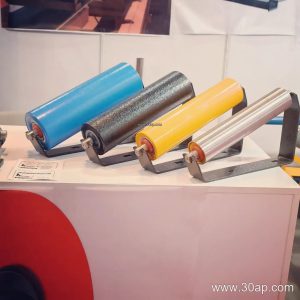
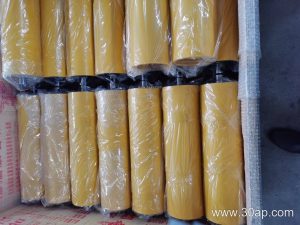
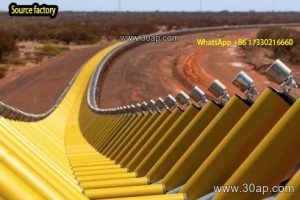
The shaft design changes with the idler type and the position on the conveyor. A grooved three-roll troughing set uses a shaft in each roll, while a return idler or a V-return set has its own arrangement. Impact idlers with rubber rings and self-aligning idlers with tapered rolls also rely on a properly sized shaft, and each of these is a different product from the others.
- Troughing and carrying idlers on the loaded side
- Flat return idlers and V-return idlers underneath the belt
- Impact idlers at transfer points below a chute
- Self-aligning idlers for belt tracking
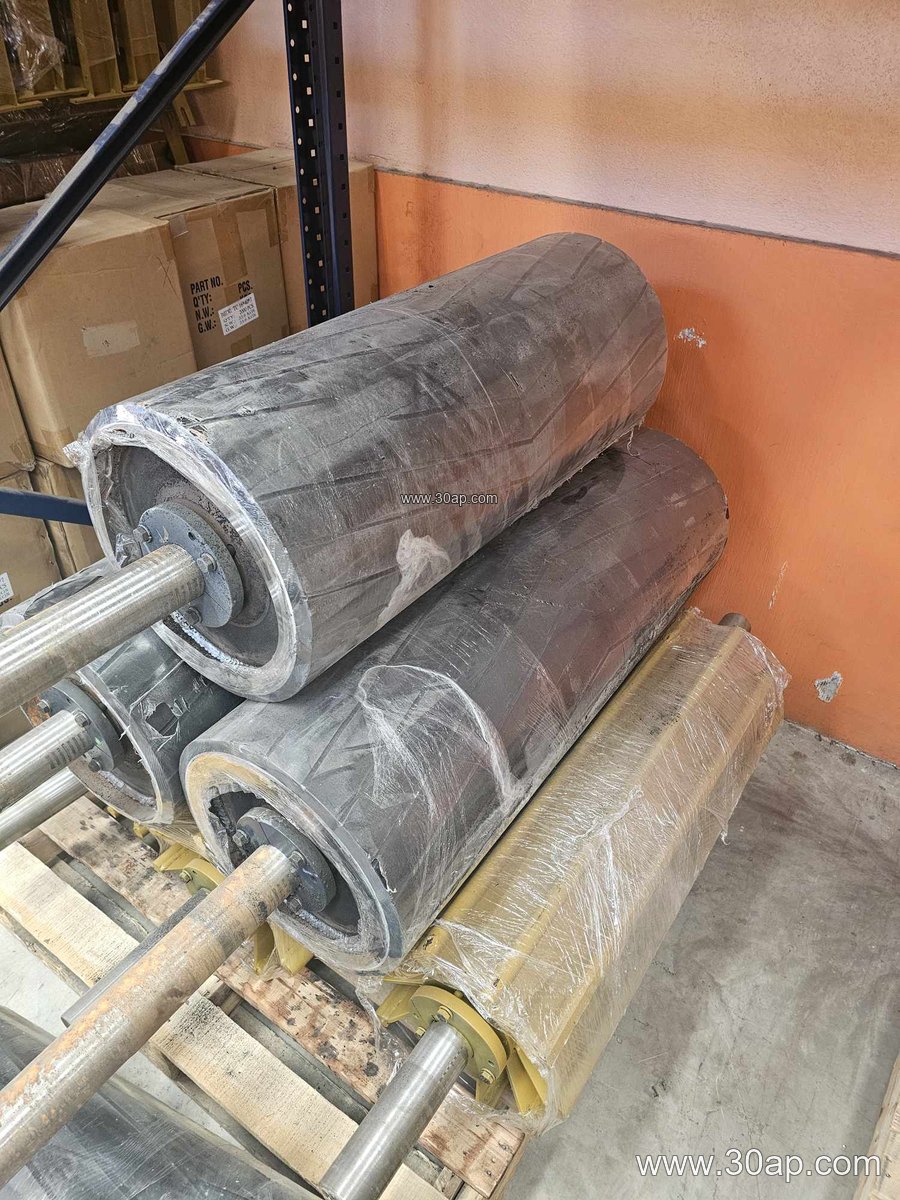
For a comparison, a bend pulley changes belt direction at a curve in the route, whereas an idler shaft only supports the belt along a straight run. The two are not substitutes.
Common Diameter and Belt Width References
Roller diameter and belt width are usually selected together with the belt speed, the material load, and the idler spacing. The table below gives common reference values only; final dimensions are set by the conveyor design.
| Item | Common reference values |
|---|---|
| Roller diameter | Ø63, Ø76, Ø89, Ø102, Ø108, Ø127, Ø133, Ø159, Ø178, Ø194, Ø219 mm |
| Belt width | B400, B500, B650, B800, B1000, B1200, B1400, B1600, B1800, B2000 mm |
| Trough angle | 20°, 30°, 35°, 45° |
| Roll surface | Steel pipe, nylon, ceramic, rubber ring |
Roll length follows the belt width, the trough angle, and the roll position in the set. As a rough example, a three-roll troughing set may use rolls of about 200 mm at B500, 315 mm at B800, 465 mm at B1200, and 600 mm at B1600, but side rolls and center rolls can differ. Do not assume one belt width fixes one shaft diameter; the load and the idler series decide that.
Buying Points for Plant and Maintenance Teams
When ordering replacement idlers for a power plant coal yard or an iron ore terminal, check the shaft end shape, the bearing number, and the seal type against the existing part. A shaft that fits the bracket but uses a different bearing seat will not run correctly. Ask for the material grade and any surface treatment, and confirm whether the shaft is welded to the shell or assembled for replacement.
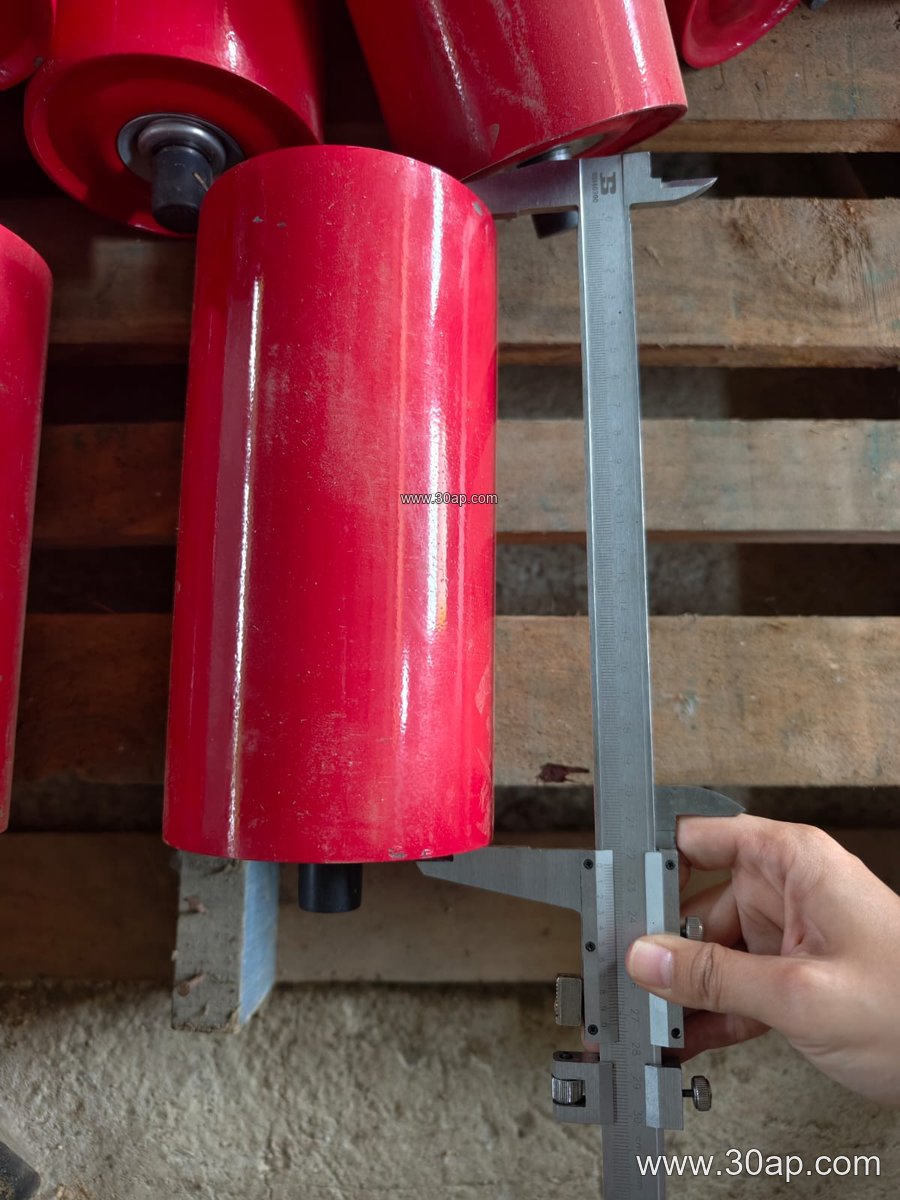
Also match the idler to the belt it carries. A heavy-duty mining conveyor belt running at high tension needs a robust idler series, while a food grade conveyor belt or a heat resistant conveyor belt in a dryer area may call for a different bearing clearance and lubricant. Factors such as a flame retardant conveyor belt in an underground coal mine, an abrasion resistant conveyor belt at a crusher discharge, or a chevron conveyor belt on an incline all affect the load pattern on the idlers.
Installation and Maintenance Notes
Keep the shaft ends clean before fitting, align the brackets so the shaft sits square to the belt, and check that the rolls turn freely by hand after installation. During routine inspection, listen for squealing bearings and look for material buildup on the shell, which adds imbalance and shortens shaft life. Replacing a worn idler early is usually cheaper than repairing a damaged belt.
For conveyors that handle bulk material in a port, a sand and gravel line, or a tunnel spoil system, a small stock of common idler shafts and complete rollers reduces downtime. Record the shaft length, bearing number, and seal type of each idler position so the next order matches the original specification.
Learn more about conveyor components and belt matching at gsdconveyorbelt.com, where idler, roller, and belt selection topics are covered together.