What a High Impact Resistant Idler Does
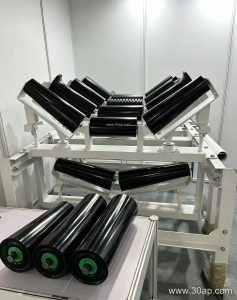
A high impact resistant idler is a specialized conveyor roller built to absorb the shock of heavy, sharp, or fast-falling material at transfer points. Unlike standard carrying idlers that mainly support the belt and load, this impact roller is engineered with a cushioning outer layer and a reinforced body so that lumps of rock, ore, or clinker do not dent the shell or destroy the bearings. In a quarry conveyor line or a primary crusher discharge, the belt often receives material with a significant drop height. Without adequate impact protection, the conveyor belt can suffer punctures, edge damage, and premature wear. The high impact resistant idler acts as a sacrificial barrier that spreads the force and keeps the belt tracking smoothly.
Construction and Key Components
The typical design uses a heavy-duty steel tube as the base shell, covered by a series of rubber rings or a continuous rubber sleeve. These rubber discs are tightly fitted and often feature a slightly rounded profile to guide the belt without sharp edges. The rubber compound is usually formulated for high elasticity and abrasion resistance, helping it rebound after each impact. Inside, the bearing housing is sealed against dust and water ingress, which is critical in stone crushing plants and cement factories where fine particles are everywhere. Common bearing sizes for impact idlers include 6205, 6305, 6306, and 6308, but the exact match depends on the roller diameter and load rating, not on belt width alone. Shaft diameters are selected by the conveyor designer based on the calculated load and the idler frame dimensions.
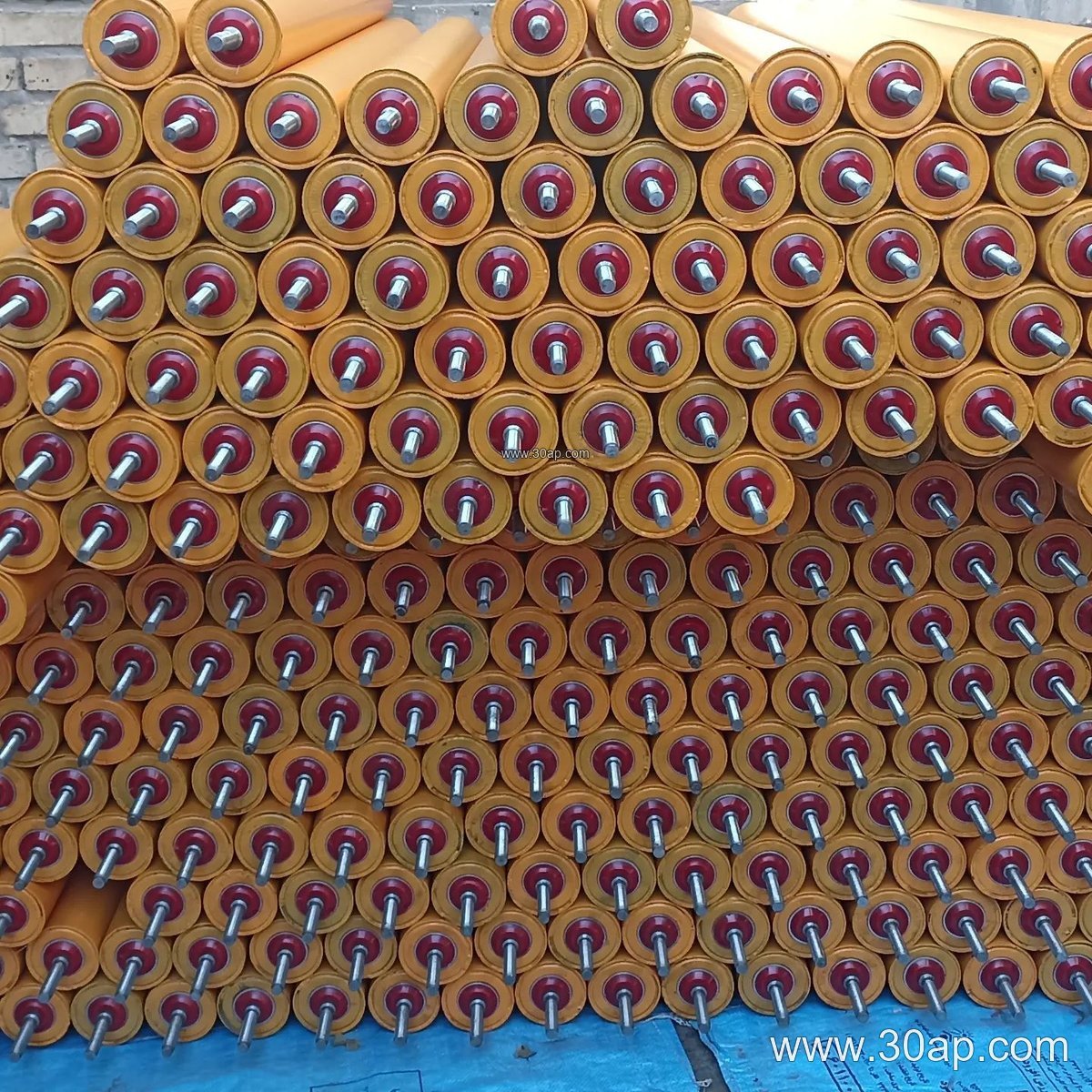
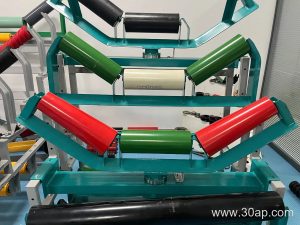
The roller surface may be plain rubber, grooved rubber, or a combination of rubber rings on a steel core. For very high drop points, some impact idlers use a thicker rubber layer and a larger roll diameter, such as Ø133, Ø159, or Ø178, to increase the cushioning effect. Smaller diameters like Ø89 or Ø102 are more common in lighter-duty sections or where space is limited. The idler length is matched to the belt width and trough angle. As a reference, a three-roll troughing set for a B800 belt often uses a roll length around 315 mm, while a B1200 set may use about 465 mm. These are common examples, not fixed rules, and side rolls can differ from the center roll.
Where It Fits in the Conveyor System
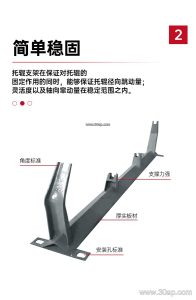
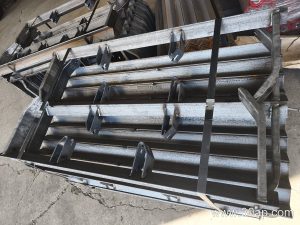
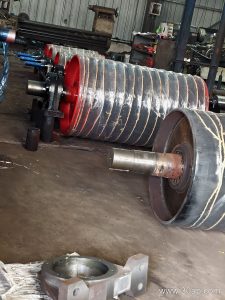
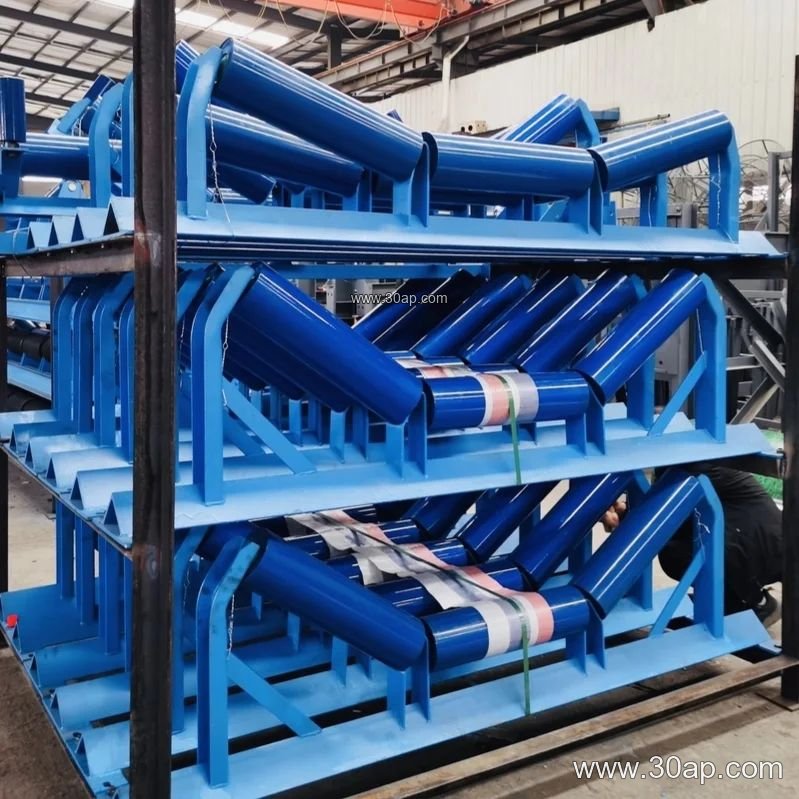
High impact resistant idlers are usually installed in the impact zone, which is the first few meters after a loading chute or a crusher outlet. In a coal mining conveyor or a power plant coal handling system, they protect the belt from large lumps and reduce the risk of belt puncture. In an iron ore or copper ore transfer station, the sharp edges of the ore demand a robust rubber surface. The idler works together with the conveyor belt, the conveyor pulley at the discharge end, and the conveyor bracket that holds the idler frame in place. It is not a replacement for a bend pulley or a tail pulley; those are different components with different functions. The impact idler is strictly a carrying roller in the loading area.
Some operators also use impact idlers in the return run where material carryback is heavy, but the primary application remains the load point. For a quarry conveyor or an aggregate conveyor, a set of three-roll impact idlers with a 35-degree trough angle is common, while a 45-degree trough may be chosen for wider belts or higher capacity. The rubber surface helps center the belt and reduces spillage.
Specifications and Selection Guidance
When selecting a high impact resistant idler, buyers should consider the belt width, the maximum lump size, the drop height, and the expected throughput. The table below lists common reference values for roll diameter, belt width, and trough angle. These are typical ranges, not universal specifications. The final choice should be confirmed with the conveyor designer.
| Reference Item | Common Options |
|---|---|
| Roll diameter | Ø89, Ø102, Ø108, Ø127, Ø133, Ø159, Ø178 |
| Belt width | B500, B650, B800, B1000, B1200, B1400, B1600 |
| Trough angle | 20°, 30°, 35°, 45° |
| Roll surface | Rubber ring, plain rubber sleeve, grooved rubber |
| Bearing size (examples) | 6205, 6305, 6306, 6308 |
| Roll length (three-roll example) | B500 ≈ 200 mm, B800 ≈ 315 mm, B1200 ≈ 465 mm, B1600 ≈ 600 mm |
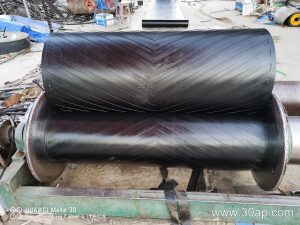
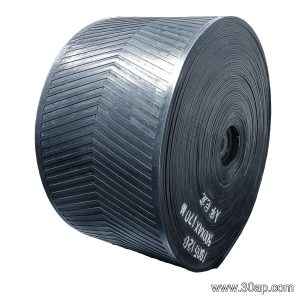
For a heavy-duty mining conveyor belt or a high abrasion resistant conveyor belt, the impact idler should be paired with a belt that can withstand the same abuse. A rubber conveyor belt with a thick top cover is often used in these zones, while an EP conveyor belt or a steel cord conveyor belt may be chosen for the main haul. The impact idler itself does not replace the belt’s own impact resistance, but it extends belt life significantly. In a cement plant conveyor or a steel plant conveyor, the idler must also handle hot material occasionally, so the rubber compound should be checked for temperature limits. If the material is oily or chemically active, an oil resistant conveyor belt may be needed alongside the idler.
Installation and Maintenance Notes
Proper alignment is essential. The impact idler frame should be set at the same height as the adjacent carrying idlers so that the belt does not step up or down. The rubber rings should be inspected for cuts, looseness, or flat spots. In a sand making plant conveyor or a stone crushing conveyor, the impact zone may need more frequent inspection because of the sharp, abrasive material. Lubrication is usually not required for sealed bearings, but the seals should be checked for damage. When replacing an impact idler, use the same roll diameter and length as the original unless the conveyor design is being upgraded. Do not substitute a standard troughing idler for a high impact resistant idler in the loading zone, as the standard roller may fail quickly under shock loads.
For buyers, it is helpful to request the idler drawing with shaft diameter, bearing type, and rubber hardness. The conveyor bracket dimensions should match the existing frame. A common mistake is to order by belt width alone without confirming the roll length and the trough angle. In a port conveyor or a ship loading conveyor, the impact idler may be exposed to salt air, so the paint and seal quality matter. In an underground coal mining conveyor, flame retardant properties of the belt are critical, but the idler itself should also be selected for the same safety environment. Always confirm the compatibility of the idler with the conveyor belt and the pulley system before installation.