What a Custom Conveyor Bracket Really Does
A custom conveyor bracket is the fabricated support that holds idler rollers in the right position under or over the conveyor belt. Instead of forcing a standard frame onto a line with unusual width, trough angle or transition geometry, the bracket is made to match the actual layout. In a quarry, a cement plant or a power plant coal yard, that difference shows up quickly: the belt tracks better, the rollers sit square, and maintenance crews can replace a roller without cutting and rewelding the frame.
The name is often shortened to custom bracket or made-to-order idler bracket. It is still the same product: a steel support structure dimensioned for a specific conveyor.
How the Bracket Is Built
Most units are fabricated from angle steel, channel steel or folded steel plate. The choice depends on load, span and the environment. A heavy-duty mining conveyor bracket carrying a wide, thick belt usually calls for channel or folded plate, while a lighter aggregate line may use angle sections.
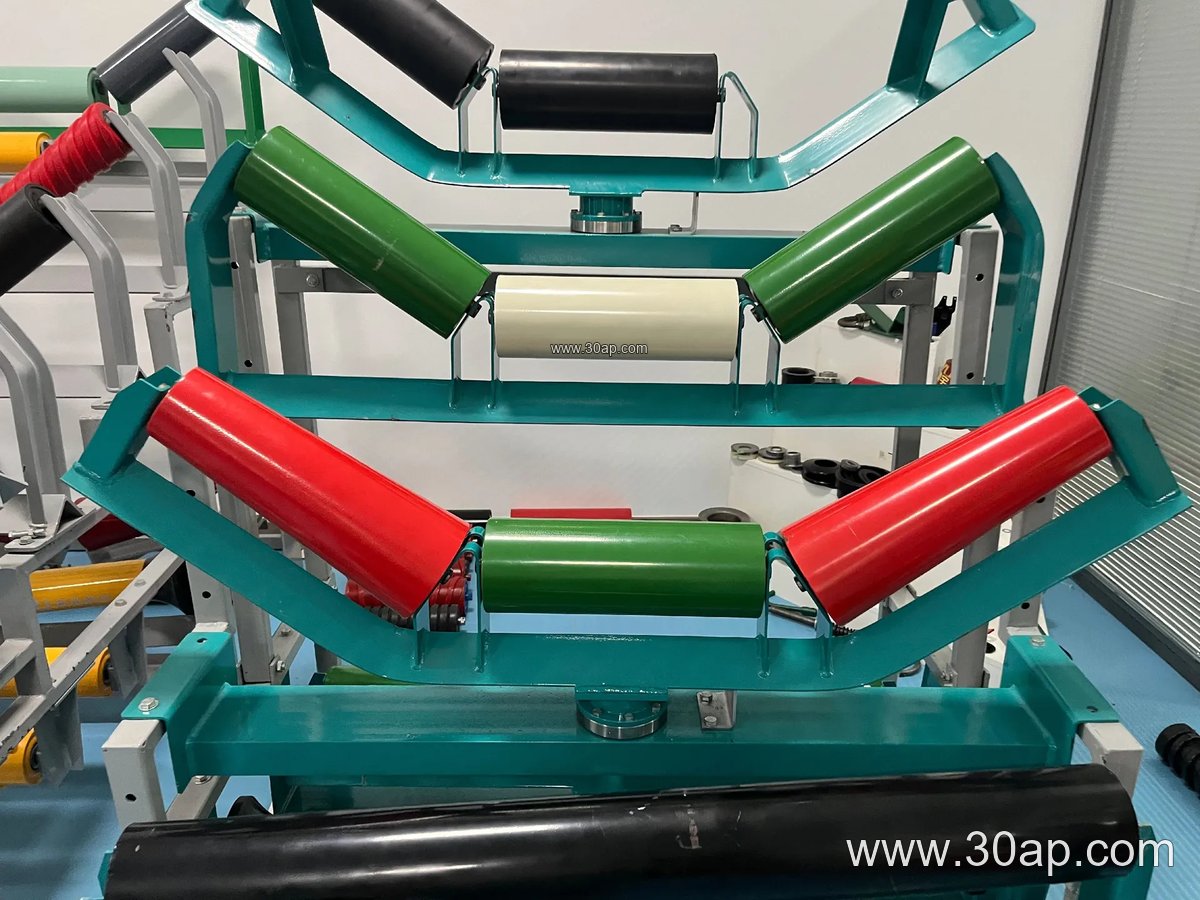
Key build points include:
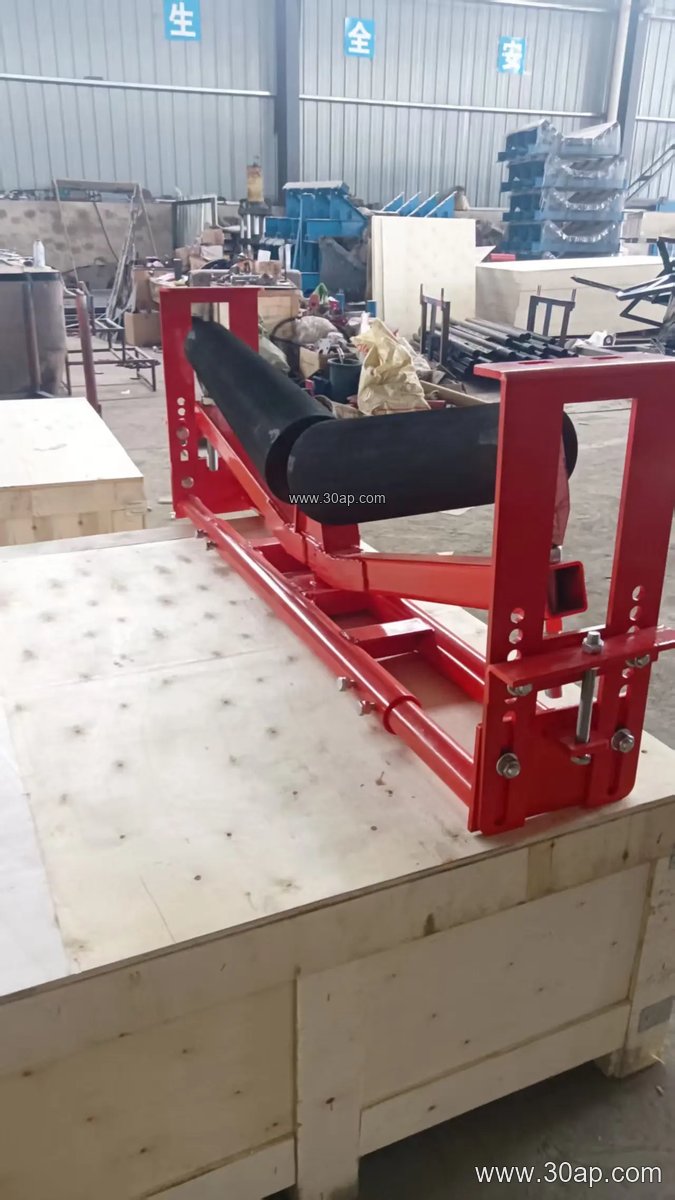
- Mounting hole spacing matched to the idler roller shaft and frame
- Trough angle formed into the bracket or adjustable through slotted connections
- Crossbeam length sized to the belt width, not fixed across all lines
- Welds and galvanizing or painting suited to dusty, wet or corrosive sites
Common belt widths in custom work include B500, B650, B800, B1000, B1200, B1400 and B1600, with wider frames available when the conveyor demands it. Trough angles are usually 20, 30, 35 or 45 degrees. Roller diameters such as Ø89, Ø108, Ø133, Ø159 and Ø194 appear across these frames, but no single belt width is tied to one angle or one roller diameter. The bracket is designed around the actual combination.
Common Bracket Positions on a Conveyor
A custom conveyor bracket may serve several positions along the same line. Trough brackets support the carrying side and set the belt into its trough shape. Transition brackets guide the belt from a flat pulley into the trough section without stressing the edges. Return brackets hold the belt on the return run, and V-return or flat return designs are chosen according to belt sag and material carryback.
Impact brackets sit below loading points, often with cushion rollers, to absorb the drop from a crusher or transfer chute. Self-aligning brackets correct minor belt drift on long runs. Adjustable versions let crews change the trough angle between, for example, 30 and 45 degrees, or fine-tune roller contact after installation. Forward-leaning brackets, commonly around 1.5 to 2 degrees, are used where belt training is a concern.
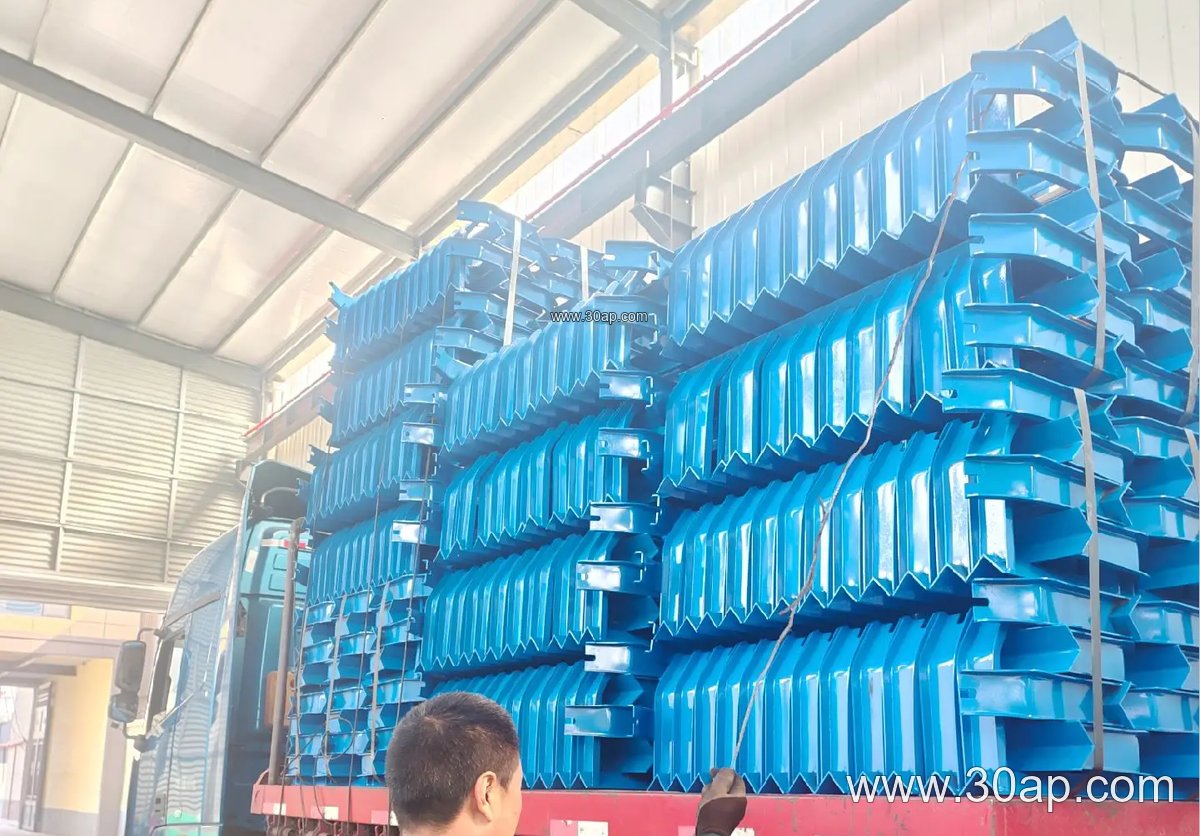
Where These Brackets Are Used
You will find them in limestone mines feeding a crusher, in sand and gravel lines where belt widths change between screening decks, and in cement plants moving clinker and raw meal. Power plant coal handling systems use them on long transfer conveyors, while steel plants and sinter lines rely on sturdy frames that tolerate heat and heavy loads.
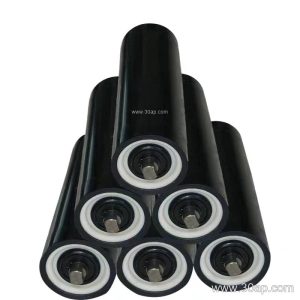
They work alongside the conveyor belt, conveyor pulley and idler roller as one system. A frame that fits properly keeps the belt centered, reduces edge damage and helps a rubber conveyor belt or an EP conveyor belt run at its expected service life. In dusty or wet conditions, a well-built bracket also keeps rollers from sitting at odd angles that shorten bearing life.
What Buyers Should Confirm Before Ordering
Accurate ordering starts with site data, not a catalog page. Useful information includes:
- Belt width and the required trough angle
- Roller diameter and shaft end type
- Mounting hole spacing and crossbeam length
- Fixed or adjustable design, and the angle range needed
- Material thickness and surface treatment for the site conditions
A simple reference table helps keep the conversation clear:
| Item | Typical Reference |
|---|---|
| Belt width | B500 to B2200, depending on line |
| Trough angle | 20°, 30°, 35°, 45° |
| Roller diameter | Ø89, Ø108, Ø133, Ø159, Ø194 |
| Material | Angle steel, channel steel, folded plate |
| Design | Fixed or adjustable |
Ask for drawings that show hole centers and overall height. Confirm whether the bracket will be used at a transition, an impact zone or a standard carrying position, because each has different bracing needs. For high-abrasion sites, mention the abrasion resistant conveyor belt and the expected dust load so the fabricator can allow for roller change clearance.
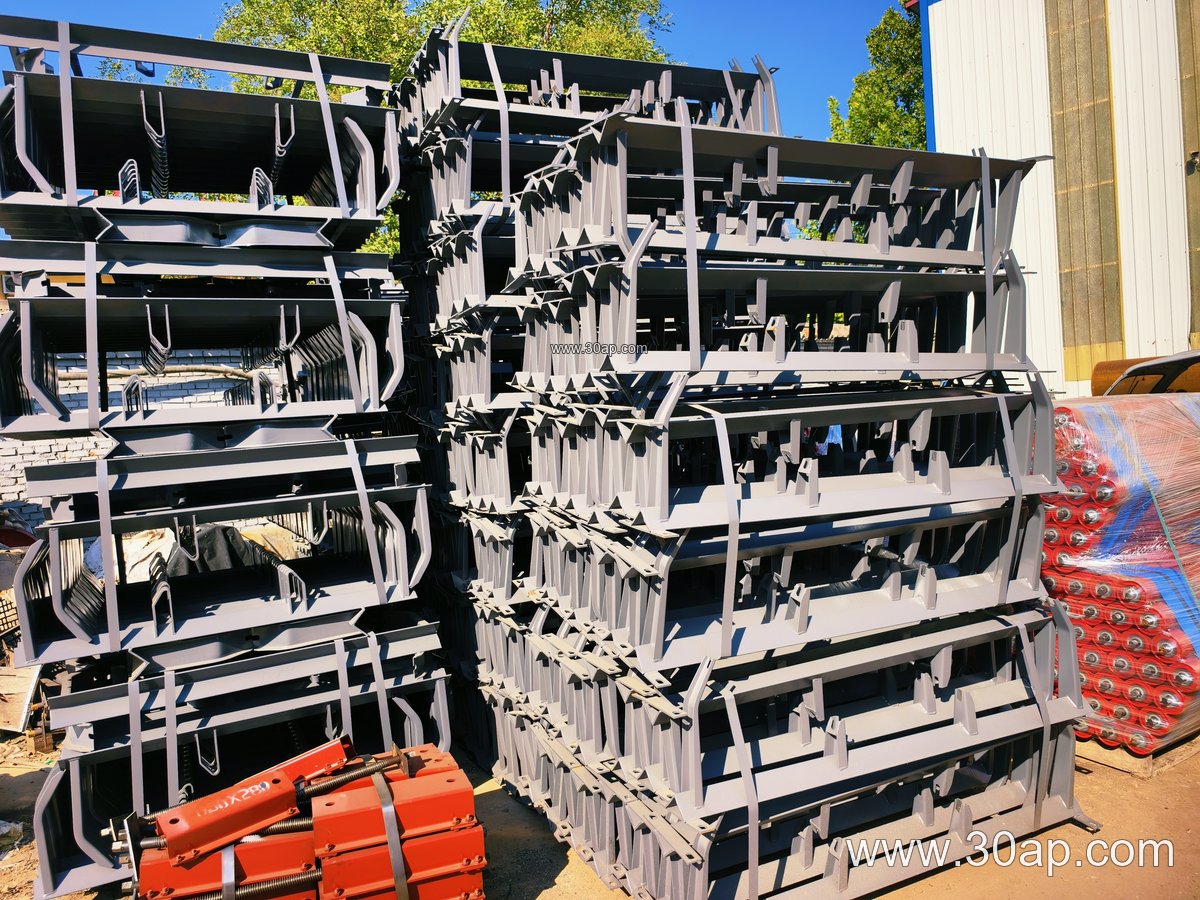
Finally, check spare-part strategy. Ordering a matched set of custom conveyor brackets for critical positions reduces downtime when a frame is bent by a stray lump or a loader impact. The right bracket is not the biggest one; it is the one dimensioned for the belt, the roller and the job.