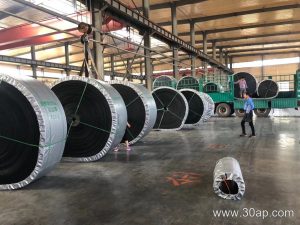
What an EP400 Conveyor Belt Is
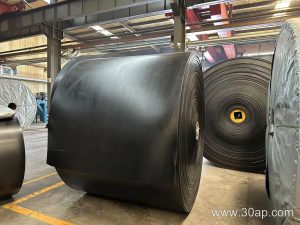
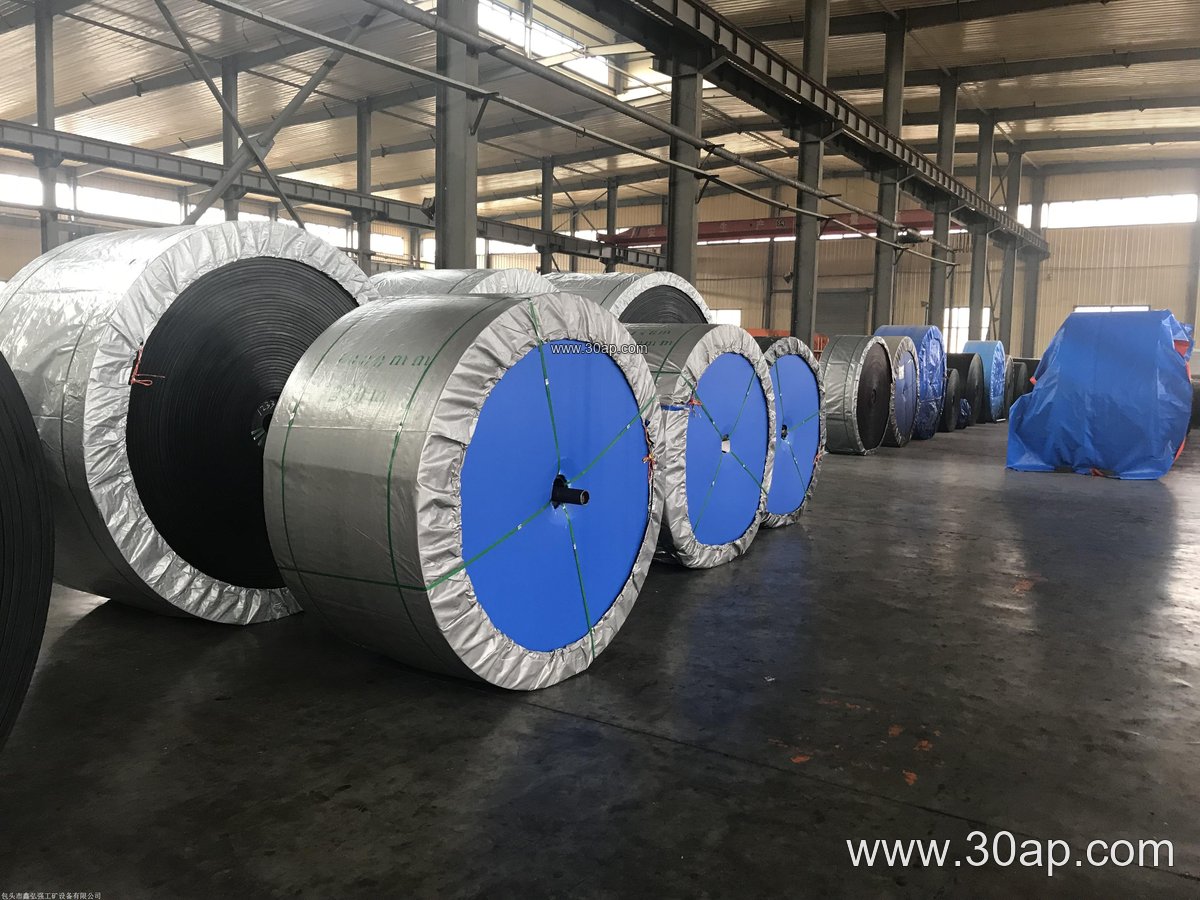
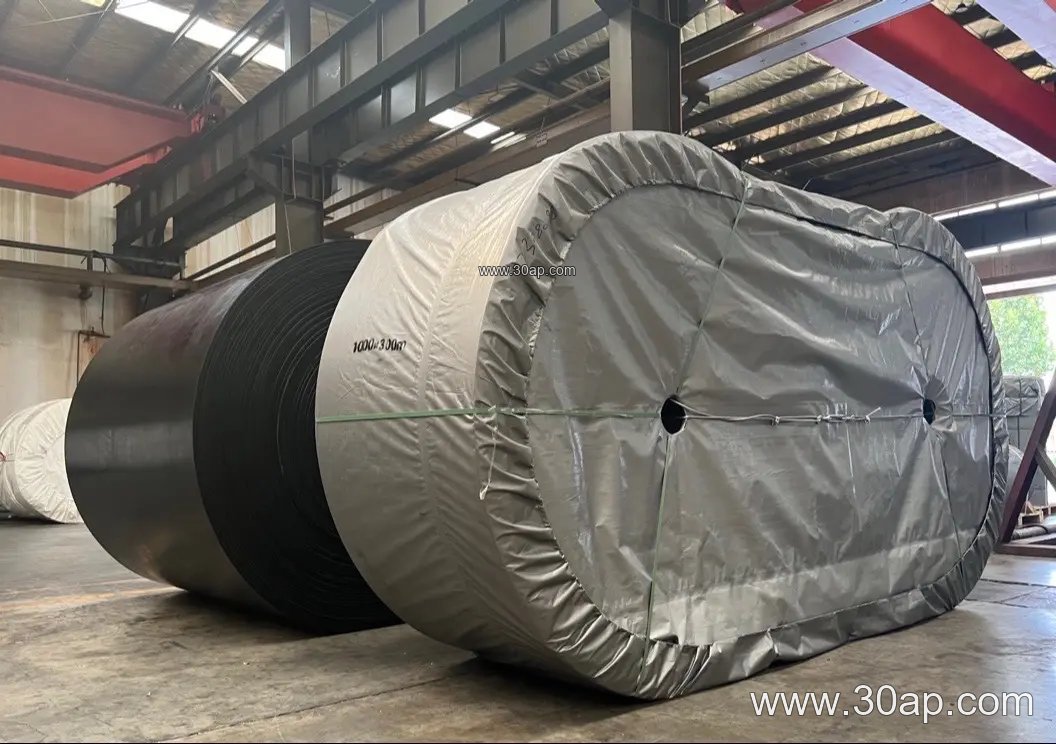
An EP400 conveyor belt is a fabric-core rubber belt built on polyester-polyamide (EP) carcass plies, with a nominal tensile strength of 400 N/mm per ply. It sits in the middle of the EP range, above lighter EP200 and EP315 constructions and below EP500, EP630, and heavier high-strength grades. Because the EP carcass stretches very little under load, this belt is a common choice where a conveyor needs stable tracking and modest elongation rather than the extreme tension capacity of a steel cord belt.
In everyday plant language it may be called an EP400 rubber conveyor belt, an EP fabric core belt, or simply an EP belt. All of these refer to the same product; the strength class and the EP carcass are what define it.
How the Belt Is Built
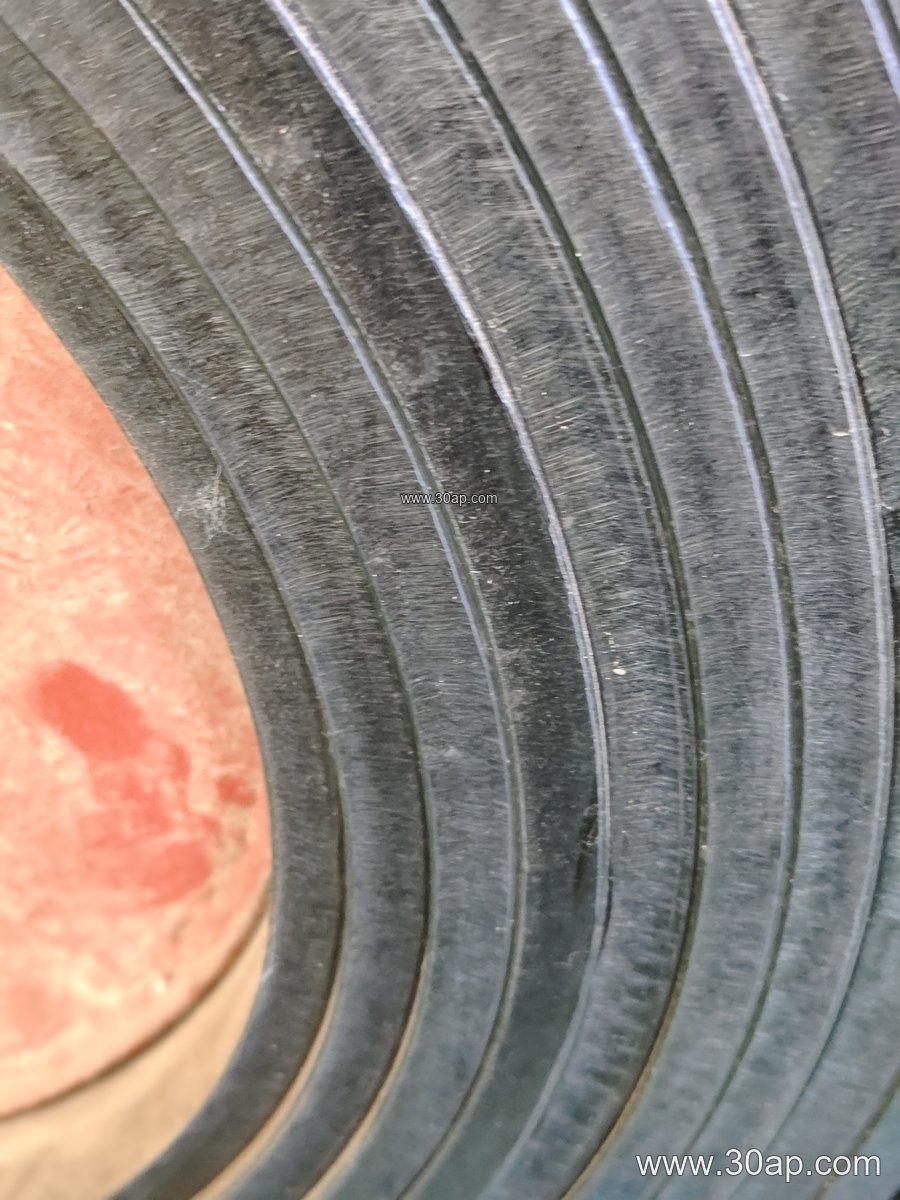
The carcass usually consists of two to six EP fabric plies bonded with rubber skim compound, then covered on both faces with abrasion-resistant rubber. Common cover combinations include 4+2 mm, 5+2 mm, and 6+2 mm, with thicker covers used where lumps and sharp edges are present. The belt edges are protected by cut or moulded edge rubber to limit ply separation.
Buyers should note that EP400 is a strength class, not a fixed construction. Ply count, cover thickness, and total belt thickness are chosen per application. A belt sold as “EP400, 10 mm thick” tells you the class and the gauge, but not the full specification, so always request the carcass and cover data sheet.
Where It Fits in the Plant
This belt class appears across a wide spread of bulk handling duty:
- Mines and quarries moving run-of-mine rock and ore from crushers to stockpiles
- Coal handling systems in power plants and coal preparation plants
- Cement plants conveying clinker, limestone, and raw meal
- Sand and gravel operations, aggregate plants, and stone crushing lines
- Ports and ship loading facilities handling bulk cargo
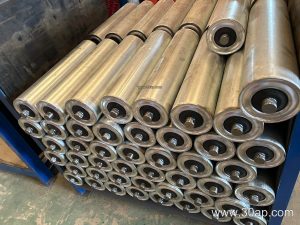
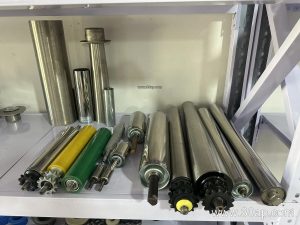
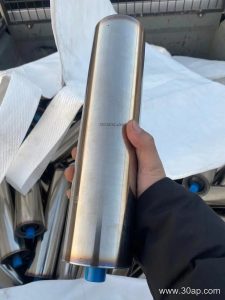
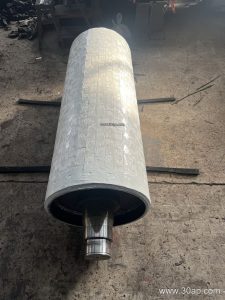
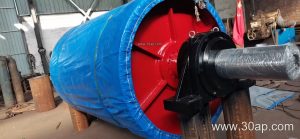
In these settings the belt runs over conveyor pulleys at the head and tail, supported by idler rollers and mounted on conveyor brackets along the structure. Drive, tail, and bend pulleys each do a different job, so they are specified separately and are not interchangeable.
Matching the Belt to the Duty
The base EP400 construction suits general abrasive material at moderate tension. Where conditions change, the compound and construction are adapted rather than the strength class alone:
- Flame retardant and anti-static versions for underground coal mining conveyors
- Heat resistant grades for clinker and sinter handling
- Oil resistant covers for recycled material and oily scrap
- Cold resistant compounds for outdoor winter operation
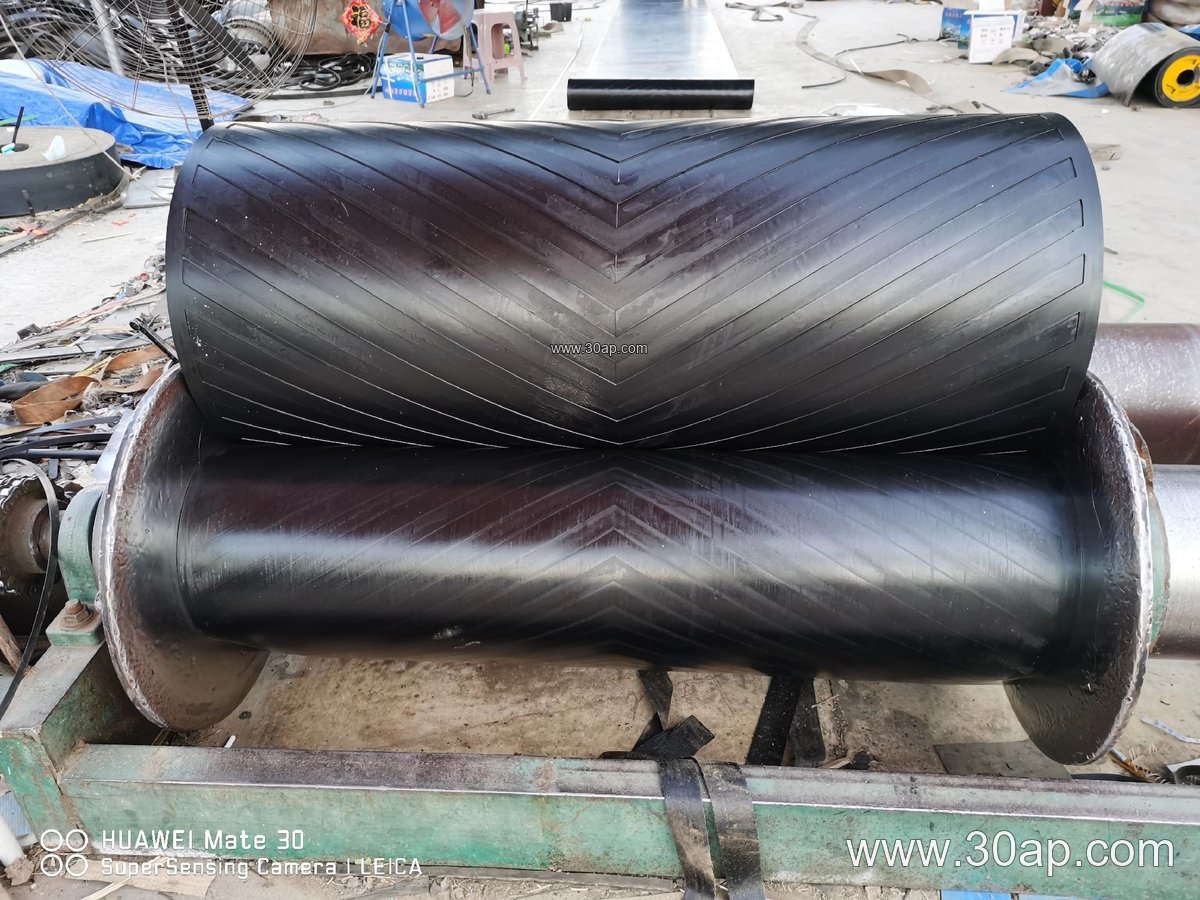
- Chevron or corrugated sidewall designs for steep inclines
For very long, high-tension routes, a steel cord conveyor belt may be the better fit; for lighter duty, an NN conveyor belt is often enough. The EP400 remains the practical middle ground for many plant conveyors.
Common Reference Dimensions
The table below shows typical values used in enquiry sheets. These are reference ranges, not universal guarantees, and final figures are confirmed by the manufacturer for each order.
| Parameter | Typical reference values |
|---|---|
| Strength class | EP400 (400 N/mm per ply) |
| Belt width | B500, B650, B800, B1000, B1200, B1400, B1600 |
| Ply count | 2 to 6 plies |
| Cover thickness | 3+1.5, 4+2, 5+2, 6+2 mm |
| Surface form | Plain, chevron, skirted sidewall |
Width and pulley diameter are matched by conveyor design, not by a fixed rule; a given belt width can run on more than one pulley size depending on tension and wrap angle.
What to Check Before Ordering
Confirm the material being carried, lump size, throughput, incline angle, ambient temperature, and whether the area is classified for fire risk. State the required cover grade and whether anti-static properties are needed. Ask for the splice method, since an endless conveyor belt joint must match the carcass and the available press. Finally, check that the pulley diameters and idler spacing suit the belt’s flexibility, and keep spare idler rollers and pulley lagging on hand to protect the belt over its service life.