What an Assembled Pulley Is
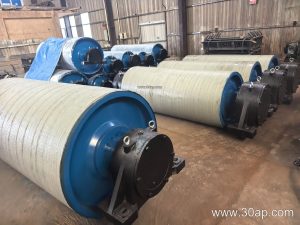
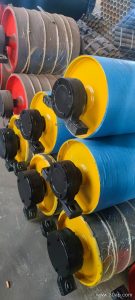
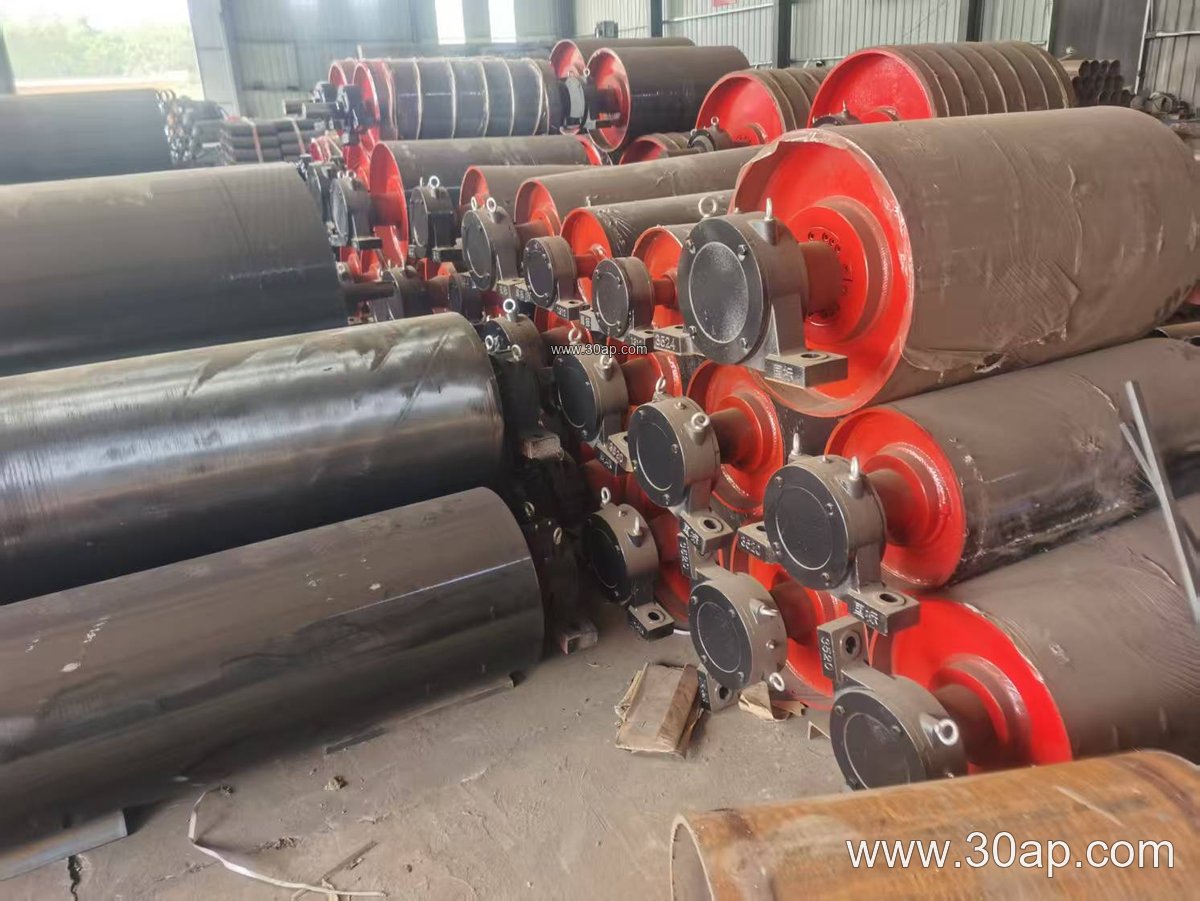
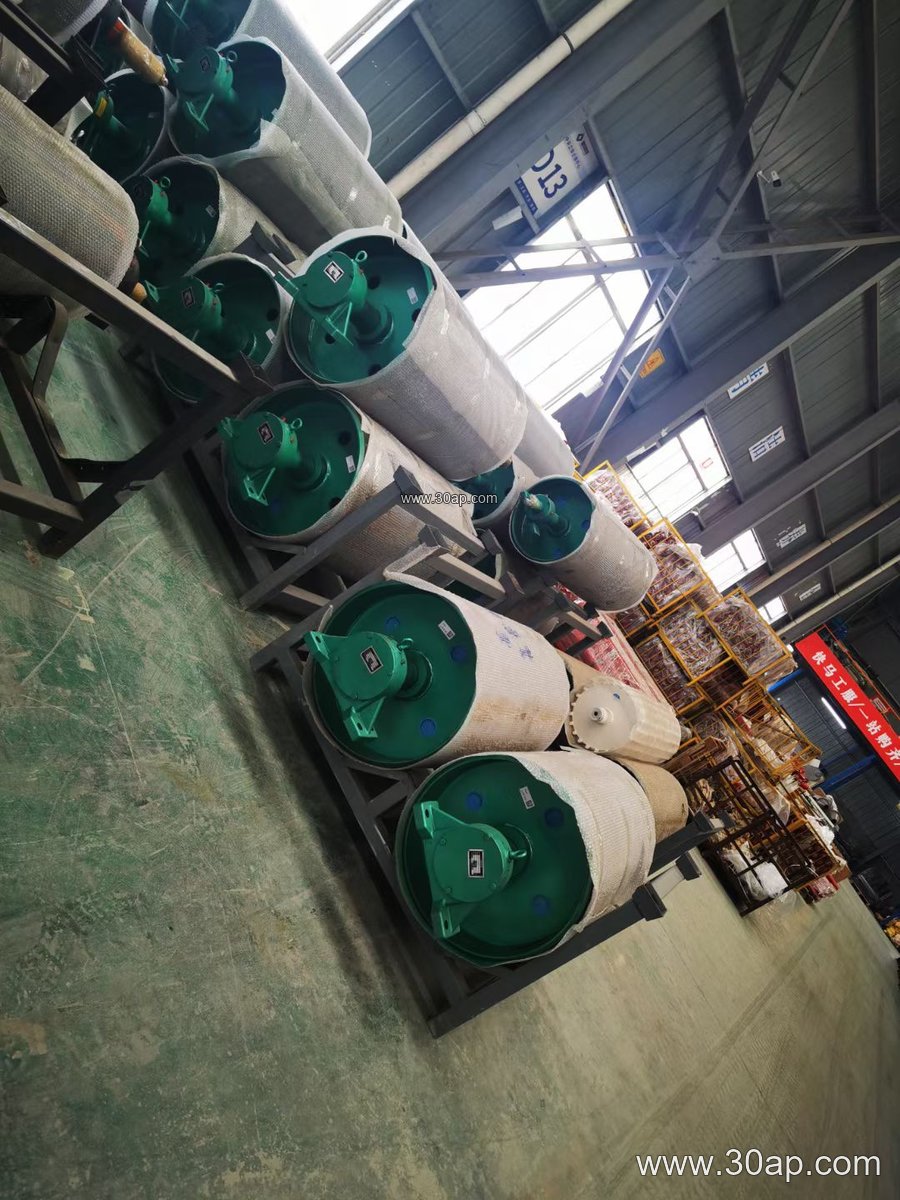
An assembled pulley is a complete, ready-to-mount conveyor pulley that arrives with the shell, shaft, bearings, and locking elements already put together. Instead of sourcing a bare shell and separate hub components, maintenance teams receive a single unit that can be lifted into the conveyor frame and aligned. In quarry and aggregate lines, this saves downtime because the pulley is treated as a drop-in replacement rather than a kit of parts. The same approach is common in coal mining conveyor systems and cement plant raw-material handling, where a failed tail or bend pulley can stop the whole transfer point.
How the Assembly Is Built
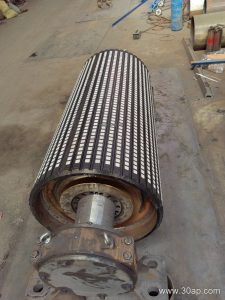
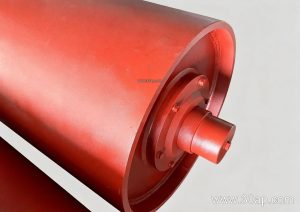
The core is a cylindrical shell, usually steel, machined to accept a shaft through welded or bolted hubs. Bearings are seated in bearing housings that are part of the assembled unit, and the shaft ends are often keyed or provided with locking assemblies. Surface options include plain finish, cast rubber, cold-bonded rubber, hot-vulcanized rubber, diamond grooving, herringbone grooving, and ceramic lagging. Lagging thickness commonly falls in the 8 mm to 20 mm range, depending on the duty. The pulley face width is normally wider than the belt it carries; for example, a B800 belt might run on a pulley with roughly 950 mm face width, while a B1200 belt could use about 1400 mm. These are reference relationships, not fixed rules.
Where Assembled Pulleys Are Used
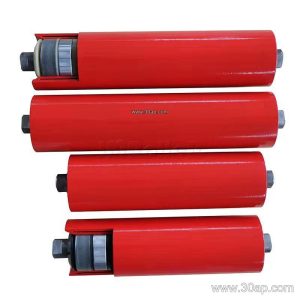
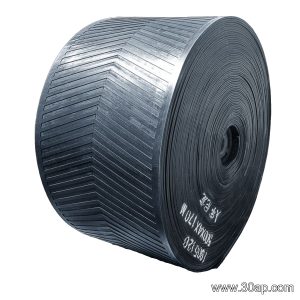
These units appear at head, tail, tension, and bend positions. A head or drive pulley transmits torque to the belt, while a tail pulley supports the return side at the loading end. Bend pulleys redirect the belt around a take-up system. In a limestone mine, an assembled bend pulley may work alongside a fabric core conveyor belt and a set of idler rollers to keep the return strand tracking. In a power plant coal yard, the same component might sit near a flame retardant conveyor belt and a conveyor bracket that anchors the bearing housing. The assembled format is also useful in tunnel spoil removal, fertilizer plants, and grain silos where access for field assembly is limited.
Specifications and Naming
Buyers will encounter combinations such as B1200 × Ø1000 or B800 × Ø500. The diameter is selected from a range that may include Ø200, Ø315, Ø500, Ø630, Ø800, Ø1000, Ø1250, and larger sizes up to Ø1800 or Ø2000. Shaft diameter is not a simple function of belt width; it is determined by torque and load, with common values from Ø50 to Ø200. The table below shows illustrative pairings, not mandatory matches.
| Belt width reference | Typical pulley face width | Possible diameter range | Common shaft diameter range |
|---|---|---|---|
| B500 | About 600 mm | Ø200 to Ø400 | Ø50 to Ø80 |
| B800 | About 950 mm | Ø315 to Ø630 | Ø60 to Ø100 |
| B1200 | About 1400 mm | Ø500 to Ø1000 | Ø80 to Ø140 |
| B1600 | About 1800 mm | Ø630 to Ø1250 | Ø100 to Ø180 |
When checking a quote, ask for the shell diameter, face width, shaft diameter, lagging type and thickness, bearing size, and locking method. The same assembled pulley can be supplied as a drive pulley, tail pulley, or bend pulley, but these are different positions with different load profiles and should not be treated as interchangeable names.
Buyer Checklist
- Confirm the belt width and the required face width, allowing for belt tracking.
- Match the lagging to the material: abrasion resistant rubber for ore and aggregate, oil resistant grades for recycled or oily loads, and heat resistant grades near kilns or dryers.
- Check that the shaft diameter suits the calculated torque, not just the belt width.
- Verify bearing housing bolt pattern against the existing conveyor bracket.
- Ask whether the pulley is balanced for the intended belt speed.
- Review the interface with the conveyor belt and nearby idler roller positions to avoid belt misalignment.
For plants running EP conveyor belts or steel cord belts, the assembled pulley is often the quickest way to restore a transfer point. At guanhengconveyor.com, buyers can compare assembled pulley options with related conveyor components such as the conveyor pulley, idler roller, and conveyor bracket before specifying a replacement.