What a V-Type Idler Does on a Conveyor
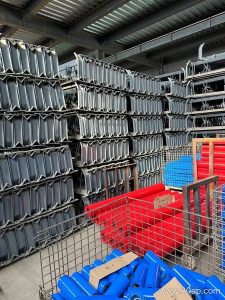
A V-Type Idler is a return-side roller assembly built from two short rolls set at an angle to form a shallow V. Mounted under the carrying strand, it supports the empty conveyor belt on its way back to the tail. The V shape does two jobs at once: it lifts the belt edges slightly higher than the center, which encourages loose material and dust to fall away instead of being pressed into the belt, and it helps the belt track closer to the center line on the return run.
This return idler is sometimes called a V-return idler or V-shaped return roller. Those names describe the same product, and buyers may meet all of them in a single inquiry. It is not a substitute for a troughing idler on the carrying side, nor is it a replacement for a transition or impact idler; each position on a conveyor does a different job.
How the Assembly Is Built
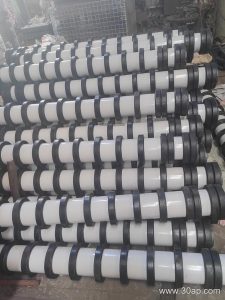
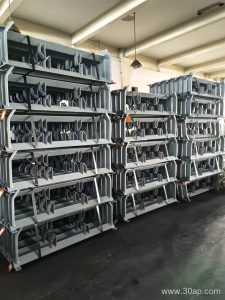
Most V-Type Idlers use two equal roll shells fixed to a common frame at a set angle. Each roll turns on its own bearing housing, and the frame bolts to the conveyor bracket or stringer. Roll shells are usually steel tube, with options such as nylon, ceramic, or rubber rings where belt protection or material build-up is a concern. Sealing matters more than many buyers expect: dust and fine grit from a quarry or a coal handling line will shorten bearing life quickly if the labyrinth seal is poor.
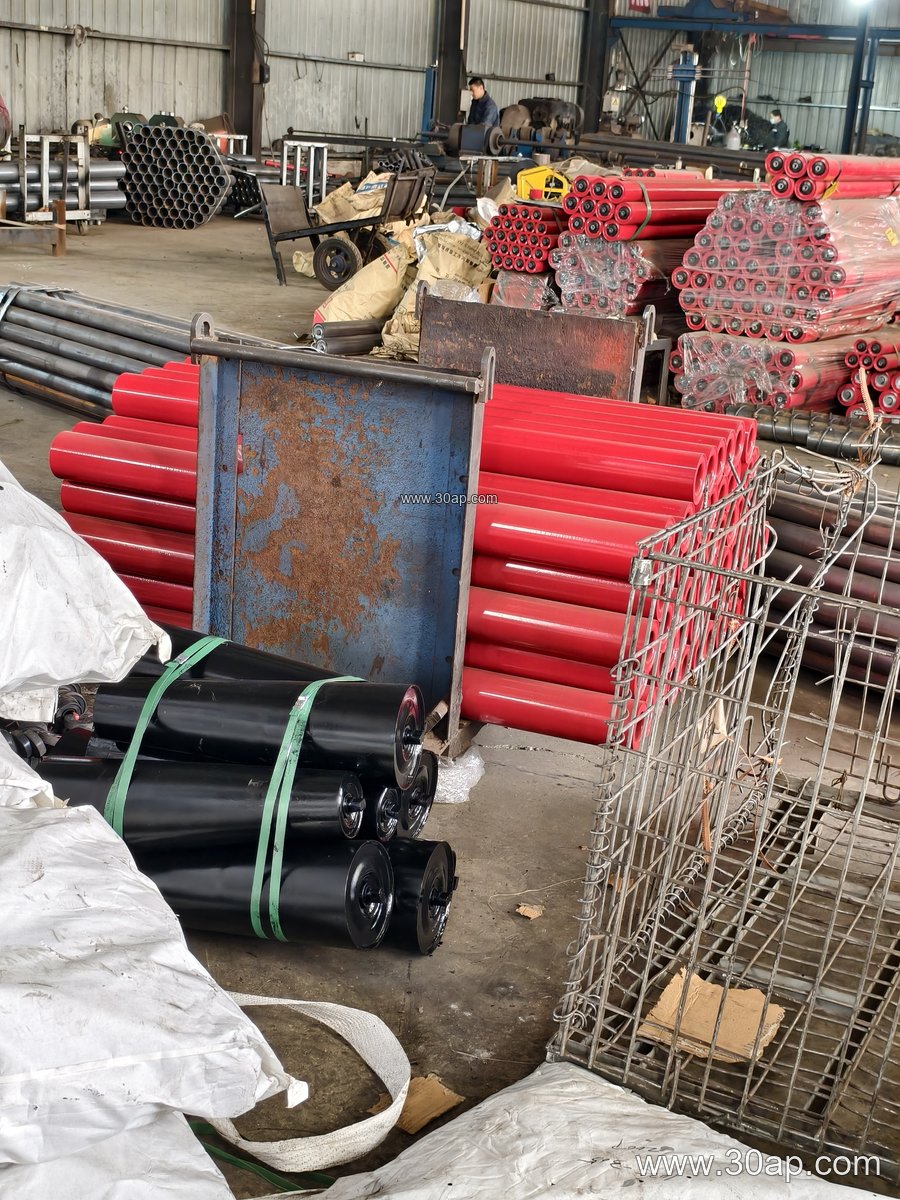
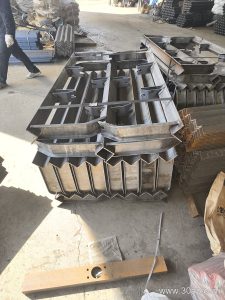
The V angle is set by the frame design, not adjusted on site. Because the two rolls are short, the assembly is compact and easy to fit in tight return stations.
Where It Fits in Bulk Handling
V-Type Idlers are common in sand and aggregate lines, cement plants, and power plant coal conveying, where fine material tends to cling to the return belt. In a stone crushing circuit, spillage around the transfer points often ends up on the return strand; a V-return roller helps shed it before it reaches the tail pulley. They also appear in fertilizer and grain handling, where keeping the return side clean protects product quality.
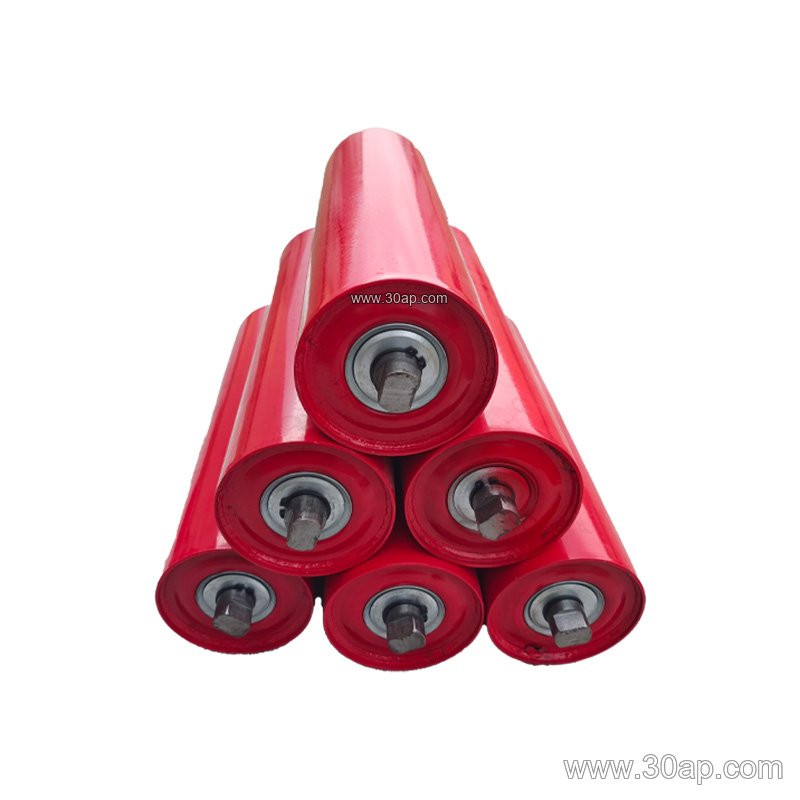
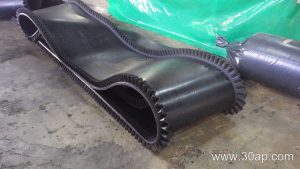
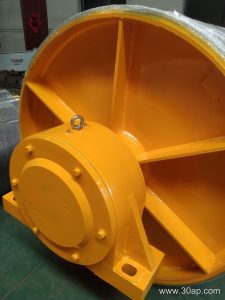
The idler works together with the rest of the conveyor: the conveyor belt carries the load, the drive and tail pulleys move it, and the conveyor bracket and frame hold each roller in line. A well-aligned return strand reduces edge wear and lowers the chance of belt mistracking into the structure.
Common Sizes and Bearing Options
There is no single size that suits every conveyor. Roll diameter, roll length, and bearing selection should follow the belt width, the load on the return strand, and the design speed. The table below gives typical reference values; final dimensions are confirmed by the conveyor design.
| Parameter | Common reference values |
|---|---|
| Roll diameter | Ø63, Ø76, Ø89, Ø102, Ø108, Ø127, Ø133 mm |
| Bearing | 6204, 6205, 6305, 6306, 6308 |
| Belt width | B500, B650, B800, B1000, B1200, B1400 mm |
| Roll surface | Steel tube, nylon, ceramic, rubber ring |
Roll length changes with belt width and frame style, and the two rolls in a V assembly are usually shorter than a full-width return roll. A larger diameter is often chosen for heavy belts or high-speed lines, while smaller diameters suit lighter duty. Bearing size should be matched to the calculated load, not picked from the belt width alone.
Buyer Checklist Before Ordering
- Confirm the belt width and the return strand load, since these drive roll diameter and bearing choice.
- Check the mounting interface with the existing conveyor bracket or stringer, including bolt spacing.
- Ask about seal type and grease arrangement if the line is dusty or washes down regularly.
- Decide on the roll surface: plain steel is common, while rubber rings reduce belt wear in some positions.
- Confirm the V angle and overall height so the return belt sits at the right elevation.
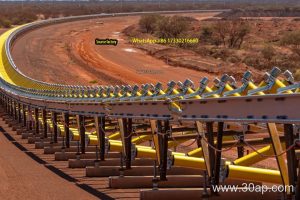
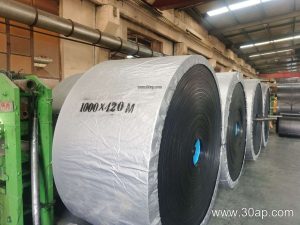
On long overland or high-tonnage lines, the return idler selection is often reviewed together with the belt specification. A heavy-duty mining conveyor belt, for example, may call for larger roll diameters and stronger frames than a light aggregate line. Matching the idler to the belt and the duty keeps the whole system running smoothly.
Installation and Maintenance Notes
Align the V-Type Idler square to the belt center line during installation; a skewed frame will steer the belt rather than support it. Check that both rolls turn freely by hand before the belt is tensioned. During service, listen for noisy bearings and look for material packed between the rolls, which can stop rotation and wear a flat spot into the belt cover. Regular cleaning and occasional greasing, where grease fittings are provided, extend service life considerably.
Replacement is straightforward: remove the mounting bolts, lift the assembly out, and fit a new unit of the same frame height and roll diameter. Keeping a spare set on hand avoids long downtime in continuous operations such as a cement kiln feed line or a port ship loading system.