What a 1600mm Diameter Conveyor Pulley Is
A 1600mm diameter conveyor pulley is a large-diameter drum used at the head, tail, or tensioning point of a heavy-duty belt conveyor. Because of its size, it is normally found on wide, high-capacity systems where the belt carries abrasive bulk material such as ore, crushed rock, clinker, or coal. In many plants this drum is the main head pulley that drives the belt, though the same 1600mm diameter can also be applied as a tail or take-up pulley depending on the layout. A conveyor pulley of this size is not a universal fit for every belt width; it is selected against belt tension, shaft load, and the space available in the conveyor frame.
Construction and Surface Options
A pulley this large is usually built as a welded steel shell with end discs, a hub, and a shaft. The shell may be machined smooth or covered with rubber. Common surface forms include plain, hot-vulcanized rubber, cold-bonded rubber, diamond grooving, herringbone grooving, and ceramic lagging. Lagging thickness is often 8, 10, 12, 15, or 20 mm, chosen for grip and wear rather than appearance.
The shaft diameter is determined by torque and radial load, not by belt width alone. Typical shaft sizes in this class can range from Ø120 up to Ø200 and beyond, but the final value must come from the pulley design calculation. Bearings, locking assemblies, and the conveyor bracket arrangement should be confirmed together with the drum.
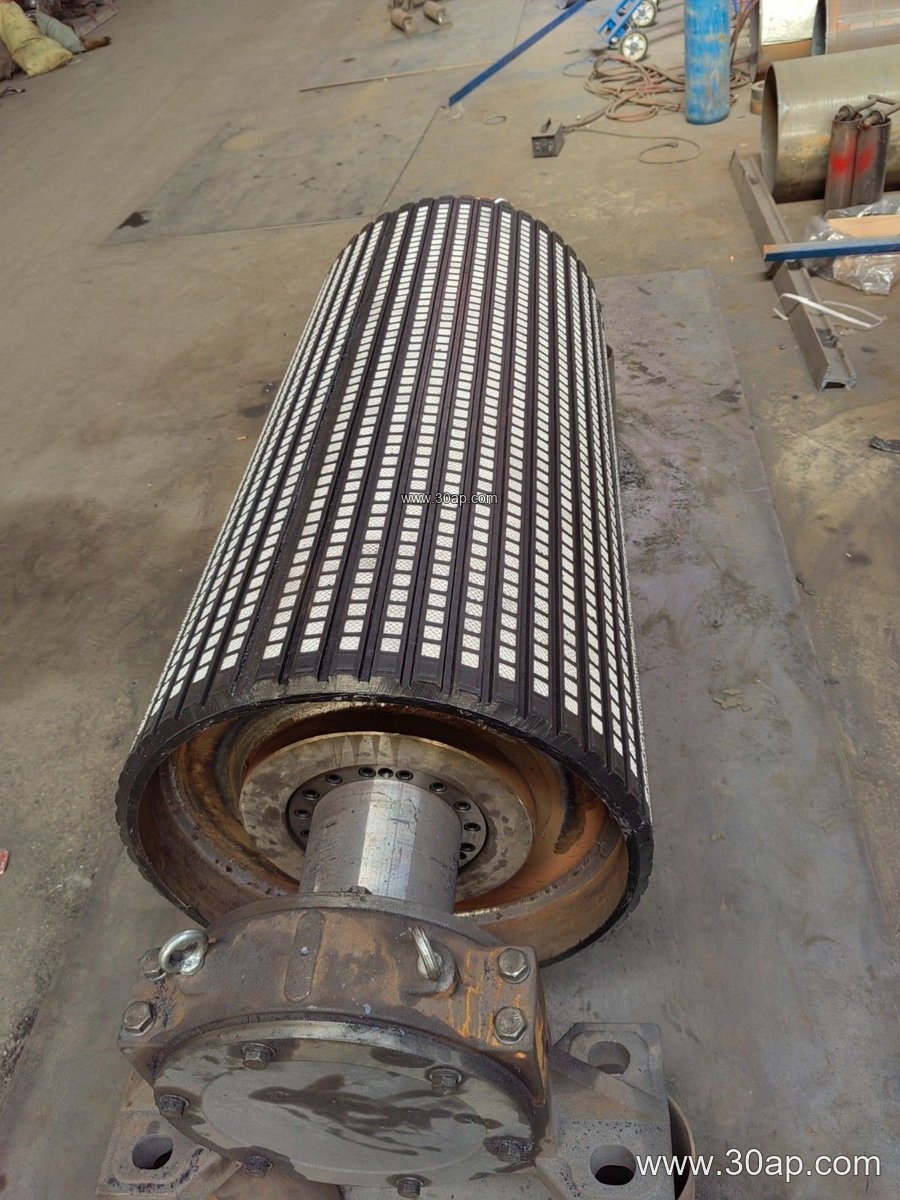
Where It Fits in a Conveyor
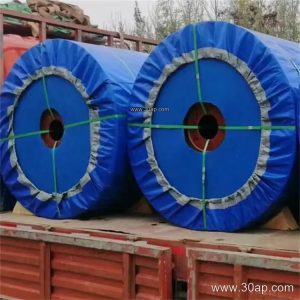
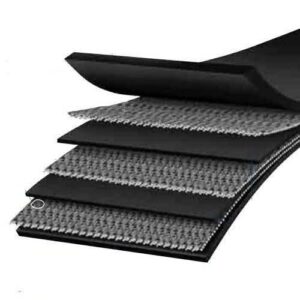
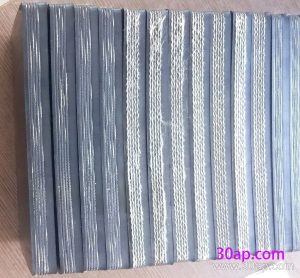
Large-diameter pulleys are used in quarry and aggregate lines, iron ore and copper ore handling, coal preparation plants, cement clinker transport, and power plant coal systems. In these duties the belt often runs at high tension, so a larger drum reduces bending stress in the belt carcass and helps maintain a stable tracking path. A steel cord conveyor belt or a heavy-duty fabric core belt generally benefits from a generous pulley diameter, while a pipe conveyor belt or a corrugated sidewall belt needs a drum sized to its own specific bend requirements.
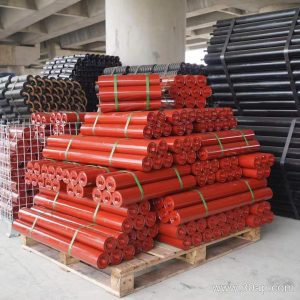
The drum works together with the conveyor belt, idler roller, and conveyor bracket. The idlers support the loaded strand, the brackets hold the pulley in place, and the belt transmits the load. When the pulley is lagged, the friction between drum and belt improves, which matters on drives handling wet or dusty material.
Common Size Relationships
The table below shows reference values only. They are not fixed pairings, and a 1600mm diameter drum can be combined with more than one belt width.
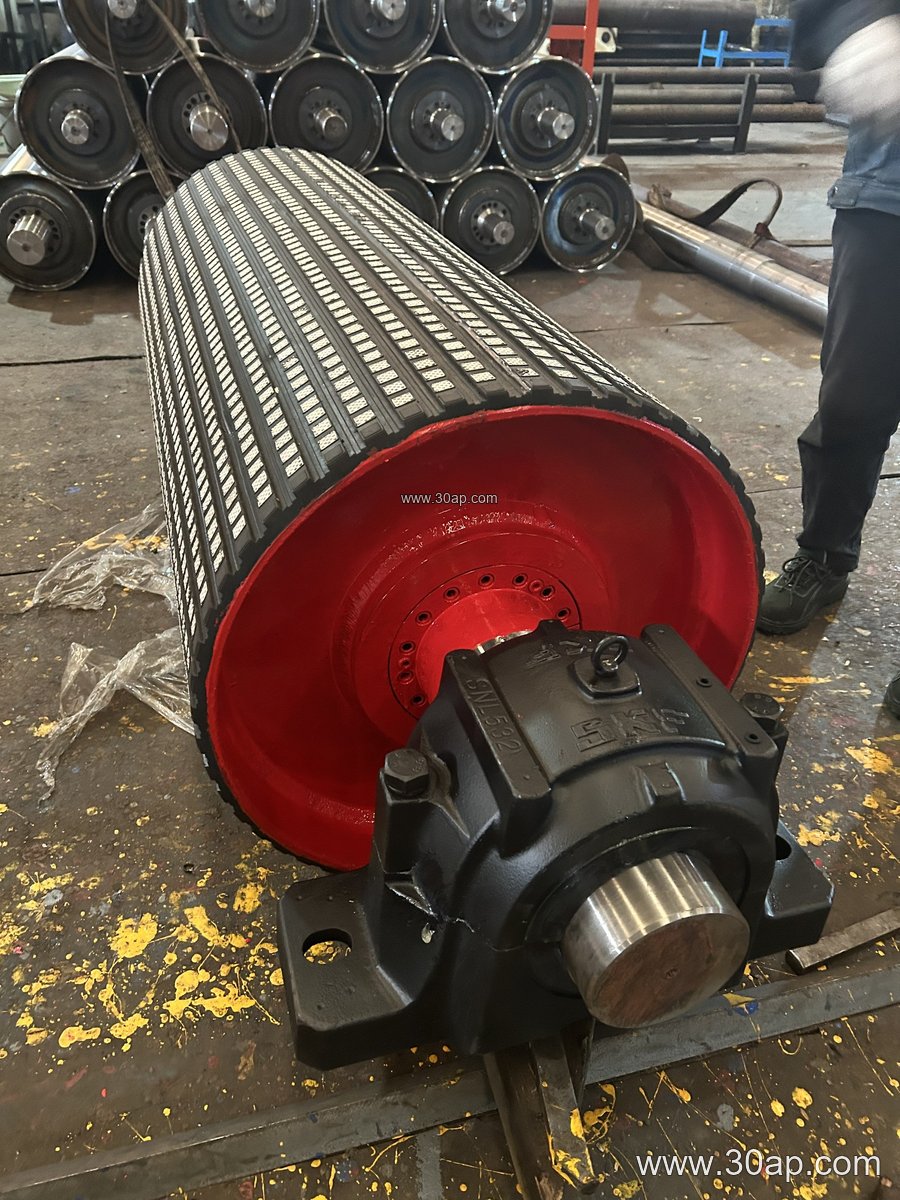
- Belt width B800: pulley face width usually about 950 mm
- Belt width B1000: pulley face width usually about 1150 mm
- Belt width B1200: pulley face width usually about 1400 mm
- Belt width B1400: pulley face width usually about 1600 mm
- Belt width B1600: pulley face width usually about 1800 mm
- Belt width B1800: pulley face width usually about 2000 mm
For example, a B1400 belt may run with a Ø1600 pulley, while a B1600 belt may use the same diameter with a wider face. The correct combination depends on belt tension, wrap angle, and the conveyor profile.
Buyer Checklist
Before ordering, confirm the pulley position (drive, tail, bend, or take-up), the belt width and type, the required lagging, the shaft diameter, and the bearing style. Ask for the calculated shaft load and the allowable belt tension rather than assuming a size from the belt width. For abrasive duties such as iron ore or quarry rock, a abrasion resistant conveyor belt and a ceramic or diamond lagging may be worth discussing. For coal mining or underground coal mining conveyor systems, flame retardant conveyor belt and fire resistant conveyor belt properties should be reviewed with the pulley specification.
Also check the face width against the belt width, the balance grade, and the method of shaft fixing. A 1600mm diameter conveyor pulley is a long-life component, so the design review at the quotation stage is more valuable than any later adjustment.