What a Rock Conveyor Belt Is
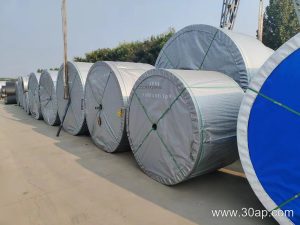
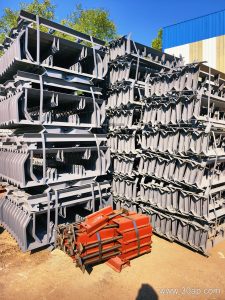
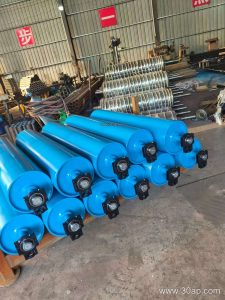
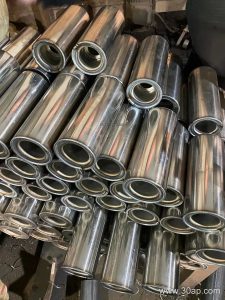
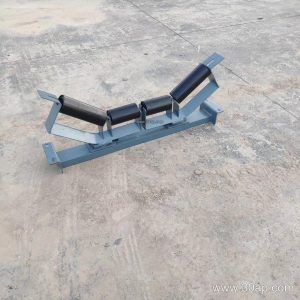
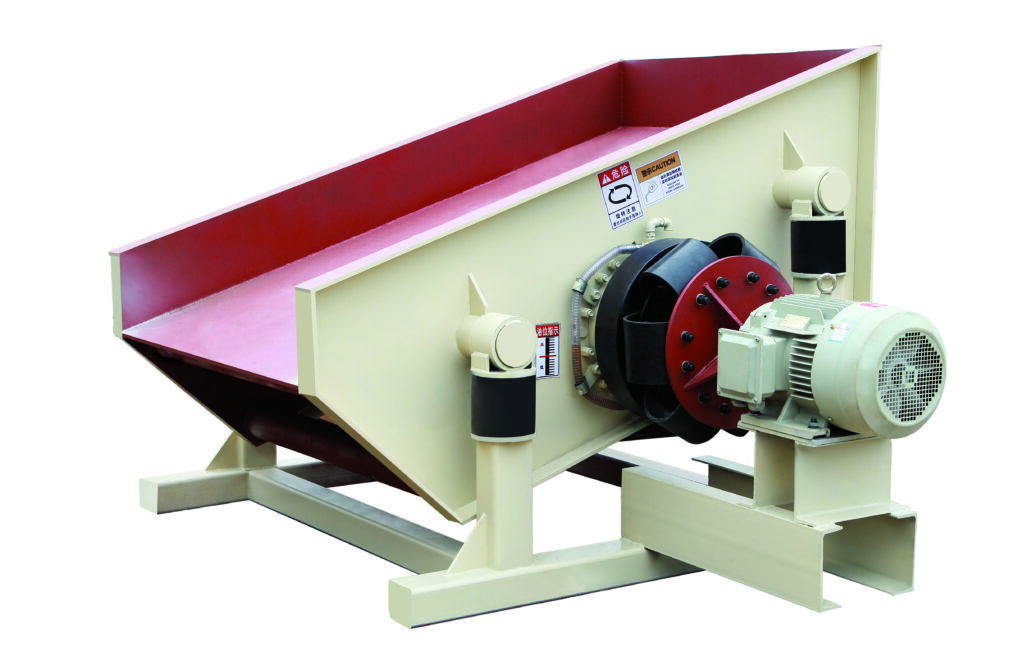
A rock conveyor belt is a heavy-duty rubber belt built to carry crushed stone, gravel, ore and other abrasive bulk material over long distances. In practice, buyers also call it a stone crusher belt, quarry belt or aggregate conveyor belt, and the same product family covers mine and plant duties. The belt is only one part of the line: a conveyor pulley at the drive and tail ends, idler roller sets along the carry and return sides, and a sturdy conveyor bracket frame all work together with the belt. Drive, tail and bend pulleys have separate jobs and are not interchangeable, so specify each position clearly when ordering.
The working surface takes the impact of falling rock and the sliding wear of sharp fragments, while the carcass carries tension. A well-matched rock conveyor belt keeps a crushing circuit, a cement plant raw-material line or a power plant coal yard running with fewer stoppages.
Construction and Common Types
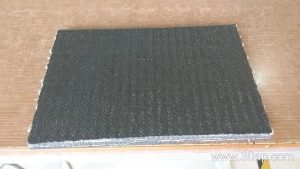
Most rock belts use a fabric core or a steel cord carcass covered with rubber on both faces. Fabric cores are usually EP (polyester-cotton) or NN (nylon) plies; steel cord belts are chosen for very long runs and high tension. Typical builds include:
- Multi-ply fabric core belts with 2 to 6 plies for general quarry and crusher duty.
- Steel cord belts for main haulage lines in large mines and ports.
- Cover compounds for abrasion, heat, oil, flame retardant or cold service, depending on the site.
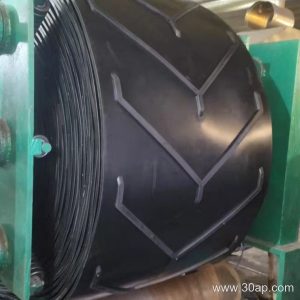
- Chevron or corrugated sidewall forms where the incline is steep or material must be contained.
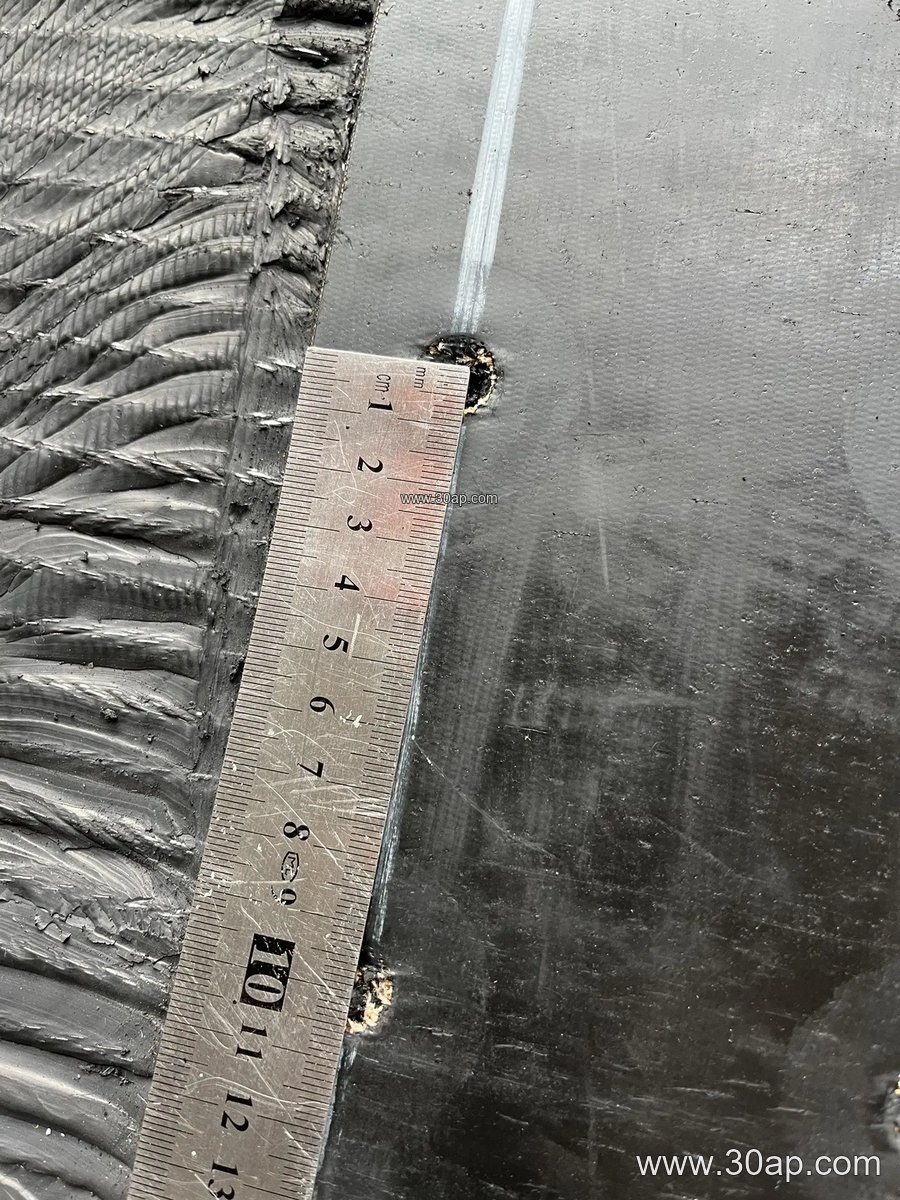
Cover thickness is often quoted as top plus bottom, for example 4+2 mm, 5+2 mm or 6+2 mm. These are common references rather than fixed rules; final thickness follows the duty and the design.
Typical Specifications
The table below shows common reference values. Actual belt width, strength grade and cover thickness should be confirmed against the conveyor design and the material being handled.
| Item | Common reference values |
|---|---|
| Belt width | B500, B650, B800, B1000, B1200, B1400, B1600, B1800, B2000 |
| EP strength grade | EP200, EP315, EP400, EP500, EP630, EP800, EP1000, EP1250, EP1600, EP2000 |
| NN strength grade | NN100, NN200, NN300, NN400 |
| Steel cord grade | ST1000, ST1250, ST1600, ST2000, ST2500, ST3150 |
| Cover thickness | 3+1.5, 4+2, 5+2, 6+2, 8+3 mm |
| Carcass plies | 2 to 6 layers, fabric core |
A wide belt is not automatically matched to one pulley diameter, and belt width alone does not fix shaft size. Those details come from the conveyor engineer’s calculation.
Where Rock Belts Are Used
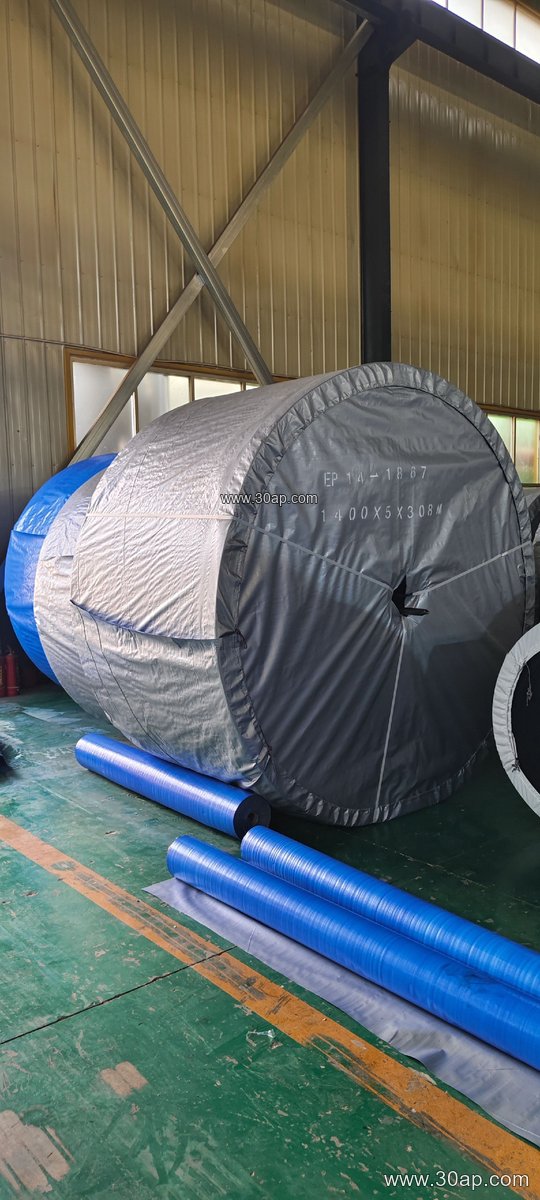
These belts appear across mining, coal preparation, cement, power generation, sand and gravel plants, ports and recycling yards. A primary crusher discharge often uses an abrasion resistant belt with impact-tolerant covers; a cement plant may need heat resistant grades near clinker; an underground coal mine usually asks for flame retardant and anti-static properties. Quarry and aggregate lines favor high abrasion resistant rubber, while long overland runs in iron ore or copper ore operations often use steel cord construction. In cold regions, a cold resistant compound helps prevent cracking, and oily or chemical-exposed duties call for oil resistant or acid resistant covers.
Selection Points for Buyers
Start with the material: lump size, density, moisture, temperature and sharpness all affect cover choice and carcass grade. Then confirm the duty cycle, incline and transfer points, because impact at the loading zone is a frequent cause of early failure. Check that the belt width suits the tonnage and that the pulley and idler roller arrangement matches the belt’s tension and tracking needs. For steep inclines, a chevron or corrugated sidewall belt may be preferable to a smooth belt, but confirm the cleat height and pattern suit the frame and skirtboards.
Ask for the cover grade, ply count or cord grade, and the exact top and bottom cover thickness in writing. A fabric core belt such as an EP conveyor belt is often the practical choice for medium-duty rock lines, while high strength steel cord belts suit the longest hauls. For hazardous areas, insist on documented flame retardant and anti-static performance rather than a general description.
Installation and Maintenance Notes
Correct alignment at the drive and tail pulleys, square idler frames and clean skirtboards reduce edge damage. Keep the loading chute centered so rock does not strike one side of the belt. Inspect splices, cover wear and edge cuts regularly, and replace worn idlers before they groove the belt. Store spare belts flat and away from sunlight and ozone sources. For a reliable rock conveyor belt, match the belt to the whole conveyor, not just to the tonnage figure.