What a Return Idler Set Does on a Conveyor
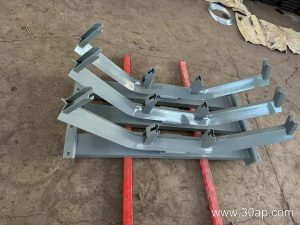
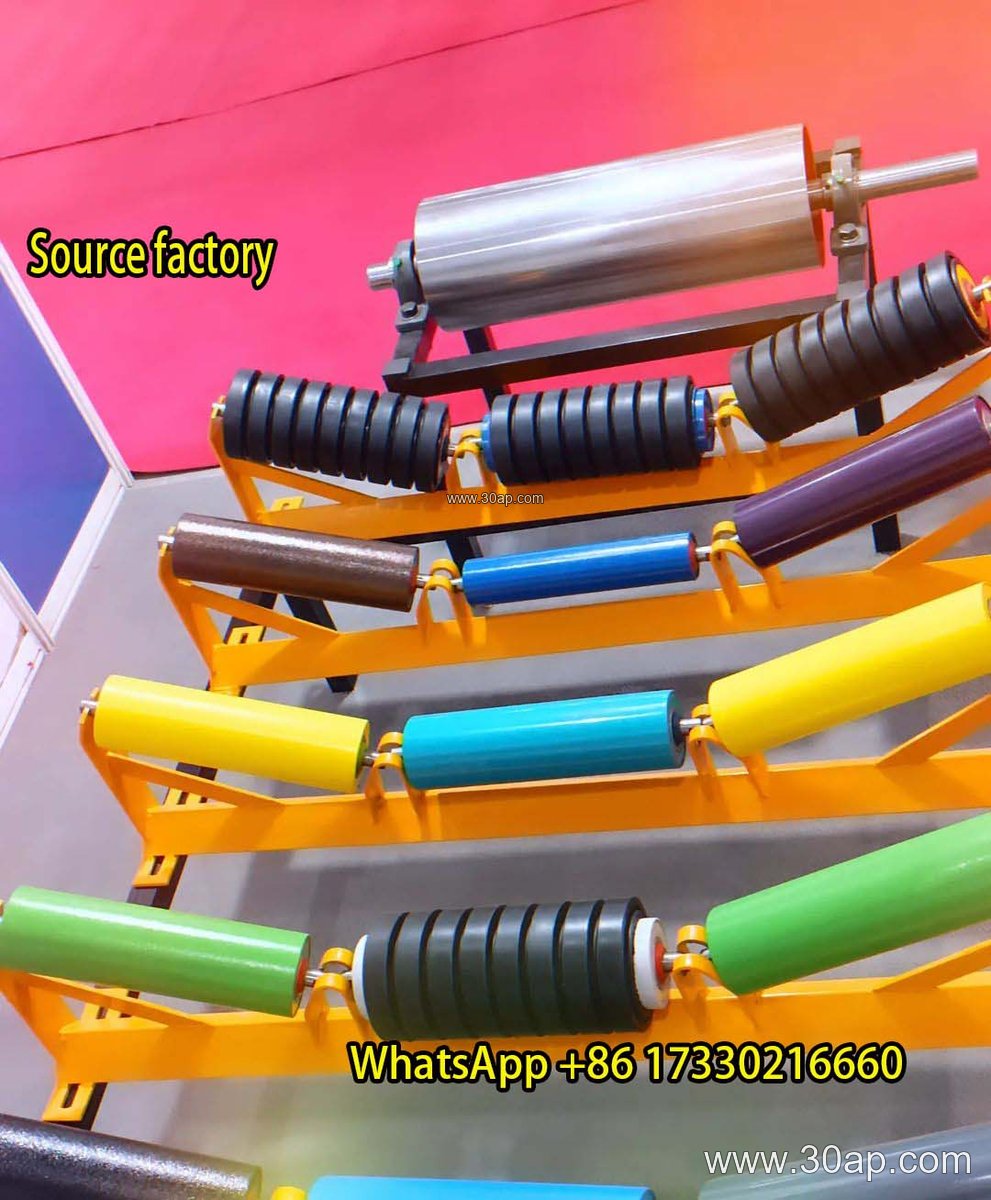
A return idler set is the assembly that supports the empty, returning strand of a conveyor belt. It sits beneath the carrying run, holds the belt at a controlled height, and helps keep the belt tracking straight on its way back to the tail pulley. In a quarry, a coal washing plant, or a cement clinker line, these sets are often the first components a maintenance team inspects because they are exposed to dust, spillage, and occasional belt wander. The set usually consists of one or more idler rollers mounted in a frame, with bearings, seals, and a shaft that connects to the conveyor bracket. While the carrying side may use three-roll troughing sets, the return side commonly uses a single flat roller, a two-roll V-shaped arrangement, or a spiral roller for self-cleaning.
Construction and Common Configurations
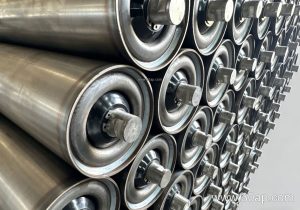
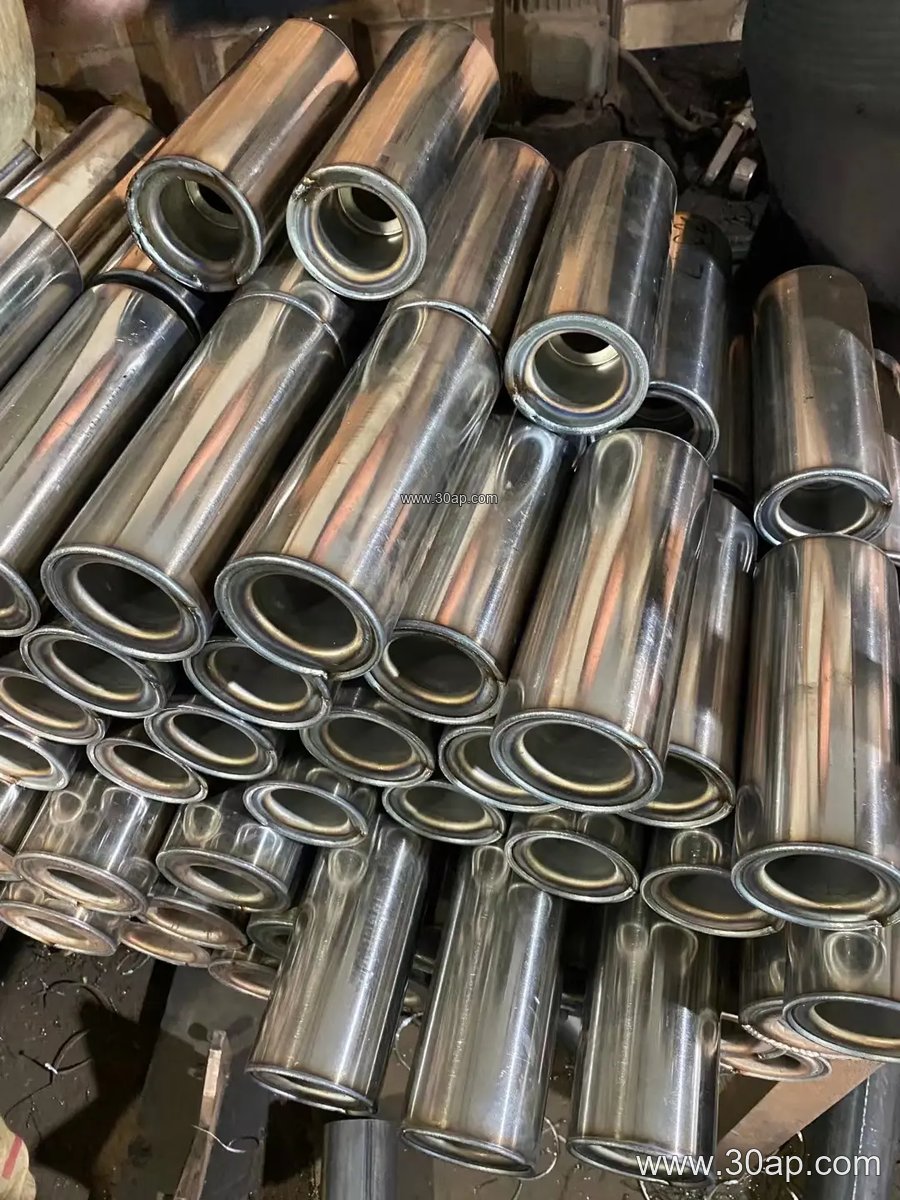
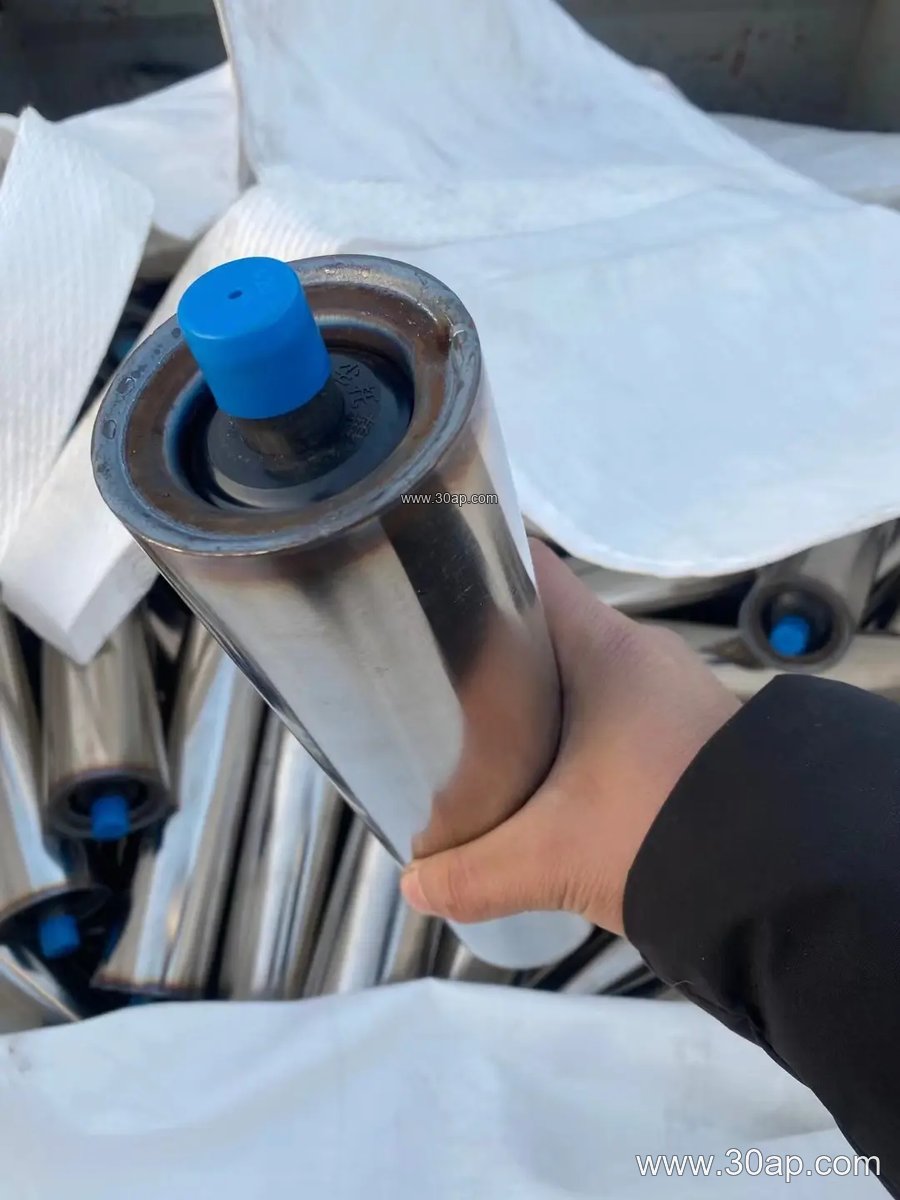
Most return idler sets combine a steel tube shell, a through shaft, and sealed bearing housings. Roller diameters are chosen to suit belt width and load, with common sizes including Ø89, Ø108, Ø127, Ø133, Ø159, and Ø178 mm. The shell may be plain steel, nylon-coated, or covered with rubber rings when material buildup is a concern. Bearing sizes such as 6205, 6305, and 6308 appear in many standard designs, but the bearing is matched to the shaft and load, not to a single roller diameter. A V-type return set uses two rollers angled to form a shallow V, which helps center the belt and shed loose material. Spiral return rollers are also used where sticky material tends to wrap around a plain roller.
Typical Return Idler Set Reference Values
The table below shows common reference dimensions; actual sets are selected by the conveyor designer.
| Belt width (B) | Common roller length for three-roll carrying sets | Typical return set form |
|---|---|---|
| B500 | 200 mm | Single flat or V-type |
| B650 | 250 mm | Single flat or V-type |
| B800 | 315 mm | Single flat or V-type |
| B1000 | 380 mm | Single flat or V-type |
| B1200 | 465 mm | Single flat or V-type |
| B1400 | 530 mm | Single flat or V-type |
| B1600 | 600 mm | Single flat or V-type |
| B1800 | 670 mm | Single flat or V-type |
These figures are examples only. Side rollers and center rollers can differ, and a return set may use a shorter or longer roller than the carrying set. Belt width does not fix a single pulley diameter or shaft size; those are determined by the conveyor’s tension and load calculations.
Where Return Idler Sets Are Used
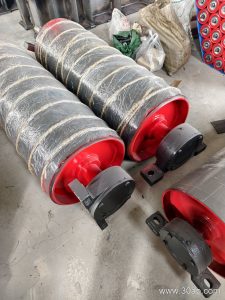
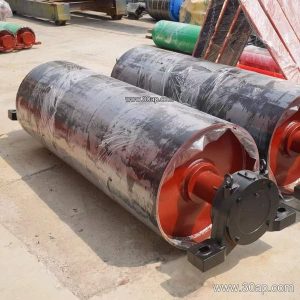
In an iron ore mine, return sets handle abrasive dust and heavy belt tensions. In a power plant coal yard, they are often specified with flame retardant conveyor belt and anti-static properties to reduce risk. A sand and gravel line may prefer spiral return rollers to reduce material wrap, while a cement plant may use rubber-ring return sets where fine powder builds up. The return idler set works together with the conveyor pulley, conveyor bracket, and the belt itself, but it is not a substitute for a drive pulley, tail pulley, or bend pulley. Those pulleys serve different functions and are not interchangeable with return idlers.
Buyer Checklist for Return Idler Sets
- Roller diameter and length: Confirm the shaft diameter, bearing size, and mounting centers with the conveyor frame drawing. Do not assume a roller length from belt width alone.
- Seal type: In dusty or wet conditions, a labyrinth seal or multi-lip seal extends bearing life. Ask how the seal is protected from grit.
- Shell material and surface: Plain steel is common; nylon or rubber rings may help with buildup. For high-abrasion service, consider a thicker shell.
- Set form: Single flat, V-type, or spiral return sets suit different belt tracking and cleaning needs. A V-type set can help center a wandering belt, while a spiral roller sheds sticky material.
- Compatibility: The return set must match the conveyor bracket and frame. Check that the mounting slots and shaft ends fit without modification.
- Belt interaction: On long conveyors with a steel cord conveyor belt or a heavy-duty EP conveyor belt, return idler spacing and roller quality affect belt life and energy use.
For anyone sourcing conveyor components, it helps to review the full belt line: the rubber conveyor belt, the idler roller, the conveyor pulley, and the conveyor bracket all interact. A return idler set that is correctly sized and sealed will reduce downtime and keep the belt running true.