What a 1200mm Conveyor Belt Is
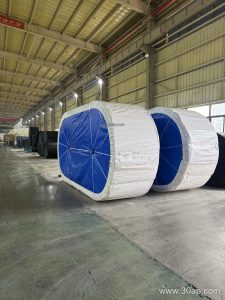
A 1200mm conveyor belt is a 1200 mm wide endless or open-length belt used on continuous bulk handling conveyors. In metric notation the same product is often written as a B1200 belt or a 1200mm wide conveyor belt. The width sits in the middle of the common range, above B1000 and below B1400, and it is a frequent choice where a 1000 mm belt is slightly too narrow but a 1400 mm unit would oversize the structure.
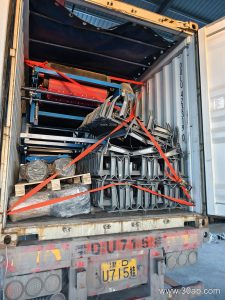
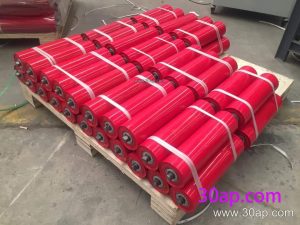
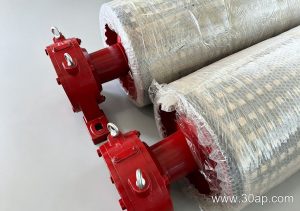
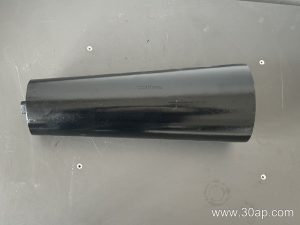
The belt is only one part of the machine. It runs over a drive pulley, a tail pulley and bend pulleys, and it is supported on the carrying side by idler rollers mounted on conveyor brackets. Choosing the right belt width and construction keeps the whole line stable.
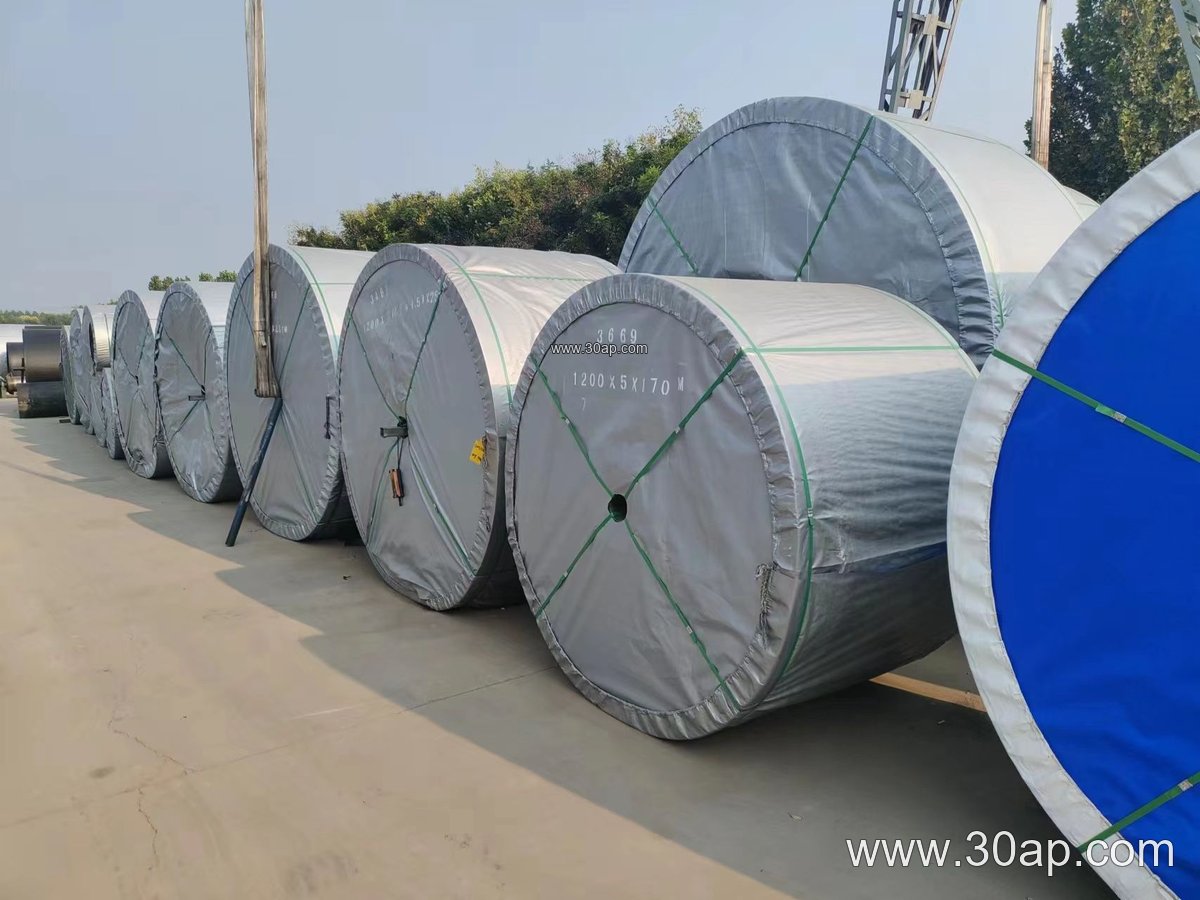
Construction and Common Specifications
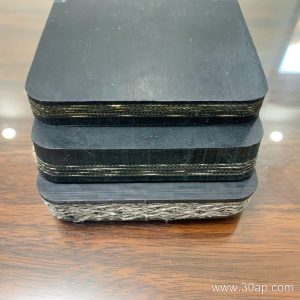
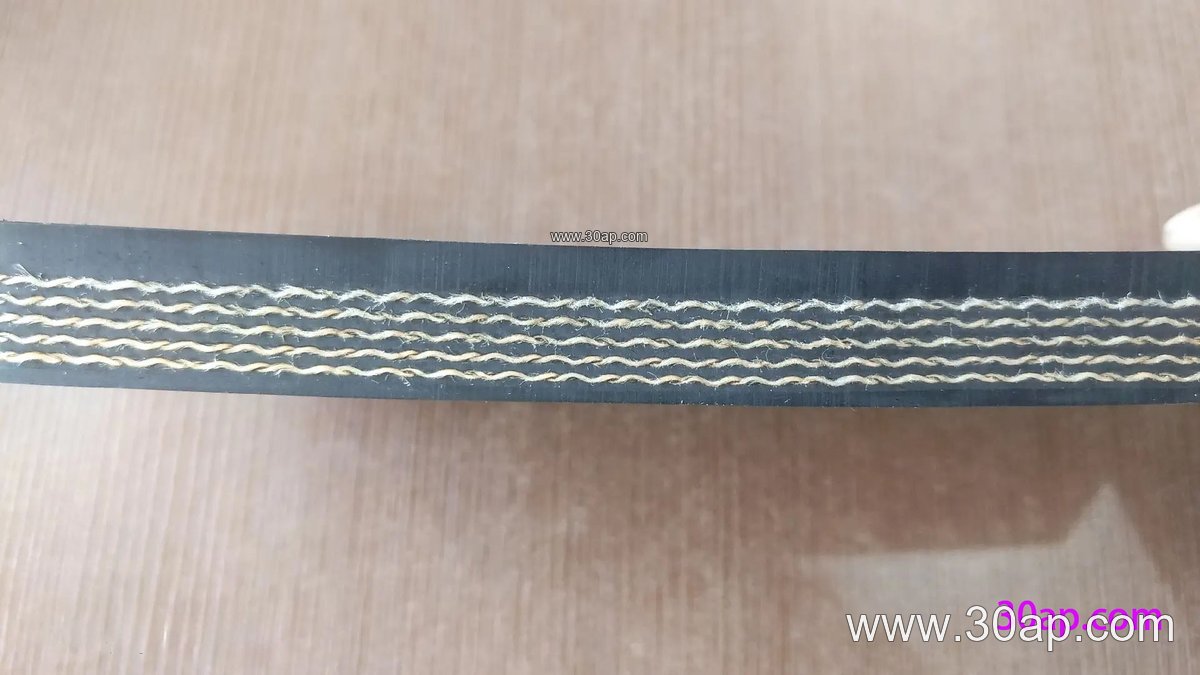
Most 1200 mm belts are fabric core or steel cord constructions. Fabric core belts use EP (polyester-cotton) or NN (nylon-nylon) plies; steel cord belts use brass-plated wires for very long, high-tension runs. Cover rubber grades are selected for the duty: abrasion resistant, heat resistant, oil resistant, flame retardant, anti-static or cold resistant.
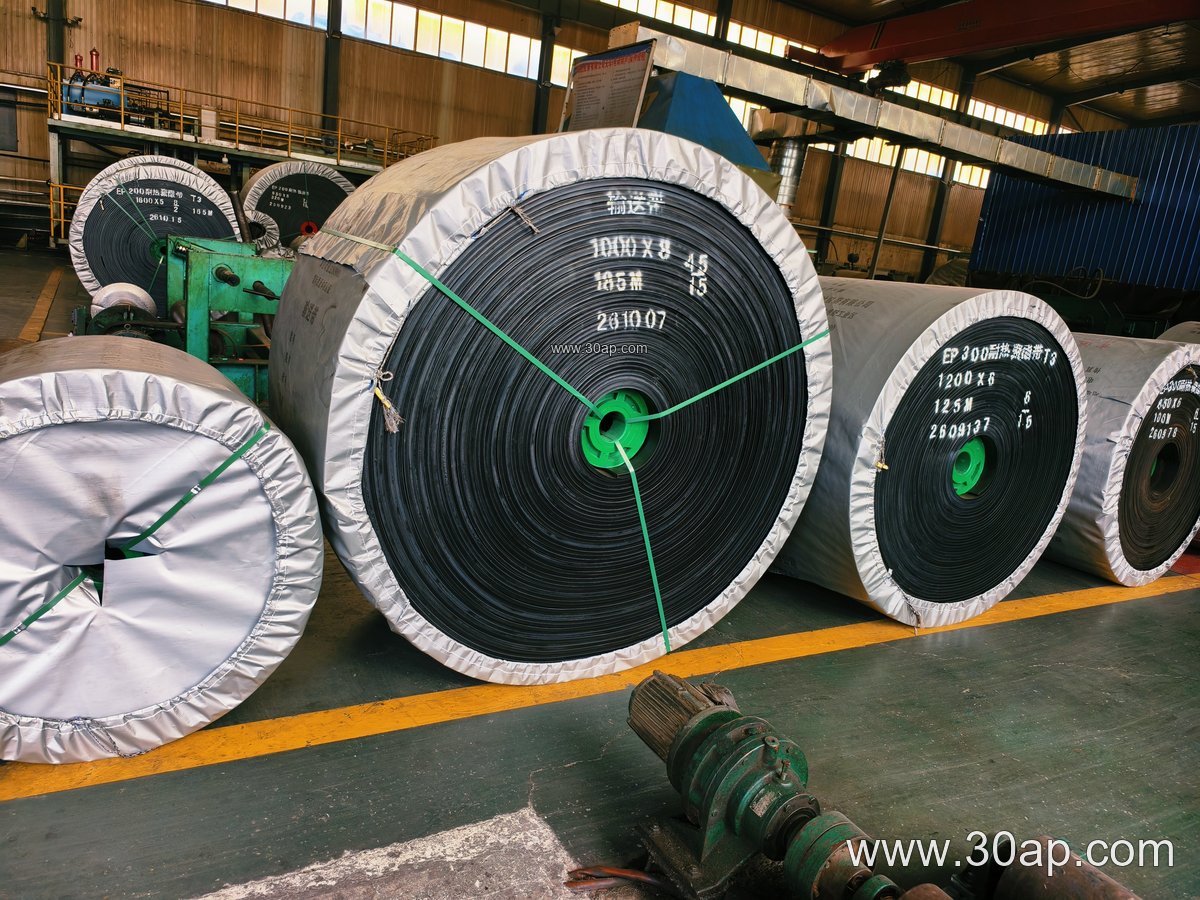
The table below shows typical reference values, not fixed supply promises. Actual data depends on the manufacturer and the conveyor design.
Reference Data for B1200 Belts
| Item | Common Range / Example |
|---|---|
| Belt width | 1200 mm (B1200) |
| Fabric core types | EP200, EP315, EP400, EP500, EP630, EP800, EP1000, EP1250 |
| Steel cord types | ST1000, ST1250, ST1600, ST2000 |
| Number of plies | Usually 2 to 6 |
| Top / bottom cover | 4+2, 5+2, 6+2, 8+3 mm |
| Belt thickness | Typically 10 mm to 20 mm depending on core and covers |
A 1200mm EP conveyor belt with EP630 or EP800 core and 6+2 mm covers is a common heavy-duty combination for aggregate and ore. Where a flame retardant belt is required, PVG or PVC constructions are often used in underground coal mining conveyors. None of these values are mandatory; the engineer confirms them against tension, load and safety requirements.
Where the Width Fits
B1200 belts appear in mines, coal preparation plants, cement works, power stations, quarries, sand and gravel yards, ports and crushing circuits. A quarry conveyor belt at this width can carry coarse rock from a primary crusher, while a cement plant uses it for clinker or raw meal. In a coal mining conveyor belt system, the same width may be specified with flame retardant and anti-static covers. Port and ship loading lines use it for bulk material transfer where a moderate tonnage per hour is needed.
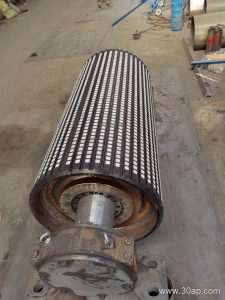
The belt does not dictate pulley or shaft size. Drive pulley, tail pulley and bend pulley diameters are calculated from belt tension, pulley location and the belt’s minimum bending radius. A 1200 mm belt can work with several pulley diameters, and a fixed shaft diameter should never be assumed from belt width alone.
Selection Points for Buyers
- Load and tension: calculate the required belt strength from capacity, incline and length. EP or NN fabric core is normal for short to medium conveyors; steel cord suits long overland runs.
- Material: abrasive rock calls for abrasion resistant covers; hot clinker or sinter needs heat resistant rubber; coal duties often require flame retardant and anti-static properties.
- Environment: cold resistant grades for winter operation, oil resistant grades near lubricated equipment, and acid or chemical resistant covers in processing plants.
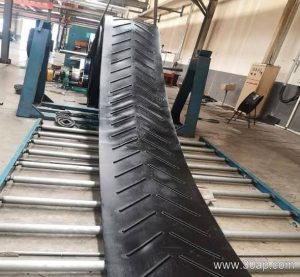
- Profile: a chevron conveyor belt or corrugated sidewall belt may be needed on steep inclines, while a skirted belt helps contain material at transfer points.
- Supporting components: confirm idler roller spacing, pulley lagging and conveyor bracket dimensions match the 1200 mm frame.
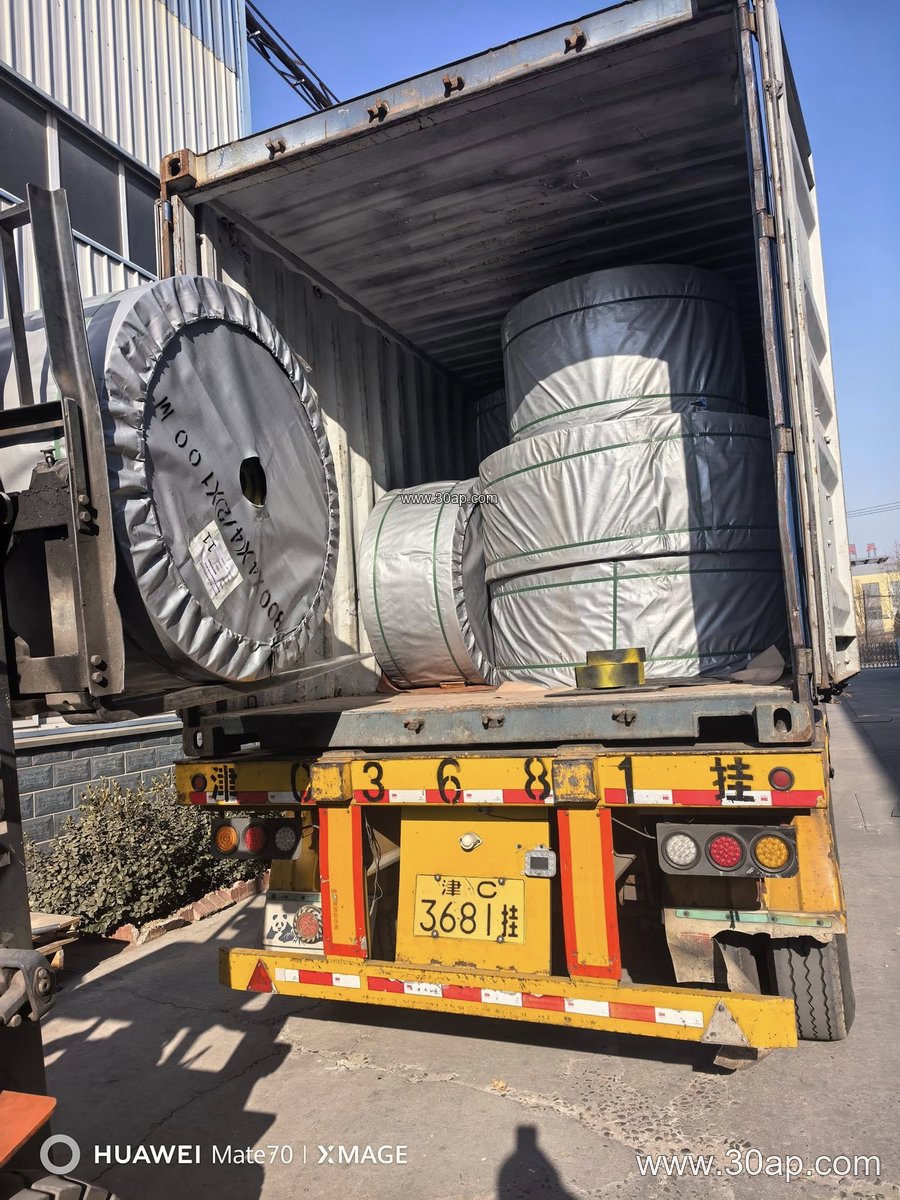
Ask for the belt’s tension rating, cover grade, ply count and thickness in writing, and check that the splice method suits the installation. For long runs an endless conveyor belt made to length reduces joint risk, though field splicing is common on large systems.
Care and Maintenance
Track belt wear at the edges, check cover condition and inspect idler rollers for seizure. Misaligned belts damage edges quickly, so adjust the tail pulley and bend pulleys as recommended. Keep the belt clean and avoid over-tensioning, which shortens splice life. A spare length of the same specification helps reduce downtime in mines and cement plants.
For more detail on matching belts, rollers and pulleys, see the product pages at conveyor belt and conveyor pulley.