What a Return Idler Does on a Conveyor
A return idler is the roller that supports the empty, returning side of a conveyor belt. While the carrying side gets most of the attention, the return side runs just as many hours and quietly determines how much drag the drive has to overcome. In a quarry or a coal handling plant, a few seized return rollers can raise power draw and start edge damage long before anyone notices the belt itself. This article looks at how these rollers are built, where they are used, and what to check when ordering.
You may also see this component called a return roller or a lower idler. Those names refer to the same item. A return idler is not a drive pulley, a tail pulley, or a bend pulley; those are conveyor pulleys that transmit motion or change belt direction. A return idler simply carries the belt and lets it run true.
Construction and Common Forms
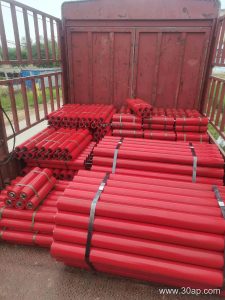
A typical return idler uses a steel tube shell fitted over a shaft with sealed ball bearings at each end. The shell may be plain steel, nylon-coated, ceramic-lined, or fitted with rubber rings for cushioning. Bearing sizes range from 6204 through 6310 depending on load and shaft diameter; the bearing number is a design choice, not a fixed match to any one roll diameter.
Return idlers appear in several forms:
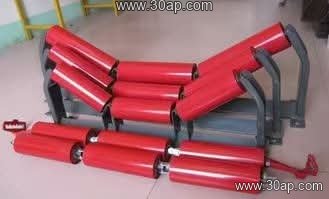
- Flat return idler – a single straight roll under the belt, common in medium-width installations.
- V-type return roller – two rolls set at an angle to center the belt and shed material.
- Spiral return roller – a helical wrap that helps clear sticky fines.
- Disc return idler – rubber or polyurethane discs that reduce build-up.
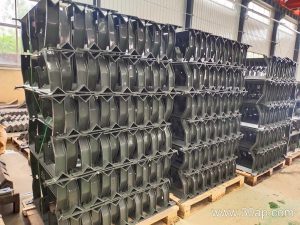
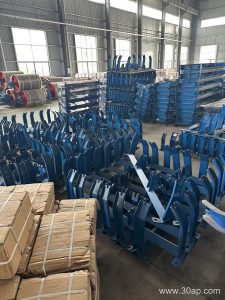
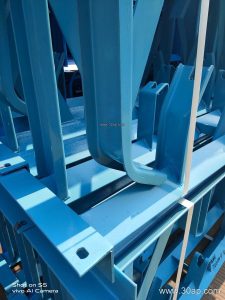
Paired with these rollers, a conveyor bracket holds the idler frame in place, and the choice of bracket affects change-out time and alignment.
Where Return Idlers Are Used
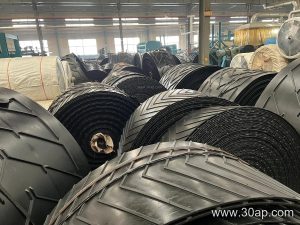
These rollers are standard in aggregate plants, cement works, power station coal yards, and iron ore or copper ore handling lines. In a crushing and screening circuit, a fabric core conveyor belt such as an EP conveyor belt or NN conveyor belt runs over return idlers on the lower strand. In a coal mine, a flame retardant conveyor belt or fire resistant conveyor belt pairs with return rollers that meet the site’s safety requirements. Port and ship loading conveyors, steel plant sinter lines, and fertilizer plants also rely on them.
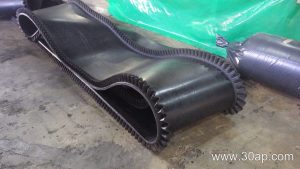
On longer overland systems, a steel cord conveyor belt may be used, and the return idlers must be rated for the belt’s weight and tension. A pipe conveyor belt or corrugated sidewall conveyor belt needs a different return arrangement entirely, because the belt profile does not sit flat.
Diameter, Width, and Roll Length
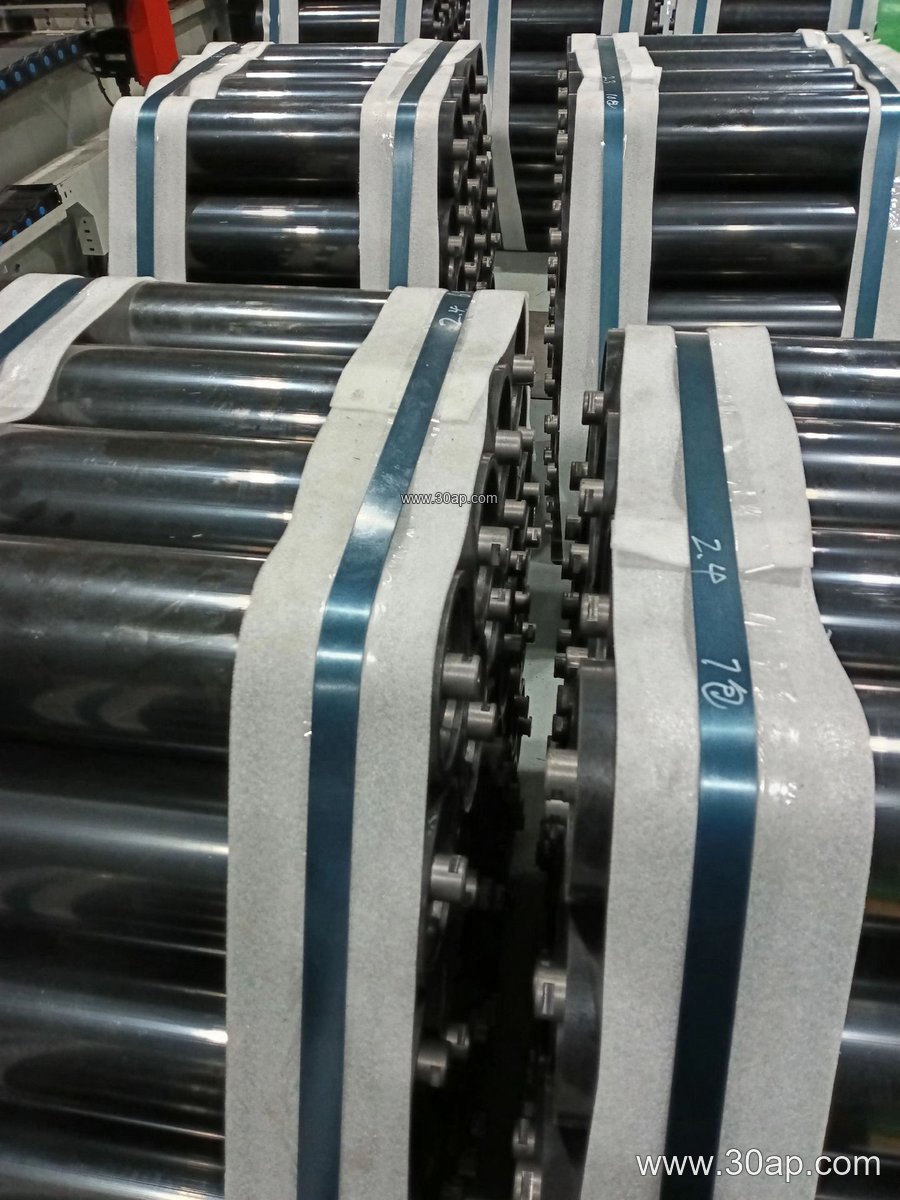
Return idler diameter is usually selected from a standard range that includes Ø63, Ø76, Ø89, Ø102, Ø108, Ø127, Ø133, Ø159, Ø178, Ø194, and Ø219 mm. Larger diameters suit wider belts and higher loads. Belt width runs from B400 to B2400, and roll length is set by belt width, trough angle, and frame design. For a flat return idler, roll length is roughly the belt width plus clearance.
Common examples for three-roll troughing sets show how roll length scales with belt width, but return idlers are usually a single roll or a V pair and should be sized by the application. The table below gives reference values for troughing rolls, not a fixed rule for return idlers.
| Belt width | Typical side roll length (reference) |
|---|---|
| B500 | 200 mm |
| B650 | 250 mm |
| B800 | 315 mm |
| B1000 | 380 mm |
| B1200 | 465 mm |
| B1400 | 530 mm |
| B1600 | 600 mm |
| B1800 | 670 mm |
| B2000 | 750 mm |
For a return idler, confirm the shaft diameter, bearing seat, and frame spacing with the conveyor designer. Do not assume a shaft size from belt width alone.
Buyer Checklist
- Confirm belt width and the return idler mounting dimensions on the existing frame.
- Match the roller surface to the material: rubber rings for impact, spiral or disc types for sticky loads.
- Check the bearing size and seal type; dusty quarry or cement duty needs good sealing.
- For underground coal mining, specify flame retardant and anti-static properties where required.
- Ask for the roller’s load rating and speed limit rather than assuming a size is universal.
Inspect return idlers during routine belt checks. A roller that no longer turns freely adds friction and can wear the belt’s bottom cover. Replacing a failed return idler early is cheaper than replacing the belt. For related components, see our conveyor idler roller range and conveyor pulley options at {{domain}}.