What a Belt Conveyor Rubber Lagged Pulley Does
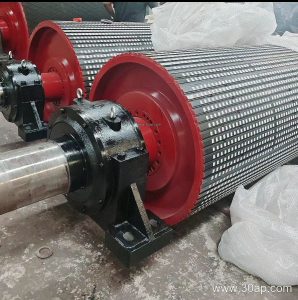
In a belt conveyor system, the pulley that transmits power to the belt is often a drive pulley. When its shell is covered with rubber, it becomes a belt conveyor rubber lagged pulley. The rubber layer increases friction between the pulley and the conveyor belt, reducing slip under load and helping the belt track properly. This is especially important in industries such as mining, coal preparation, cement plants, power stations, and quarry operations where belts carry heavy or abrasive materials.
The lagging also protects the pulley shell from wear and can extend service life. While drive, tail, and bend pulleys serve different purposes and are not interchangeable, the rubber lagged version is most commonly seen on drive pulleys, though it can also be applied to tail or bend pulleys in specific designs. For example, a tail pulley might use rubber lagging to improve belt tracking, but it does not replace the drive function.
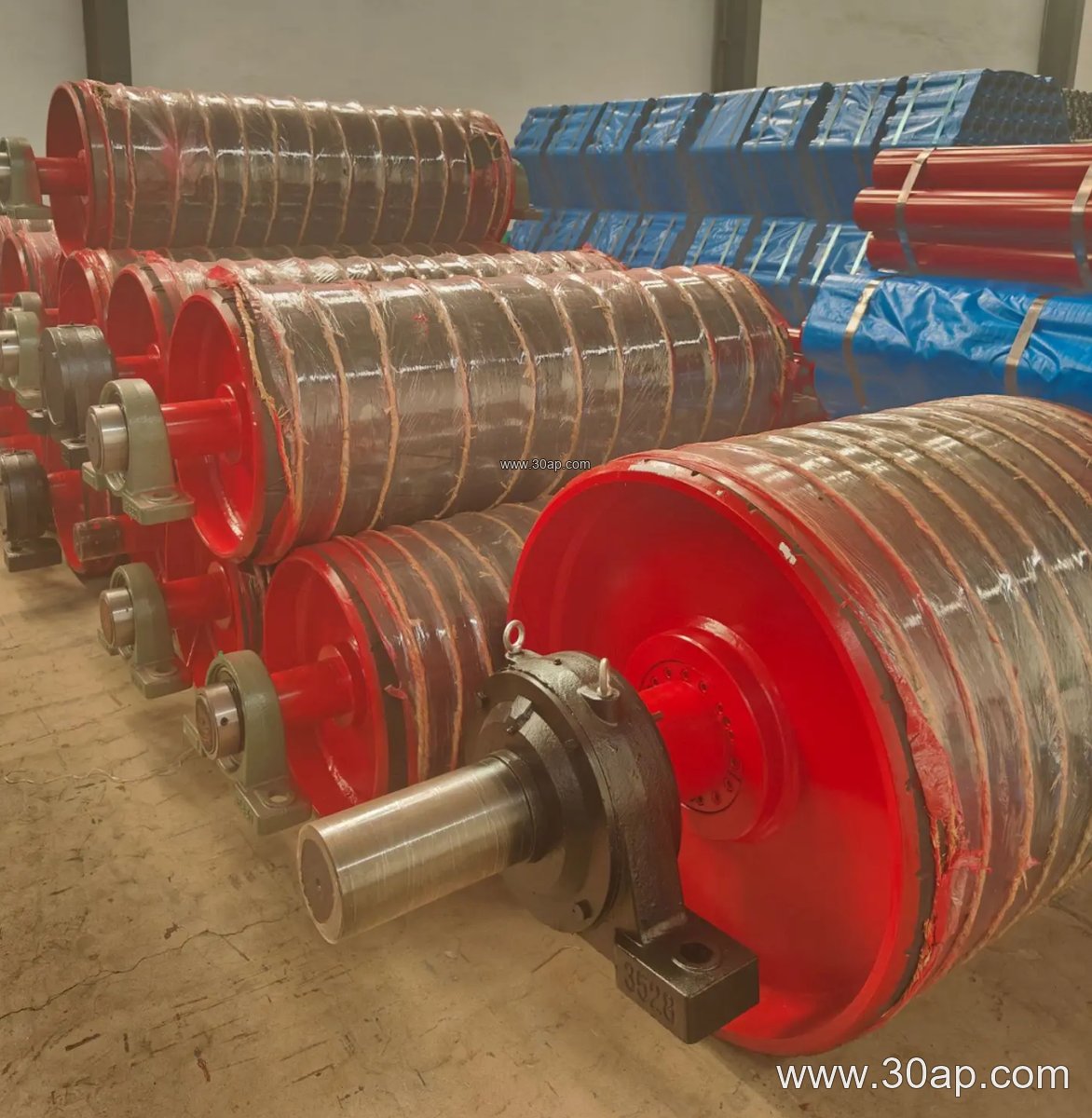
Construction and Surface Options
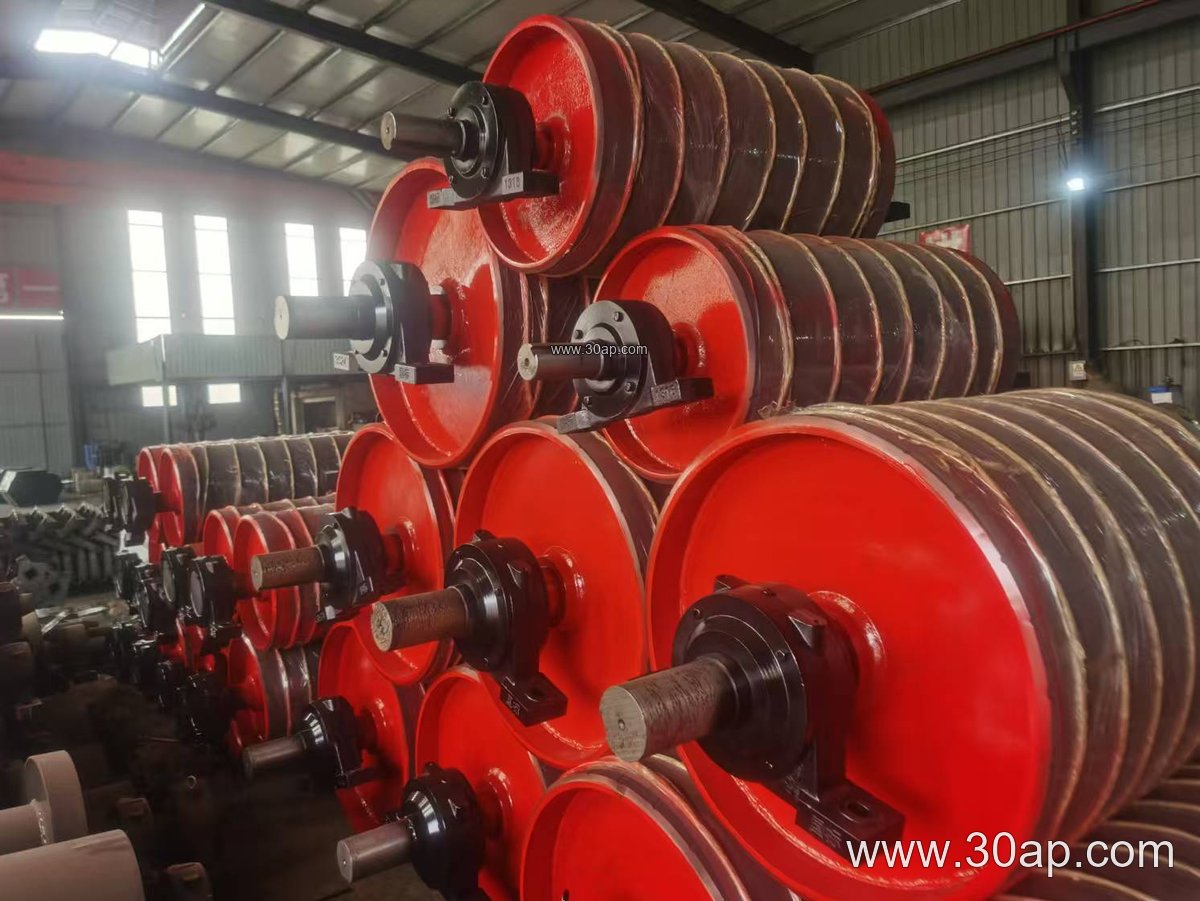
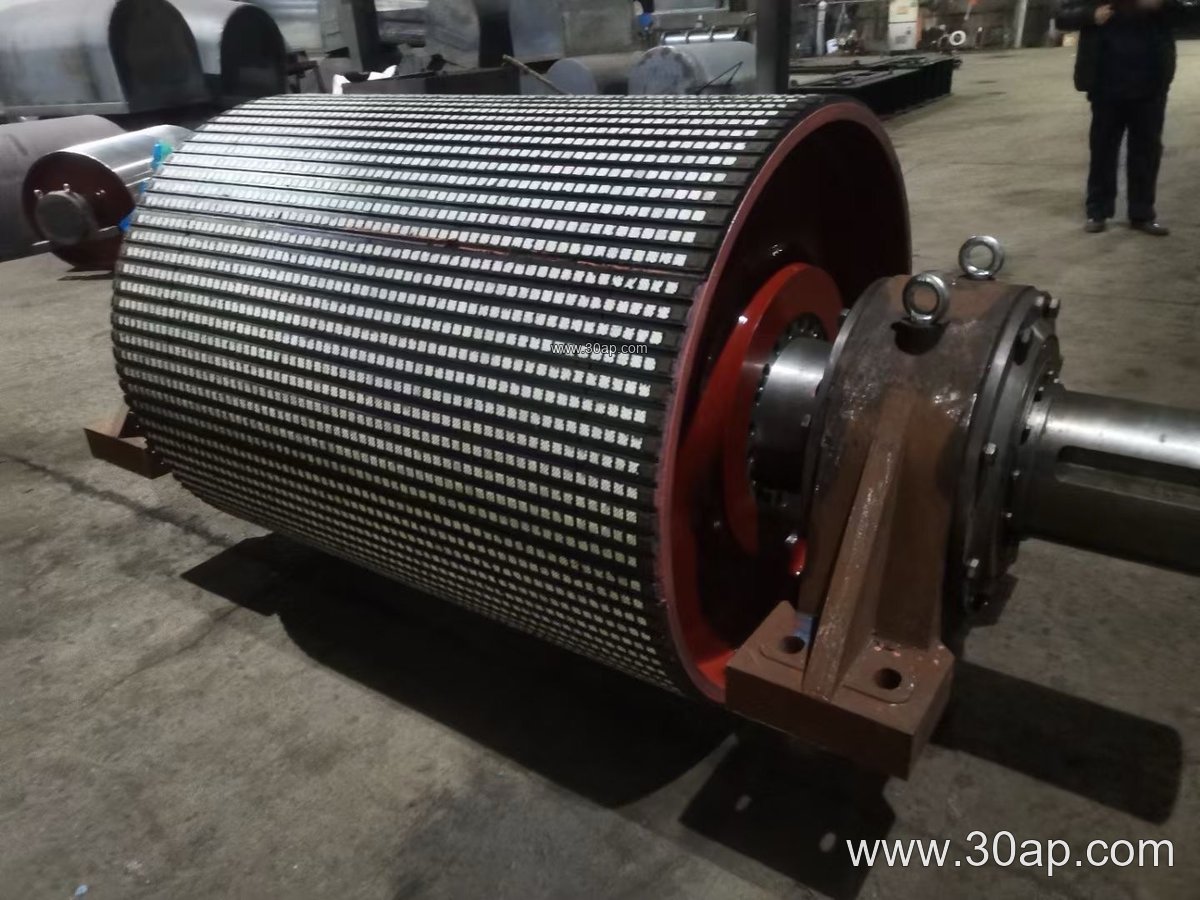
A rubber lagged pulley typically consists of a steel drum, a shaft, bearing housings, and a rubber cover. The rubber can be applied in several ways: hot vulcanized, cold bonded, or cast. Surface patterns include plain, diamond, herringbone, and ceramic lagging. The choice depends on the material being conveyed and the required grip. Common lagging thicknesses are 8 mm, 10 mm, 12 mm, 15 mm, and 20 mm. The pulley diameter and face width are selected based on belt width, tension, and torque requirements. For instance, a B800 belt might use a Ø500 pulley with 10 mm lagging, while a B1200 belt could use a Ø1000 pulley with 12 mm lagging. These are examples, not fixed rules; shaft diameter is determined by load and torque, not by belt width alone.
Typical Pulley Dimensions (Reference)
| Belt Width (mm) | Pulley Face Width (mm) | Common Diameter Range (mm) | Lagging Thickness (mm) |
|---|---|---|---|
| B400 | 500 | Ø200–Ø400 | 8–12 |
| B500 | 600 | Ø250–Ø500 | 8–12 |
| B650 | 750 | Ø315–Ø630 | 10–15 |
| B800 | 950 | Ø400–Ø800 | 10–15 |
| B1000 | 1150 | Ø500–Ø1000 | 12–15 |
| B1200 | 1400 | Ø630–Ø1250 | 12–20 |
| B1400 | 1600 | Ø800–Ø1400 | 15–20 |
| B1600 | 1800 | Ø1000–Ø1600 | 15–20 |
| B1800 | 2000 | Ø1250–Ø1800 | 20 |
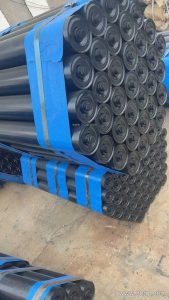
These values are indicative and should be confirmed with the conveyor designer. The rubber lagged pulley works together with the conveyor belt, idler rollers, and conveyor brackets to keep the system running smoothly.
Where It Is Used
Rubber lagged pulleys are found in a wide range of bulk material handling operations. In a coal preparation plant, a drive pulley with diamond lagging helps maintain grip on a flame retardant conveyor belt that may be wet or dusty. In a limestone quarry, a heavy-duty rubber lagged pulley on the head end drives an abrasion resistant conveyor belt carrying crushed rock. Cement plants use them on clinker belts where heat resistant conveyor belts are needed, and the lagging must withstand elevated temperatures. Power plants rely on them for coal feeding lines, often paired with EP conveyor belts or steel cord conveyor belts depending on tension requirements.
Other applications include sand and gravel lines, port bulk terminals, and underground mining conveyors. In each case, the pulley must be matched to the belt type and the environment. For example, an underground coal mining conveyor belt may require a flame retardant and anti-static belt, and the pulley lagging should be selected to avoid static buildup.
Buyer’s Checklist
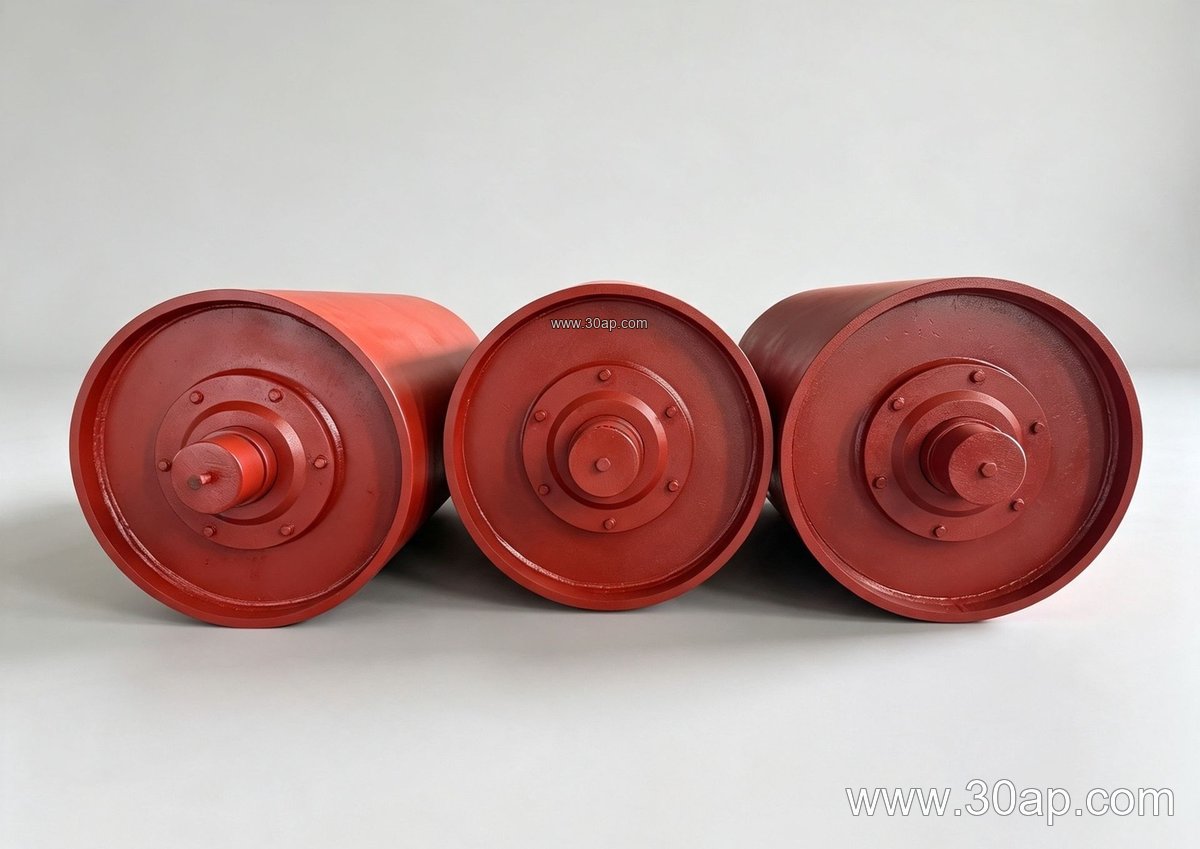
When specifying a belt conveyor rubber lagged pulley, consider the following:
- Belt width and pulley face width: The pulley face is usually wider than the belt, e.g., B650 belt with 750 mm face.
- Diameter and shaft size: Determined by torque, belt tension, and bearing life. Shaft diameters commonly range from Ø50 to Ø200 mm, but the exact size must be calculated.
- Lagging type and thickness: Plain rubber for general grip, diamond or herringbone for better traction in wet conditions, ceramic for high wear. Thickness from 8 to 20 mm.
- Bearing and housing: Choose sealed bearings suitable for dusty or wet environments.
- Balancing and concentricity: Critical for high-speed pulleys to reduce vibration.
- Compatibility with the conveyor belt: Ensure the lagging material does not react adversely with the belt cover, especially with oil resistant or heat resistant belts.
For assistance with selecting the right pulley for your conveyor belt system, please visit our website at www.example.com/conveyor-pulley or contact our engineering team. We also supply related components such as idler rollers and conveyor brackets.
Maintenance Notes
Regular inspection of the lagging surface helps detect wear, glazing, or chunking early. Worn lagging reduces friction and can cause belt slip, leading to increased energy consumption and belt damage. Replace lagging when the rubber thickness falls below the recommended minimum or when the pattern is significantly worn. Keep the pulley clean and aligned with the belt to avoid uneven wear. In dusty environments like coal mining or cement plants, check for material buildup on the pulley face, which can affect tracking.
Properly maintained, a rubber lagged pulley contributes to the overall efficiency of the conveyor system, whether it is handling ore, aggregate, or bulk goods.