What a Four-Roll Idler Bracket Does on a Conveyor
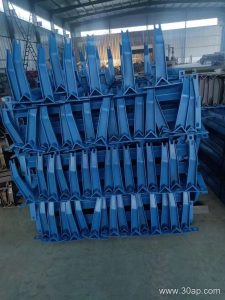
A four-roll idler bracket is a support frame that holds four idler rollers in a single assembly. Instead of using a conventional three-roll troughing set, this bracket positions two rolls on each side of the belt, creating a deeper and more controlled trough. The extra contact points help keep the conveyor belt centered, reduce edge damage, and improve material containment on wide or heavily loaded conveyors. You will find this type of bracket in bulk handling systems where belt stability matters, such as a limestone quarry or a coal-fired power plant fuel line.
The bracket itself is not a roller and does not turn. Its job is to locate the idler rollers at the correct angles and spacing so the belt runs smoothly. A well-built four-roll bracket also makes maintenance easier because individual rollers can be replaced without removing the entire frame.
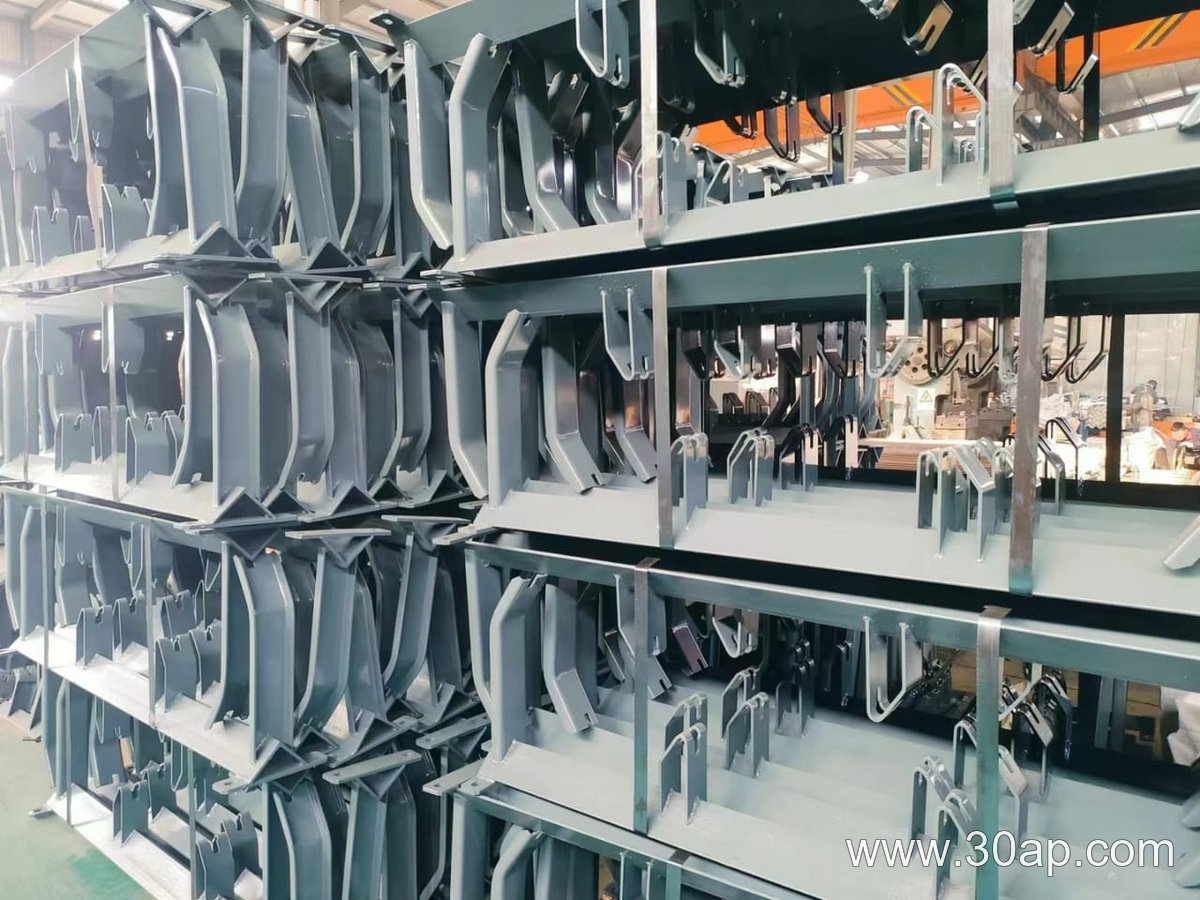
How the Bracket Is Built
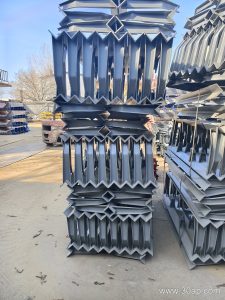
Most four-roll idler brackets are fabricated from angle steel, channel steel, or folded steel plate. The material choice depends on the load and the environment. For general duty, a Carbon Steel Conveyor Bracket offers a good balance of strength and cost, and it is commonly used in sand and gravel lines as well as in crushing and screening plants.
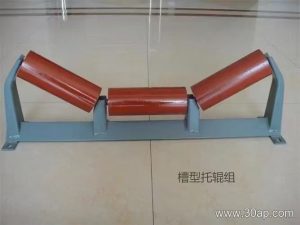
The frame usually has two side wings and a central section. Each wing carries two idler rollers, often at different trough angles. Common trough angles for four-roll brackets include 35 degrees and 45 degrees, and some designs allow adjustment between 30 and 45 degrees. The rollers themselves are typically chosen from standard diameters such as Ø108, Ø133, or Ø159, with Ø89 used on lighter conveyors. The bracket must match the roller diameter and the belt width, but there is no fixed rule that one belt width can only use one roller diameter. A B800 conveyor, for example, might run Ø108 rollers in one plant and Ø133 in another, depending on load and speed.
Mounting holes and crossbeam lengths are not universal. They change with belt width, trough angle, and the specific roller frame. Buyers should always confirm the hole spacing and overall width against the conveyor structure before ordering.
Where Four-Roll Idler Brackets Are Used
These brackets are common on wide belt conveyors that carry heavy or lumpy material. In a belt conveyor idler frame, the four-roll arrangement gives the belt a deeper trough than a three-roll set, which helps prevent spillage when the belt is fully loaded. You will see them in iron ore mines, sinter plants, and port bulk terminals where high capacity and long distances are normal.
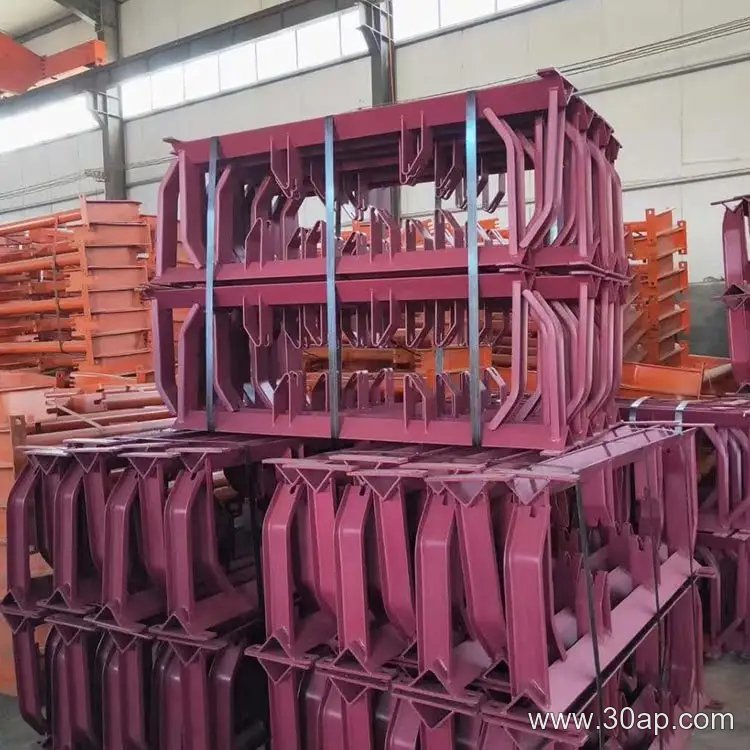
They are also used on the return side in some configurations. A Return Idler Bracket supports the empty belt and helps keep it aligned before it reaches the tail pulley. In many systems, the return run uses flat or V-shaped return brackets rather than four-roll troughing brackets, but on very wide belts a four-roll return bracket can help control belt sag and tracking.
Other applications include cement plants, fertilizer handling, and grain silos. In each case, the bracket works together with the conveyor belt, idler rollers, and pulleys to keep the system running. The choice between a four-roll bracket and a standard three-roll bracket depends on belt width, material characteristics, and the amount of spillage control required.
Choosing the Right Bracket for Your Conveyor
Start with the belt width and the trough angle. Common belt widths for four-roll brackets include B650, B800, B1000, B1200, and B1400. Larger widths such as B1600 and B1800 may also use this design, but the bracket becomes heavier and the mounting structure must be strong enough. The trough angle is usually 35 or 45 degrees, though adjustable brackets can be set to 30 degrees when a shallower trough is needed.
Next, match the roller diameter. Standard idler roller diameters are Ø89, Ø108, Ø133, Ø159, and Ø194. A four-roll bracket for a B1200 conveyor might use Ø133 rollers with a 45-degree trough angle, while a B650 conveyor in a lighter duty application might use Ø89 rollers and a 30-degree angle. These are examples, not fixed combinations. The shaft diameter is determined by the load and the bracket design, not by the belt width alone.
Material and surface treatment also matter. In dusty or corrosive environments, a painted or galvanized finish can extend service life. For high-impact areas, such as the loading zone, a buffer roller or impact bracket may be used instead of a standard four-roll bracket.
When you request a Conveyor Bracket Quotation, be ready to provide the belt width, trough angle, roller diameter, mounting hole spacing, and the required quantity. If the bracket is for a specific conveyor, include the pulley diameter and the belt speed if known. This helps the supplier recommend a frame that fits without modification. For example, a conveyor with a B1200 belt and a Ø1000 drive pulley may need a different bracket than one with a B800 belt and a Ø630 pulley, but the bracket size is not determined by the pulley alone.
Installation and Maintenance Notes
Four-roll idler brackets are usually bolted to the conveyor stringers or to a crossbeam. Proper alignment is critical. If the bracket is not square to the belt line, the belt may track to one side. Use shims if necessary to level the frame. After installation, check that all four rollers touch the belt evenly. A roller that does not contact the belt will not share the load, and the remaining rollers will wear faster.
Inspect the bracket periodically for loose bolts, bent wings, or cracked welds. Replace any roller that seizes or runs rough, because a seized roller can damage the belt and the bracket. Keep the area around the bracket free of spilled material, especially in coal handling or cement plants where dust and fines can build up.
If you need to replace a four-roll bracket, note the existing mounting pattern and the roller positions. A new bracket with the same dimensions will drop in more easily. If you are changing the trough angle or roller diameter, check that the conveyor belt can adapt without excessive edge tension.
Working with Suppliers
Four-roll idler brackets are not a one-size-fits-all item. Different manufacturers use different plate thicknesses, wing designs, and hole patterns. When comparing offers, ask for a drawing that shows the overall width, the roller spacing, and the mounting holes. Confirm the material grade and the finish. If the bracket is for a critical conveyor, consider a trial installation before ordering a large quantity.
Remember that the bracket is part of a system. It works with the idler rollers, the conveyor belt, and the pulleys. A bracket that is too light for the load may flex and cause tracking problems. A bracket that is too heavy adds unnecessary cost. The right choice comes from matching the bracket to the actual duty, not from picking a number off a table.