What the 1800mm Conveyor Belt Is
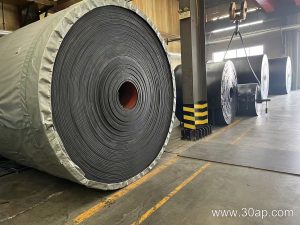
A 1800mm conveyor belt is a wide-format belt designed for conveyor systems that must move large volumes of bulk material in a single pass. At 1.8 meters across, it sits in the extra-wide segment of the market, above the common 1200mm and 1400mm sizes and below the largest 2000mm and 2200mm options. The width is the defining feature, but the belt’s performance comes from the combination of carcass, cover compound, and splice quality working together.
This width is often specified where a narrow belt would need unrealistically high speed to reach the required throughput, or where the material load contains large lumps that need a stable, broad carrying surface. Typical users include mines, coal preparation plants, cement works, power stations, ports, and large quarry and aggregate operations.
Construction and Build Options
The belt body is built around a tension-carrying carcass. In a fabric-core design, the load is shared by multiple plies of EP or NN fabric. Heavier duties may call for a steel cord construction, where brass-plated wires run longitudinally through the rubber. Cover compounds are selected to suit the cargo and the environment, from standard abrasion resistant grades to heat, oil, flame retardant, cold, and anti-static variants.
Because a 1.8m belt handles a large tonnage, edge condition matters. Buyers should confirm whether the belt is supplied with cut edges or moulded edges, and how the splice will be made. A vulcanized splice is common for permanent installations; mechanical fasteners are sometimes used for temporary work but reduce the achievable tension rating.
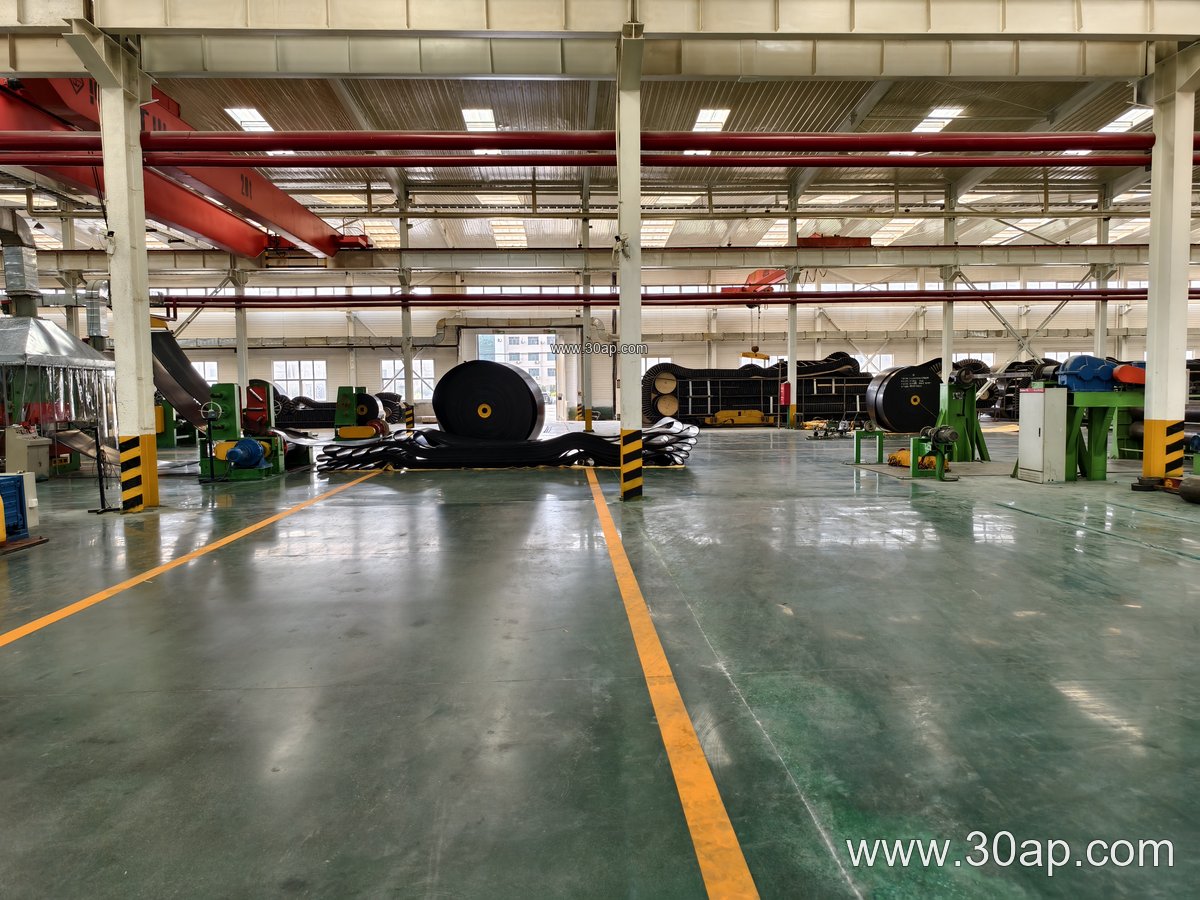
- Carcass: multi-ply fabric or steel cord, depending on tension and impact demands
- Cover: top and bottom cover thickness chosen for wear, heat, oil, or flame exposure
- Edges: cut or moulded, with edge protection where needed
- Surface: plain, chevron, or with corrugated sidewalls and cleats for inclined runs
Common Specification Reference
The table below shows representative figures. Actual values are confirmed by the manufacturer for each order, and no single size is mandatory for every conveyor.
| Parameter | Common Reference Range |
|---|---|
| Belt width | 1800mm (B1800) |
| Fabric carcass grades | EP200, EP315, EP400, EP500, EP630, EP800, EP1000, EP1250, EP1600, EP2000 |
| Number of plies | 2 to 6, by design |
| Top/bottom cover | 3+1.5, 4+2, 5+2, 6+2, 8+3 mm |
| Steel cord grades | ST1000 to ST3150, where specified |
| Special compounds | Abrasion resistant, heat resistant, oil resistant, flame retardant, anti-static, cold resistant |
Different manufacturers offer different combinations, so the data sheet should always be read against the actual duty. Note that belt width does not determine pulley or shaft diameter; those are set by the conveyor design, not by the belt alone.
Where Wide Belts Fit in the Plant
In a mine or coal handling system, a 1800mm belt may form the main trunk line from the crusher to the stockpile, carrying run-of-mine material at high tonnage. In cement plants it can link the quarry pit to the primary crusher, where limestone lumps and abrasive dust demand a tough cover. Power stations use wide belts on coal yard and boiler feed lines, often with flame retardant properties. Ports and ship loading terminals favour this width for fast vessel loading, while sand and gravel operations use it on primary and secondary haulage.
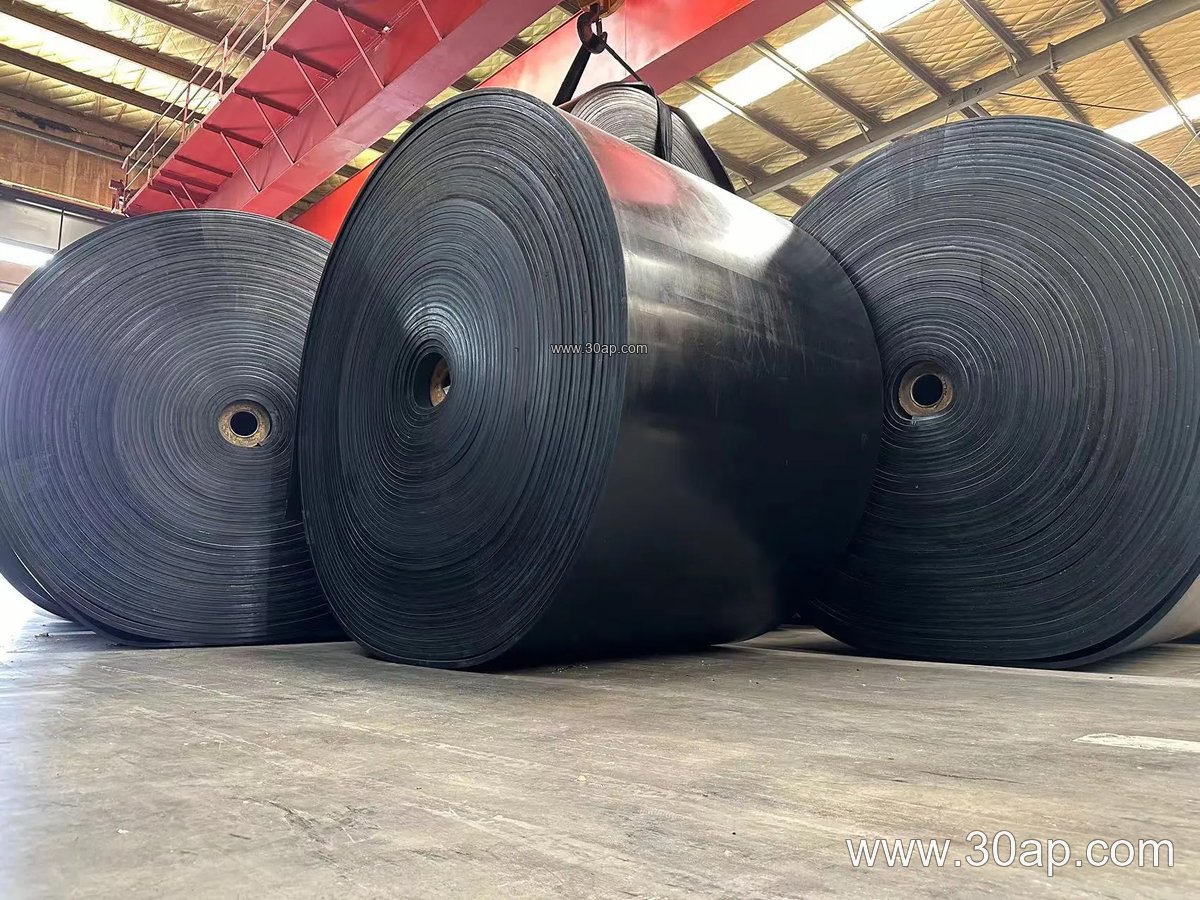
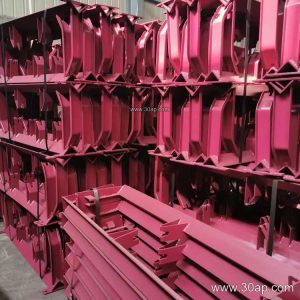
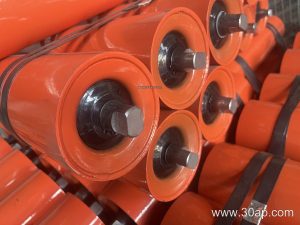
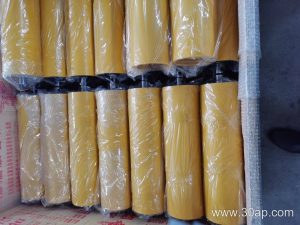
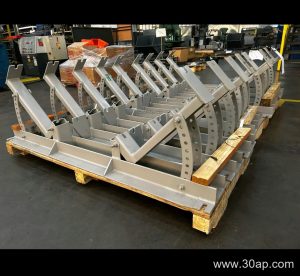
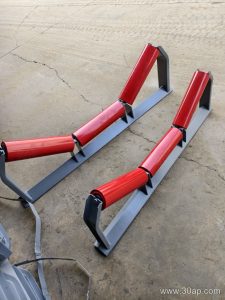
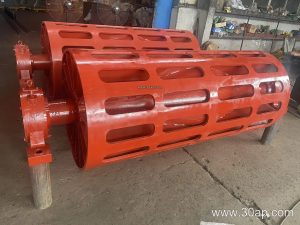
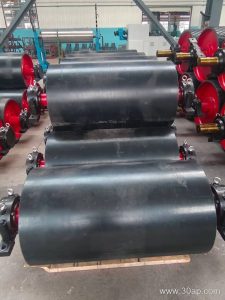
Supporting hardware must match the load. The conveyor pulley at the drive and tail ends, the idler roller sets along the carry and return sides, and the conveyor bracket arrangement all influence belt life. A wide belt needs well-aligned idlers and a properly crowned pulley to avoid edge tracking problems.
Selection and Maintenance Notes
When specifying, start with the material: lump size, density, moisture, temperature, and chemical exposure. Then confirm the required tension, which decides whether a fabric core or steel cord belt is appropriate. Check the transition distance at the tail, because a wide, stiff belt needs enough room to trough correctly. Confirm the pulley diameters and the take-up travel available.
On site, keep the belt clean and centred, inspect the splice regularly, and watch for edge damage that can grow quickly on a wide belt. Store spare rolls on a flat, dry surface and avoid sharp bends. For inclined sections, a chevron or corrugated sidewall design may be worth comparing with a plain belt, but the final choice should follow the conveyor geometry rather than habit.
Learn more about related equipment at conveyor belt, idler roller, and conveyor pulley pages.