What a Long-Distance Conveyor Idler Does on an Extended Run
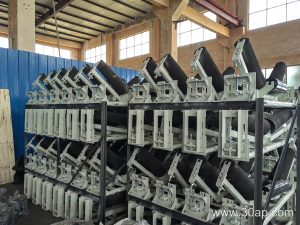
On a conveyor that stretches several kilometers from a mine portal to a stockpile or from a quarry pit to a crushing station, the idler is not a minor accessory. A long-distance conveyor idler carries the loaded belt across every span, keeps the belt tracking within tolerance, and limits the energy lost to rolling resistance. Because a single flight may include thousands of idlers, small differences in roll quality, sealing, and alignment add up over the whole route. That is why buyers on long overland systems tend to treat the idler roller as a wear-critical component rather than a commodity item.
The belt itself sets the duty. A heavy-duty mining conveyor belt or a steel cord conveyor belt used on a multi-kilometer flight can weigh far more per meter than a short plant belt, so the idler frame, shaft, and bearing housing must be matched to that load. On the same route, a fabric core conveyor belt may be used in a transfer section while a steel cord belt handles the main haul. Both rely on the same idler group to keep the belt supported and centered.
How the Idler Is Built
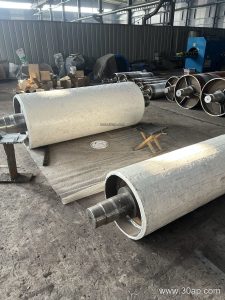
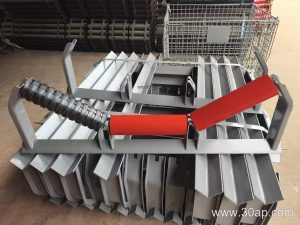
The typical assembly is a steel tube shell pressed over a shaft, with bearing housings at each end, a labyrinth or contact seal, and a grease cavity. Roll surface options include plain steel, nylon, ceramic, and rubber rings. On long routes, seal quality matters as much as shell thickness, because dust ingress at a single bearing can seize a roll and start a belt wear problem that spreads along the line.
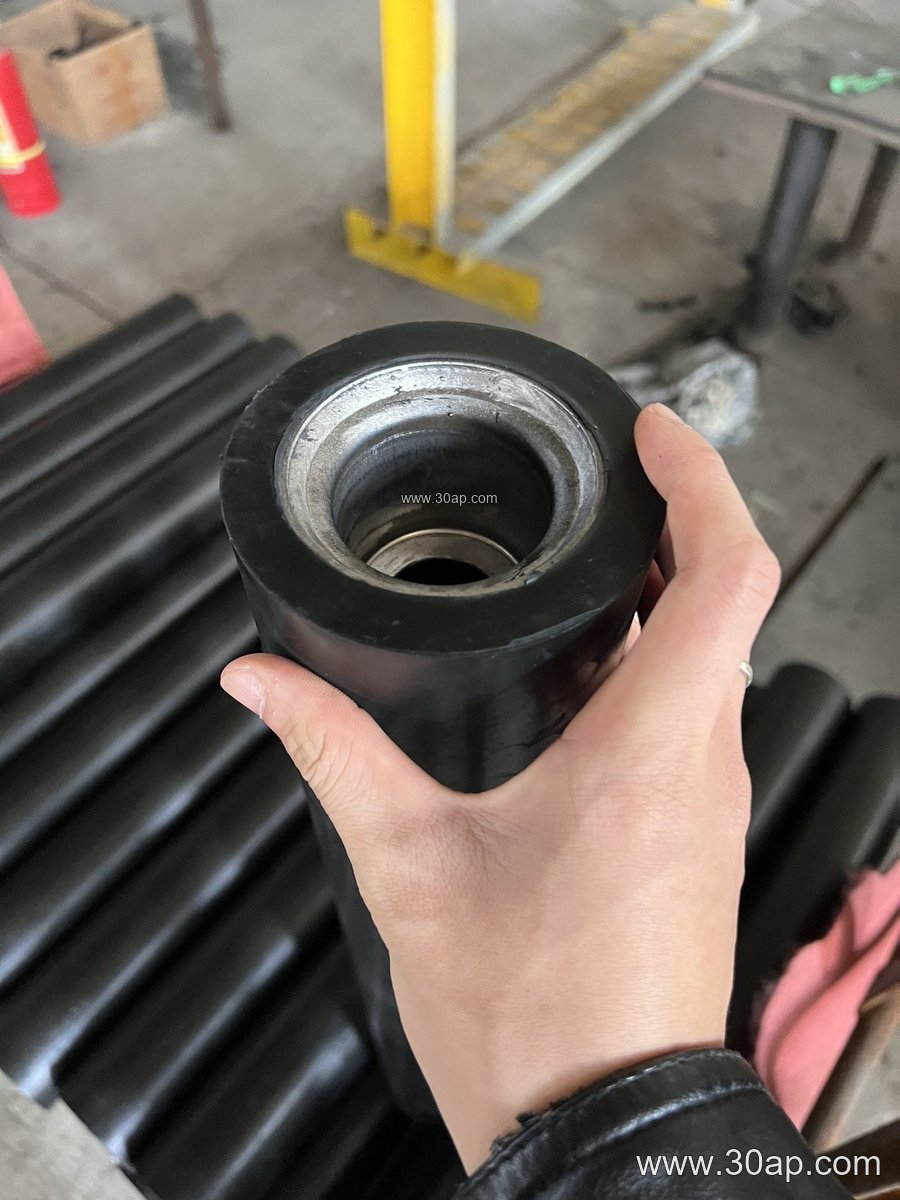
- Shell — steel tube, sometimes with a rubber or ceramic cover for impact or abrasion zones.
- Shaft and bearings — common bearing sizes include 6204, 6205, 6305, 6306, 6308, and 6310, matched to the load and roll diameter rather than to belt width alone.
- Sealing — multiple-stage seals are usual in dusty quarry and coal handling service.
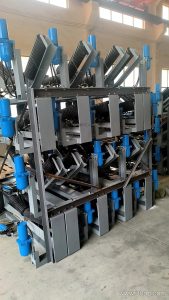
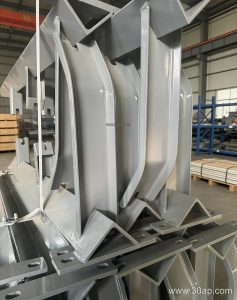
- Frame — the conveyor bracket and base must suit the stringer spacing and the trough angle.
Trough Angles, Roll Diameters and Belt Width
Trough angle shapes the material profile. Common values are 20, 30, 35, and 45 degrees. A deeper trough holds more material and reduces spillage on a loaded incline, while a shallower angle suits wider belts and certain sticky materials. Roll diameter is selected from load, speed, and bearing life: Ø63, Ø76, Ø89, Ø102, Ø108, Ø127, Ø133, Ø159, Ø178, Ø194, and Ø219 all appear in practice. There is no single rule that ties one belt width to one roll diameter, and a shaft size should not be assumed from belt width alone.
Belt widths on long-distance systems commonly range from B400 up to B2400, with B1000, B1200, B1400, and B1600 frequent on main haul flights. Roll length changes with width, trough angle, and the number of rolls in the group. For a three-roll troughing set, typical roll lengths are roughly 200 mm at B500, 250 mm at B650, 315 mm at B800, 380 mm at B1000, 465 mm at B1200, 530 mm at B1400, 600 mm at B1600, 670 mm at B1800, and 750 mm at B2000. These are common examples only; side rolls and center rolls can differ, and the final figure is set by design.
Where Long Runs Use These Idlers
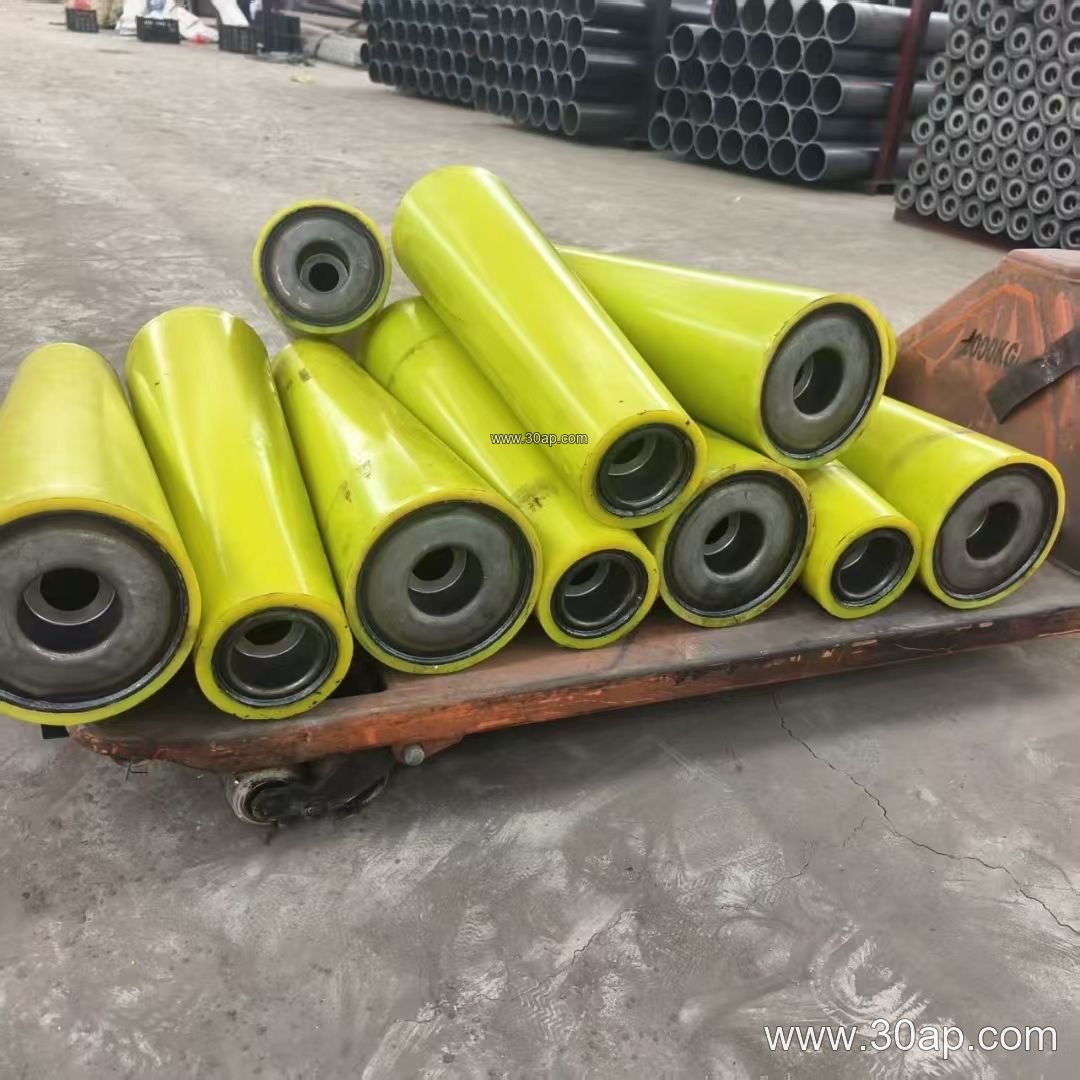
Overland and long-haul applications show up in iron ore and copper ore transport, in limestone quarries feeding a cement plant, and in power plant coal handling where a coal mining conveyor belt runs from the yard to the boiler house. A port conveyor belt handling bulk material may run a long jetty flight, and a tunnel project may use a long discharge line for spoil. In each case the idler group has to cope with continuous duty rather than short bursts.
Impact zones deserve separate attention. At a transfer point below a crusher, rubber-ring impact idlers absorb falling rock that would otherwise damage a standard roll. On the return side, a V-shaped return idler helps keep a dirty belt centered. These are different roles from the carrying idler, and they are selected for the job rather than swapped in as substitutes.
Buyer Checklist Before Ordering
- Confirm belt width, trough angle, and the number of rolls per group.
- State the belt type and approximate weight per meter, whether an EP conveyor belt, an NN conveyor belt, or a steel cord belt.
- Give the operating environment: dust, moisture, temperature, and any flame retardant requirement.
- Specify roll diameter and bearing size, or ask for a recommendation based on load and speed.
- Check that the conveyor bracket and frame match the existing stringer.
- Ask about seal type and lubrication interval for the planned service life.
For a long route, it also pays to order a small spare percentage and to keep a consistent idler specification across the line so that maintenance crews are not matching parts by eye. A well-matched long-distance conveyor idler keeps the belt running true, protects the splice, and holds down power draw over the full length of the system.