Why the Conveyor Pulley Is the Core of Your System
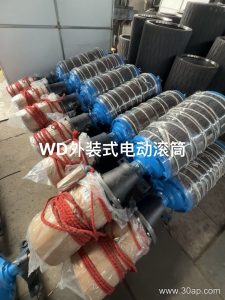
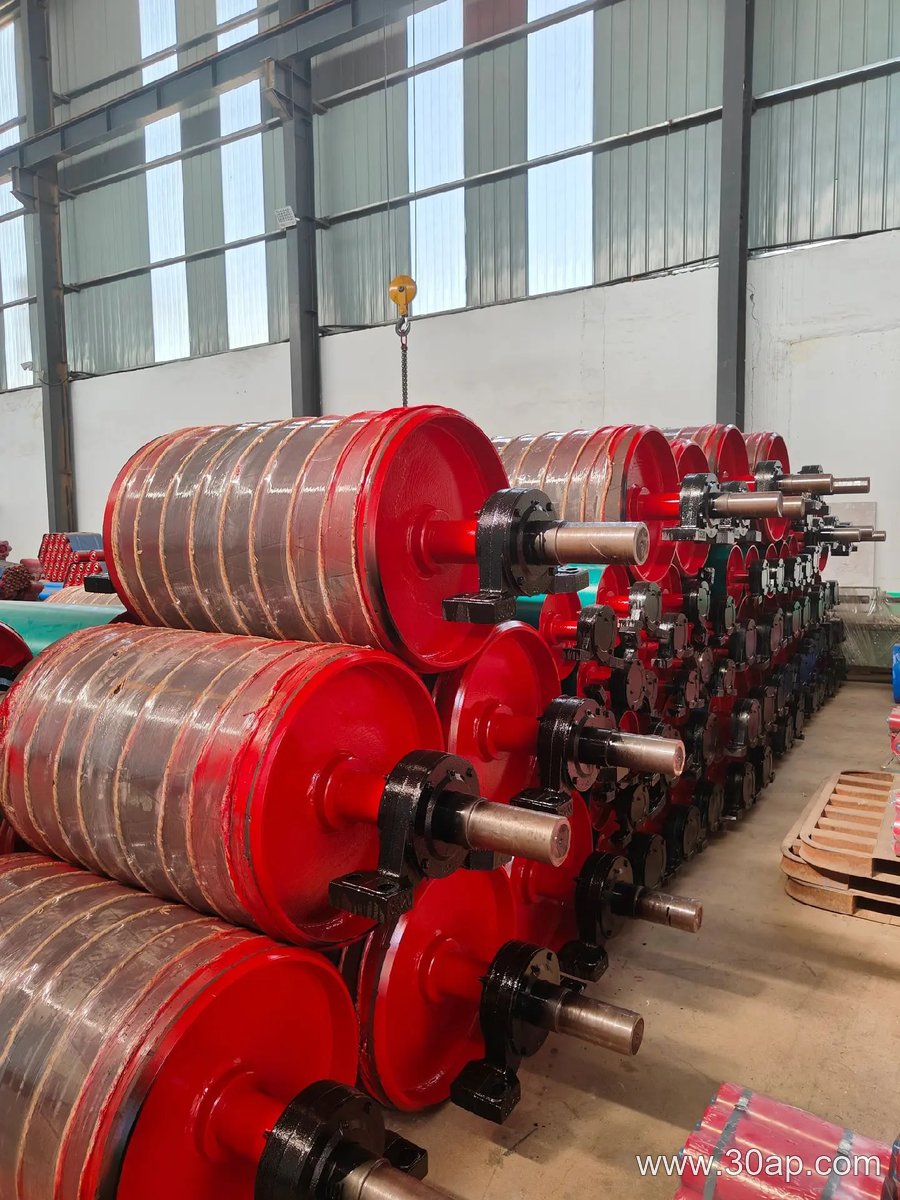
The conveyor pulley is not just a rotating cylinder—it is the component that drives belt tension, tracking, and torque transfer. Choosing a poorly designed pulley leads to belt slippage, misalignment, and premature component failure.
Key Selection Criteria for Conveyor Pulleys
- Load and diameter: Match the pulley face width and diameter to your belt width and peak tension to avoid shaft deflection.
- Lagging type: Rubber lagging improves friction and wear resistance; ceramic lagging suits wet or high-slip environments.
- Shell thickness and material: For abrasive bulk materials, use thicker shells (e.g., 10–20 mm) with high-strength steel (Q345 or similar).
- Bearing and shaft design: Verify the rated dynamic load and check for self-aligning bearings on long conveyors.
Purchasing Advice for Industrial Buyers
- Request the pulley’s calculated shaft deflection under full load—do not rely only on diameter.
- Specify crown or flat face: crowned pulleys assist self-centering of the belt.
- Check for dynamic balancing if your belt speed exceeds 3 m/s (600 fpm).
- Always confirm the fit of your existing hub and bushing system (e.g., QD or Taper-Lock).
Investing in a correctly engineered conveyor pulley reduces downtime and maintenance—verify certifications (ISO 9001) and request a test certificate before ordering.
Why the Conveyor Bracket Deserves Your Attention
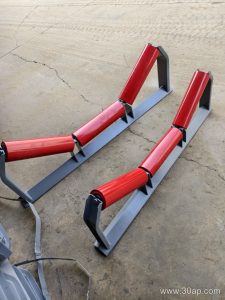
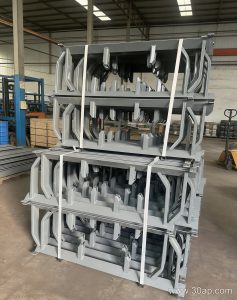
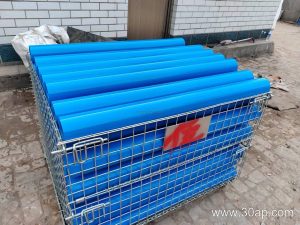
The conveyor bracket is the unsung hero of any bulk handling line. It aligns rollers, absorbs vibration, and prevents belt drift. Without a robust bracket, even premium belting fails prematurely.
Selecting the Right Bracket for Your System
Match the bracket to your frame profile (C-channel, I-beam, or tubular) and load class. Check for corrosion-resistant coatings in wet or chemical environments.
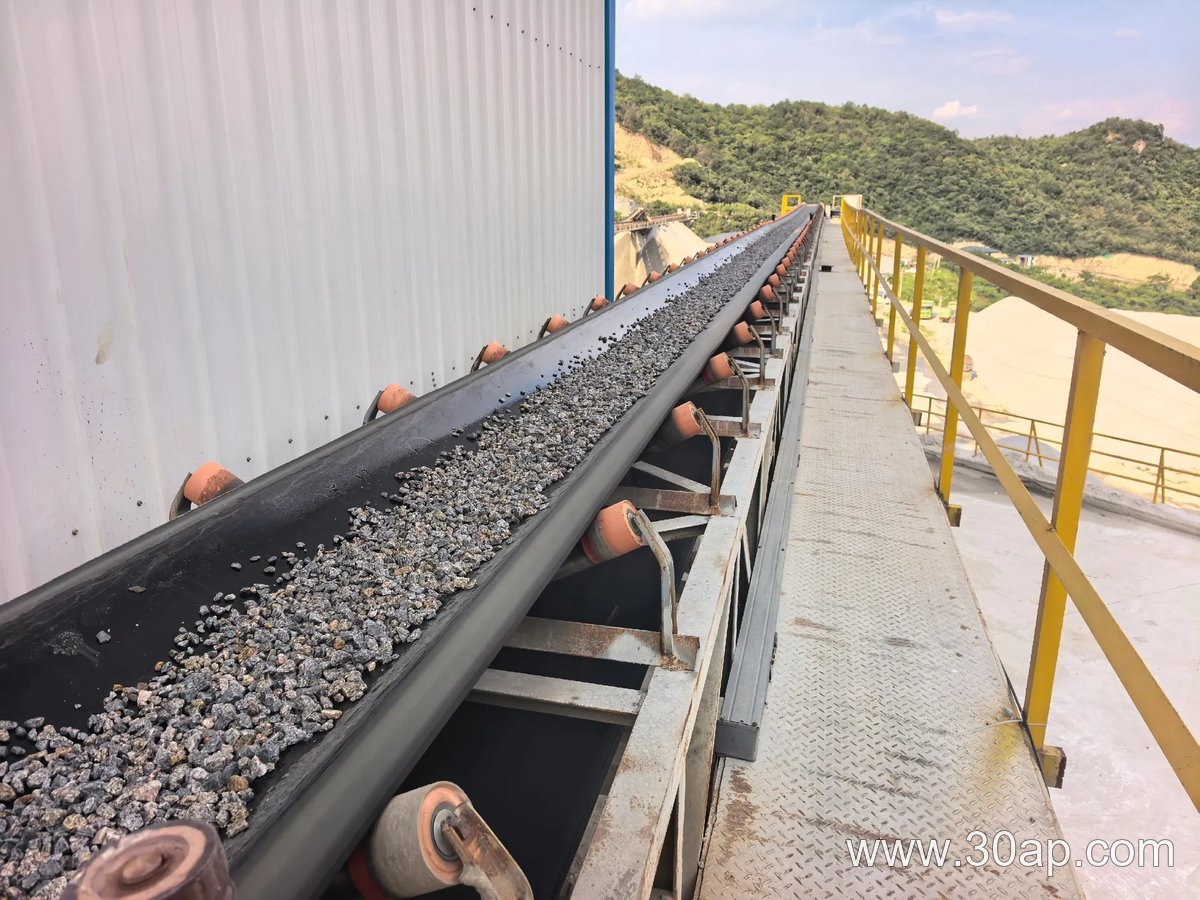
- Verify slot geometry for precise roller adjustment.
- Choose welded vs. bolted brackets based on maintenance access.
- Confirm material grade: pressed steel for light duty, cast iron or stainless for heavy impact zones.
Purchasing Advice
Request load test data and ask about retrofit kits. Always order a spare set of brackets for critical transfer points. A well-chosen conveyor bracket reduces downtime and extends roller life by up to 40%.
Understanding Your Conveyor Belt Needs
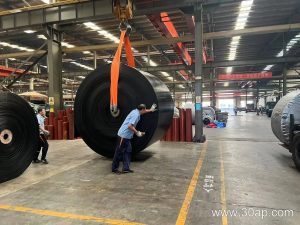
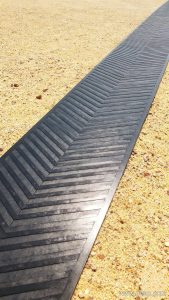
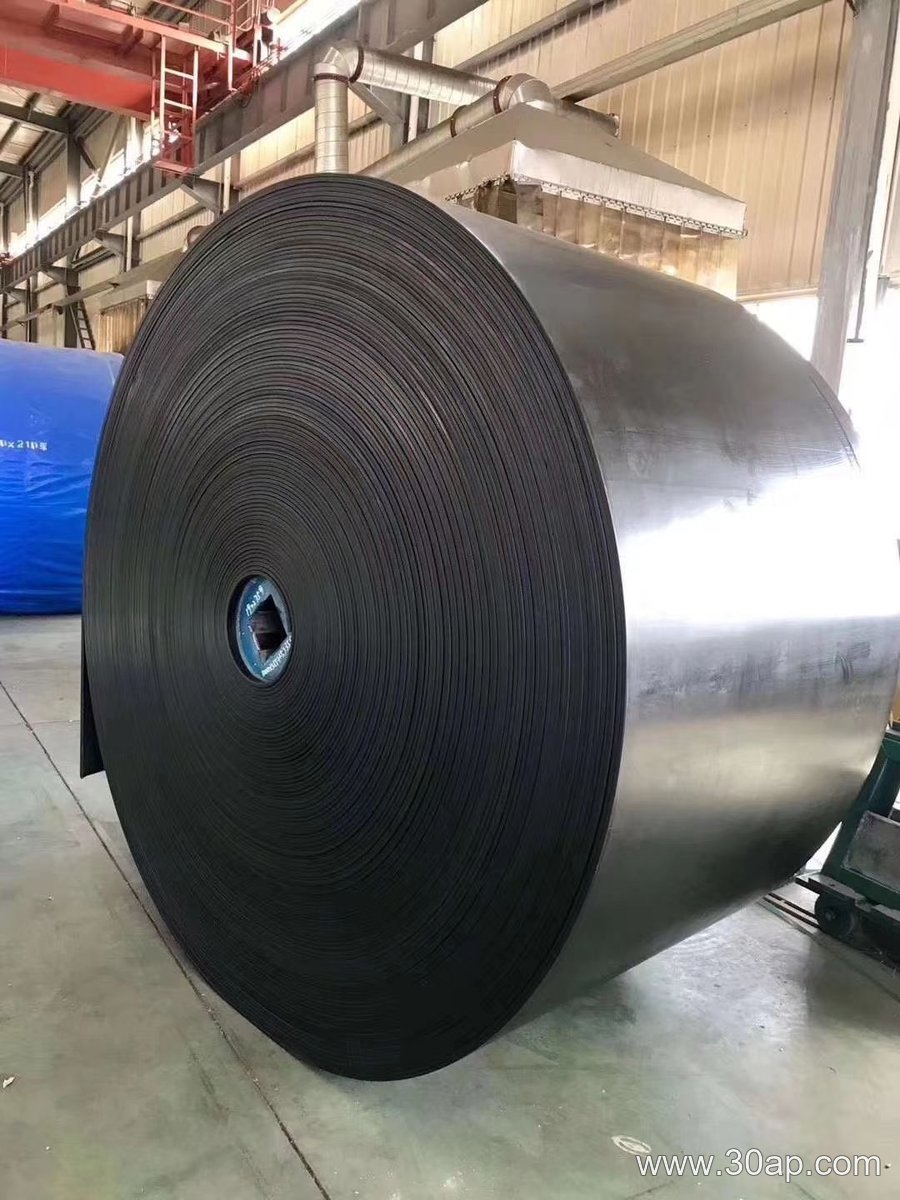
The conveyor belt is the silent workhorse of any material handling system, dictating throughput, maintenance costs, and safety. Choosing the wrong belt can halt production and inflate operational expenses.
Key Factors Before You Purchase
- Load type and weight: Sharp or heavy materials require a reinforced rubber or steel-cord belt, not a lightweight fabric option.
- Environment: For heat, oil, or chemical exposure, select a specialized cover compound (e.g., nitrile or chlorobutyl).
- Belt speed and tension: Calculate required working tension (kN/m) to avoid stretching or premature failure.
Practical Buying Advice
- Always request a technical datasheet with elongation at break and splice method.
- Consider belt thickness and carcass layers (e.g., 2-ply EP for moderate loads, 4-ply for heavy duty).
- Measure existing pulleys and idler spacing to ensure correct belt length and troughability.
- Ask for a splice kit and on-site training from the supplier—a weak splice is the most common point of failure.
Prioritize a belt with low rolling resistance if long distances will be covered; this saves energy over the belt’s lifetime. Finally, compare total cost of ownership, not just the price per meter.
Idler Roller: The Backbone of Reliable Material Handling
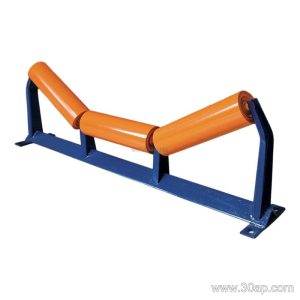
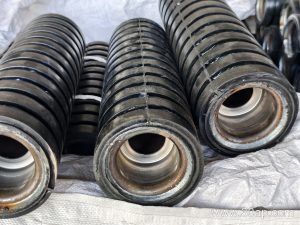
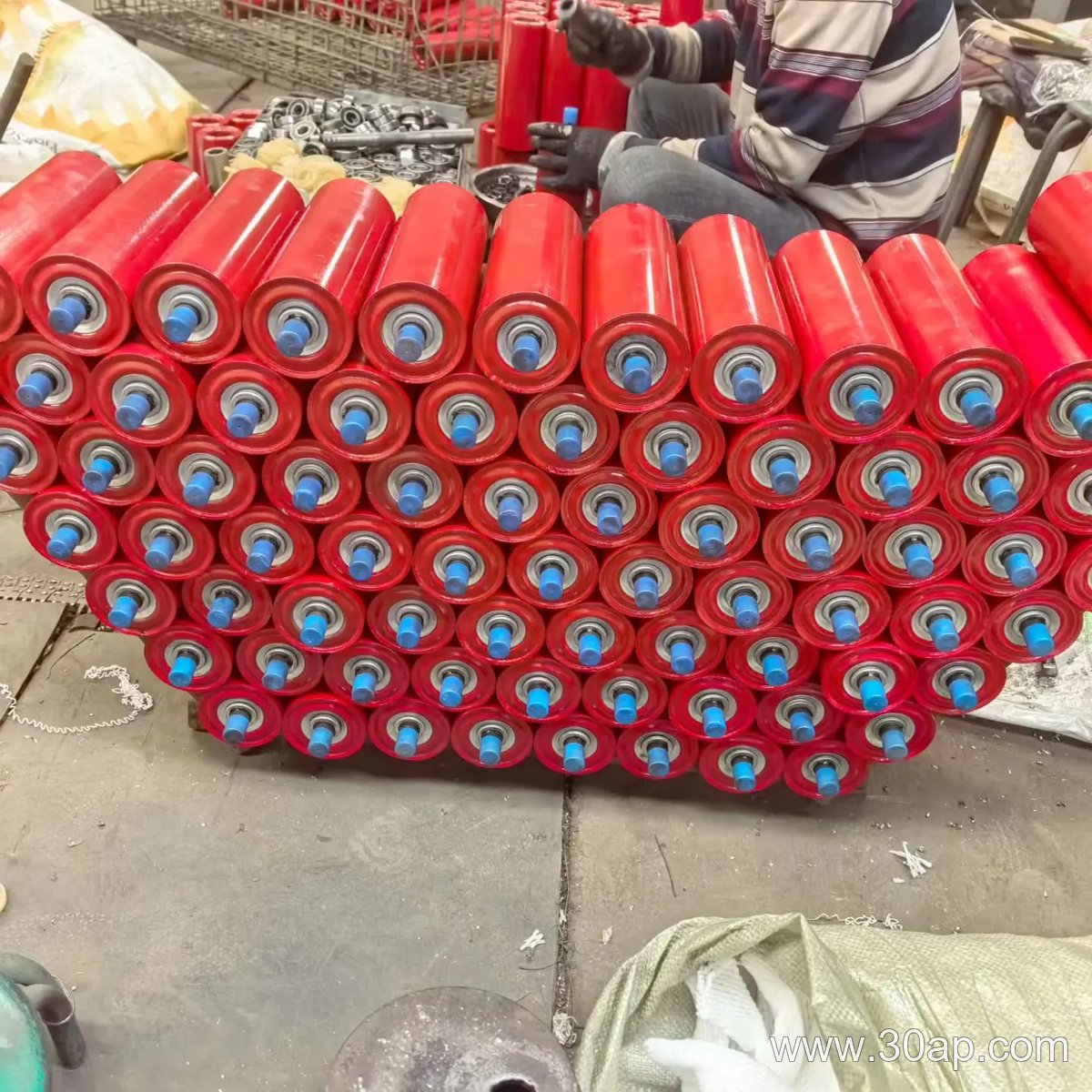
An idler roller is a cylindrical component that supports conveyor belts and transported materials, reducing friction and preventing belt sag. Selecting the correct idler roller directly impacts system efficiency, belt life, and operational uptime.
Key Selection Criteria
- Diameter and wall thickness: Match roller diameter to belt width and load; thicker walls resist impact in heavy-duty applications.
- Bearing type and sealing: Choose sealed bearings (e.g., labyrinth or contact seals) to withstand dust, moisture, and washdown environments.
- Frame and shaft material: Steel for high load, stainless or polymer for corrosive or food-grade settings.
Purchasing Advice
Always verify the idler roller’s load rating against your peak tonnage, and consider troughing angles (20°, 35°, 45°) to match your belt profile. Request samples for field testing, and prioritize suppliers offering consistent concentricity and low runout to avoid belt tracking issues. For long-term savings, compare total cost of ownership: premium rollers often reduce maintenance frequency.