What an Underground Conveyor Belt Is
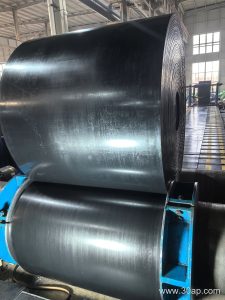
An underground conveyor belt is the moving carrying element of a belt conveyor installed below ground, typically in mines, tunnels, and other confined extraction or transport workings. In practice, it is a heavy-duty conveyor belt engineered to move coal, ore, rock, and other bulk materials through galleries where space is limited and conditions are harsh. The product is also described accurately as an underground mining conveyor belt, and in coal operations the more specific term underground coal mining conveyor belt is common. All three refer to the same family of belting.
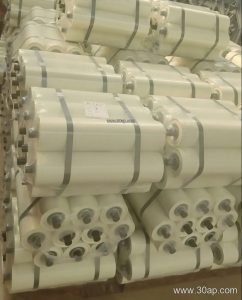
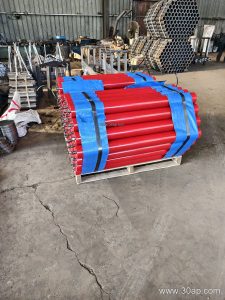
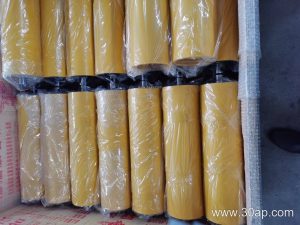
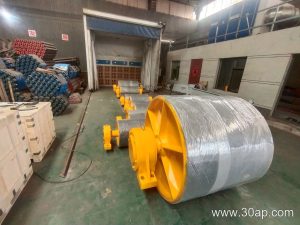
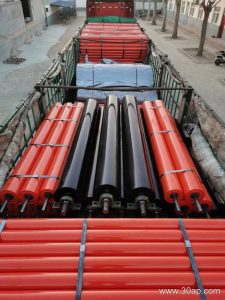
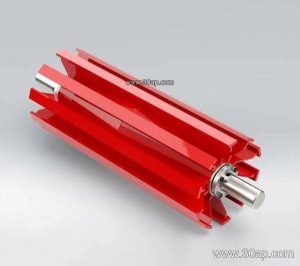
The belt itself does not work alone. It runs on idler rollers mounted on a rigid frame, is driven and returned by conveyor pulleys, and is held in alignment by conveyor brackets and support structures. Belt, rollers, pulleys, and frame form one mechanical system, so belt selection should always be matched to the whole conveyor design.
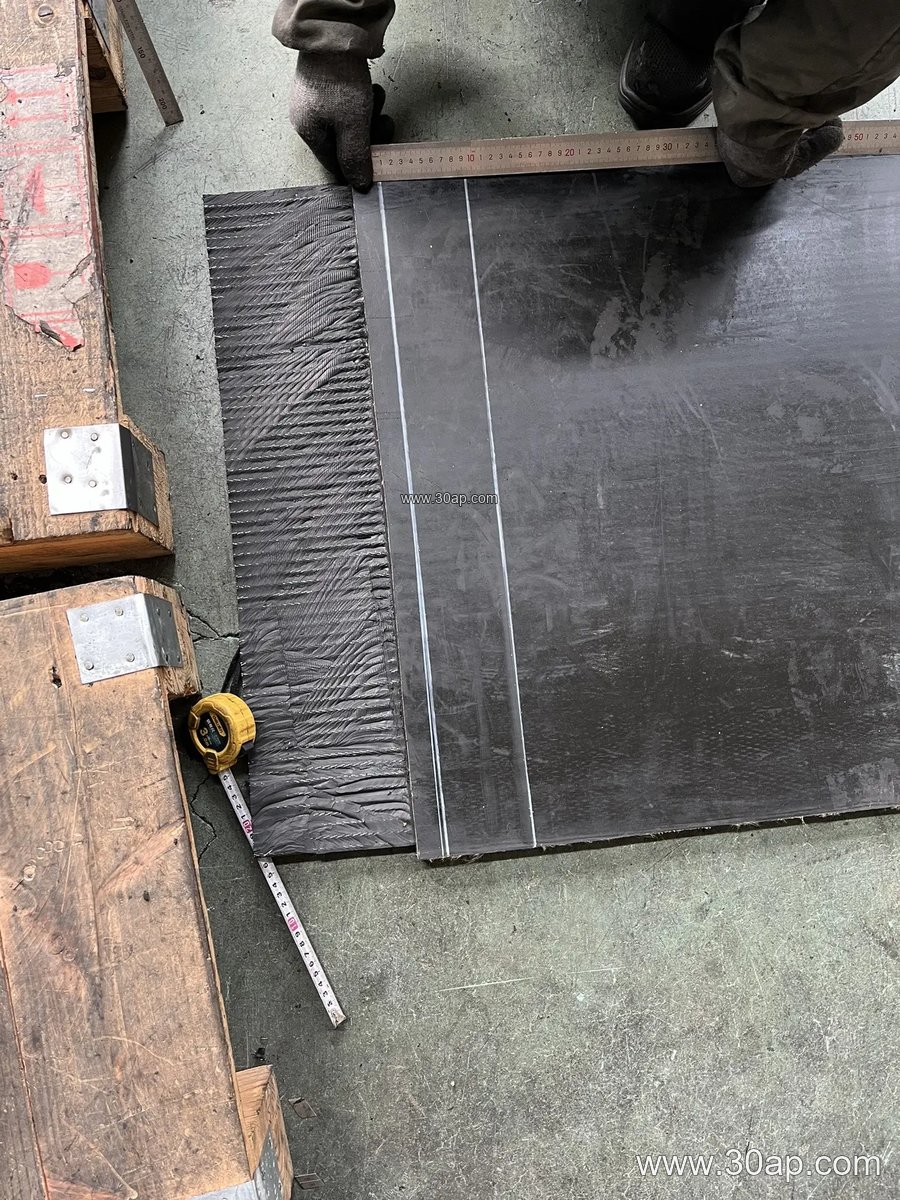
Construction and Common Constructions
Most underground belts are fabric-core or steel-cord reinforced. The carcass carries tension, while rubber covers protect the core from abrasion, moisture, and impact. Buyers will meet several constructions, each suited to different duty levels:
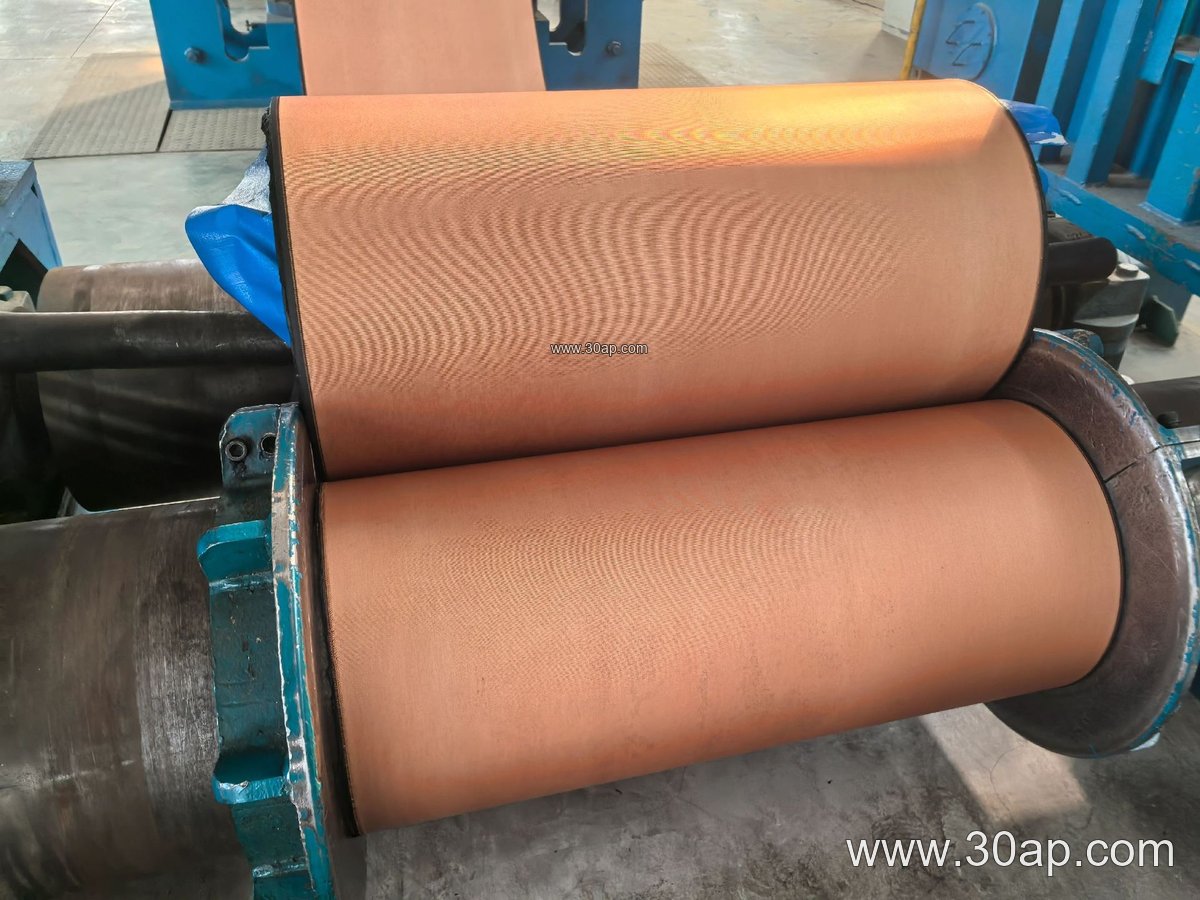
- EP conveyor belt with polyester-polyamide fabric, often chosen for general mining haulage.
- NN conveyor belt with nylon fabric, useful where flexibility and impact resistance matter.
- Steel cord conveyor belt for long runs and high tension.
- PVG conveyor belt and PVC conveyor belt, frequently used in coal mine roadways where flame resistance is required.
Cover compounds can be abrasion resistant, flame retardant, fire resistant, anti-static, heat resistant, oil resistant, or cold resistant. A flame retardant conveyor belt is a frequent requirement in underground coal work, while an abrasion resistant conveyor belt suits hard rock and ore duties.
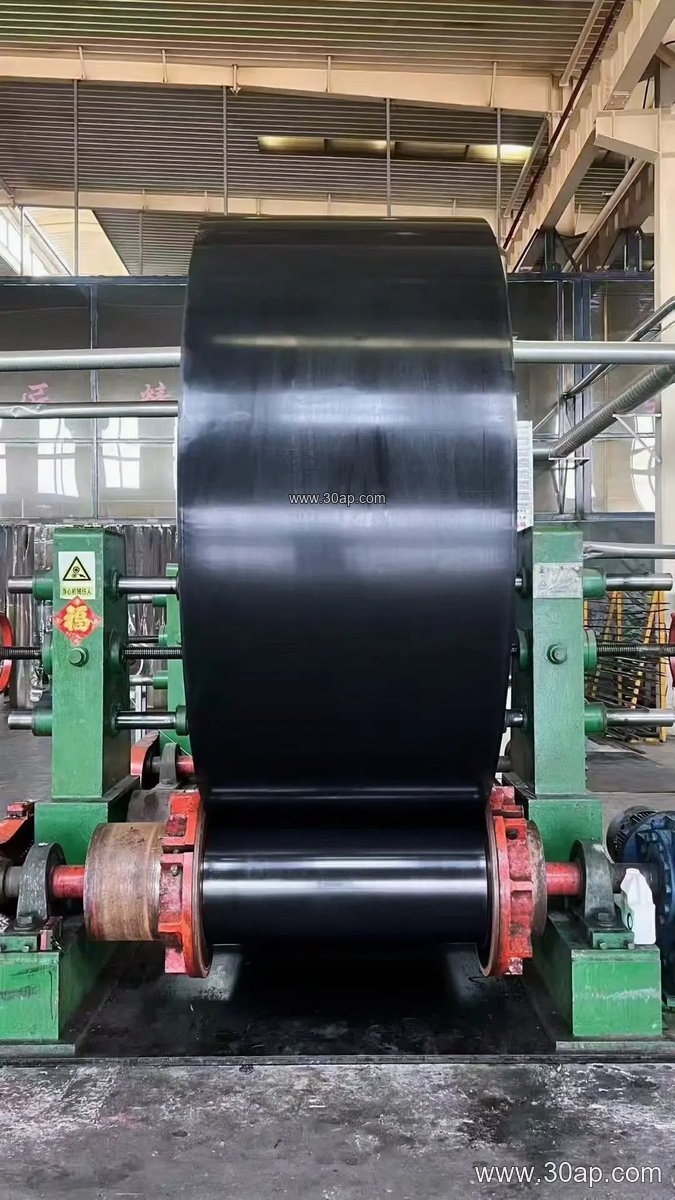
Typical Specification References
The values below are common reference ranges for discussion with a supplier, not universal fixed specifications.
| Item | Typical reference |
|---|---|
| Fabric core grades | EP200, EP315, EP400, EP500, EP630, EP800, EP1000, EP1250, EP1600, EP2000 |
| Steel cord grades | ST1000, ST1250, ST1600, ST2000, ST2500, ST3150 |
| Belt widths | B500, B650, B800, B1000, B1200, B1400, B1600, B1800, B2000 |
| Cover thickness | 3+1.5, 4+2, 5+2, 6+2, 8+3 mm |
| Carcass plies | Usually 2 to 6 fabric layers |
For example, an EP1000 belt at 1200 mm width may suit a medium-duty trunk conveyor, while an ST2000 or ST2500 steel cord belt is more typical of long underground haulage with high tension. Final grade, width, and cover thickness are determined by the conveyor design, not by a single rule.
Where It Is Used
Underground installations appear in coal mines, metal mines, tunnels, and underground limestone or aggregate operations. Surface industries such as cement plants, power plants, and quarries often use similar belting in enclosed galleries and inclined transfer houses. In all these settings the belt must resist abrasion, impact at loading points, and often moisture. In coal work, anti-static and flame retardant properties are usually specified together.
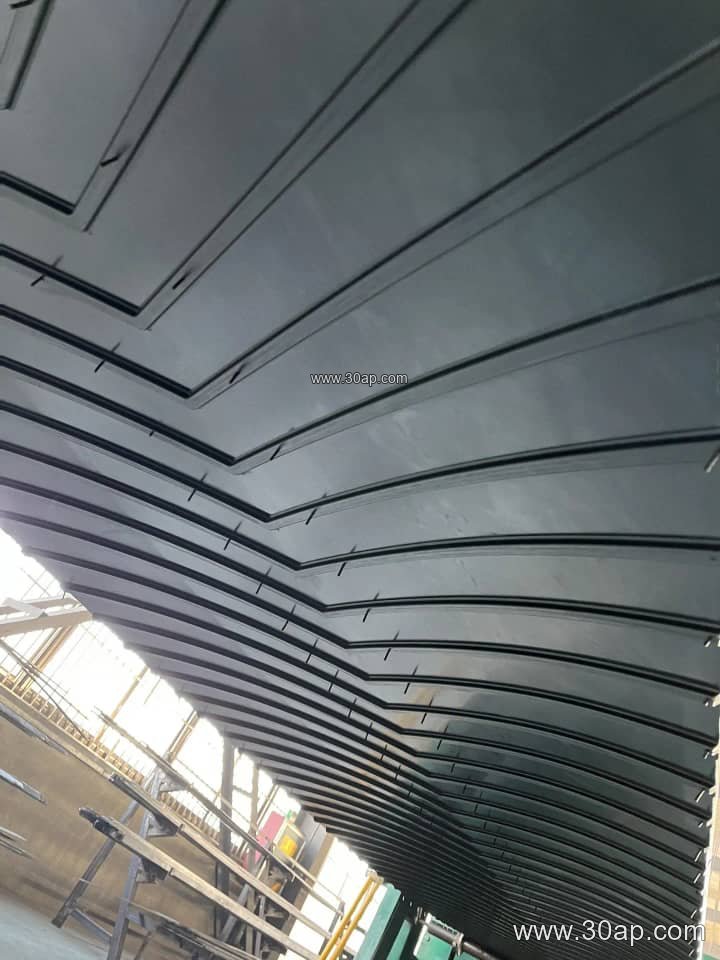
Different layouts call for different surface forms. A chevron conveyor belt or corrugated sidewall conveyor belt helps on steep inclines, while a pipe conveyor belt can enclose the material on curved routes. These are alternatives for particular geometries, not replacements for the standard troughed belt in the main haulage line.
Buyer Checklist
- Confirm material type, lump size, and tonnage per hour before choosing a grade.
- Match belt tension rating to the drive and tail pulley arrangement and the incline.
- State environmental needs clearly: flame retardant, anti-static, oil resistant, or heat resistant covers.
- Check that idler roller spacing and trough angle suit the belt stiffness.
- Verify pulley diameters and shaft sizes with the conveyor designer; belt width alone does not fix them.
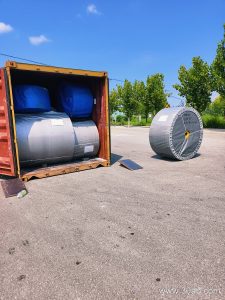
- Plan splicing, storage, and spare belt stock, since underground replacement is slow.
At www.todoconveyor.com/underground-conveyor-belt, buyers can review belt constructions alongside roller and pulley options before finalizing a specification. A well-matched underground conveyor belt reduces stoppages and keeps material moving safely through the most confined parts of a mine or plant.