What a Welded Pulley Is
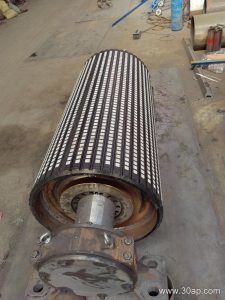
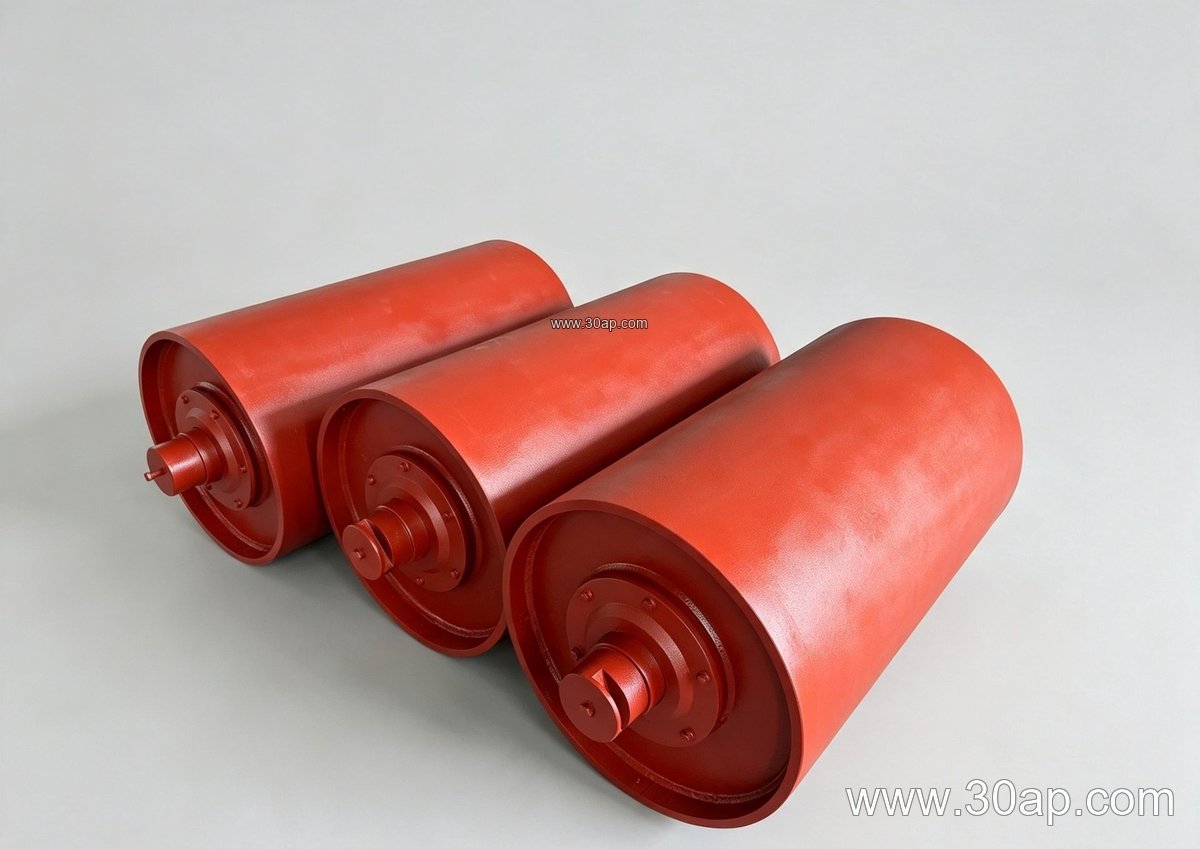
A welded pulley is a conveyor pulley whose shell, end discs and hub assembly are joined by welding rather than by casting or bolting. In a belt conveyor the pulley is the rotating drum that carries the belt, sets its tension and changes its direction, so the welded construction matters for stiffness, fatigue life and repair options. Buyers often meet the same item under the name welded drum pulley or fabricated conveyor pulley; all three describe one product family, and this article uses those terms interchangeably.
Fabricated shells are common in quarry conveyors, cement plant clinker lines and power plant coal handling, where pulley sizes are large and duty is heavy. A welded pulley is not a drive, tail or bend pulley by definition; those are positions in the conveyor, and any of them may be built with a welded body.
How the Body Is Fabricated
The usual sequence starts with rolled steel plate formed into a cylinder and closed with a longitudinal seam weld. End discs are machined and welded to the shell, then the hub is set and welded in place. Shafts are fitted and locked, and the assembly is stress relieved where design requires it before machining of the journals and final balancing. Weld quality, roundness and runout control belt tracking and bearing life more than wall thickness alone.
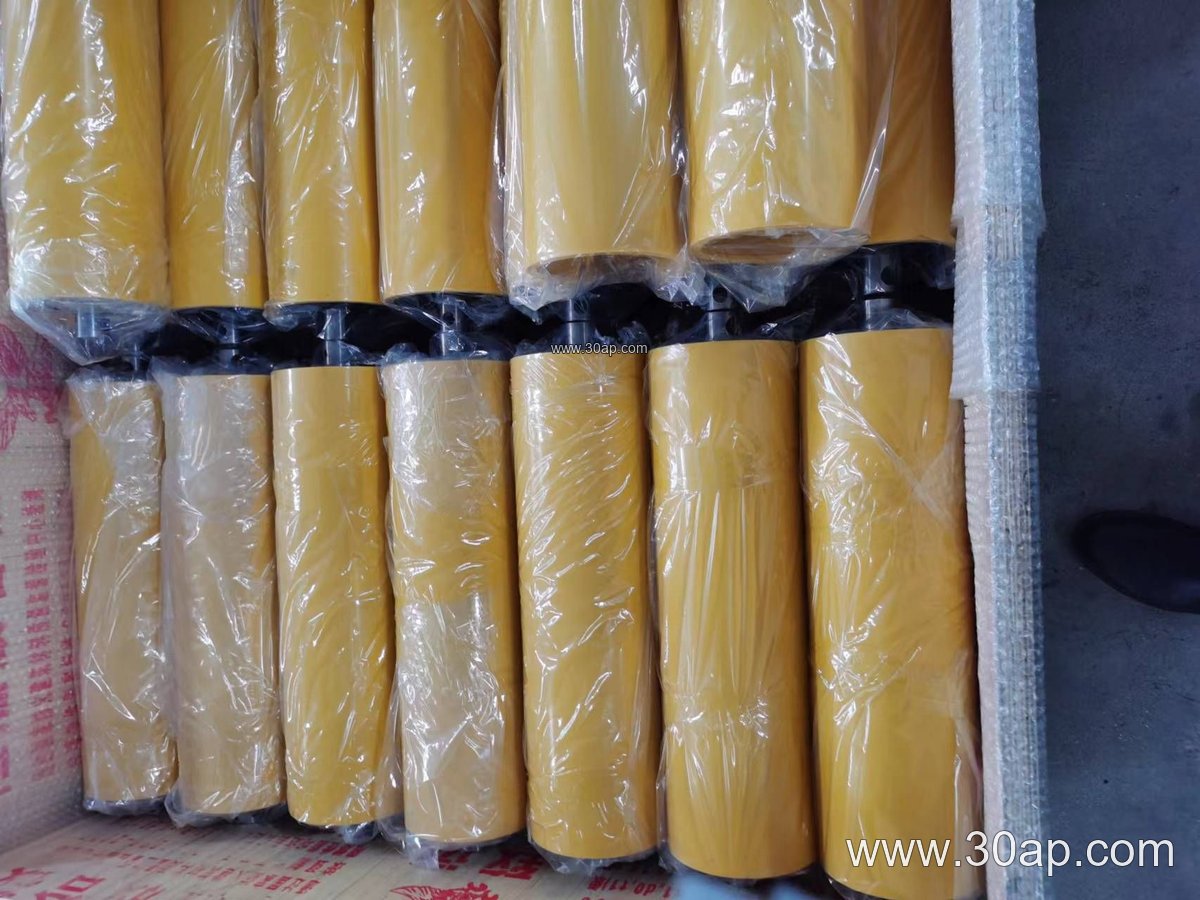
- Rolled shell with longitudinal and circumferential welds
- Welded end discs and hub, machined after welding
- Journal machining and dynamic balancing
- Optional lagging applied after body fabrication
Surface finish is often specified separately from the body: plain, hot vulcanized rubber, cold bonded rubber, diamond grooved, chevron grooved or ceramic lagging, with common lagging thickness of 8, 10, 12, 15 or 20 mm. Lagging choice should match whether the pulley drives, tensions or simply redirects the belt.
Where Welded Pulleys Are Used
The fabricated design suits bulk handling lines that run wide belts and heavy loads. In a limestone quarry or an aggregate crushing and screening plant, welded pulleys are frequently found at the head and tail of long field conveyors. In a coal preparation plant or a power station coal yard, they carry abrasive material on high-tension belts. A cement plant uses them on clinker and raw meal circuits, while a port bulk terminal may run them on ship loading conveyors.
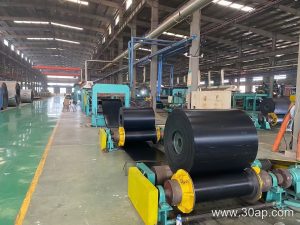
The belt itself is part of the selection picture. An abrasion resistant conveyor belt on a crusher discharge line loads the pulley differently from a heat resistant conveyor belt near a kiln or a flame retardant conveyor belt in an underground coal mine. Matching pulley lagging and shell strength to the belt type and tension avoids slip and premature wear.
Position in the Conveyor Matters
A drive pulley transmits torque and needs good grip, so lagging and a robust hub connection are critical. A tail pulley at the loading point sees material impact and fines, and its bearings and seals deserve attention. A bend pulley changes belt direction under moderate tension and is often plainer in surface finish. Because these roles differ, a welded pulley intended for one position should not be swapped into another without checking tension, wrap angle and shaft load.
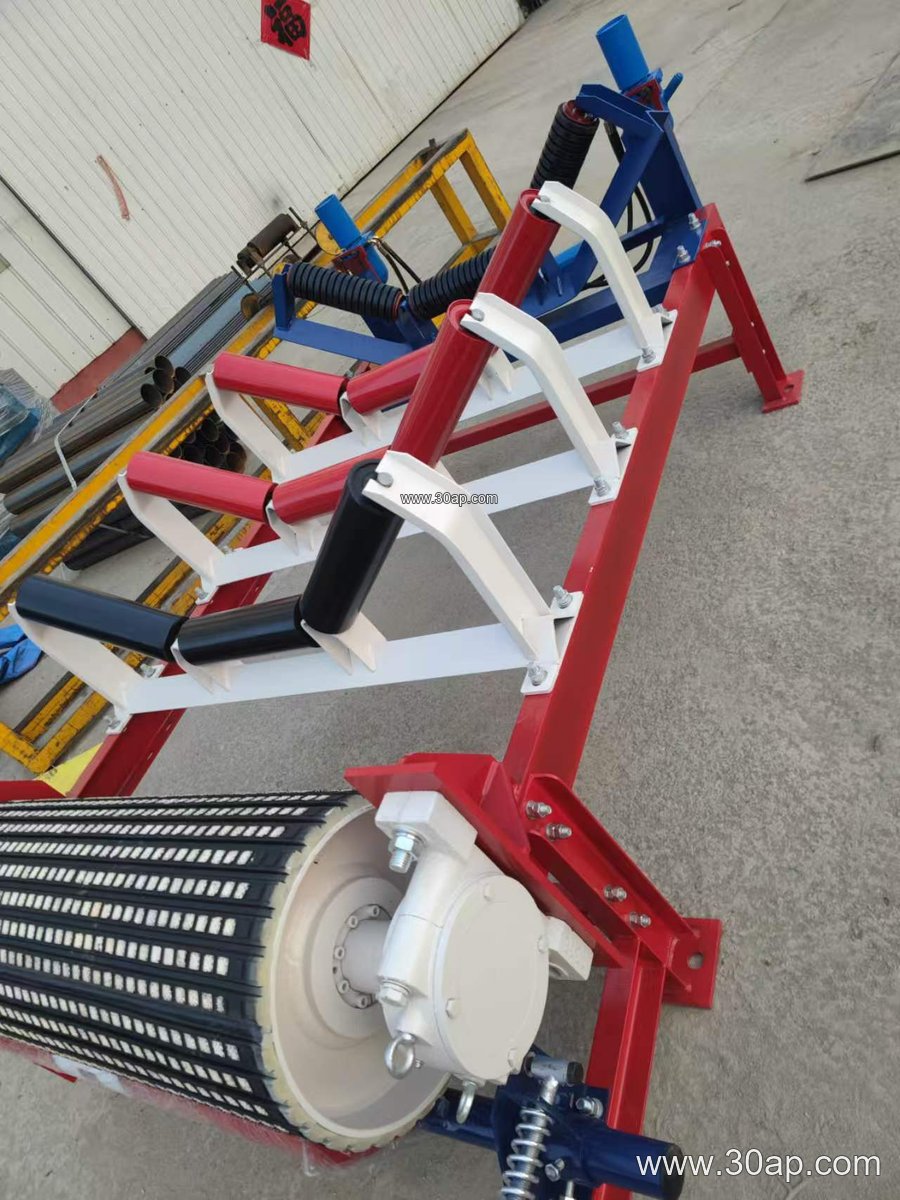
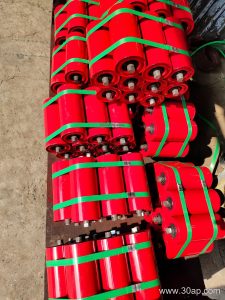
Related components sit around the same frame: the conveyor belt, idler rollers supporting the carry side, and conveyor brackets holding the assembly. A conveyor pulley that is well aligned with the idlers tracks better and reduces edge damage.
Common Reference Dimensions
The table below gives typical reference values for discussion with a supplier. They are not fixed combinations, and final sizing follows torque, belt tension and shaft load calculations.
| Item | Common reference values |
|---|---|
| Belt width | B400, B500, B650, B800, B1000, B1200, B1400, B1600, B1800, B2000 |
| Pulley diameter | Ø200, Ø250, Ø315, Ø400, Ø500, Ø630, Ø800, Ø1000, Ø1250, Ø1400 |
| Face width | Usually wider than belt, e.g. B800 about 950 mm, B1200 about 1400 mm |
| Shaft diameter | Ø50, Ø60, Ø70, Ø80, Ø90, Ø100, Ø120, Ø140, Ø160, Ø180, Ø200 |
| Lagging thickness | 8, 10, 12, 15, 20 mm |
A combination such as B1200 x Ø1000 or B800 x Ø500 can be quoted, but belt width alone does not dictate one diameter, and shaft diameter must be derived from load rather than belt width.
Buyer Checklist
- Confirm the pulley position: drive, tail, bend, take-up or snub
- State belt width, belt type and maximum operating tension
- Specify lagging surface and thickness where grip is needed
- Ask for weld inspection, balancing grade and runout data
- Check shaft diameter against calculated torque, not belt width
- Plan bearing access and lifting points for maintenance
For a heavy-duty mining conveyor belt or an EP conveyor belt running at high tension, the welded pulley should be reviewed together with the belt manufacturer’s recommended pulley diameter. A larger diameter reduces belt bending stress, while a smaller one saves space. Neither choice is universal, and the right answer comes from the duty, the belt construction and the conveyor layout.