What a Cleaning Idler Does on a Conveyor
A cleaning idler is a roller assembly mounted so that it contacts the dirty side of the conveyor belt and removes clinging material before it travels back along the return strand. In practice, this accessory is often a spiral or helical roller, sometimes called a spiral cleaning roller, and it works by scraping and flicking debris away from the belt surface. The result is less carryback, cleaner floors, and less build-up on return idlers, pulleys and the conveyor bracket structure.
Carryback is a persistent problem in bulk handling. Fine dust and sticky fines adhere to the belt after discharge and drop off along the return run, coating the conveyor pulley faces, packing around bearings, and creating housekeeping work. A cleaning idler addresses this at the source by disturbing the adhered layer while the belt is still supported.
How the Roller Is Built
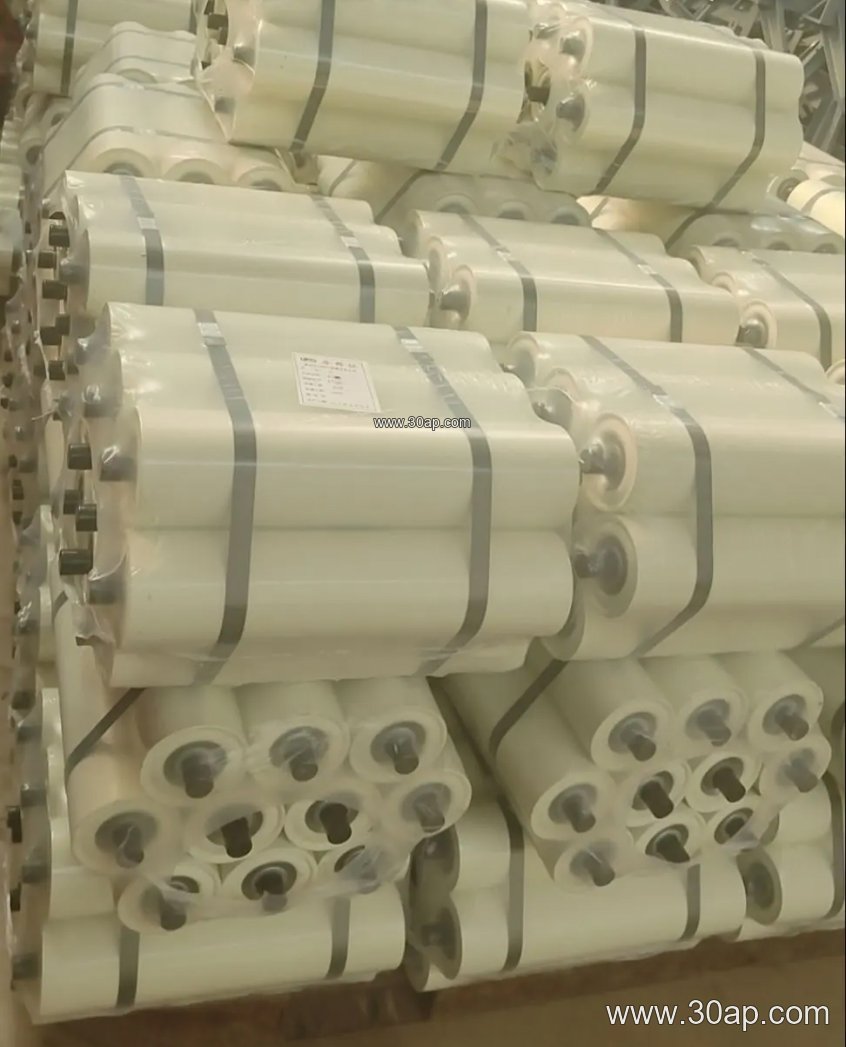
A typical cleaning idler uses a steel tube shell with a helical profile formed from welded flat bar or a molded rubber spiral. The helix is arranged so that, as the roller turns with the belt, the spiral edges lift and push material toward the belt edges. Many designs are self-cleaning: the spiral shape sheds debris rather than trapping it, which matters in dusty service such as a coal handling plant or a cement plant.
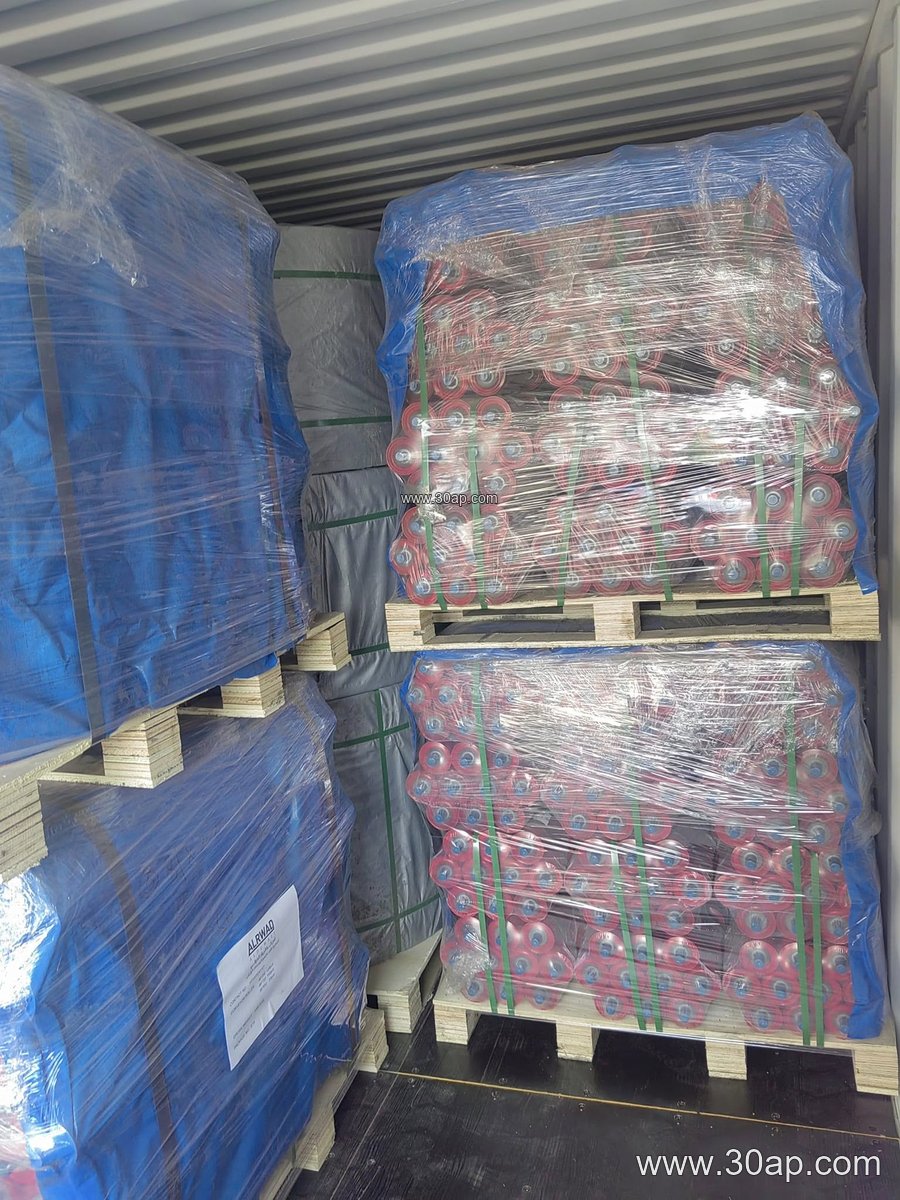
Inside the shell, the shaft runs on sealed ball bearings. Common bearing sizes include 6204, 6205, 6305, 6306, 6308 and 6310, selected according to load and roller diameter rather than fixed by belt width. Shaft ends are fitted with bearing housings that locate in the conveyor bracket or frame. Roll face options range from plain steel to rubber-covered and ceramic-faced versions, and the choice depends on whether the priority is abrasion resistance, material release or belt protection.
- Shell: steel tube, often with a helical welded flight
- Surface: bare steel, rubber spiral, or ceramic segments
- Bearings: sealed deep-groove ball bearings, greased for life or relubricable
- Mounting: fixed brackets or spring-loaded arms that hold the roller against the belt
Where Cleaning Idlers Fit in the Conveyor Layout
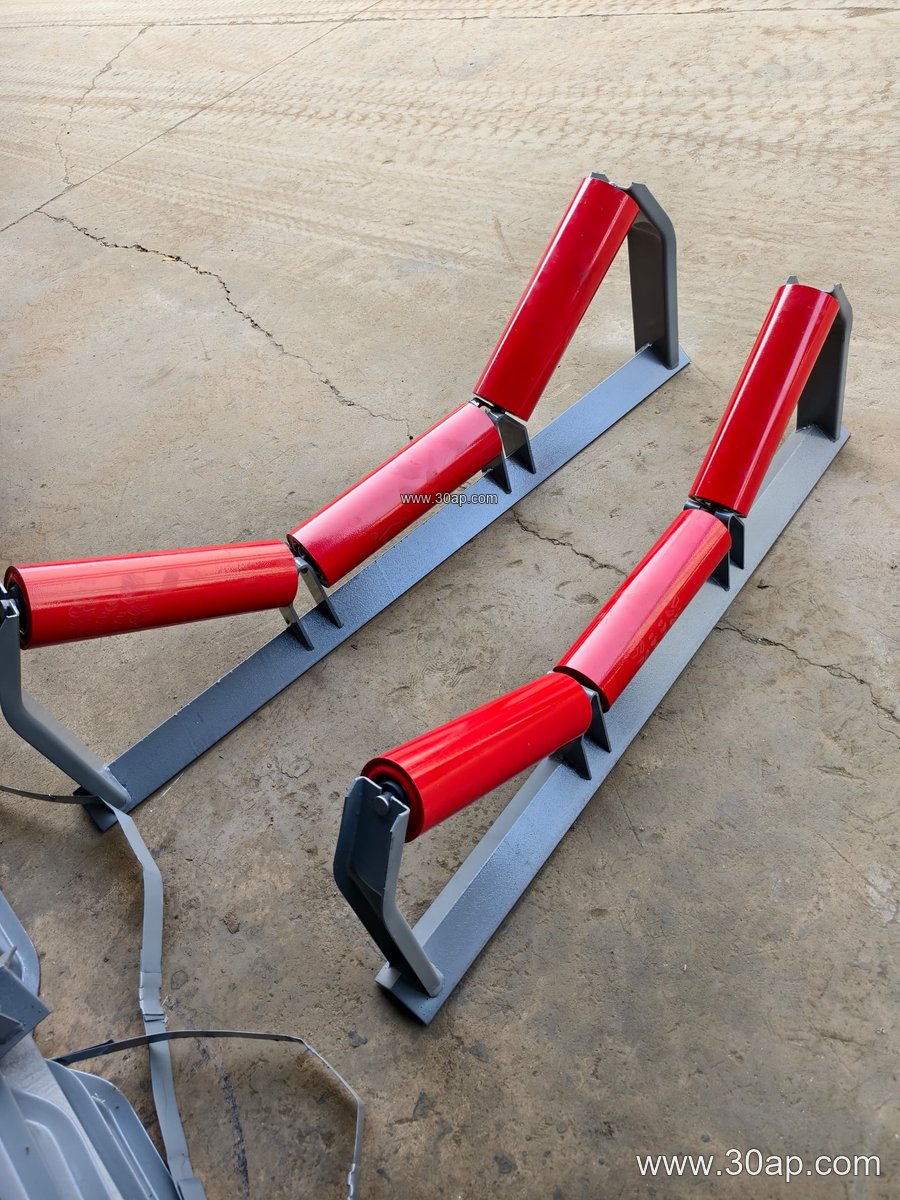
These rollers are normally installed on the return strand, close to the discharge point, where the belt is still carrying the heaviest carryback load. A common arrangement places one cleaning idler just behind the head pulley, followed by a second unit further along the return run. On a quarry conveyor belt or an aggregate conveyor belt handling damp, fine material, this two-stage layout reduces the load on downstream return idlers and V-return rollers.
The device is not a substitute for a primary belt cleaner at the head pulley, nor does it replace a bend pulley or tail pulley. Those components serve different functions: a bend pulley changes belt direction, a tail pulley sets the return end, and a drive pulley transmits power. The cleaning idler is a belt-conditioning accessory, and it is often paired with skirt rubber and a well-aligned troughing set to control spillage.
Common Sizes and Selection Notes
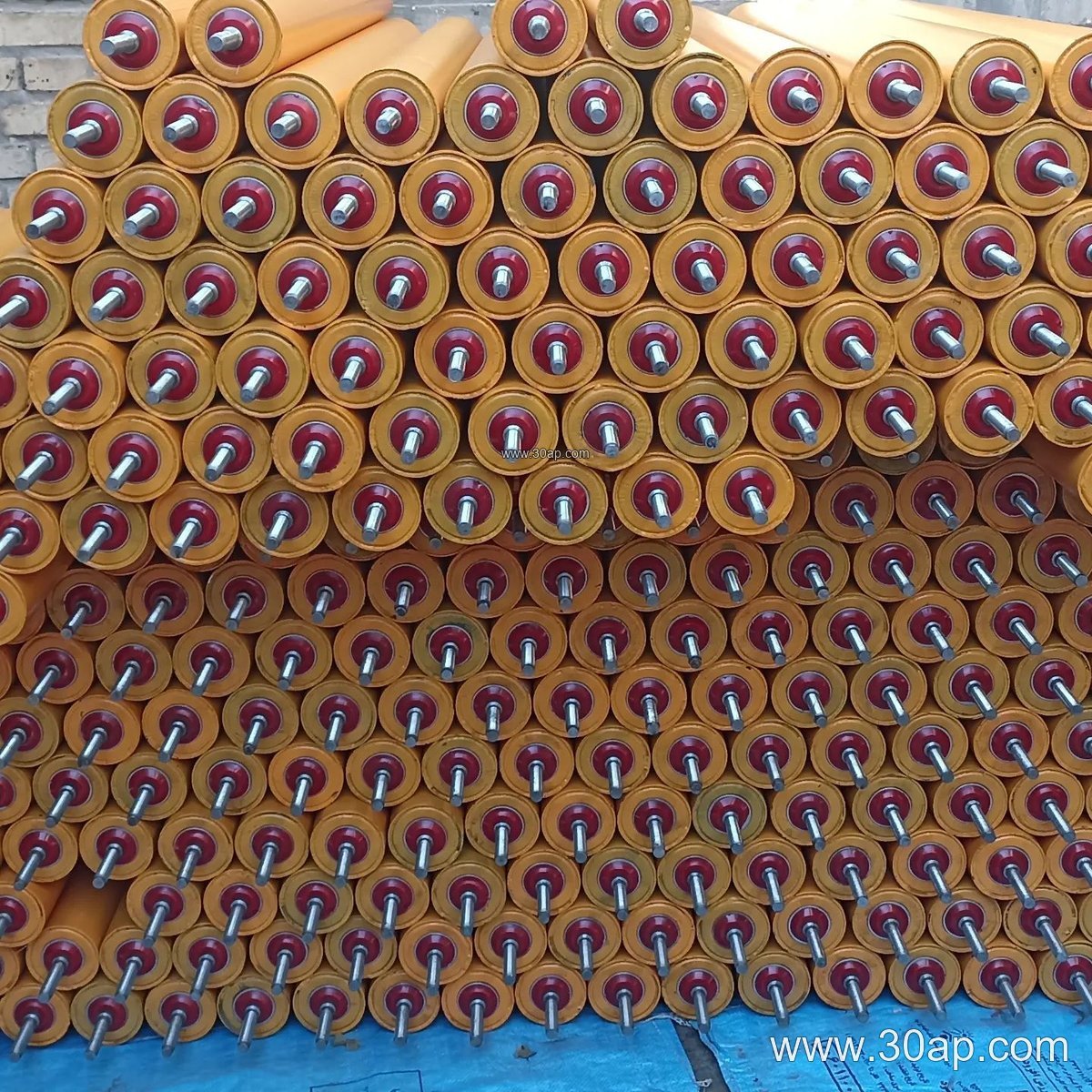
Cleaning idlers follow the same diameter families as other rollers. Typical roll diameters include Ø63, Ø76, Ø89, Ø102, Ø108, Ø127, Ø133, Ø159, Ø178 and larger sizes for heavy-duty mining conveyor belts. Face length is matched to the belt width and to the frame position, so a unit for a B800 belt is shorter than one for a B1400 belt. The table below gives indicative reference data only; actual dimensions are set by the conveyor design.
| Reference Item | Typical Range | Notes |
|---|---|---|
| Roll diameter | Ø63 to Ø219 mm | Selected by load and belt speed |
| Belt width | B400 to B2400 mm | Face length follows belt and frame |
| Bearing | 6204, 6205, 6305, 6306, 6308, 6310 | Matched to shaft and load |
| Surface form | Steel, rubber spiral, ceramic | Depends on material stickiness and abrasion |
| Mounting | Fixed or spring arm | Spring arms maintain belt contact |
Buyers should confirm the belt width, the return strand height available for mounting, the material being carried, and whether the belt has mechanical splices or a vulcanized endless joint. A spiral roller running against a poorly trimmed splice can wear quickly, so splice condition deserves attention. In a power plant coal conveyor or a fertilizer plant, chemical resistance of the roller surface may also matter, and a rubber or ceramic face is often preferred over bare steel.
Maintenance and Practical Buying Advice
Inspect the cleaning idler during routine walk-downs. Check that the spiral turns freely, that the bearings are not noisy, and that material is not packing between the helix and the frame. Worn spirals lose scraping efficiency, and a seized bearing can flat-spot the roller or damage the belt. Keeping the return run clean also protects related parts such as the conveyor pulley lagging and the conveyor bracket fixings.
When specifying, ask for the roller diameter, face length, bearing size, surface type and mounting style in writing. Confirm compatibility with the existing idler roller frame spacing and with the belt speed. A cleaning idler is a small component, but in a dusty quarry or a busy coal handling system it can noticeably reduce carryback and extend the service life of the conveyor belt and its supporting structure.