What a Large-Diameter Conveyor Idler Does
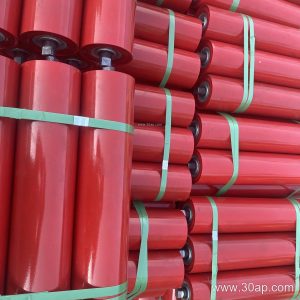
A large-diameter conveyor idler is a carrying or return roller whose shell diameter sits at the upper end of the normal idler range. In practice, many plants treat Ø159 mm, Ø178 mm, Ø194 mm and Ø219 mm as large-diameter sizes, while Ø63 mm to Ø133 mm covers most light and medium duties. The bigger shell is not a cosmetic choice. It changes rotation speed, bearing load, roll inertia and the way the belt sits on the roller set, so it matters most where belts are wide, loads are heavy and uptime is expensive.
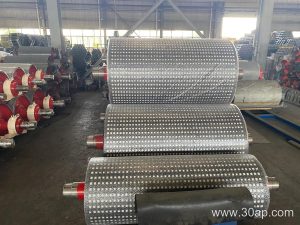
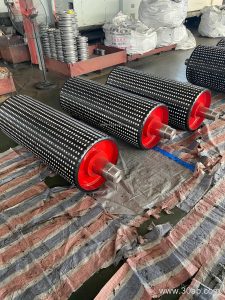
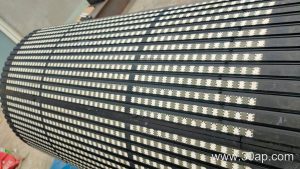
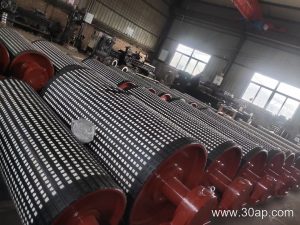
This roller is still an idler roller, not a drive unit. It does not pull the belt; it supports it. A conveyor pulley at the head or tail does the driving and redirecting, and the two product families should be specified separately.
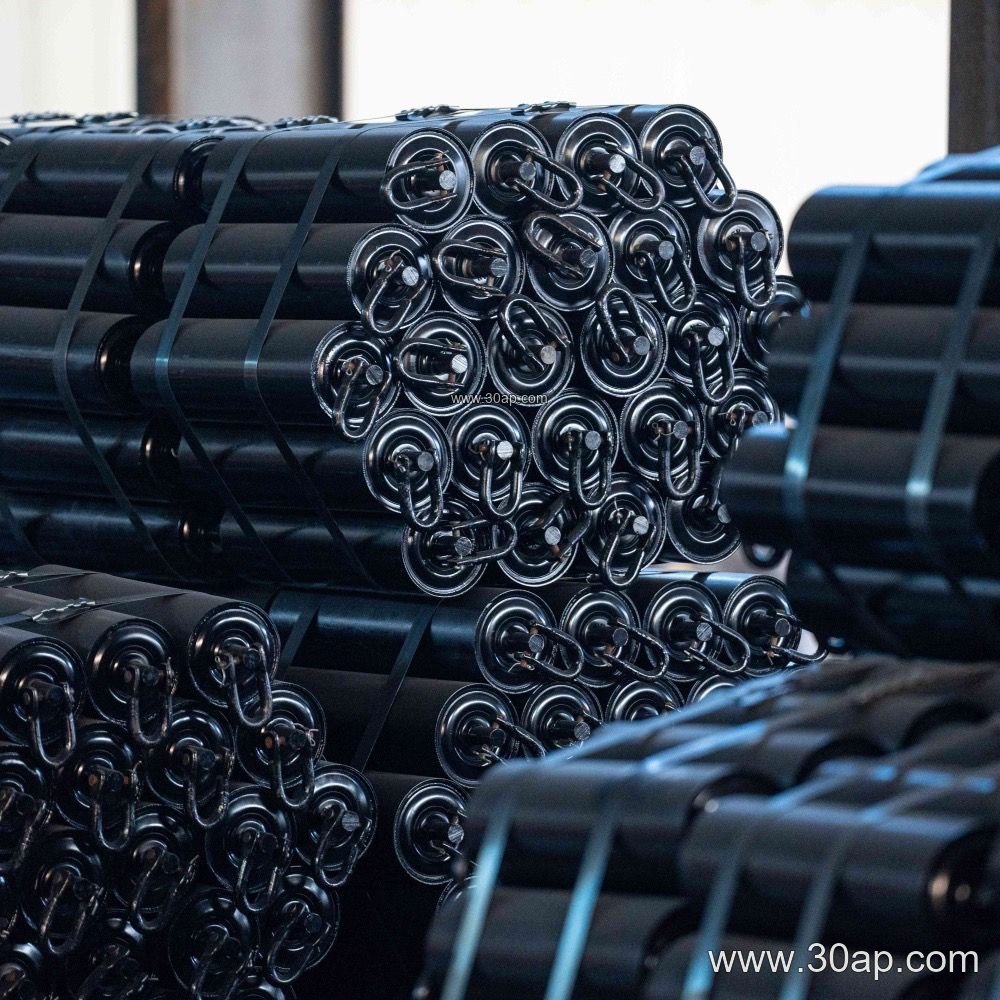
How the Roller Is Built
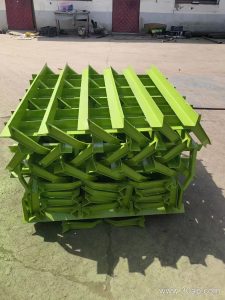
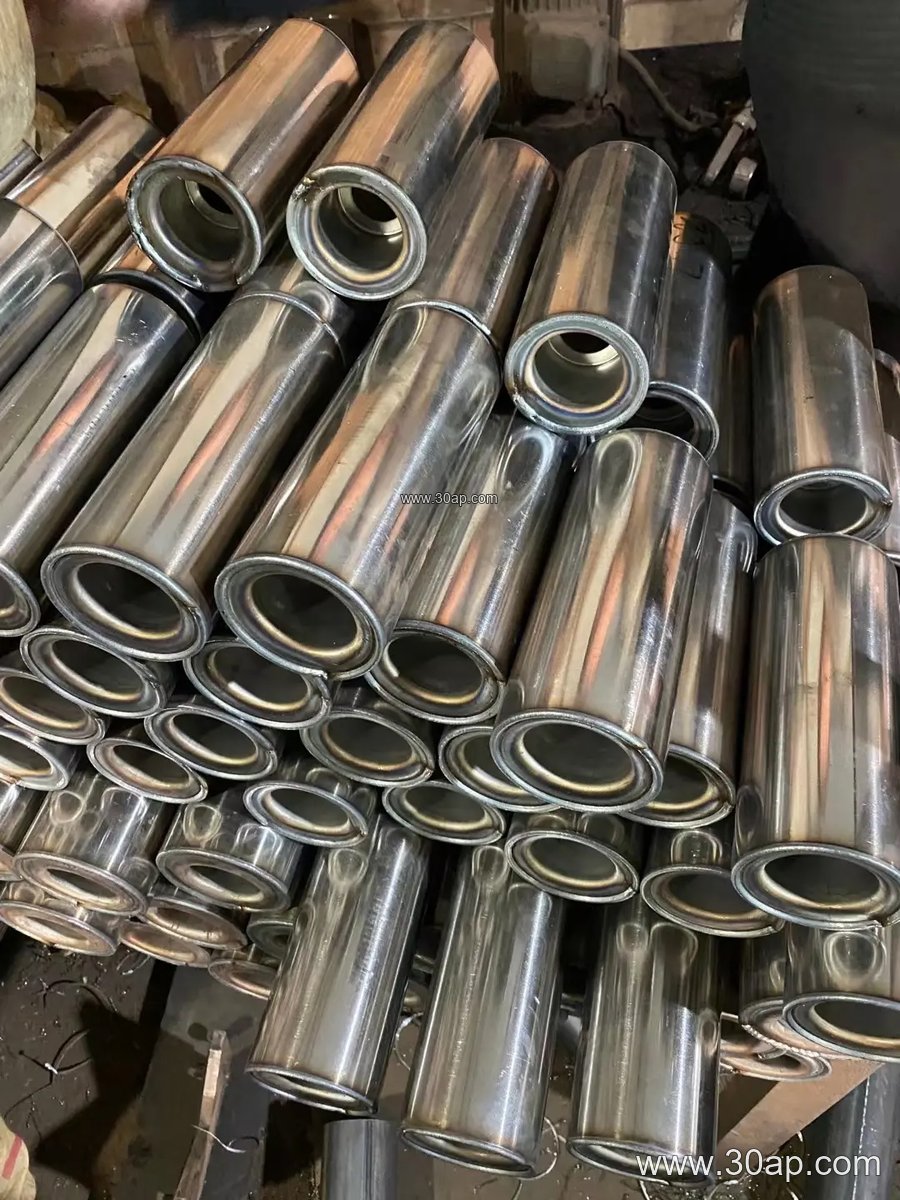
A typical large-diameter idler combines a thick-walled steel tube, welded end discs, a through shaft, sealed bearing housings and a surface finish suited to the duty. Common shell materials include plain steel, nylon, ceramic and rubber rings. Bearing selection usually follows load and speed rather than diameter alone; 6205, 6305, 6306, 6308 and 6310 are all seen in this class, and no single bearing number is tied to one shell size.
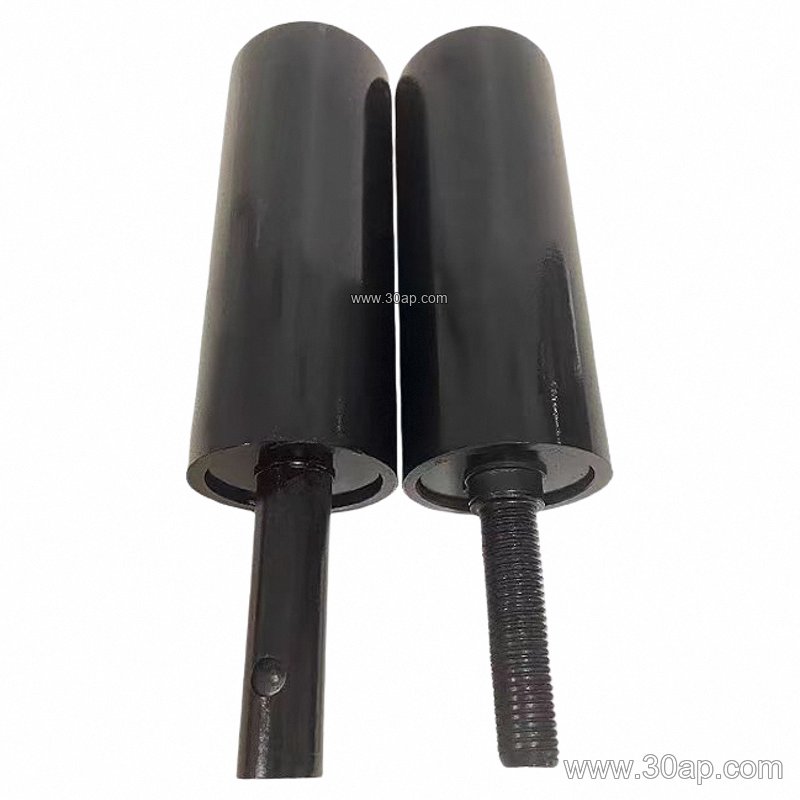
Sealing deserves close attention in dusty service. A quarry or crushing circuit produces fine abrasive dust that reaches bearings through poor labyrinth gaps, while a cement plant adds alkaline powder. Good multi-stage seals, effective grease retention and a machined shaft seat usually matter more than a small price difference between suppliers.
Where the Larger Roller Fits
Heavy-duty mining conveyor belts and high-capacity bulk material conveyor belts are the classic applications. A large-diameter conveyor idler is often used on the carrying side of a main haulage belt in an iron ore mine or copper ore mine, on a power plant coal conveying line, and on long overland runs in a sand and gravel plant. The larger shell reduces revolutions per minute for the same belt speed, which can lower bearing stress and heat build-up on continuous duty.
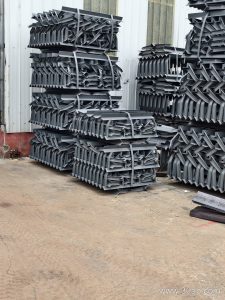
It also suits transition zones and impact areas when paired with rubber-ring cushion rollers. On the return strand, a V-type or flat return roller in a large size helps control belt sag on wide belts. Trough angles of 20, 30, 35 and 45 degrees are common, and the roller length changes with belt width, trough angle and roller set form. For reference, a three-roll trough set might use roughly 315 mm rolls at B800, 465 mm at B1200, 600 mm at B1600 and 750 mm at B2000, though side rolls and centre rolls can differ and final lengths are set by design.
Reference Dimensions for Early Planning
The table below is a starting point for discussion, not a fixed matching rule. Belt width and pulley diameter are independent choices, and shaft diameter must be calculated from actual load, span and bearing selection.
| Item | Common Range or Example | Note |
|---|---|---|
| Shell diameter | Ø159, Ø178, Ø194, Ø219 mm | Upper end of the idler range |
| Belt width | B1000, B1200, B1400, B1600, B1800, B2000, B2200, B2400 | Wide belts benefit most |
| Trough angle | 20°, 30°, 35°, 45° | Selected by material and capacity |
| Roller set | Single, two-roll, three-roll trough | Return side uses flat or V-type |
| Bearing | 6205, 6305, 6306, 6308, 6310 | Confirm by load and speed |
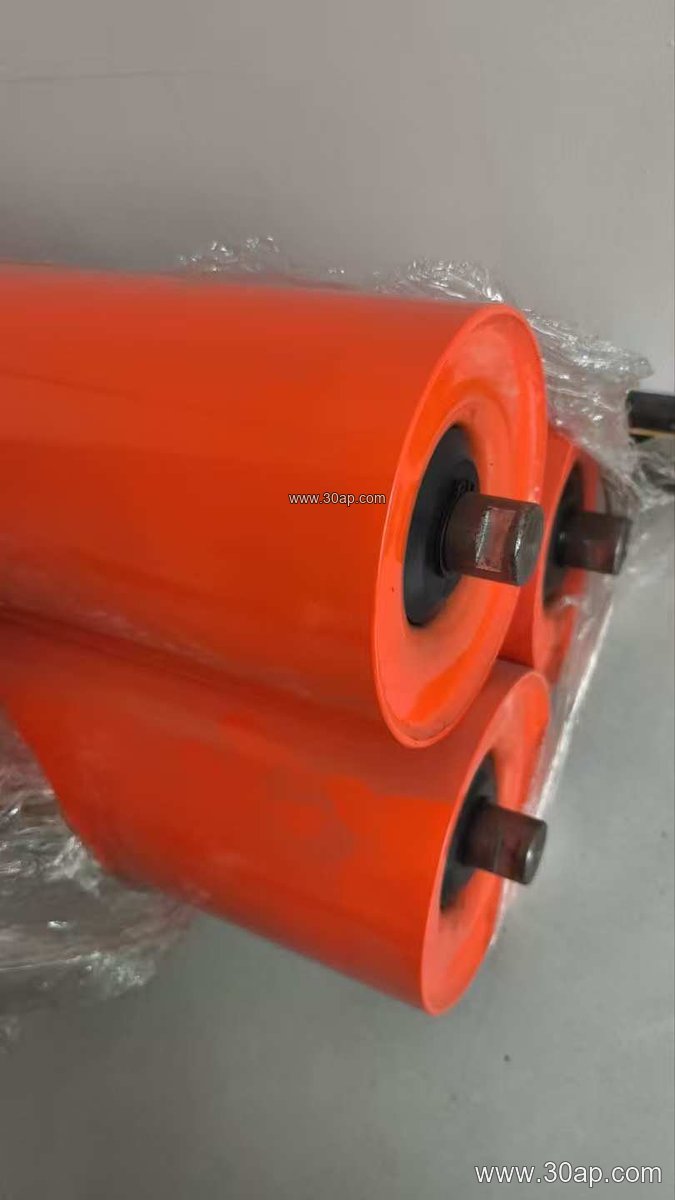
| Surface | Steel, nylon, ceramic, rubber ring | Rubber rings for impact zones |
Buyer Checklist
- Confirm the actual belt width, belt speed and material density before choosing a shell diameter.
- Ask for the shaft diameter calculation and bearing life basis, not just a catalogue number.
- Match the seal design to the site: dust, moisture, washdown or heat.
- Check mounting dimensions against the existing conveyor bracket and frame spacing.
- For abrasive duty, consider a high abrasion resistant conveyor belt and rollers with hardened or ceramic surfaces together, since wear is a system issue.
- Keep spare rollers from the same production batch where possible to simplify replacement.
On a coal mining conveyor belt or an underground coal mining conveyor belt, flame retardant conveyor belt and anti-static conveyor belt requirements usually dominate the belt specification, but the idler still has to handle dust, moisture and misalignment. Alignment rollers and friction alignment rollers are worth considering on long runs where belt wander is a recurring problem.
Finally, treat the large-diameter roller as part of the whole conveyor: the belt, the conveyor pulley, the conveyor bracket and the roller set interact. A well-chosen idler roller with a poor frame fit will still run badly. Buyers who compare shell thickness, seal quality and shaft tolerance, not only diameter, usually get the longer service life they are paying for. More reference information on rollers, belts and pulleys is available through the site’s technical pages.