What a Trough Idler Bracket Does
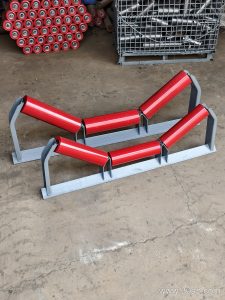
A trough idler bracket is the structural component that holds the idler rollers in a trough shape so the conveyor belt can carry bulk material without spilling. Often called a troughing idler frame or troughing bracket, this part positions three or more rollers at a defined trough angle. It bolts to the conveyor frame and keeps each idler roller at the correct height and angle relative to the belt. Without a properly aligned bracket, the belt may sag, track poorly, or lose material along the route.
How the Bracket Is Built
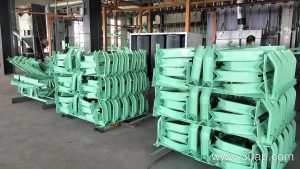
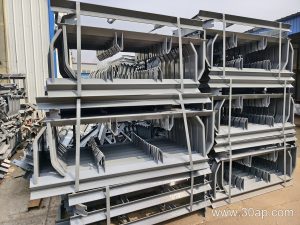
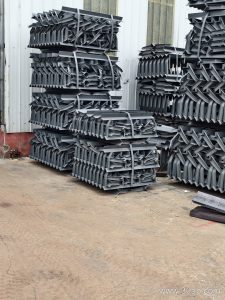
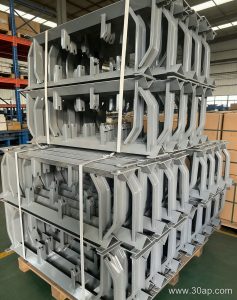
Most trough idler brackets are fabricated from angle steel, channel steel, or folded steel plate. The fabrication method depends on the load and belt width. A common design uses a bent steel channel with welded or bolted roller mounting pads. Slots or holes allow the rollers to sit at the intended trough angle. Some brackets include adjustable positions so the same frame can be set to different trough angles during installation. Surface treatment usually includes painting or galvanizing for corrosion resistance in dusty or wet conditions.
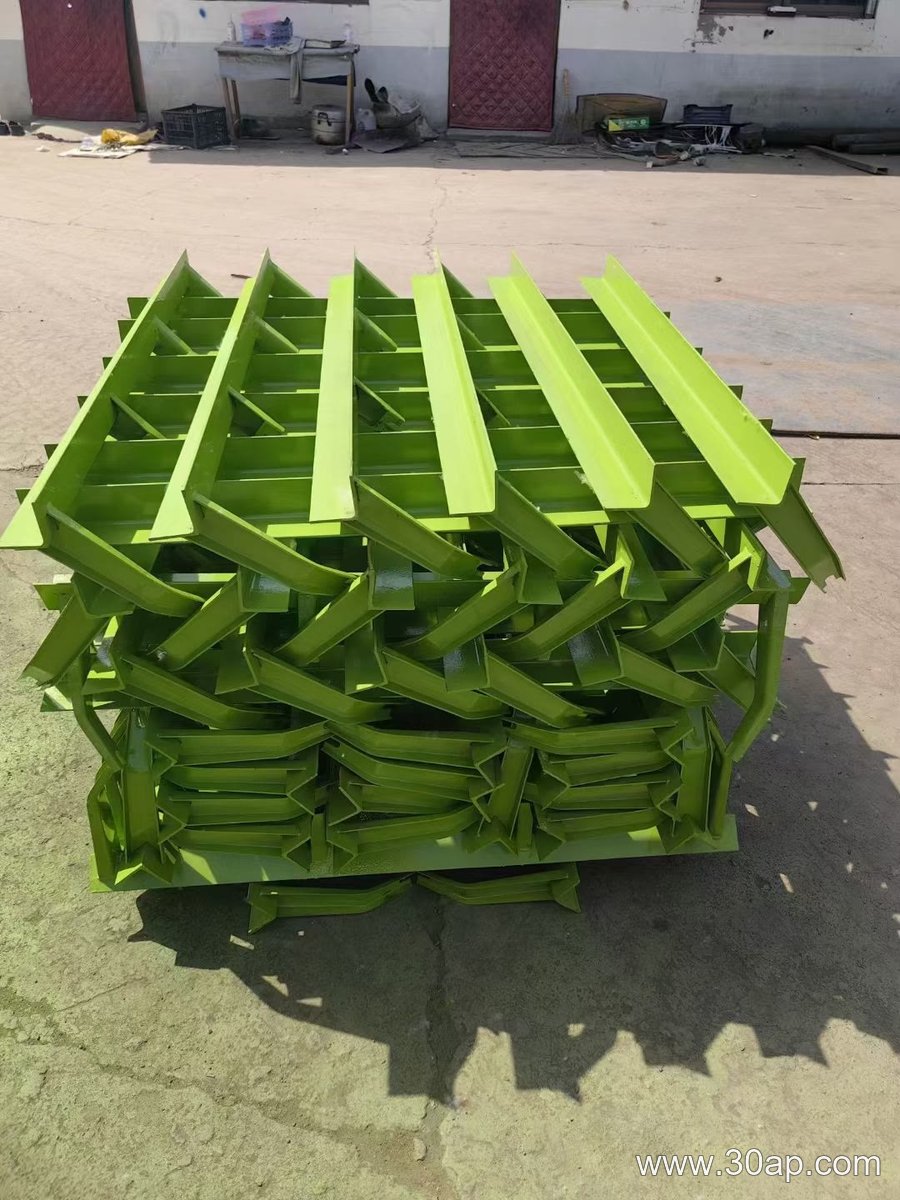
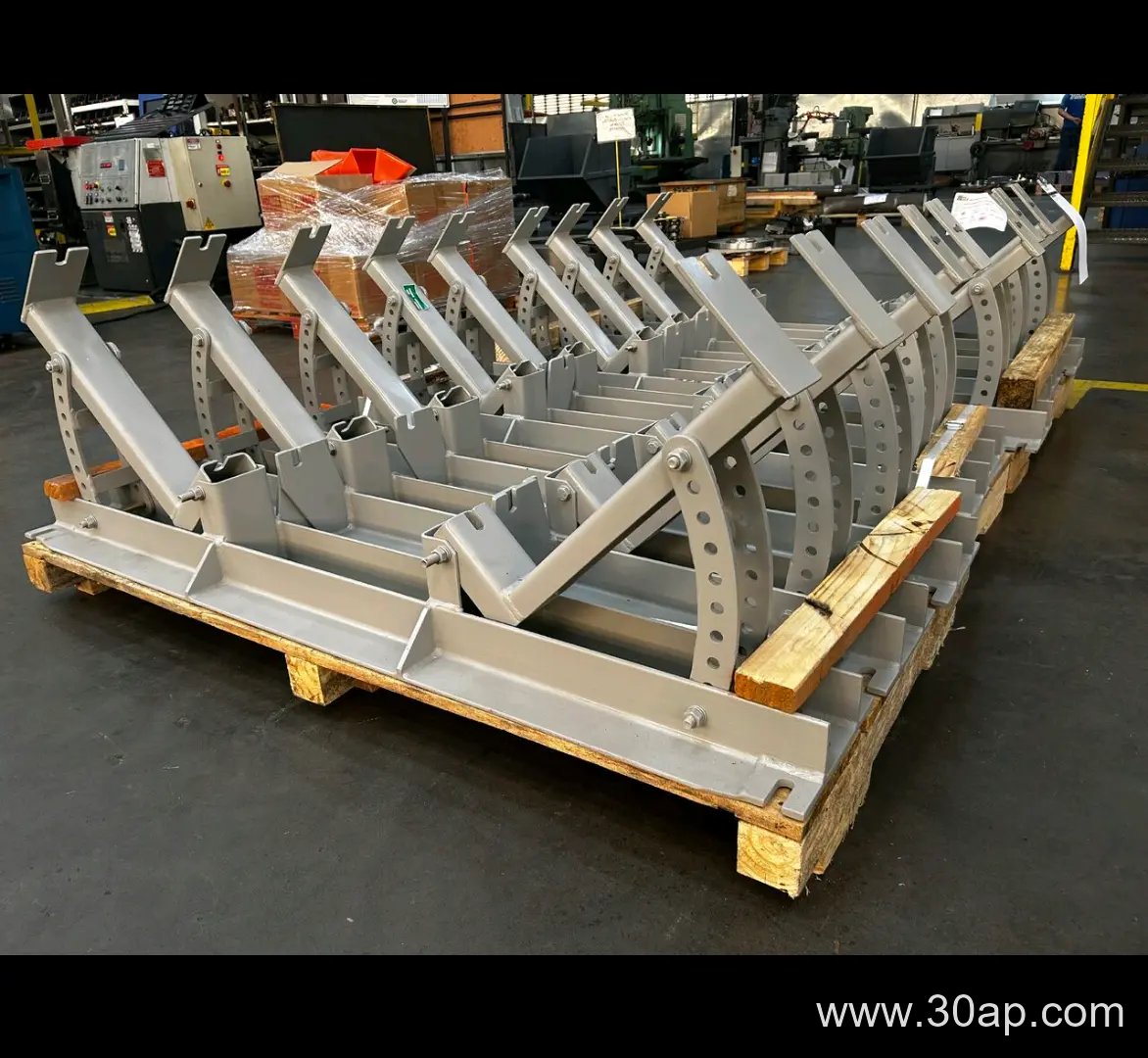
Trough Angle and Roller Fit
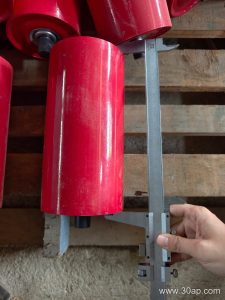
The trough angle is one of the most important choices for a trough idler bracket. Common trough angles include 20, 30, 35, and 45 degrees. A 20-degree bracket suits flat or lightly loaded belts, while a 45-degree bracket gives deeper material containment for high-capacity lines. Adjustable brackets can be set between these values, which helps when the material characteristics change over time. The roller diameter must also match the bracket. Typical idler roller diameters include Ø89, Ø108, Ø133, Ø159, and Ø194. A B800 belt with a 35-degree trough angle and Ø108 rollers is one possible combination, but it is not the only one. Belt width, trough angle, and roller diameter are selected together based on the conveyor design, not as a fixed rule.
Where It Fits on the Conveyor
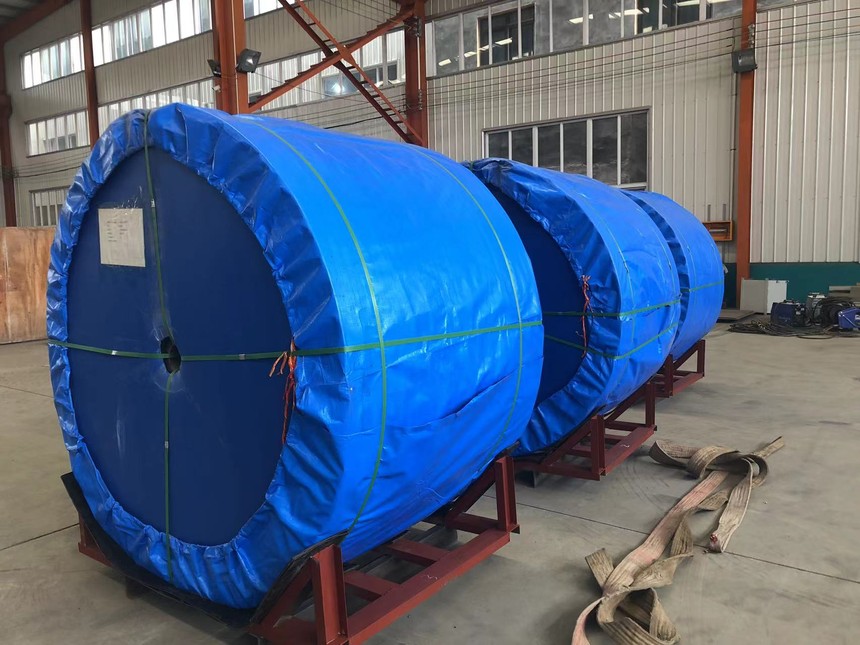
A trough idler bracket is usually installed on the carrying side of a conveyor, between the drive pulley and the tail pulley. It works together with the conveyor belt and the idler rollers to form a stable trough. In a quarry or a coal handling plant, these brackets are placed at regular intervals along the conveyor frame. On the return side, a different bracket type, such as a flat return bracket or a V-return bracket, is used instead. Drive pulleys, tail pulleys, and bend pulleys serve different functions and are not interchangeable with trough idler brackets. A transition bracket may be used near a pulley to gradually change the belt shape.
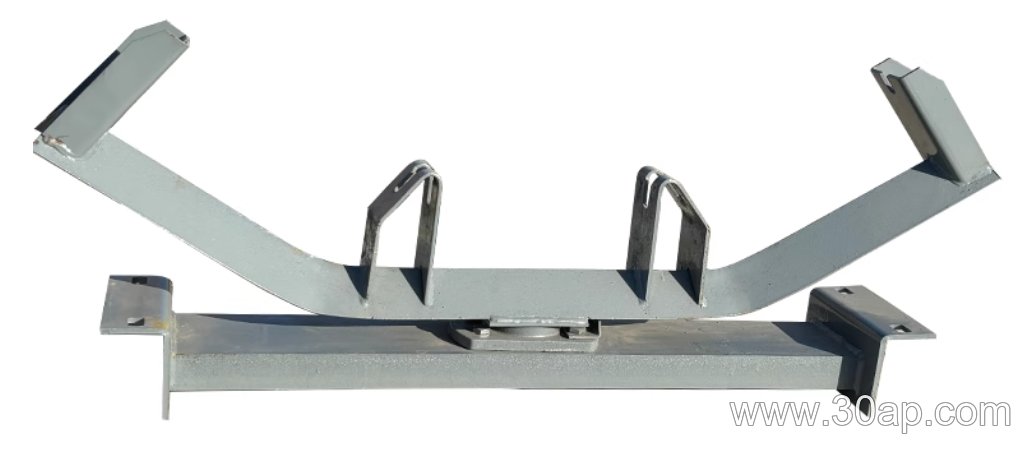
Types and Variations
Several bracket forms exist for different duties. A fixed troughing bracket holds a set trough angle. An adjustable bracket lets maintenance staff change the angle to reduce spillage or improve belt training. A garland or suspended bracket uses flexible connections and can absorb shock loading. A self-aligning bracket includes side rollers that help correct belt misalignment. A buffer bracket uses impact-resistant rollers for loading zones. Each type is chosen for the specific problem it solves, not simply as a replacement for another bracket type.
What Buyers Should Check
When selecting a trough idler bracket, confirm the belt width, the required trough angle, and the roller diameter. Standard belt widths range from B500 to B2200, but the bracket mounting hole spacing and beam length vary with the belt width and trough angle. Do not assume that a B1000 bracket will fit every B1000 conveyor. Check the conveyor frame dimensions and the existing bolt pattern. Also consider the material being carried. Abrasive or heavy material may require a stronger bracket or a different roller arrangement. For maintenance, keep spare brackets on hand because a bent or worn bracket can cause the belt to mistrack and damage the idler roller. A accurate bracket keeps the conveyor belt running smoothly and reduces downtime.