What a Three-Roll Idler Bracket Does
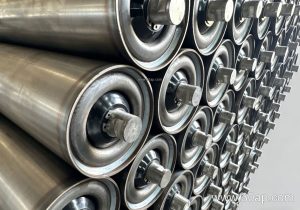
A three-roll idler bracket, also called a troughing idler support or three-roll troughing bracket, holds the three idler rollers that shape a conveyor belt into a trough. It is the structural link between the conveyor frame and the idler roller set, and it directly affects belt tracking, material containment, and the service life of the idler roller. In quarry and aggregate lines, cement plants, and coal mining operations, this bracket is a common sight along the carrying side of the conveyor.
The bracket is not a pulley. Drive pulleys, tail pulleys, and bend pulleys serve different functions at the ends and curves of the conveyor, and they are not interchangeable with idler brackets. The three-roll idler bracket belongs to the idler support family, together with return brackets, impact brackets, and self-aligning brackets.
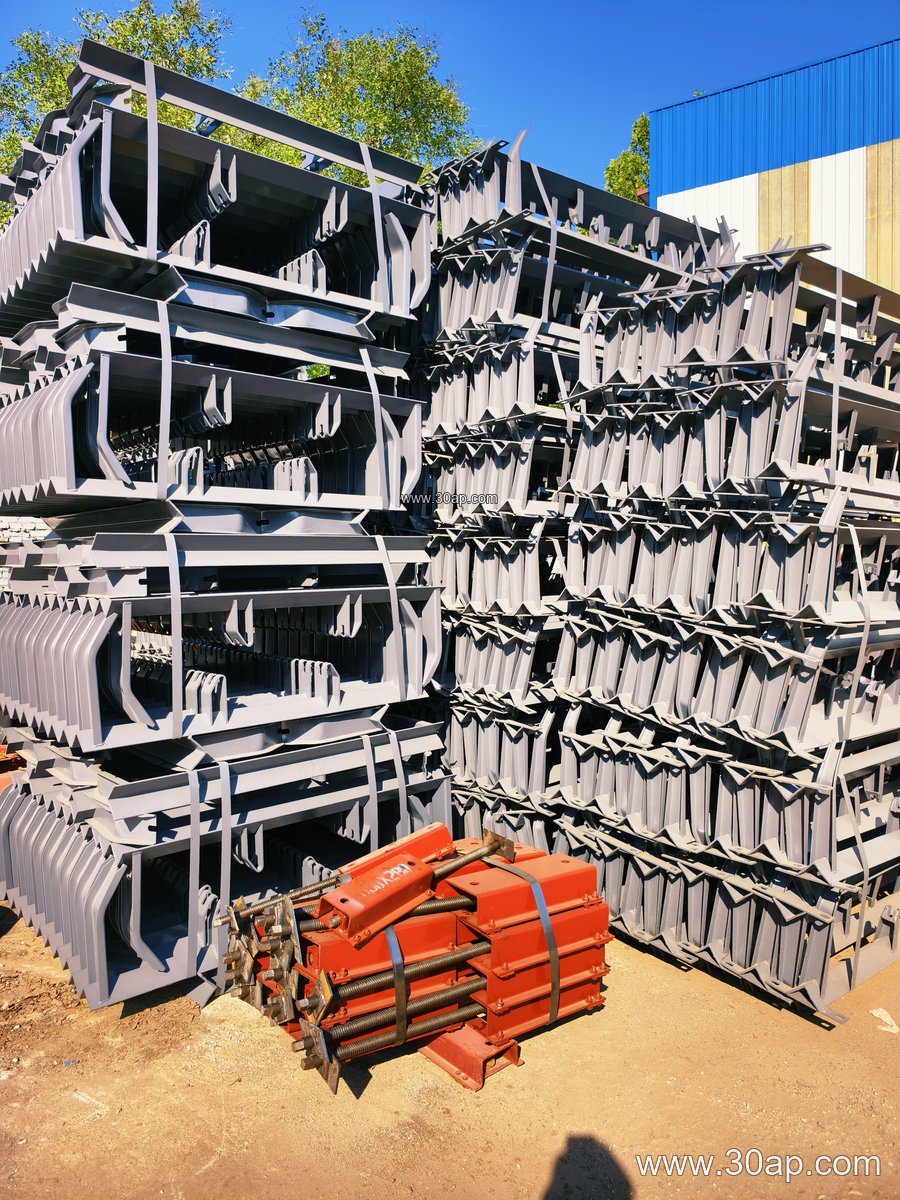
How the Bracket Is Built
Most three-roll idler brackets are fabricated from angle steel, channel steel, or bent steel plate. The center roll sits lower than the two side rolls, creating the trough angle that keeps bulk material centered on the conveyor belt. Common trough angles are 20, 30, 35, and 45 degrees, and adjustable brackets can be set between these angles to suit different materials and belt widths.
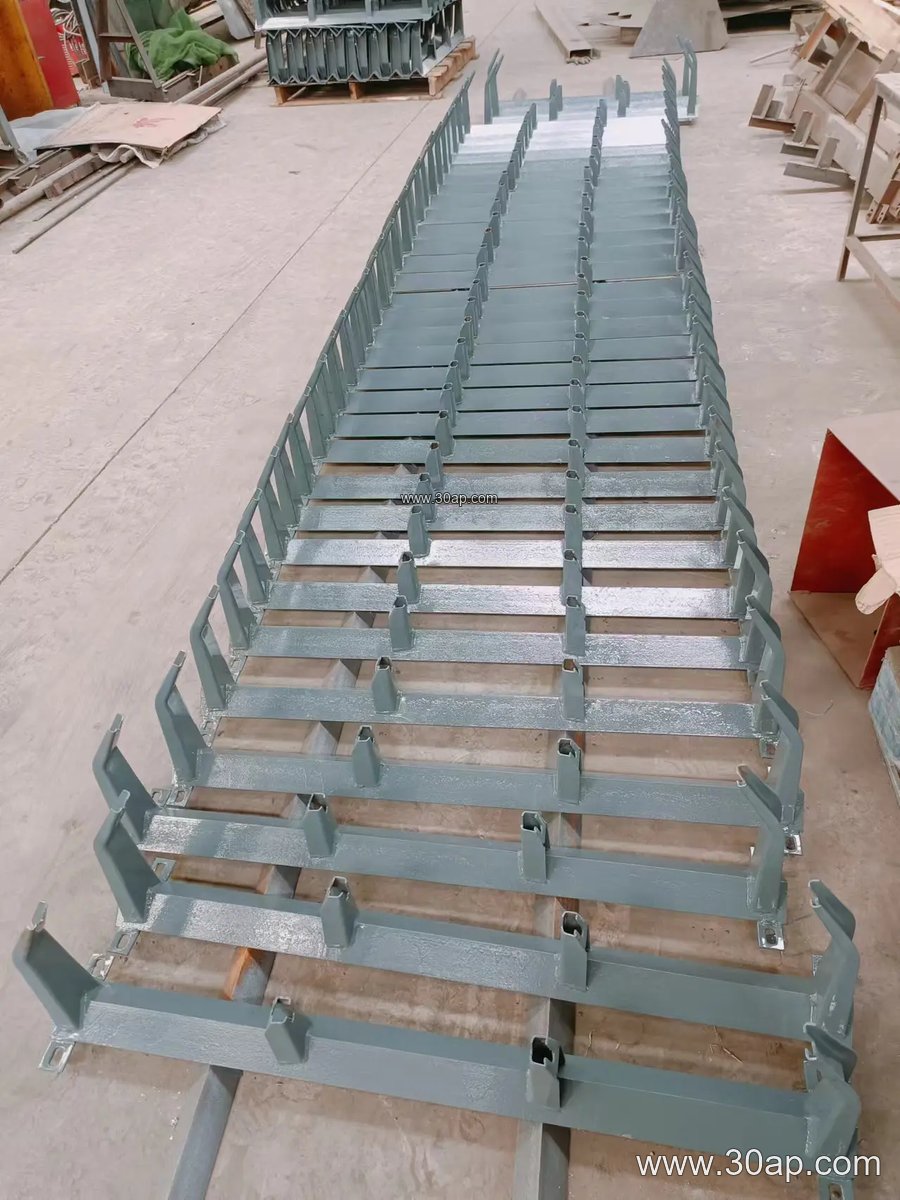
Mounting hole spacing and crossbeam length are determined by belt width and trough angle, so they are not fixed numbers. A bracket for a B800 belt at 35 degrees will not match a B1200 frame at 45 degrees. Some designs include a forward tilt of about 1.5 to 2 degrees on the side rolls to help with belt training, and these are often called forward-tilt brackets.
Where It Fits on the Conveyor
The three-roll idler bracket is used on the carrying side of a belt conveyor, typically in the transition zone after the tail pulley and along the main run. In a coal mining conveyor or underground coal mining conveyor, it supports the loaded belt and helps contain coal dust and fines. In a cement plant or power plant coal handling system, it keeps clinker, limestone, or coal centered on the belt.
Other bracket types serve different positions. Return brackets support the empty belt on the return side, impact brackets absorb shock at loading points, and self-aligning brackets correct belt misalignment. These are not replacements for the three-roll idler bracket but complementary components in the same conveyor system.
Matching Bracket, Roller, and Belt
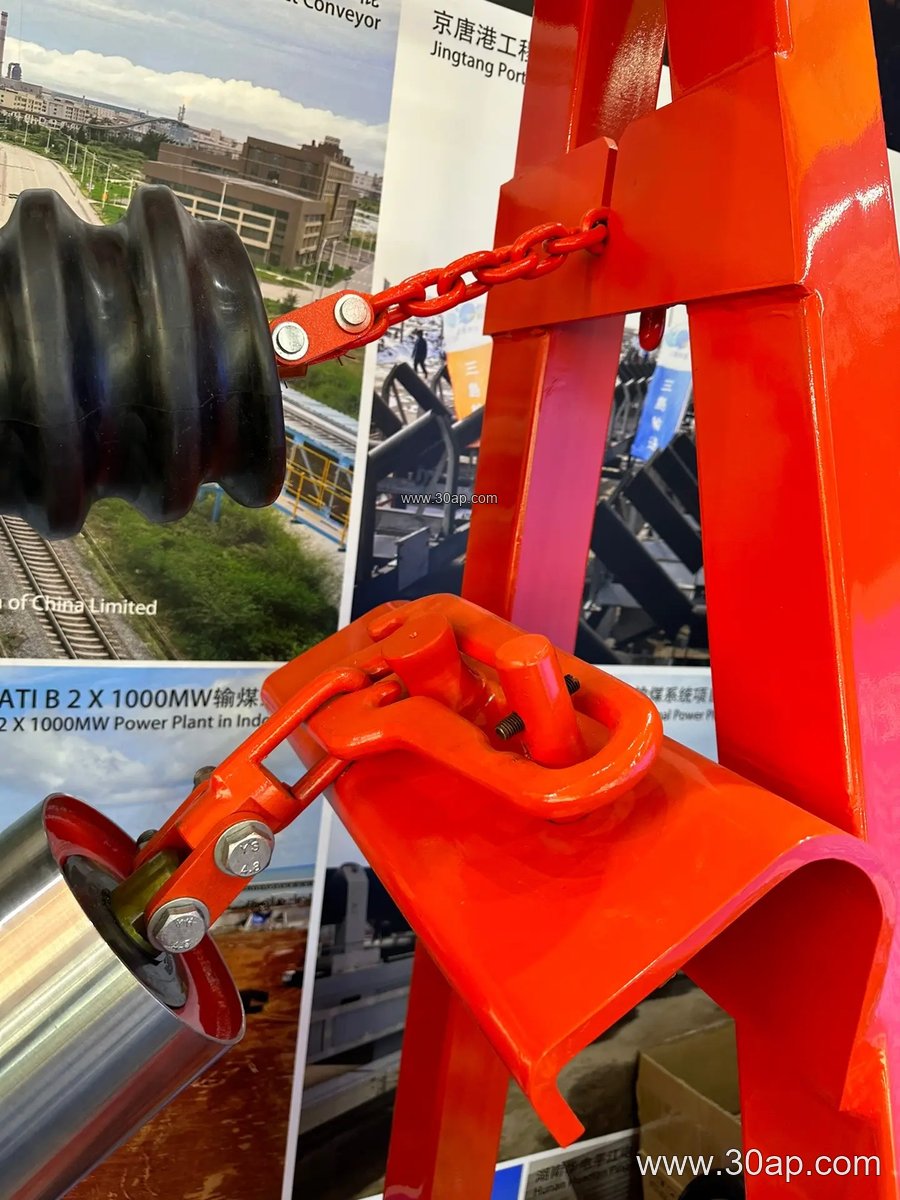
Selection starts with belt width and roller diameter. Common roller diameters include Ø89, Ø108, Ø133, Ø159, and Ø194. A B650 belt at 30 degrees might use Ø89 rollers, while a B1200 belt at 45 degrees often uses Ø133 rollers. These are examples, not fixed rules; the final combination depends on load, belt speed, and material characteristics.
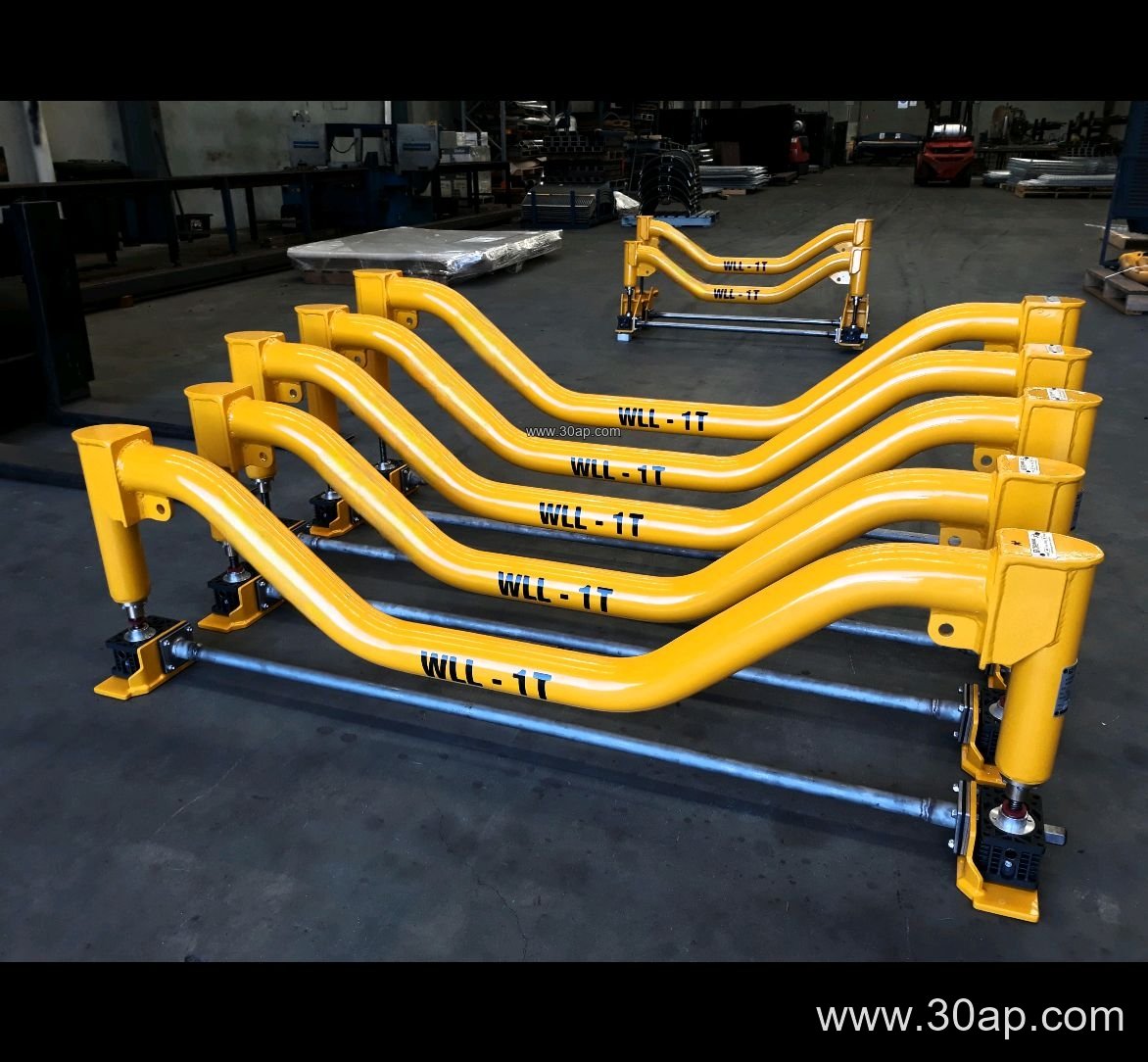
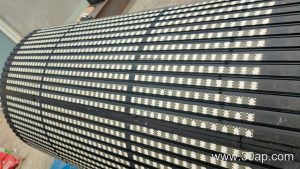
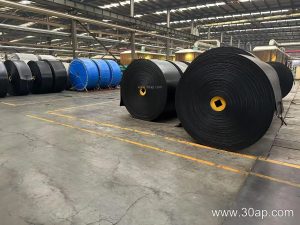
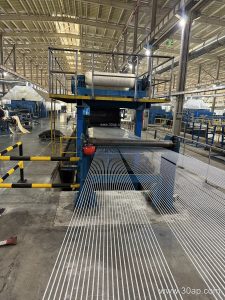
The conveyor belt itself also matters. A heavy-duty mining conveyor belt or high abrasion resistant conveyor belt needs a robust bracket and roller set. An EP conveyor belt or steel cord conveyor belt may run at higher tension, which influences the frame design rather than the bracket alone. The bracket should match the idler roller and the conveyor bracket layout specified for the conveyor.
| Belt Width | Common Trough Angle | Common Roller Diameter |
|---|---|---|
| B500 | 20–30 degrees | Ø89 |
| B650 | 30 degrees | Ø89–Ø108 |
| B800 | 30–35 degrees | Ø108 |
| B1000 | 35 degrees | Ø108–Ø133 |
| B1200 | 35–45 degrees | Ø133 |
| B1400 | 35–45 degrees | Ø133–Ø159 |
| B1600 | 35–45 degrees | Ø159 |
| B1800 | 45 degrees | Ø159–Ø194 |
| B2000 | 45 degrees | Ø194 |
The values above are typical references, not universal specifications. For a quarry conveyor belt or aggregate conveyor belt, a 35-degree bracket with Ø133 rollers is common, but an iron ore conveyor belt may call for a heavier frame and larger roller diameter.
Buyer Checklist for Three-Roll Idler Brackets
- Confirm belt width, trough angle, and roller diameter as a set, not in isolation.
- Ask for mounting hole spacing and crossbeam length drawing for the specific frame.
- Check material thickness and finish for the environment: dusty coal mining, wet aggregate, or high-temperature cement service.
- Decide between fixed and adjustable brackets based on whether the trough angle may need changing.
- Verify compatibility with the idler roller and conveyor bracket already in use, and keep spare brackets for wear points.
For belt conveyor systems in mining, cement, power, and port applications, the three-roll idler bracket is a small but critical part. Matching it correctly to the belt, roller, and frame keeps the conveyor belt tracking well and reduces downtime.