What a Heavy-Duty Ceramic Lagged Pulley Is
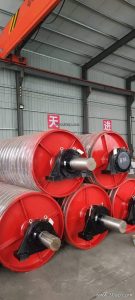
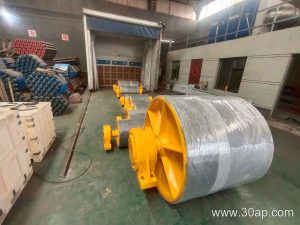
A heavy-duty ceramic lagged pulley is a conveyor pulley whose shell is covered with a rubber lagging that has hard ceramic tiles embedded in a checkerboard pattern. The pulley itself is usually a drive pulley or head pulley, but the ceramic surface is also applied to bend and tension positions where grip and wear life matter. In a quarry, a cement clinker line, or a power plant coal yard, this covering is chosen when ordinary smooth or plain rubber lagging slips or wears out too quickly under a gritty, wet load.
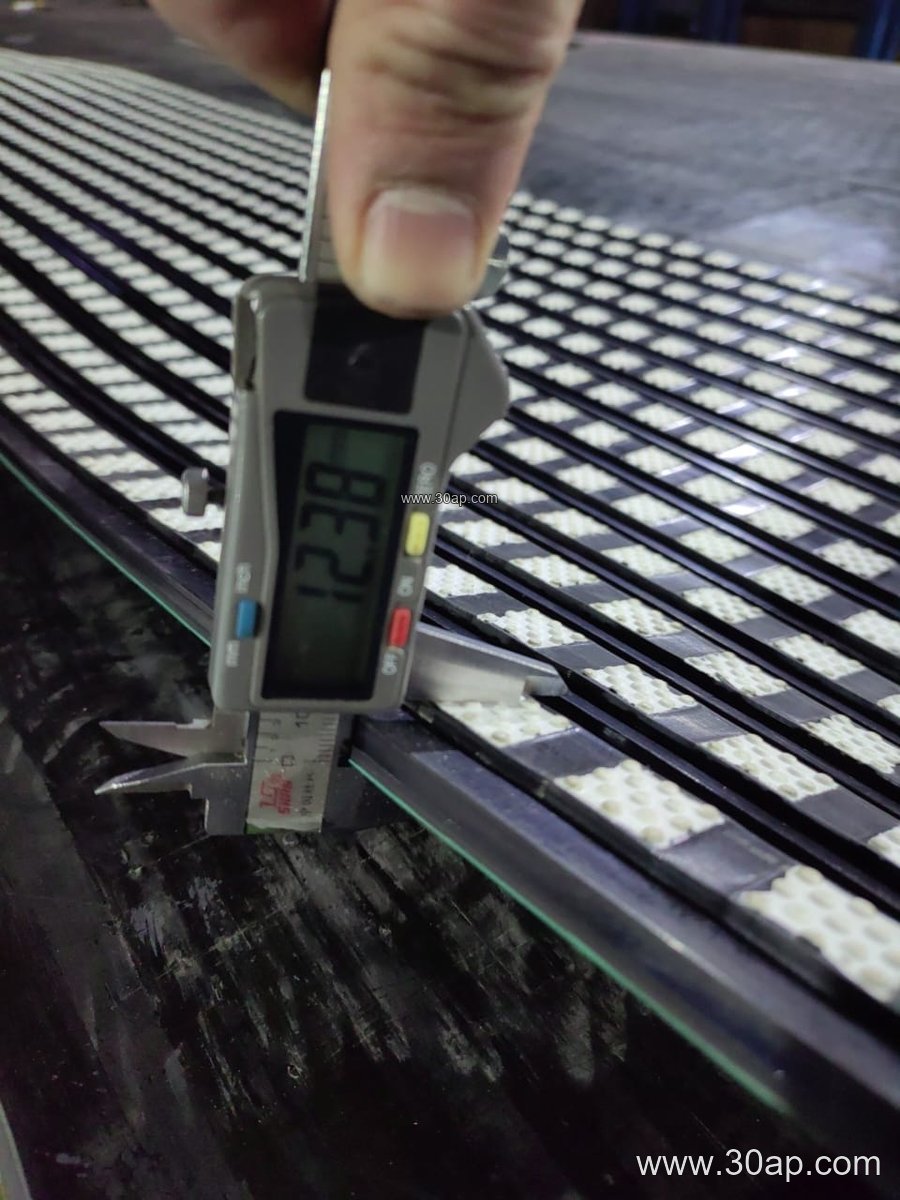
The ceramic tiles sit slightly proud of the rubber. They press into the underside of the conveyor belt and push water and fines away from the contact patch, so the friction coefficient stays higher than a plain rubber surface. This is why the ceramic version is often specified for heavy-duty mining conveyor belts and other high-tension drives.
Construction Details That Matter
There is no single recipe, but a typical build includes a thick steel shell, welded end discs, a machined shaft, and a lagging layer bonded to the shell. The ceramic tiles are usually alumina based, set into the rubber during vulcanization or bonded in a cold process. Common lagging thicknesses are 8, 10, 12, 15, and 20 mm, and the tile pattern is normally diamond or square. Larger tiles and thicker rubber suit bigger belt tensions and coarser material.
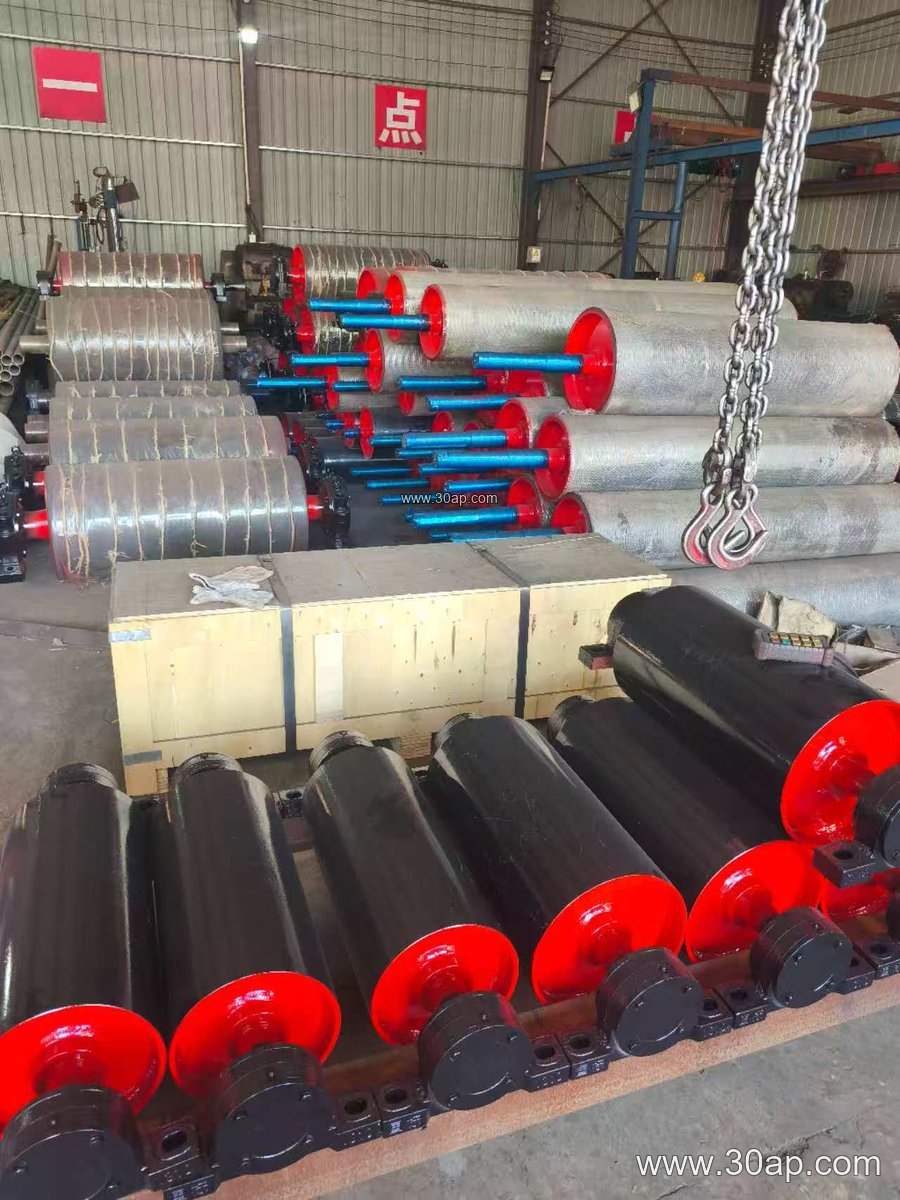
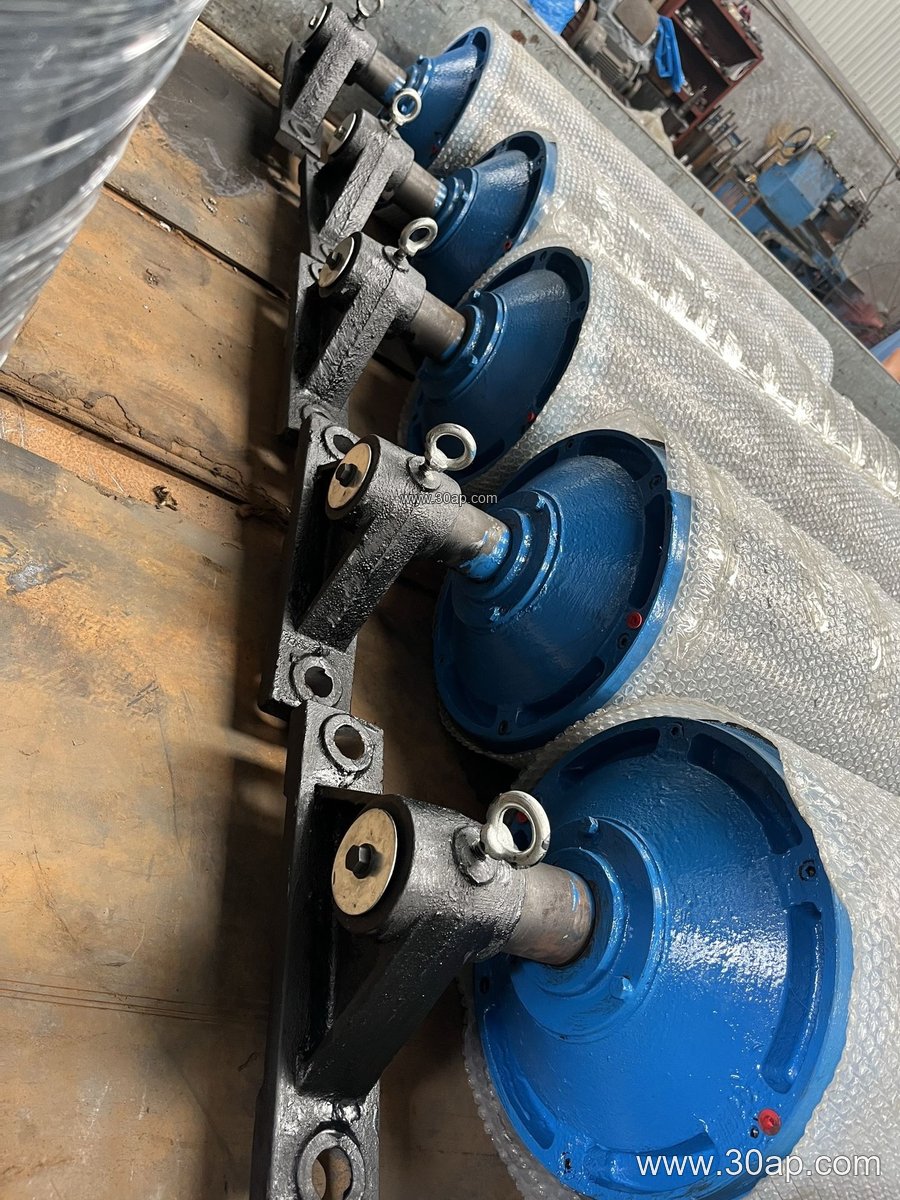
The shell diameter is selected from torque and belt tension, not from belt width alone. A B800 system might use a Ø500 or Ø630 drive pulley, while a B1400 conveyor could need a Ø800 or Ø1000 drum. Shaft diameter follows the same logic: common sizes run from Ø50 to Ø200, but the final figure is fixed by load and bearing selection.
Where It Fits on the Conveyor
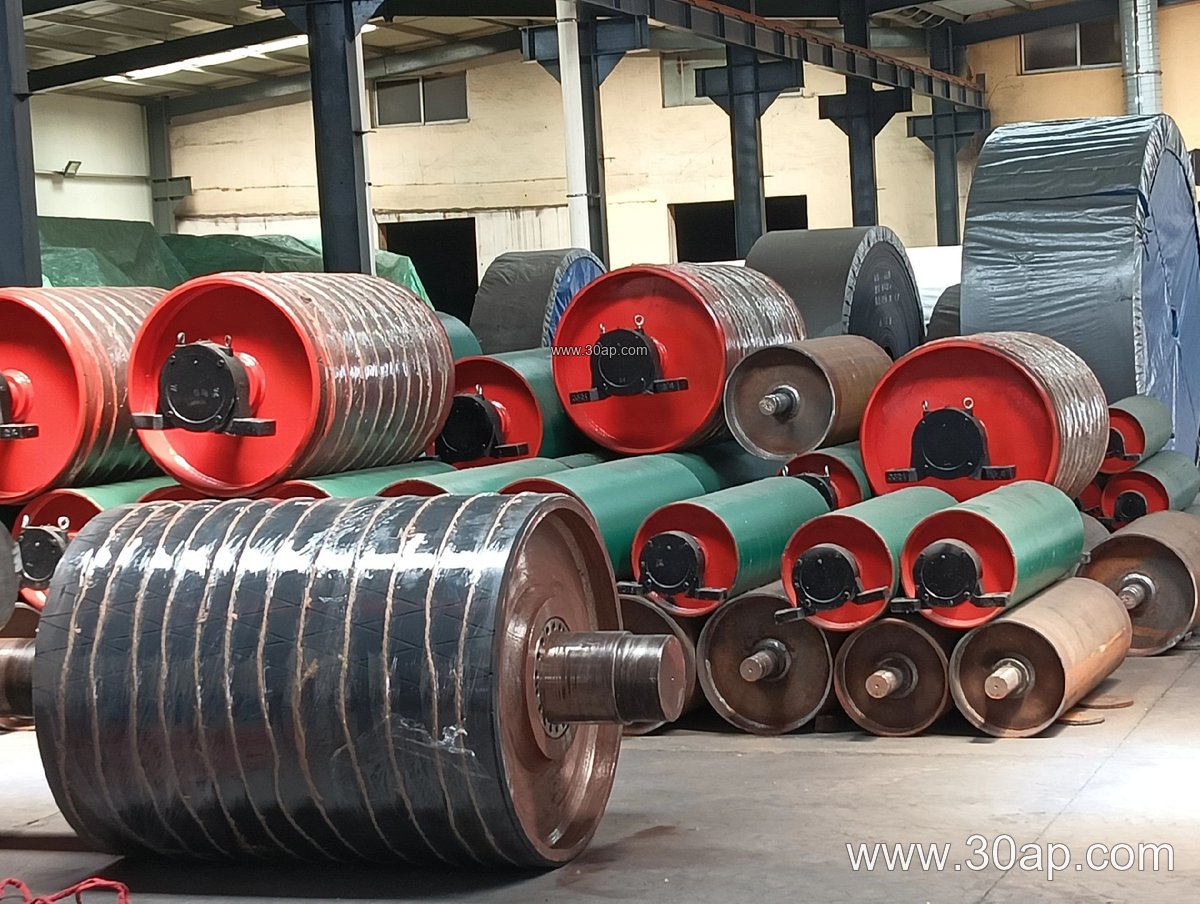
The drive pulley and the head pulley do the heavy pulling, and they are the most common homes for ceramic lagging. A bend pulley or a tension pulley may also be ceramic lagged when the belt wraps a large arc and the surface must resist polishing and slip. Tail pulleys are less often specified this way because they see the dirty side of the belt, but a ceramic lagged tail pulley can make sense in a wet, abrasive sand and gravel line.
Ceramic lagging is not a substitute for correct belt selection. A steel cord conveyor belt, an EP conveyor belt, or a multi-ply fabric core conveyor belt each has a different underside and stiffness, and the lagging must match the belt’s cover compound and the actual wrap angle. In coal mining and underground coal mining conveyor systems, flame retardant conveyor belt and fire resistant conveyor belt grades are usually required, and the lagging specification should be reviewed together with the belt.
Typical Sizes and Surface Options
The table below shows common reference values; final sizes are confirmed by design.
| Parameter | Common reference values |
|---|---|
| Belt width | B400, B650, B800, B1000, B1200, B1400, B1600, B1800, B2000 |
| Pulley diameter | Ø250, Ø315, Ø400, Ø500, Ø630, Ø800, Ø1000, Ø1250, Ø1400 |
| Lagging thickness | 8, 10, 12, 15, 20 mm |
| Shell face width | Usually wider than the belt, e.g. B800 about 950 mm, B1200 about 1400 mm |
| Shaft diameter | Ø50 to Ø200, set by torque and load |
Surface forms include plain rubber, diamond lagging, herringbone lagging, and ceramic lagging. Ceramic is the most aggressive on grip and wear resistance, but it is also harder on the belt cover, so it suits abrasion resistant conveyor belt grades better than thin, soft covers.
Buyer Checklist
- Confirm the pulley position: drive, head, bend, or tension. Each position carries different loads.
- Match lagging thickness and tile size to belt tension and material abrasiveness.
- Check that the conveyor belt grade, such as abrasion resistant conveyor belt or heat resistant conveyor belt, is compatible with the ceramic surface.
- Verify shaft diameter, bearing size, and hub design against the actual torque.
- Ask about tile retention and rubber hardness, since poor bonding shortens service life.
A ceramic lagged pulley is a wear part, not a one-time purchase. Inspect tile loss and rubber cracking during scheduled shutdowns, and keep a spare lagging kit for critical drives in a crusher conveyor belt circuit or a ship loading conveyor belt line. For more conveyor pulley and conveyor bracket options, visit www.myconveyorpart.com.