What a Steel Idler Does on a Conveyor
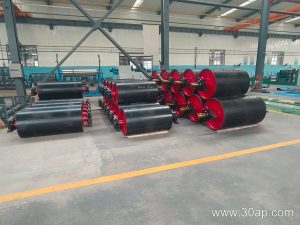
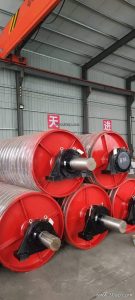
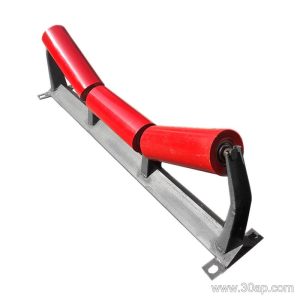
A steel idler is the rotating roller that supports the conveyor belt along its carrying and return runs. In a quarry, a coal washing plant or a cement kiln feed line, these rollers carry the weight of the belt and the bulk material while allowing the belt to move with low resistance. The steel idler is distinct from the conveyor pulley at the head, tail or bend of the machine; those pulleys transmit drive power or change belt direction and are not interchangeable with idlers. A conveyor bracket holds each idler assembly in position on the stringer, so the bracket, roller and frame work as one support unit.
Because the idler is a wear part, its construction and fit matter as much as the belt itself. A well matched idler roller helps a Fabric Core Conveyor Belt or a Steel Cord Conveyor Belt run true, while a poor match can cause belt edge damage, spillage and early bearing failure.
How a Steel Idler Is Built
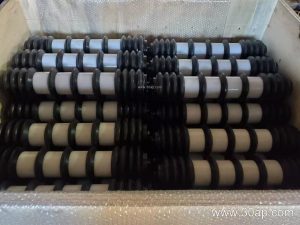
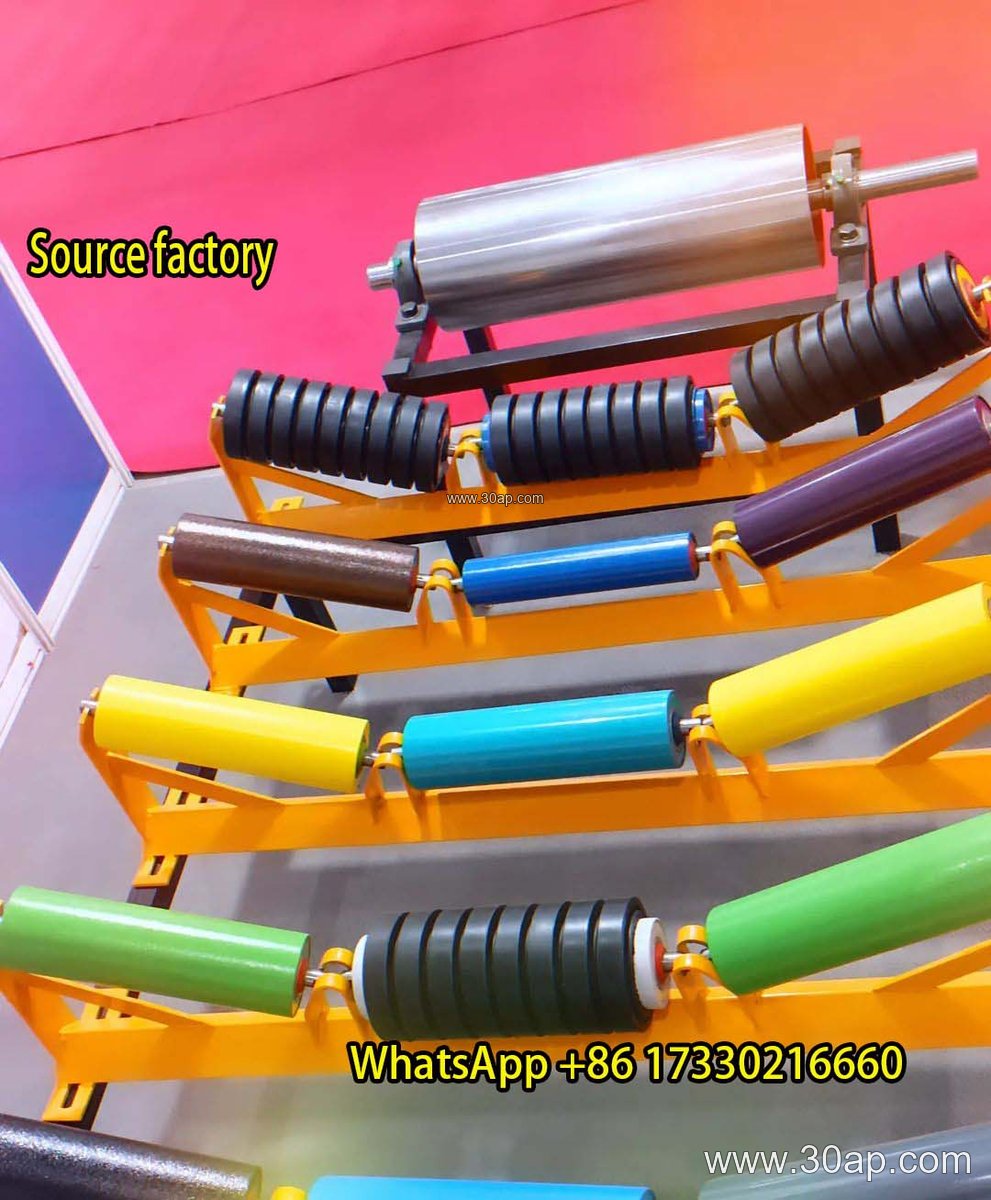
Most steel idlers use a steel tube shell, a shaft, bearing housings and a sealing arrangement. The tube surface may be plain steel, nylon coated, ceramic coated or fitted with rubber rings for impact absorption. Common bearing sizes include 6204, 6205, 6305, 6306, 6308 and 6310, matched to the load and shaft design rather than to belt width alone.
The sealing system is often the difference between long service and frequent replacement. Dust from a crusher discharge, fine limestone or coal dust can enter a poorly sealed bearing and cause seizure. Labyrinth seals, contact seals and grease retention features are therefore worth checking when comparing offers.
- Shell material and wall thickness
- Bearing type and clearance
- Seal design and grease type
- Shaft end machining and fixing method
- Surface form for impact or tracking duty
Common Idler Forms and Where They Sit
Troughing idlers form the carrying run and are usually arranged as a single roller, two-roller or three-roller set. A three-roller troughing set with a 30 degree or 35 degree trough angle is common on bulk material lines, while a 45 degree angle may suit certain high-capacity duties. Transition idlers sit between the tail pulley and the first full troughing set to guide the belt gradually. On the return side, a flat return idler or a V-shaped return roller supports the empty belt.
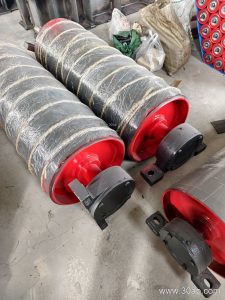
Impact idlers with rubber rings are placed under loading points, such as a crusher discharge or a transfer chute, where a Rock Conveyor Belt or Ore Conveyor Belt receives lump material. Self-aligning idlers, including friction and tapered types, help correct belt tracking on long runs. Spiral idlers can reduce material build-up on the return strand in sticky applications.
Matching Roller Diameter and Belt Width
Roller diameter is selected from the belt speed, load and available space, not from belt width alone. Common diameters include Ø63, Ø76, Ø89, Ø102, Ø108, Ø127, Ø133, Ø159, Ø178, Ø194 and Ø219 mm. Belt widths range from B400 to B2400, and a given belt width can be served by more than one roller diameter depending on the conveyor design.
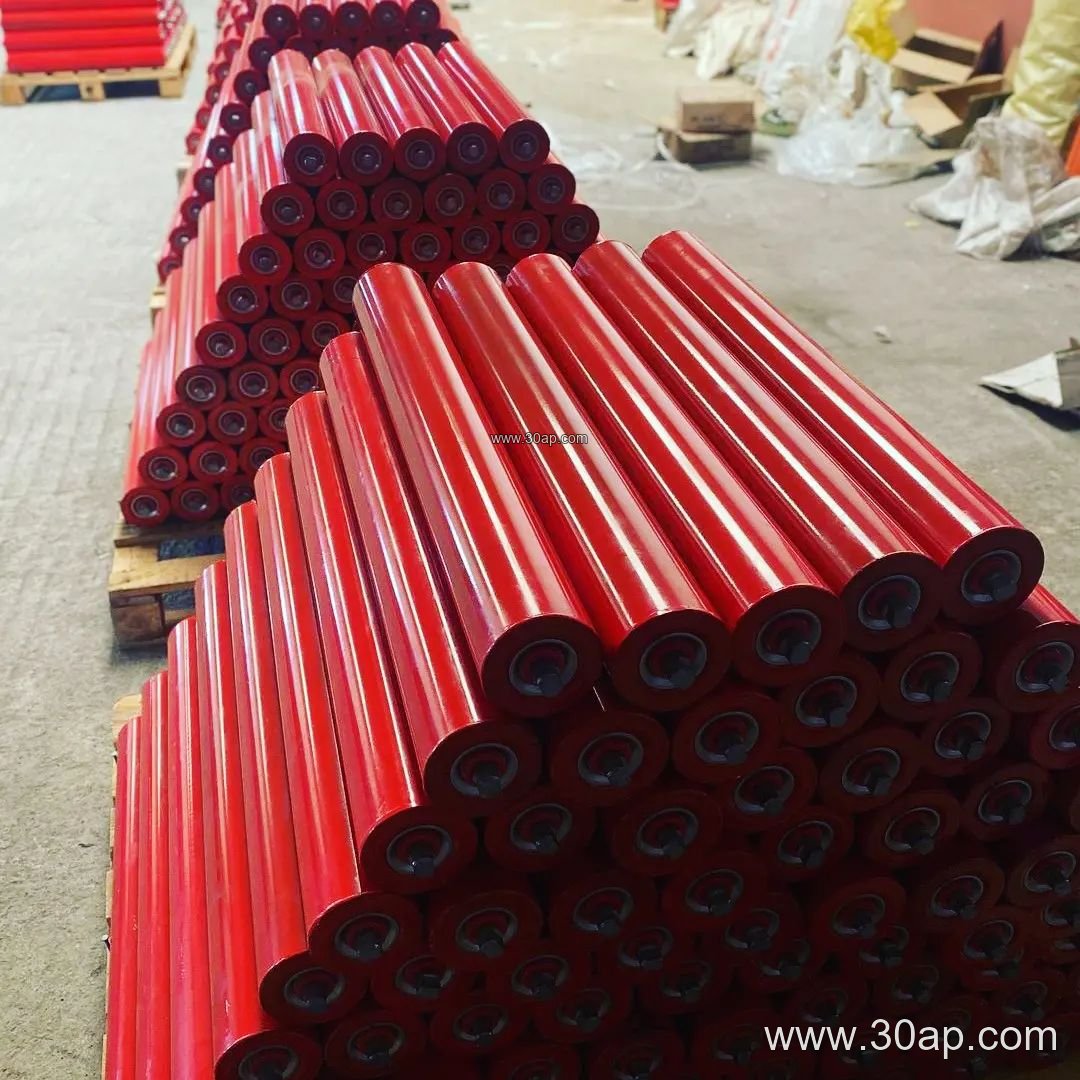
The roller length depends on belt width, trough angle and the number of rollers in the set. For a three-roller troughing set, typical roller lengths are around 200 mm for B500, 250 mm for B650, 315 mm for B800, 380 mm for B1000, 465 mm for B1200, 530 mm for B1400, 600 mm for B1600, 670 mm for B1800 and 750 mm for B2000. These are reference examples only; side rollers and centre rollers may differ, and the final length is set by the conveyor designer.
| Item | Common Reference Range | Note |
|---|---|---|
| Roller diameter | Ø63 to Ø219 mm | Selected by load, speed and space |
| Belt width | B400 to B2400 | No fixed pairing with one diameter |
| Trough angle | 20, 30, 35, 45 degrees | Affects material cross-section |
| Bearing | 6204, 6205, 6305, 6306, 6308, 6310 | Matched to shaft and load |
| Surface | Steel, nylon, ceramic, rubber ring | Rubber ring for impact zones |
Buyer Checklist Before Ordering
Start with the conveyor duty: material type, lump size, belt speed, belt width and the position of each idler. A coal mining conveyor handling wet fines has different needs from a limestone quarry line or a power plant coal feed. Confirm the bracket spacing, shaft end shape and mounting height so the new steel idler fits the existing frame without modification.
Ask for the seal arrangement and bearing brand or grade, since these affect service life. For hot material such as clinker or sinter, consider a Heat Resistant Conveyor Belt running with suitably rated idlers rather than standard rollers. Where the belt is a Chevron Conveyor Belt or a Corrugated Sidewall Conveyor Belt, check that the roller surface and bracket clearance will not interfere with the raised profile.
Finally, keep a small spare stock of the most wearing positions, such as impact and return idlers, and record roller diameter, length and bearing size for each location. This makes replacement straightforward and keeps the conveyor running in aggregate plants, ports and processing lines without long downtime.