What a Conveyor Belt Lagged Pulley Does
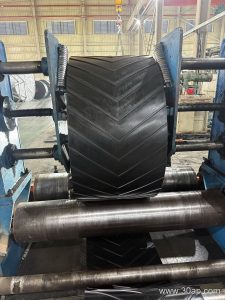
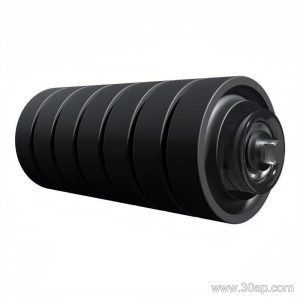
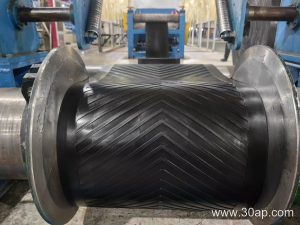
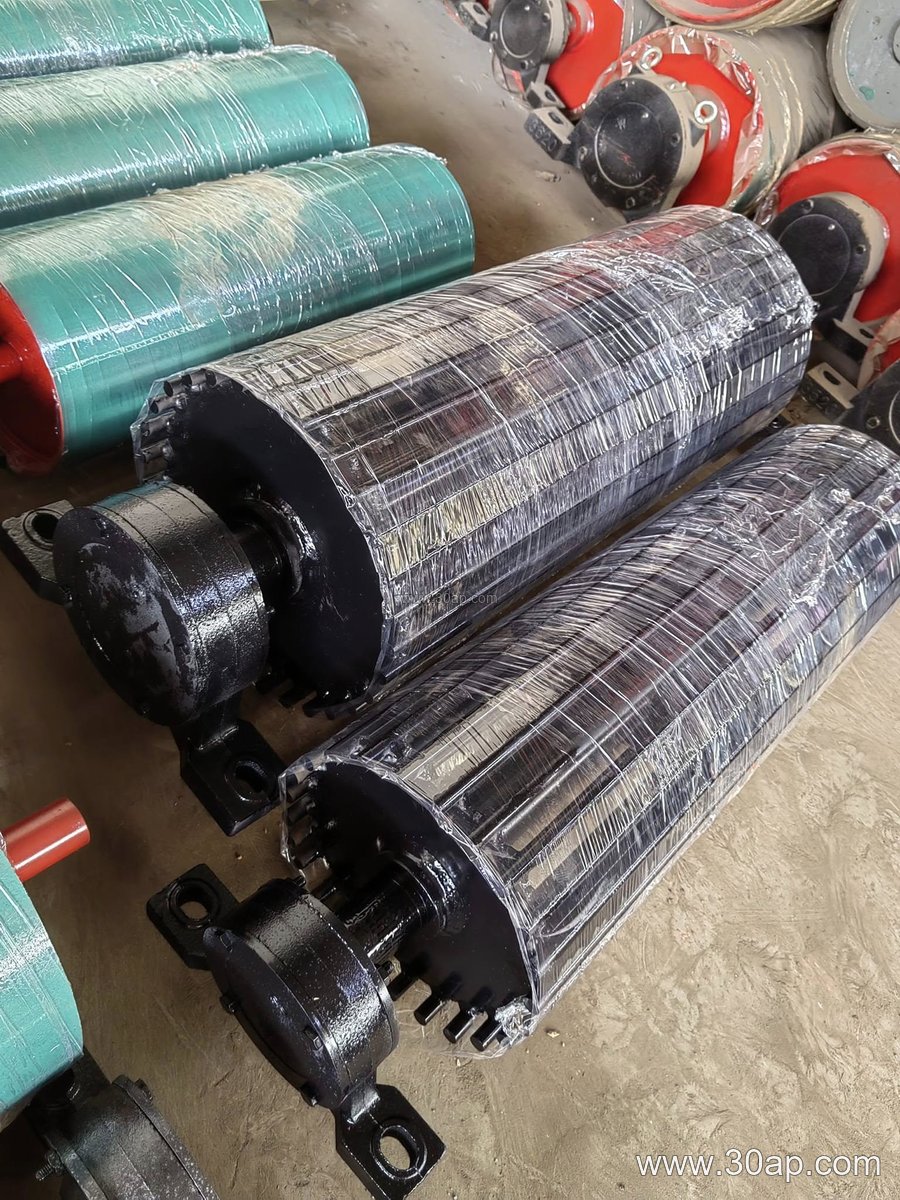
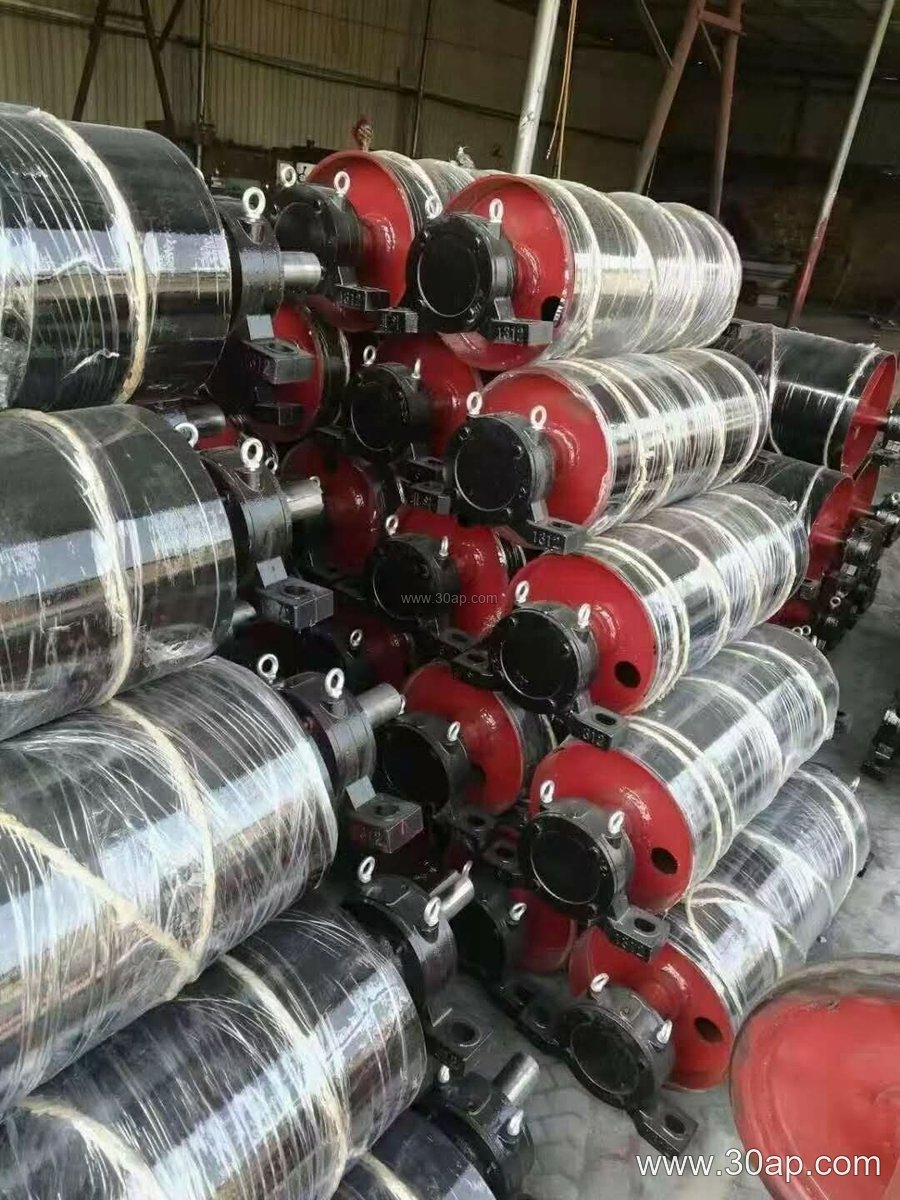
A conveyor belt lagged pulley is a standard conveyor pulley whose outer drum has been covered with a rubber or ceramic layer. This covering, called lagging, increases friction between the drum and the belt. In a limestone quarry, a cement plant, or a coal handling system, the lagged surface helps prevent belt slip when the conveyor starts under load or runs in wet, dusty conditions. The pulley itself may be a drive pulley, a tail pulley, or a bend pulley. Drive pulleys transmit power to the belt, tail pulleys support the belt at the loading end, and bend pulleys change the belt direction without driving it. These are not interchangeable roles, and each position places different demands on the lagging.
How the Lagging Is Built and Attached
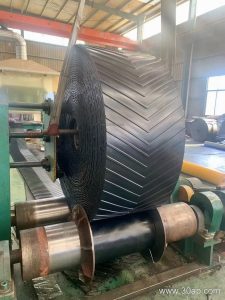
The drum is usually machined from steel tube or plate, with end discs and a shaft. Lagging is applied in several ways. Cold bonded rubber is glued to a prepared surface. Hot vulcanized rubber is cured under heat and pressure for a stronger bond. Cast polyurethane or ceramic tiles can be bonded for extreme abrasion. Common surface patterns include smooth, diamond, herringbone, and ceramic. A smooth lagging is used where material buildup is a concern; diamond or herringbone patterns help shed water and fines. Thickness typically ranges from 8 mm to 20 mm, with 10 mm and 12 mm being common for general duty. The right choice depends on belt tension, load, and the material being carried, not on a single rule.
Where Lagged Pulleys Are Used
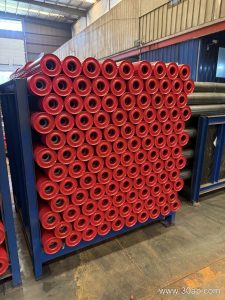
You will find them in crushed stone lines, iron ore plants, power station coal conveyors, and fertilizer or grain silos. In a tunnel boring operation, a lagged bend pulley may guide the muck belt around a tight curve. In a steel mill sintering line, a lagged tail pulley keeps the belt centered during reverse running. The lagging matters most at the drive pulley, where torque must transfer without slipping. A non-lagged wing pulley may be used as a tail pulley in sticky material, but it is not a substitute for a lagged drive pulley. Similarly, a conveyor idler roller supports the belt along its length and does not drive or redirect it.
Key Dimensions and How They Interact
Buyers often ask for a pulley by belt width and diameter. The table below shows common combinations, but they are reference examples, not fixed rules. A B800 belt can run on a pulley with a drum face of about 950 mm, and a diameter of Ø500 or Ø630 may be selected depending on torque and space. A B1200 system might use a Ø1000 drive pulley with a 1400 mm face. Shaft diameter is determined by torque and load, not by belt width alone. Common shaft sizes include Ø80, Ø100, Ø120, and Ø160, but the final value comes from the design calculation.
| Belt width | Typical drum face | Example diameter |
|---|---|---|
| B500 | 600 mm | Ø250, Ø315 |
| B650 | 750 mm | Ø320, Ø400 |
| B800 | 950 mm | Ø500, Ø630 |
| B1000 | 1150 mm | Ø630, Ø800 |
| B1200 | 1400 mm | Ø800, Ø1000 |
| B1400 | 1600 mm | Ø1000, Ø1250 |
These figures are for general reference. Do not assume that one belt width can only match one pulley diameter. A larger diameter reduces belt bending stress but takes more space and cost.
Selection and Maintenance Notes
- Check the lagging thickness and pattern against the material. Abrasive ore may need ceramic or thick rubber; wet coal may need a grooved pattern.
- Confirm the pulley type: drive, tail, bend, or take-up. A lagged conveyor pulley for a drive position must handle higher torque than a bend pulley.
- Inspect the lagging for wear, glazing, or missing tiles. Worn lagging causes slip, belt tracking problems, and increased belt tension.
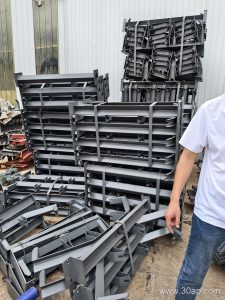
- Keep the conveyor bracket and frame aligned. A misaligned bracket can make even a well-lagged pulley run out of track.
- Record the shaft diameter and bearing size before ordering a replacement. Do not guess from belt width alone.
For a reliable conveyor belt lagged pulley, match the lagging compound and surface form to the actual operating environment. In a sand and gravel plant or a copper mine, the difference between smooth and diamond lagging can affect belt life and downtime. Always ask for the drum face, diameter, shaft size, and lagging specification as a set, not as isolated numbers.