What a Heavy-Duty Mining Conveyor Belt Is
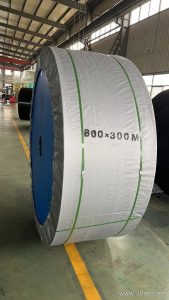
A heavy-duty mining conveyor belt is the load-carrying member of a bulk material handling system built for abrasive rock, ore, coal, and similar harsh cargo. It is not a single rubber mat but an engineered composite: a tension-bearing carcass enclosed in rubber covers that protect the core from impact, cutting, and wear. In daily speech it may simply be called a mining belt or a heavy conveyor belt, but the product described here is the same item.
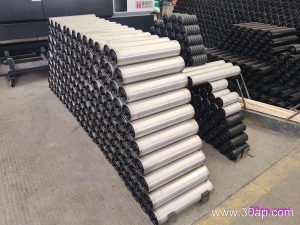
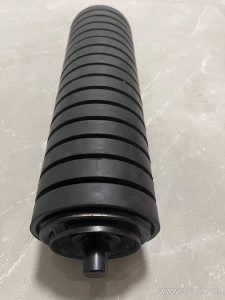
The belt runs over a conveyor pulley at the head and tail, supported between them by idler rollers, with conveyor brackets holding the structure together. Each of these parts has a distinct job, and the belt is designed around the loads they impose.
How the Belt Is Built
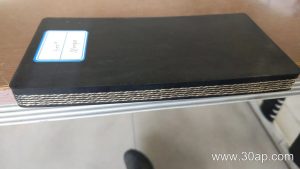
The carcass determines tensile strength and fatigue life. Common constructions include EP (polyester-nylon) fabric plies and steel cord. EP belts are widely used in mining for good elongation behaviour and resistance to moisture, while steel cord belts suit long, high-tension lines. The number of fabric plies usually ranges from two to six, chosen by the required strength and the pulley diameters in the system.
Cover rubber is the wear surface. Typical cover thicknesses include 3+1.5 mm, 4+2 mm, 5+2 mm, 6+2 mm, and 8+3 mm, expressed as top cover plus bottom cover. Thicker covers help where lumps fall from height or where the material is sharp. Compound selection matters as much as thickness. Heat-resistant grades, oil-resistant grades, flame-retardant and antistatic grades, and cold-resistant grades are all available, and a mine may need more than one property at once.
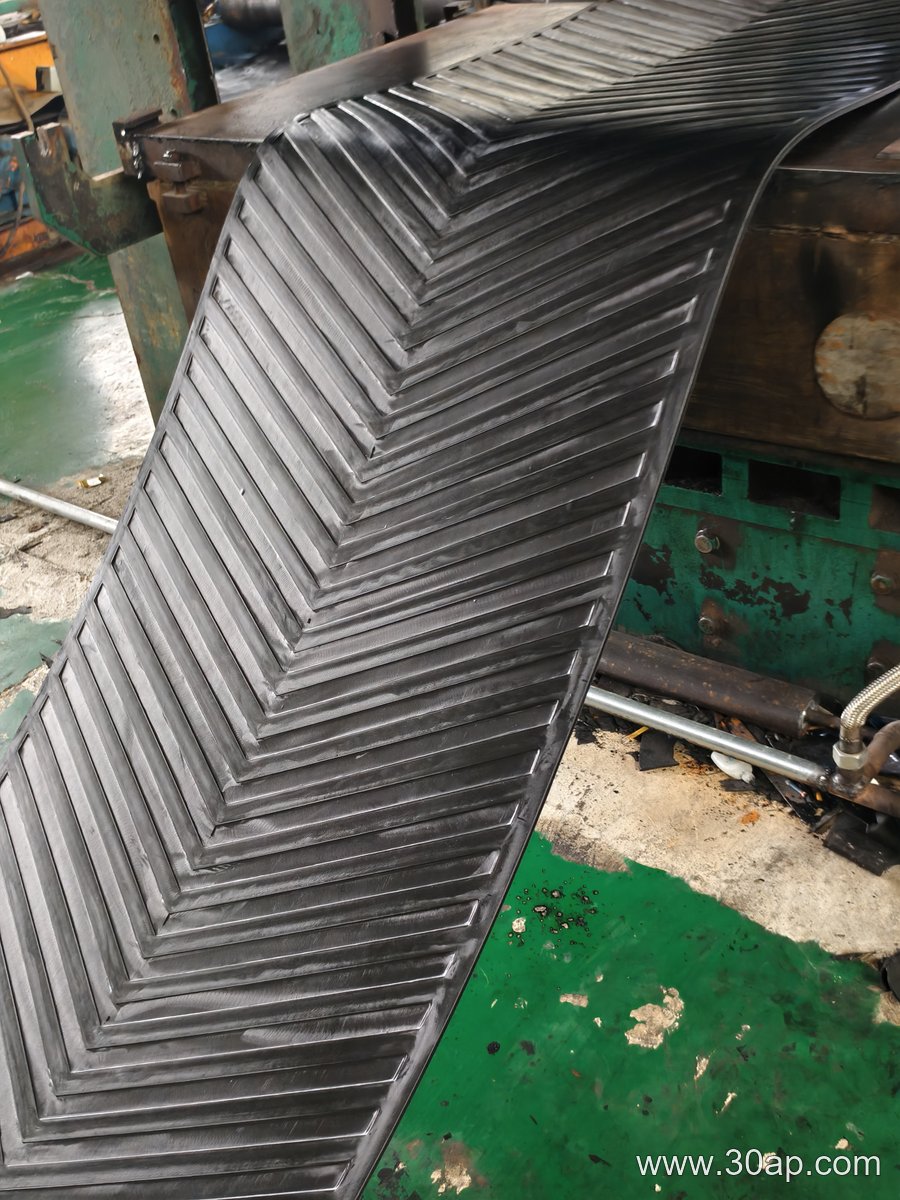
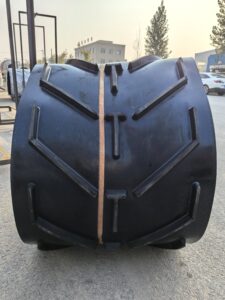
Surface form is another design choice. A smooth cover is standard for general conveying. A patterned or chevron cover improves grip on inclines. Corrugated sidewall belts handle steep angles and prevent material spillage, though they are a different belt type used for comparison rather than a replacement for the flat heavy-duty belt discussed here.
Where It Works in a Mine
The belt is found in primary crushing circuits, overland haulage from pit to stockpile, underground room-and-pillar sections, coal preparation plants, and load-out systems. Duty varies enormously. A short transfer belt may see light, steady load; a main line may run for kilometres and carry thousands of tonnes per hour. Design should follow the actual duty, not a generic assumption.
Because mining material is often abrasive and sometimes hot or oily, the belt must match the site. A belt specified only by width and strength may fail early if the cover compound is wrong for the cargo.
Specification Points Buyers Should Check
- Belt width: Common widths include B500, B650, B800, B1000, B1200, B1400, B1600, B1800, and B2000. Width must suit lump size and required capacity.
- Tensile grade: EP200, EP315, EP400, EP500, EP630, EP800, EP1000, EP1250, EP1600, and EP2000 are common reference grades. The right one depends on tension, take-up, and safety margin.
- Cover grade and thickness: Match the compound to heat, oil, flame risk, or cold, then choose cover thickness for impact and abrasion.
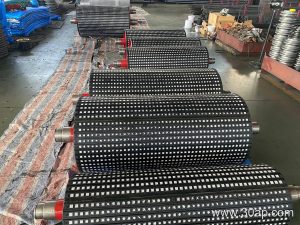
- Pulley and roller compatibility: Belt construction and pulley diameter interact. A heavy carcass generally needs larger pulleys than a light one, and a belt width alone does not fix a shaft diameter or a single pulley size. Drive, tail, and bend pulleys each have their own function and should not be treated as interchangeable.
- Idler roller spacing: Correct spacing limits sag and extends belt life.
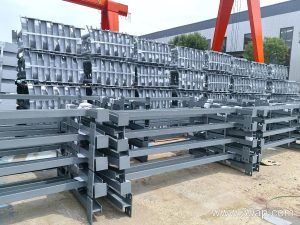
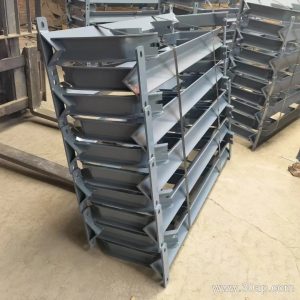
- Brackets and structure: Conveyor brackets must hold alignment under load.
Selection and Maintenance Notes
Start from the material, the tonnage, the incline, and the environment. Then confirm the carcass, cover, and splice method with the supplier. Field splicing, whether vulcanised or mechanical, influences long-term reliability, so it deserves attention before installation.
After commissioning, watch tracking, cover wear, edge damage, and splice condition. Misaligned idler rollers and worn pulleys shorten belt life quickly. Keep the belt clean, maintain tension, and record wear so replacement is planned rather than reactive.
A heavy-duty mining conveyor belt is a long-term investment. Getting the carcass, cover, and system geometry right at the start costs less than replacing a belt that was never suited to the job.